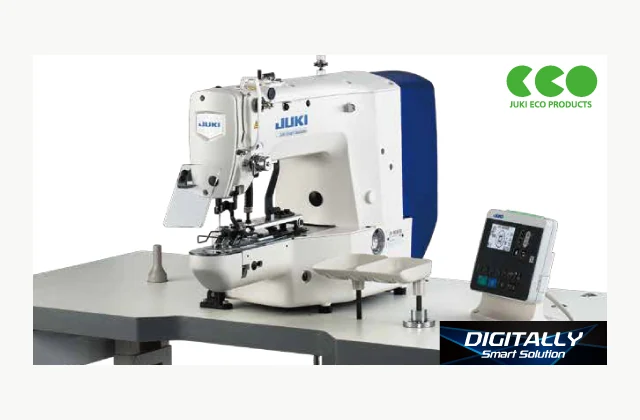
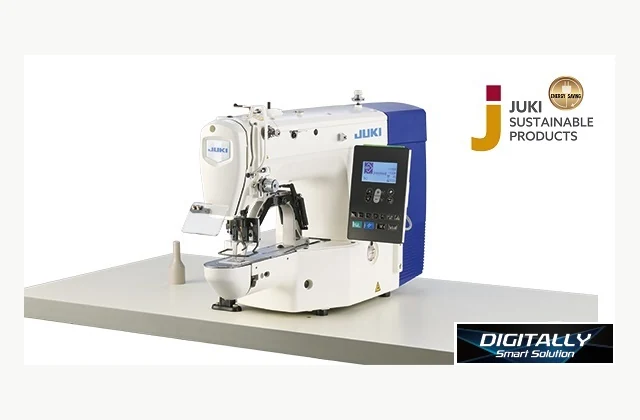
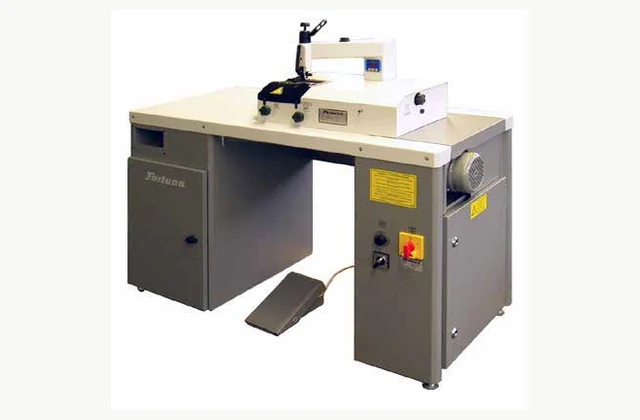
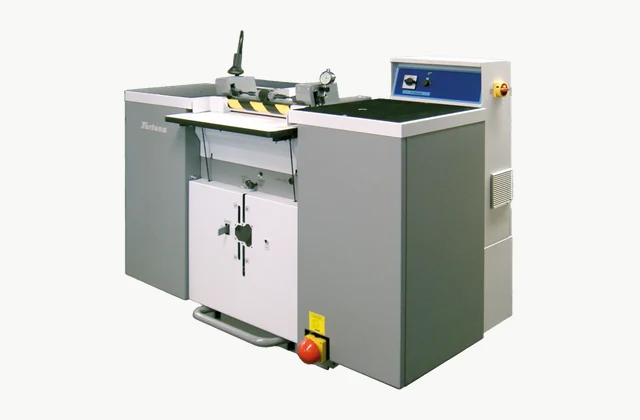
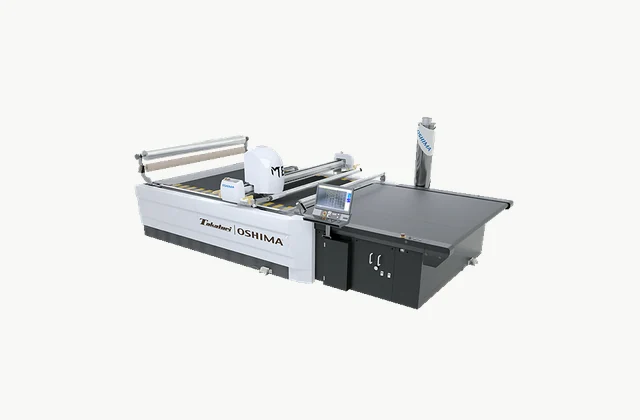
Attach garment buttons with a sewing system selected for the actual button, fabric stack and stitch requirement. Compare clamp tooling, pattern settings and feeding scope, then assess seam quality and complete operator cycles using production samples.
Make consistent garment buttonholes with equipment matched to the hole style, fabric construction and production workflow. Compare sewing, cutting, clamping and pattern management using actual garment samples, with variant-specific tooling and complete machine accessories included in the inquiry.
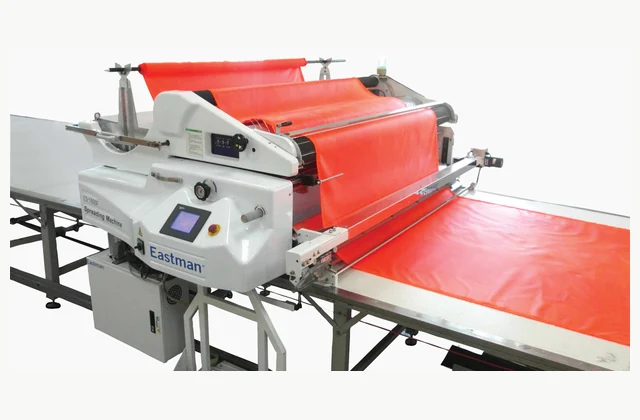
Prepare fabric lays with a spreader selected for roll properties, tension sensitivity and the cutting workflow. Compare loading, edge alignment, ply orientation and end cutting using production materials, with the table and handling package clearly included in the quotation.
Sew repeatable programmed patterns using a machine selected for material, working area and fixture design. Compare stitch quality, workholding and program control through production samples, then define tooling, services and operator workflow for the complete sewing package.
Select a digital leather cutting system around usable hide yield, part quality and production flow. Specify hide inspection, nesting, cutting and identification together, then test representative hides with their actual defects, stretch direction and downstream sewing requirements.
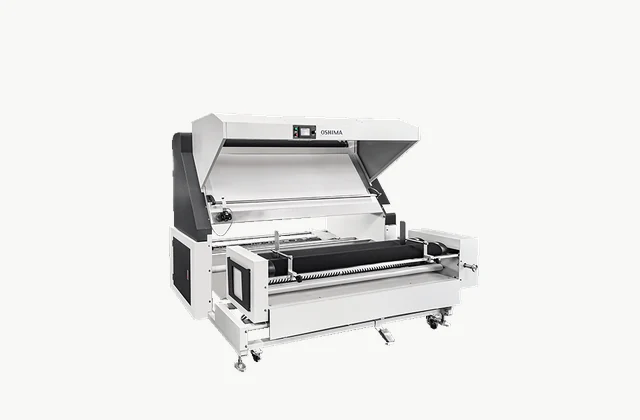
Specify a fabric inspection machine from roll dimensions, fabric behavior and the mill's defect-recording method. Match unwinding, illumination, tension, length measurement and rewinding, then verify that inspectors can find and record defects without stretching or damaging the cloth.
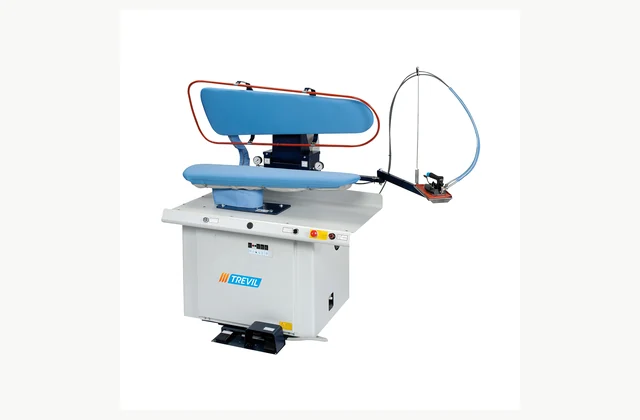
Choose a garment finishing press by garment section, fabric sensitivity and required shape. Specify the buck and head, steam or heat, pressure, vacuum and operating sequence together, then evaluate finished garments after cooling rather than judge the machine by its pressing surface alone.
Select a bartacking machine around the reinforcement pattern, actual garment stack and loading method. Validate stitch placement and seam strength on belt loops, pocket corners or other intended stress points before comparing quoted cycle output.
Choose an industrial chainstitch machine by the required seam construction, fabric stretch and feed arrangement. Compare single or multiple needle layouts, loop formation and seam-end security on actual garment panels, with attachments and operator handling included in the scope.
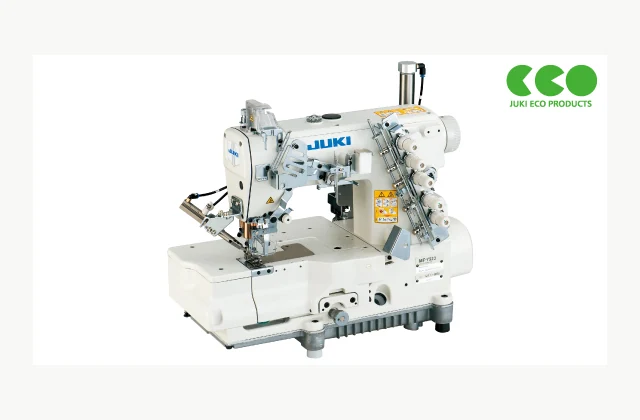
Specify coverstitch equipment from the garment hem or binding operation, required seam elasticity and access around tubular parts. Match the needle gauge, bed shape, differential feed and attachments, then assess the finished seam after the fabric has relaxed.
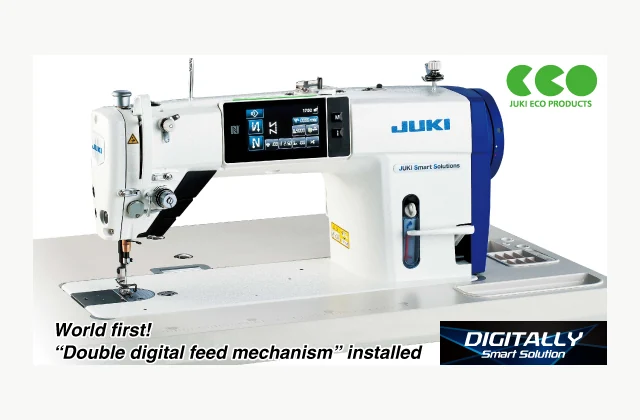
Choose an industrial lockstitch machine from the material stack, seam appearance and feeding task. Test the actual garments at usable operator output, then define needle and hook configuration, trimming, lubrication and workstation accessories as one documented sewing package.
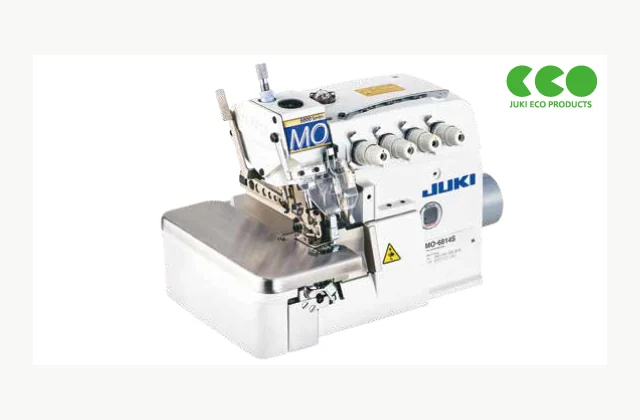
Select an overlock machine by the required edge finish, seam security and fabric feed behavior. Confirm the stitch construction, trimming width and differential feed on production material, including curves and seam crossings, with all gauge and accessory kits itemized.
Specify a leather edge painting machine from the cut edge, coating material and finished-goods process. Match the applicator, feed guidance and layer sequence, then trial edge coverage on straight sections, corners and curves before selecting the production configuration.
Choose a leather skiving machine for controlled edge thinning before folding, sewing or bonding. Define the bevel profile, residual thickness and feed behavior on actual material, keeping localized edge skiving distinct from full-width leather splitting.
Specify a leather splitting machine around the usable piece width, target thickness and material compressibility. Match the feed and band-knife arrangement to the actual leather, then verify thickness after relaxation and downstream use rather than accept a thickness display alone.
Plan a leather spray finishing line around hides, coating chemistry and the complete application-to-drying route. Define transport, spray control, exhaust, cleaning and downstream handover, then verify finish uniformity with the actual leather and approved coating process.
Select a multi-ply fabric cutting system from the compressed lay, material stability and required piece accuracy. Match knife, vacuum, spreading and offloading interfaces, then compare accepted parts from the top, middle and bottom of representative production lays.
Specify a textile fusing press around the fabric and interlining adhesive pair. Compare actual contact temperature, pressure, dwell and cooling, then verify bond performance and garment appearance after the agreed conditioning and cleaning process rather than rely on displayed settings.
Share the application, required output, destination, utilities, quantities and planned timing. For OEM / ODM projects, include the branding, configuration or engineering changes, sample approval and acceptance requirements.
A comparable textile fusing press quotation starts with face fabric, exact interlining, adhesive instructions and layered construction samples, temperature measurement method, across-width checks and representative loading pattern, pressure/dwell window, belt path, speed control and uniformity trial. Record the required result, site interfaces and acceptance evidence…
A comparable multi-ply fabric cutting system quotation starts with fabric construction, width, ply count, compressed lay height and surface friction, spreader interface, relaxation procedure, extension limits and grain alignment, pattern radii, notches/drills, blade package and heat-sensitive detail trials. Record the required result, site interfaces and…
A comparable leather spray finishing line quotation starts with hide sizes/condition, absorbency, surface preparation and approved finish samples, coating/cleaner instructions, viscosity/solids, material compatibility and site assessment, gun arrangement, pattern control, hide detection and selective-spray trial criteria. Record the required result, site interfaces and acceptance evidence…