
Specify a fabric inspection machine from roll dimensions, fabric behavior and the mill's defect-recording method. Match unwinding, illumination, tension, length measurement and rewinding, then verify that inspectors can find and record defects without stretching or damaging the cloth. Inspect representative light, dark and elastic fabrics using agreed known defects. Check detection, defect positions, measured length, fabric extension and the finished rewind. Demonstrate roll labeling, reverse travel and a full roll exchange; accept the configured inspection process rather than a motor running unloaded at maximum speed. Submit the intended configuration and any OEM/ODM changes for project-specific feasibility review.
Specify a fabric inspection machine from roll dimensions, fabric behavior and the mill's defect-recording method. Match unwinding, illumination, tension, length measurement and rewinding, then verify that inspectors can find and record defects without stretching or damaging the cloth.
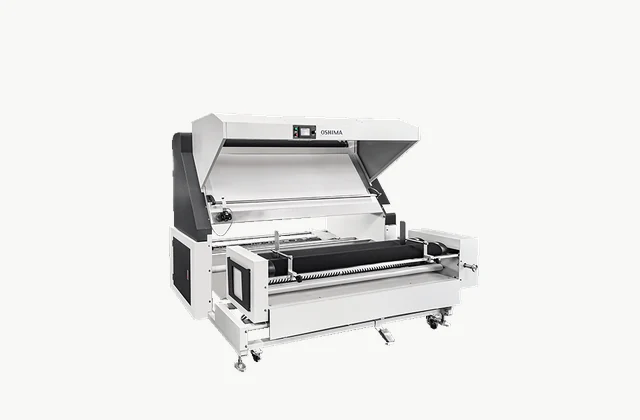
Shown as a configuration reference. Availability and the equipment offered for your project are confirmed separately.
Define rolls and fabric behavior
Provide working width, roll diameter and mass, core sizes and whether fabric is knitted, woven, coated or elastic. Include curled edges and unstable rolls. A nominal inspection width does not establish the unwinder's safe handling capacity or the tension needed to inspect a delicate stretch fabric.
Select an appropriate viewing arrangement
Describe defect types, fabric colors and whether transmitted or reflected light is needed. Evaluate the viewing angle and operator position with actual samples. More lighting is not automatically better when glare, dark colors or translucent material can hide the defects the inspection procedure is intended to detect.
Control tension and edge alignment
Specify allowable extension, edge condition and desired rewind alignment. Check the offered drive and guiding arrangement under starting, stopping and reversing. An aligned finished roll is useful only if the inspection process has not distorted the length or introduced creases in the fabric being assessed.
Agree length and defect measurement
Define the length-measuring method and the plant's required defect classification or scoring rules. Confirm calibration on representative fabrics and how roll boundaries are recorded. A displayed meter count is not evidence of traceable measurement when wheel slip, fabric stretch or reverse movement is left unaddressed.
Choose manual or connected records
State whether operators need paper tickets, digital defect positions, labels or a factory-system interface. Identify software and peripherals explicitly. The basic inspection machine does not automatically include vision inspection or enterprise integration, and a simple defect button may not capture the information required by the customer's quality process.
Plan roll changes and maintenance
Review loading aids, spreaders, measuring wheels, illumination and contact surfaces with the supplier. Define cleaning and replacement access without contaminating fabric. Compare good inspected meters across a full roll change and fault stop, because unattended running speed alone ignores the operator and handling work in actual production.
Compare a complete fabric inspection machine scope
| Decision | Information to compare |
|---|---|
| Define rolls and fabric behavior | Fabric construction, width, elasticity, roll size/mass and core dimensions |
| Select an appropriate viewing arrangement | Defect samples, fabric colors, viewing angle and lighting requirements |
| Control tension and edge alignment | Allowable extension, guiding arrangement, reversing and rewind alignment |
| Agree length and defect measurement | Length calibration, scoring rules, reverse counts and roll identification |
| Choose manual or connected records | Manual/digital defect records, labels, required fields and data interfaces |
| Plan roll changes and maintenance | Roll loading, cleaning, wear parts, full-cycle output and operator training |
Plan installation and access
Provide roll staging, safe loading aids and adequate space around the inspection and finished-roll sides. Qualified personnel should verify electrical connections, emergency stops and guarded drives. Establish an inspection-lighting environment and a documented length-calibration procedure, retaining the agreed scoring workflow and training materials.
Agree acceptance evidence before ordering
Inspect representative light, dark and elastic fabrics using agreed known defects. Check detection, defect positions, measured length, fabric extension and the finished rewind. Demonstrate roll labeling, reverse travel and a full roll exchange; accept the configured inspection process rather than a motor running unloaded at maximum speed.
Define OEM/ODM engineering boundaries
OEM roll supports, lighting and record interfaces can be reviewed. ODM vision inspection, measuring systems or drive changes require sample validation and engineering. Reference imagery does not imply included automatic defect recognition, inventory or a transferable length accuracy across untested fabric constructions.
What should your fabric inspection machine RFQ include?
- Fabric construction, width, elasticity, roll size/mass and core dimensions
- Defect samples, fabric colors, viewing angle and lighting requirements
- Allowable extension, guiding arrangement, reversing and rewind alignment
- Length calibration, scoring rules, reverse counts and roll identification
- Manual/digital defect records, labels, required fields and data interfaces
- Roll loading, cleaning, wear parts, full-cycle output and operator training
- Destination, working environment, access and delivery constraints
- Installation responsibility, utilities and connection drawings
- Acceptance samples, documented test method, operator training and maintenance scope
- OEM/ODM changes requested: identification, tooling, interfaces or new design; engineering feasibility to be confirmed
Need OEM / ODM customization?
Submit branding, packaging, configuration or engineering requirements for this equipment. Include the target market, initial and annual quantities, required changes and acceptance criteria.
Customization feasibility, permitted branding, development responsibilities, minimum quantity, cost and lead time are reviewed for the proposed supplier and configuration before a quotation is confirmed.
Frequently asked questions
How do I define rolls and fabric behavior?
Provide working width, roll diameter and mass, core sizes and whether fabric is knitted, woven, coated or elastic. Include curled edges and unstable rolls. A nominal inspection width does not establish the unwinder's safe handling capacity or the tension needed to inspect a delicate stretch fabric.
How do I select an appropriate viewing arrangement?
Describe defect types, fabric colors and whether transmitted or reflected light is needed. Evaluate the viewing angle and operator position with actual samples. More lighting is not automatically better when glare, dark colors or translucent material can hide the defects the inspection procedure is intended to detect.
How do I control tension and edge alignment?
Specify allowable extension, edge condition and desired rewind alignment. Check the offered drive and guiding arrangement under starting, stopping and reversing. An aligned finished roll is useful only if the inspection process has not distorted the length or introduced creases in the fabric being assessed.
How do I agree length and defect measurement?
Define the length-measuring method and the plant's required defect classification or scoring rules. Confirm calibration on representative fabrics and how roll boundaries are recorded. A displayed meter count is not evidence of traceable measurement when wheel slip, fabric stretch or reverse movement is left unaddressed.
How do I choose manual or connected records?
State whether operators need paper tickets, digital defect positions, labels or a factory-system interface. Identify software and peripherals explicitly. The basic inspection machine does not automatically include vision inspection or enterprise integration, and a simple defect button may not capture the information required by the customer's quality process.
How do I plan roll changes and maintenance?
Review loading aids, spreaders, measuring wheels, illumination and contact surfaces with the supplier. Define cleaning and replacement access without contaminating fabric. Compare good inspected meters across a full roll change and fault stop, because unattended running speed alone ignores the operator and handling work in actual production.
Reference information
- OSHIMA OC-5 official product reference
- OSHIMA fabric inspection machine official family or technical reference
Reference data and images explain equipment configurations. IndustryApex engineers confirm the offered model, specification and commercial scope in your project quotation.