Harvest carrots using a top-lifting system selected for crop condition, row geometry and the intended handling route. Compare lifting, soil separation, topping and discharge with the tractor and field conditions, then validate crop quality through a representative harvesting trial.
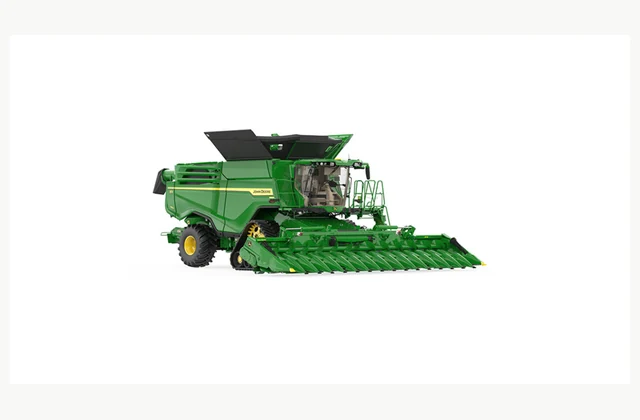
Harvest grain with a combine selected for crops, seasonal workload and the complete header-to-unloading system. Compare separation, cleaning, grain quality and service through representative conditions, then define the exact market variant and included crop equipment before requesting an application-specific quotation.
Harvest grain corn with a header selected for planted rows, crop condition and the combine interface. Compare row units, feeding, residue treatment and transport as a complete attachment, then validate field performance and the supplied drive and control equipment.
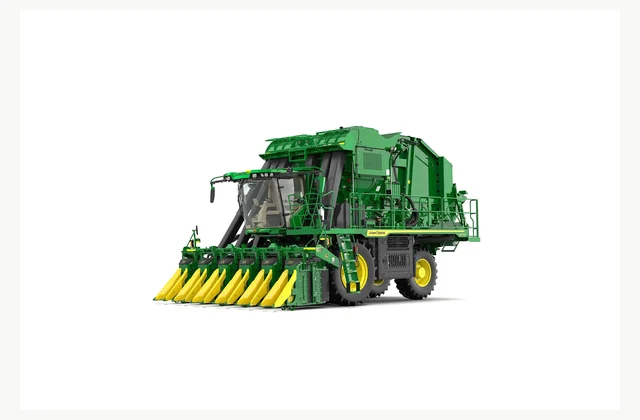
Pick cotton with equipment selected for the crop, planted geometry and the receiving logistics. Compare harvesting units, crop quality and onboard handling with field support and service needs, then define the exact market configuration and representative trial conditions.
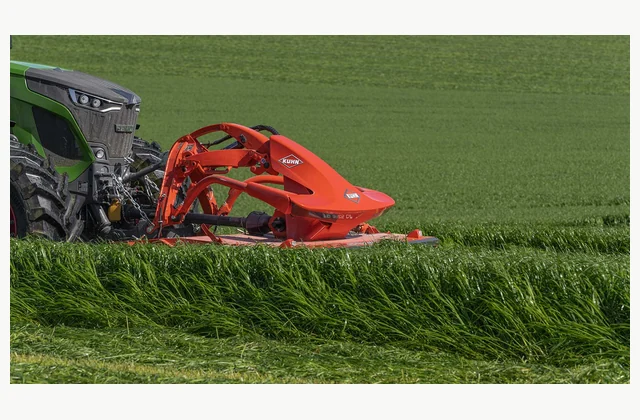
Cut forage and apply the intended conditioning action with a mower conditioner selected for crop, terrain and tractor arrangement. Compare cutting, conditioning and swath handling together, then assess the complete field result and service scope using representative crop conditions.
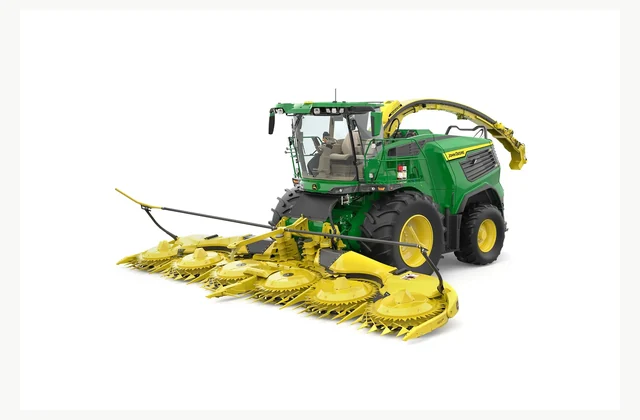
Harvest and chop forage with a machine selected for crops, feed-quality requirements and receiving logistics. Compare front attachments, chopping and any crop-processing equipment as one system, then validate the delivered material and useful field cycle under representative conditions.
Choose a forage loading wagon by pickup conditions, forage quality and the full field-to-clamp cycle. Match cutting, loading chamber, chassis and unloading with the tractor and receiving operation, keeping self-loading forage collection distinct from a transport-only trailer.
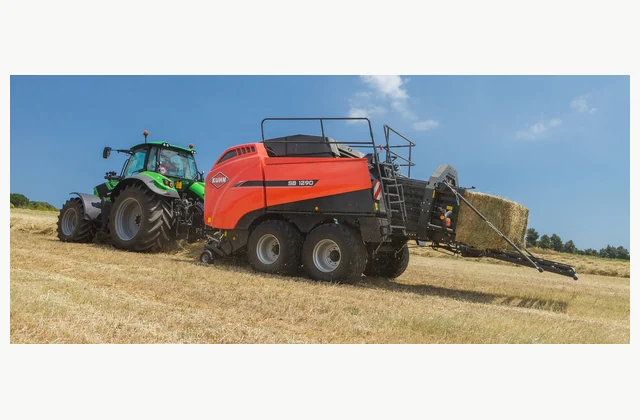
Compare large square hay balers by the crop windrow, bale handling system and reliable knot formation. This guide covers rectangular bales for stacking and transport, distinct from round-bale machines. Confirm tractor compatibility, density objectives and field acceptance before selecting a chamber family.
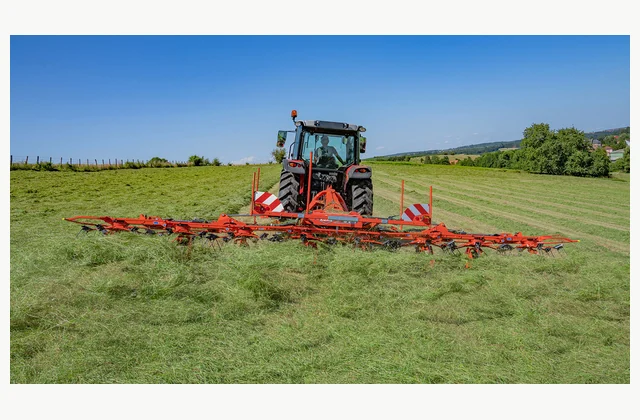
Select a hay tedder for spreading the farm's cut forage under actual moisture and field conditions. Match rotor geometry, working width, tractor services and ground following, then assess drying distribution and leaf retention rather than comparing width alone.
Select a potato harvester from planted rows, soil conditions and the required tuber-quality and handling outcome. Match digging, separation, inspection and unloading as one route, then prove recovery and damage on representative crop rather than comparing hopper capacity alone.
Choose a rotary hay rake by the windrow needed by the following baler or forage harvester. Match delivery pattern, field width and ground following to crop quality and pickup logistics, then test uniform windrows in the farm's actual conditions.
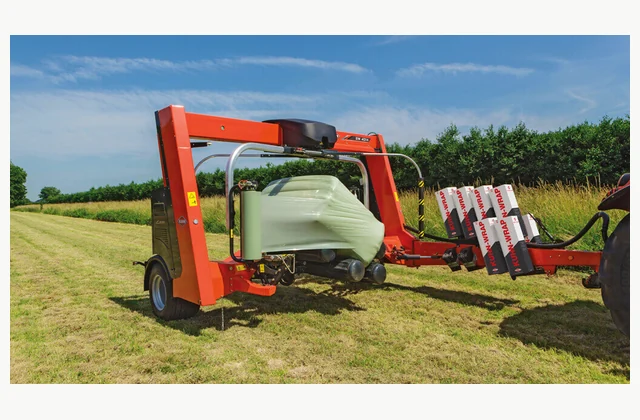
Specify a silage bale wrapper by bale format, film handling and the full loading-to-discharge cycle. Review film overlap and coverage with the forage specialist, and confirm the handling system preserves the wrapped bale through transport and storage.
Share the application, required output, destination, utilities, quantities and planned timing. For OEM / ODM projects, include the branding, configuration or engineering changes, sample approval and acceptance requirements.
A comparable silage bale wrapper quotation starts with bale shape, dimensions, mass and incoming surface condition, film specification, overlap, pre-stretch and defined coverage assessment, loader interface, loading/discharge sequence and complete-cycle output. Record the required result, site interfaces and acceptance evidence in one revision-controlled RFQ. IndustryApex…
A comparable rotary hay rake quotation starts with following pickup width, windrow width, density and delivery position, field shapes, rotor layout, width adjustment and headland sequence, contours, tine clearance, recovery and soil/stone contamination criteria. Record the required result, site interfaces and acceptance evidence in one…
A comparable potato harvester quotation starts with rows/beds, variety, size distribution, maturity and haulm preparation, soil/moisture, stone/clod content and representative difficult conditions, digging depth, transfer heights/speeds and tuber-damage assessment. Record the required result, site interfaces and acceptance evidence in one revision-controlled RFQ. IndustryApex engineers use…