
Harvest grain with a combine selected for crops, seasonal workload and the complete header-to-unloading system. Compare separation, cleaning, grain quality and service through representative conditions, then define the exact market variant and included crop equipment before requesting an application-specific quotation. Prioritize crops, header, quality. Use the checkpoints to build a consistent equipment scope and confirm the intended trial or installation evidence. The official image is a product reference; it does not establish availability or an authorized supplier relationship. Submit OEM/ODM changes for application-specific feasibility review.
Harvest grain with a combine selected for crops, seasonal workload and the complete header-to-unloading system. Compare separation, cleaning, grain quality and service through representative conditions, then define the exact market variant and included crop equipment before requesting an application-specific quotation.
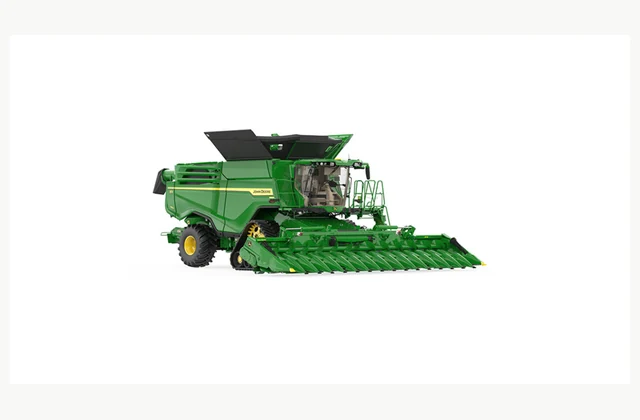
Shown as a configuration reference. Availability and the equipment offered for your project are confirmed separately.
Start with crops and the harvest window
A combine selection should reflect the crop program, expected conditions and time available to harvest. List crops, areas, yield variation, straw requirements and field sizes. The machine must fit the farm’s logistics and support plan rather than simply offer a large engine. Describe difficult conditions such as lodged crop or uneven maturity. A catalogue maximum does not establish the useful rate the farm can sustain while meeting its grain and loss objectives.
Match the header and feeder interface
The header is part of the harvesting system and should be selected for crop, field layout and the combine’s exact interface. Identify mechanical connections, drive, controls and any crop-specific equipment. Working width must suit the terrain, transport and usable combine capacity. The John Deere X9 1100 reference illustrates a combine platform; the pictured header or accessory should not be assumed included. Request a configuration schedule covering the complete proposed crop package.
Evaluate threshing, separation and cleaning together
Different crops and conditions place different demands on the internal process. Ask how the offered arrangement is configured and changed between the intended crops. Compare grain condition, unwanted material and losses using agreed field methods rather than judge only engine load or visible flow. A high throughput claim without equivalent crop and quality conditions is incomplete. Include the buyer’s straw-handling objective because the required result extends beyond grain in the tank.
| Selection issue | Information to specify |
|---|---|
| Crops | Crop range, area, expected conditions and harvest window. |
| Header | Crop suitability, width and exact combine interfaces. |
| Quality | Grain condition, unwanted material, losses and straw objective. |
| Logistics | Receiving transport, unloading, roads and header movement. |
| Configuration | Market variant, automation, sensors and service scope. |
| Acceptance | Representative complete crop package with recorded conditions. |
Plan unloading and receiving transport
Grain tank and unloading arrangements must fit trailers or carts, field routes and the available workforce. Discuss discharge position, receiving capacity and how unloading interacts with the field cycle. A large combine can spend much of its time waiting if receiving transport is underspecified. Provide the intended logistics rather than treating grain-tank size as a stand-alone productivity measure. Include road movement and header transport between fields in the complete operating plan.
Review automation, data and operator support
Identify the operator-assistance functions actually supplied, any required sensors, software and ongoing services. These functions should support the intended crops and conditions and be demonstrated with the people who will use them. Separate hardware from activations or subscriptions in the offer. Retain configuration and data-access information and clarify updates. An automation label is not a substitute for a capable operator, suitable settings and a representative assessment of grain and loss results.
Confirm destination and service readiness
Obtain documentation for the exact engine, travel and equipment variant offered to the destination. Check transport dimensions, tires or tracks and relevant local requirements. Discuss consumables, service access, diagnostics and seasonal parts availability through a concrete support plan. A familiar global model name does not establish identical specification in every market. For used equipment, inspect the actual machine’s condition and history rather than treating generic model information as evidence for the unit being offered.
Accept the complete crop system and OEM/ODM scope
Use representative crops and agreed quality, loss and usable-output methods with the delivered header and crop configuration. Record settings and conditions. OEM/ODM requests may address identification, selected interfaces or integration, while changes to harvesting mechanics, controls or structure need engineering and crop trials. Confirm drawings and parts identification for a modified package. Reference-brand images do not confer supply authorization or allow an alternative design to inherit the pictured machine’s performance claims.
What should your combine harvester RFQ include?
- Crops: Crop range, area, expected conditions and harvest window.
- Header: Crop suitability, width and exact combine interfaces.
- Quality: Grain condition, unwanted material, losses and straw objective.
- Logistics: Receiving transport, unloading, roads and header movement.
- Configuration: Market variant, automation, sensors and service scope.
- Acceptance: Representative complete crop package with recorded conditions.
- Destination, site conditions and delivery access
- Installation boundary, utilities and connection drawings
- Acceptance procedure, documentation and training scope
- OEM/ODM changes: interface, material, branding or new design; written engineering feasibility required
Need OEM / ODM customization?
Submit branding, packaging, configuration or engineering requirements for this equipment. Include the target market, initial and annual quantities, required changes and acceptance criteria.
Customization feasibility, permitted branding, development responsibilities, minimum quantity, cost and lead time are reviewed for the proposed supplier and configuration before a quotation is confirmed.
Frequently asked questions
How should combine capacity be matched to a farm?
Use the crop program, harvest window, field conditions and complete logistics. Consider headers, grain and loss requirements, unloading and support. Engine size or a maximum rate alone does not establish useful seasonal output while meeting the farm’s required grain condition and operating schedule.
Is the header included in a combine quotation?
Not unless the offer explicitly includes it. Specify the crop, width and exact mechanical, drive and control interfaces. List crop-change equipment and transport needs. A photograph showing a combine with a header does not establish that the pictured attachment belongs to the supplied package.
What should a crop-performance comparison measure?
Compare grain condition, unwanted material, losses and usable output on representative crops using agreed methods. Record settings and field conditions. A throughput figure from another crop or a demonstration accepting different losses should not be treated as an equivalent result for the buyer.
Why does receiving transport affect combine selection?
The combine depends on carts or trailers and workable unloading routes. Underspecified receiving capacity can create waiting time despite a capable harvesting process. Describe discharge and field logistics and assess complete cycles, not just grain-tank size or the unloaded machine’s travelling performance.
Do global model names imply identical market specification?
No. Engine, travel, equipment and software arrangements can differ by destination or variant. Obtain the exact option schedule and relevant documentation and check support. A specification from another market should not be transferred automatically to the machine proposed for import or registration.
Can a combine package be customized through OEM/ODM?
Identification and selected integration interfaces can be reviewed. Structural, harvesting or control changes require engineering and crop trials. Provide crops, logistics and acceptance methods and retain parts and configuration records so a customized package has evidence for its own complete harvesting arrangement.
Reference information
- John Deere X9 1100 official product reference
- John Deere X9 1100 official technical or family reference
Reference data and images explain equipment configurations. IndustryApex engineers confirm the offered model, specification and commercial scope in your project quotation.