Specify a drip irrigation system from crop spacing, soil or substrate and water quality. Match emitters, laterals, filtration and pressure control as a complete network, then verify delivered flow and uniformity at the real field or greenhouse operating conditions.
Choose a greenhouse climate controller from crop strategy, climate zones and the equipment to be coordinated. Map sensors, vents, heating, screens and irrigation interfaces with the grower, then validate the real operating and fault sequences with a documented backup and support plan.
Plan a greenhouse structure from the crop, local climate and approved site loads. Match spans, covering, vents and foundations with the cultivation and service layout, assigning structural and climate design responsibilities before comparing area-based equipment quotations.
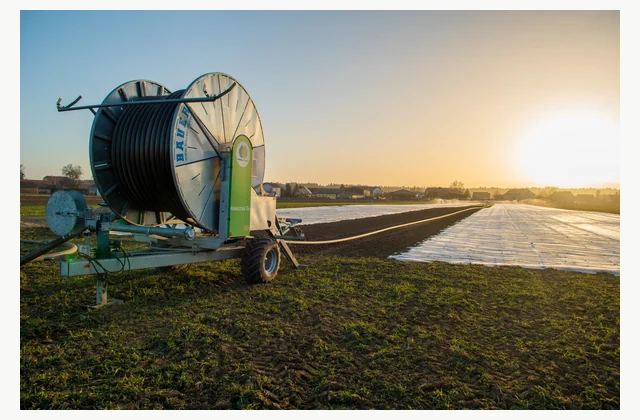
Select a hose-reel irrigation traveler from strip length, crop demand and measured inlet pressure and flow. Match hose, sprinkler or boom cart and retraction control to the field, then assess application uniformity and complete pull-and-rewind operation with the intended water supply.
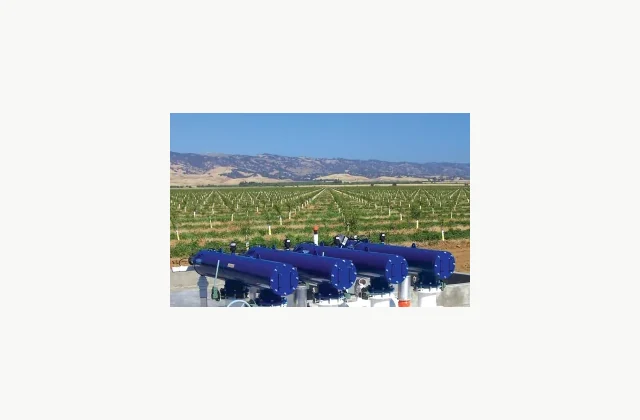
Design an irrigation filtration station from source-water analysis, emitter requirements and operating flow. Compare screen, disc or other treatment routes with pressure loss, cleaning water and controls, then verify the actual protection and backwash behavior across the irrigation schedule.
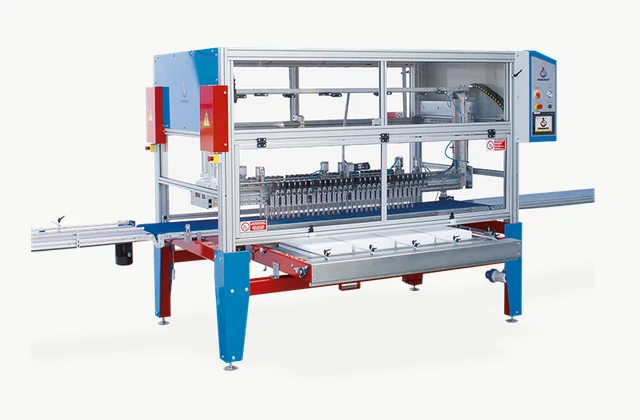
Select a seedling tray seeding line from seed properties, tray geometry and the nursery's growing process. Match filling, dibbling, seed placement, covering and watering as a complete route, then assess placement accuracy and usable seeded trays with representative materials.
Choose an automatic calf feeder from the herd's approved feeding programme, milk source and stall layout. Match preparation, identification, feeding stations and cleaning, then verify portion delivery and actionable records with the farm's calf-care team.
Specify a barn manure scraper from alley geometry, floor condition and the farm's manure-handling route. Match blade, drive, cable or chain system and controls with animal traffic, then verify cleaning and fault behavior under representative barn conditions.
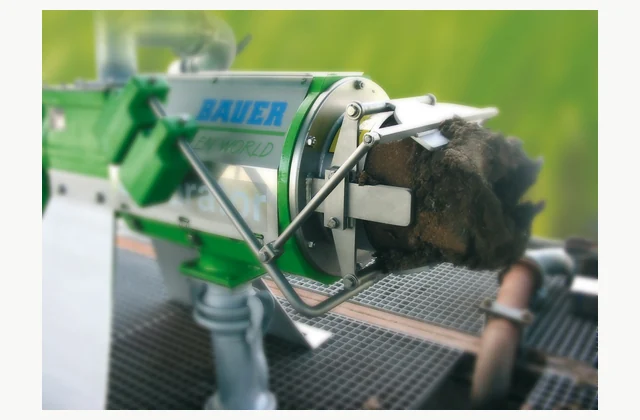
Select a farm manure separator from feed slurry properties and the intended use of the solid and liquid fractions. Match screening or pressing, feed control and storage interfaces, then test actual recovery and solids content instead of treating separator size as a performance guarantee.
Choose a farm slurry agitator from storage geometry, slurry characteristics and the required pumping or processing consistency. Match propeller or mixing arrangement, positioning and drive with the store, including qualified assessment of hazardous gases, access and maintenance.
Choose a livestock sorting gate from animal identification, sorting destinations and the barn's traffic pattern. Match gate mechanics, recognition and herd-management interfaces, then validate correct routing and safe fault recovery with the farm's approved handling procedure.
Select a manure spreader from material consistency, nutrient application objectives and the field operation. Match loading, conveying, discharge and tractor interfaces, then assess spread pattern and useful application with representative manure rather than choosing by body volume alone.
Plan a milking parlor system from herd size, animal traffic and the farm's milking and hygiene procedure. Match stalls, milk and vacuum pathways, controls and cleaning with the building, then assess the complete routine under qualified dairy and veterinary responsibility.
Choose a silage block cutter from clamp access, face geometry and the loader's capacity at the real load center. Match cutting edges, gripping and discharge with ration handling, then verify clean removal and attachment compatibility on representative silage.
Specify a straw bedding spreader from bale form, material condition and the barn's distribution layout. Match bale loading, separation, discharge and tractor services, then assess useful coverage and dust with the real bedding process rather than comparing throwing distance alone.
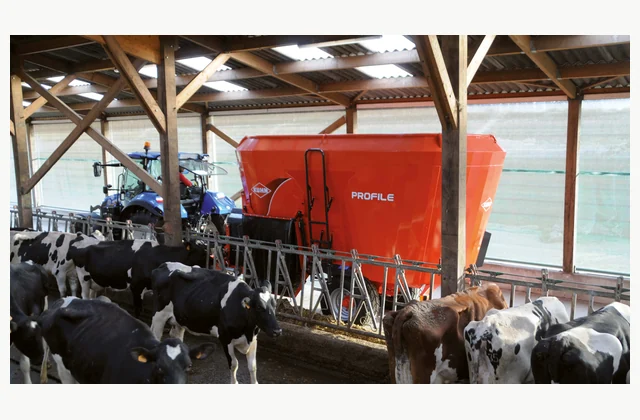
Choose a total mixed ration feeder by ration ingredients, batch size and the barn's delivery route. Assess mixing uniformity, particle handling and discharge to the feed barrier as one cycle, then match tractor services or stationary utilities to the offered configuration.
Specify an agricultural bed former from the crop bed cross-section, soil condition and tractor system. Match forming tools, row layout and any mulch or drip interfaces, then verify settled bed geometry and field operation on representative prepared ground.
A mulch-laying machine places agricultural film over a prepared bed and secures it with soil or the selected anchoring method. Bed geometry, film properties and field conditions determine the implement and setup.
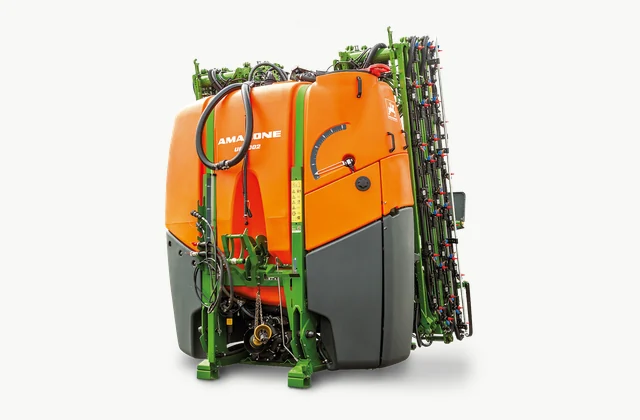
A boom crop sprayer applies a qualified liquid through nozzles distributed across a boom. Crop, field, chemical requirements and application conditions determine the tank, pump, boom and control configuration.
A fertilizer spreader meters and distributes a specified nutrient material across the field. Granule properties, working width, travel control and the required overlap determine an acceptable spreading pattern.
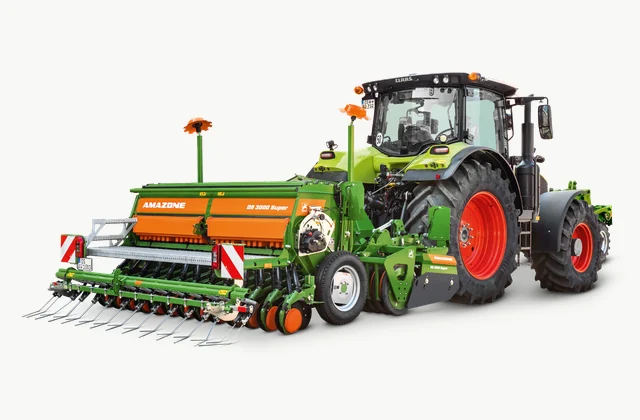
A grain seed drill meters seed and places it through openers at a controlled depth and spacing pattern. Seed properties, soil condition, residue and tractor compatibility define the implement and its settings.
An inter-row cultivator removes weeds mechanically between crop rows while protecting crop plants. Row geometry, crop growth stage, soil and guidance determine the tool arrangement and safe operating window.
An orchard airblast sprayer combines liquid application with airflow intended to carry droplets into a canopy. Tree architecture, row layout and target coverage determine fan, nozzle and operating settings.
A precision row planter meters individual seeds and places them at controlled spacing and depth. Seed shape, size, treatment and field conditions determine the seed meter, row unit and required calibration.
Share the application, required output, destination, utilities, quantities and planned timing. For OEM / ODM projects, include the branding, configuration or engineering changes, sample approval and acceptance requirements.
A comparable vegetable transplanter quotation starts with vegetable transplanter application and required finished result, plug and plant, receiving pattern. Record the required result, site interfaces and acceptance evidence in one revision-controlled RFQ. IndustryApex engineers use these inputs to define the equipment, integration and OEM/ODM scope…
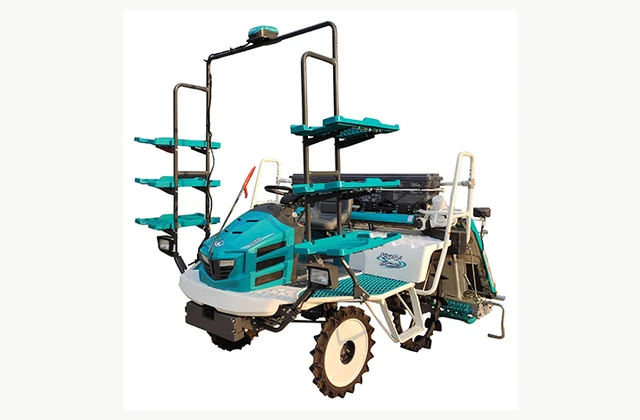
A comparable rice transplanter quotation starts with rice transplanter application and required finished result, seedling preparation, paddy and planting. Record the required result, site interfaces and acceptance evidence in one revision-controlled RFQ. IndustryApex engineers use these inputs to define the equipment, integration and OEM/ODM scope…
A comparable precision row planter quotation starts with precision row planter application and required finished result, seed singulation, placement and closing. Record the required result, site interfaces and acceptance evidence in one revision-controlled RFQ. IndustryApex engineers use these inputs to define the equipment, integration and…