A robot tool changer allows a robot-side master to couple with different tool-side plates. Mechanical retention, service transfer and verified locking together determine whether automatic changeover is practical. Start with complete tool masses and centres of gravity and moments, then agree the configuration and the evidence required for acceptance.
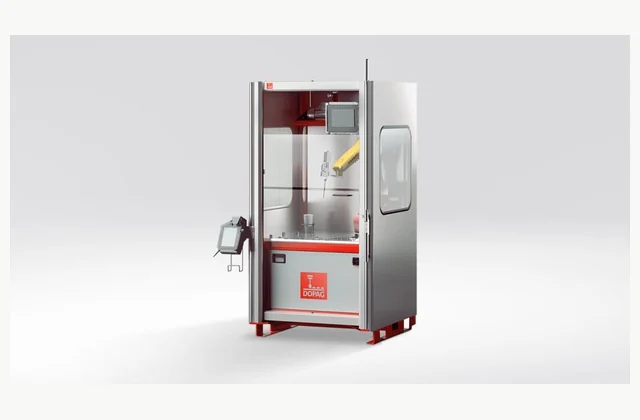
A robotic adhesive dispensing cell coordinates a motion system and metering equipment to apply a controlled bead or deposit. The process includes material preparation and curing requirements, not just a repeatable path. Start with adhesive chemistry and data and viscosity and working time, then agree the configuration and the evidence required for acceptance.
A robotic force torque sensor measures forces and moments at a robot or tool interface. It enables contact feedback, but the resulting process still depends on calibration, control behaviour and mechanical stiffness. Start with force and torque envelope and required signal resolution, then agree the configuration and the evidence required for acceptance.
A robotic machine tending system loads and unloads a machine while coordinating doors, workholding and process status. The cell must manage chips, part variation and recovery as part of the production sequence. Start with raw and finished part drawings and grip zones and burrs, then agree the configuration and the evidence required for acceptance.
A random bin picking system uses three-dimensional sensing and robot motion planning to select parts from unstructured piles. The engineering problem includes graspability, collision avoidance and recovery of remaining difficult pieces. Start with part geometry and finish and bin dimensions and variation, then agree the configuration and the evidence required for acceptance.
A SCARA robot provides planar articulated motion with a vertical axis for structured assembly and transfer. Its suitability depends on insertion direction, reach and wrist loading within the actual cell. Start with tool and part payload and reach and work coordinates, then agree the configuration and the evidence required for acceptance.
A servo electric assembly press applies programmable joining motion and records the force-displacement response. The useful result is a validated joint, not simply a commanded force at the end of travel. Start with joint and interference drawings and part and lubrication variation, then agree the configuration and the evidence required for acceptance.
A vibratory bowl feeder uses a shaped track and controlled vibration to orient and deliver discrete components. Tooling is tied to a part family; a similar-looking component can feed differently. Start with component drawing and samples and surface finish and oil, then agree the configuration and the evidence required for acceptance.
A capacitive proximity sensor detects changes in an electric field caused by nearby material. It can detect nonmetallic targets, but moisture and deposits can also change its response. Start with target material and container wall, then agree the configuration and the evidence required for acceptance.
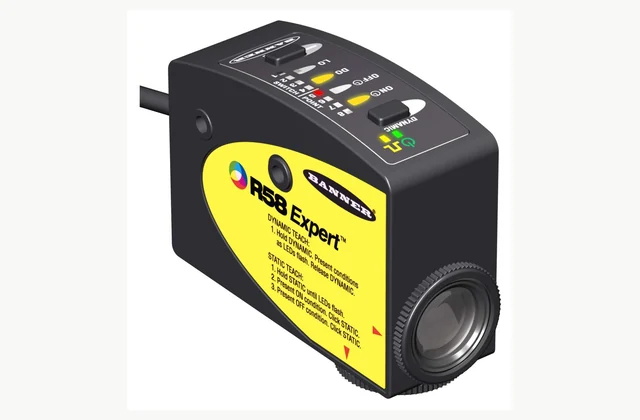
A color detection sensor distinguishes objects by reflected color information. The task differs from simple presence detection because illumination, surface finish and color variation affect the classification. Start with color sample set and allowed shade variation, then agree the configuration and the evidence required for acceptance.
A contrast mark sensor detects a registration mark against its surrounding material to synchronize a converting or packaging process. Repeatable edge detection matters more than identifying an absolute color. Start with printed mark and background and mark dimensions, then agree the configuration and the evidence required for acceptance.
A fiber optic sensor separates the optical sensing head from its amplifier using an optical fiber assembly. It supports confined or demanding sensing locations but requires the fiber and amplifier to be selected as a system. Start with target and detection mode and gap and position variation, then agree the configuration and the evidence required for acceptance.
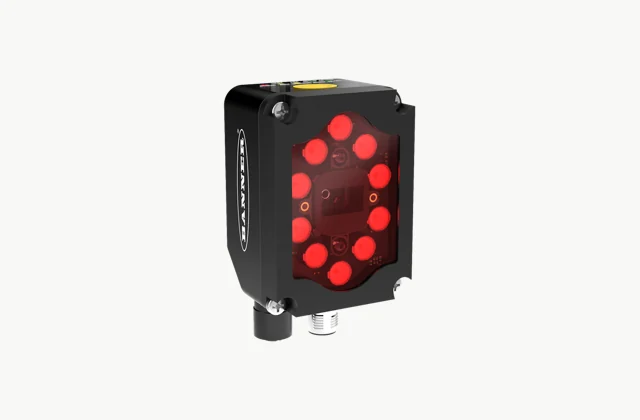
A fixed industrial barcode reader decodes moving or stationary identifiers for tracking and process control. Reading a code is separate from verifying that its content is correct for the part and process. Start with code symbology and size and printed or direct mark, then agree the configuration and the evidence required for acceptance.
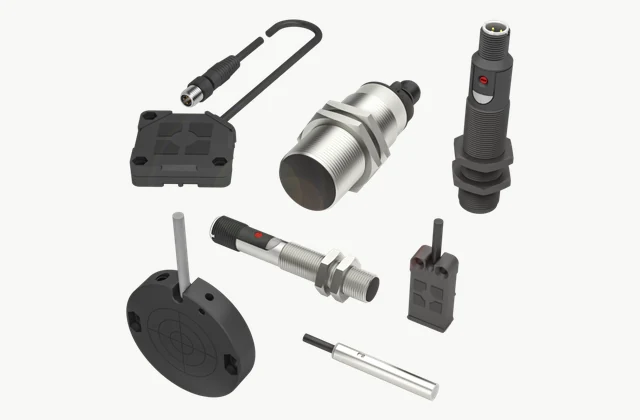
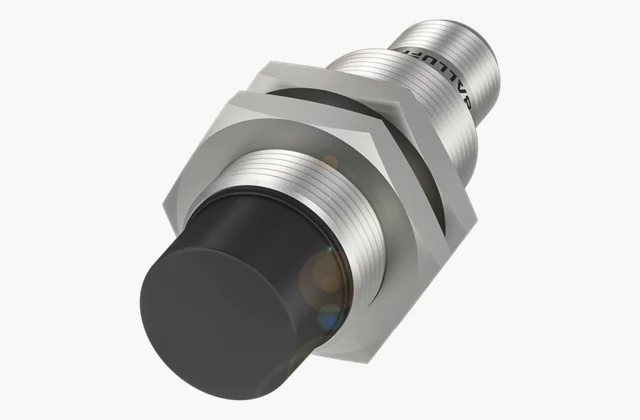
An inductive proximity sensor detects metallic targets without physical contact. Its useful switching distance depends on target material, geometry and installation, not simply the nominal catalogue range. Start with target metal and size and approach direction, then agree the configuration and the evidence required for acceptance.
An industrial RFID reader exchanges data with tags to identify assets or workpieces without an optical code view. The system requires a compatible tag, reader, antenna and data architecture. Start with tag and frequency and mounting material, then agree the configuration and the evidence required for acceptance.
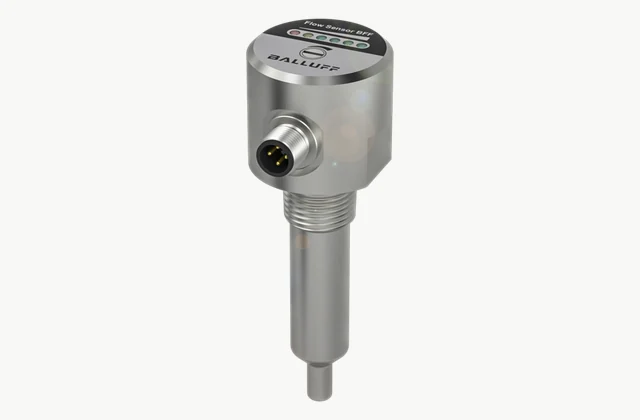
An industrial flow sensor measures or detects movement of a defined liquid or gas in a process line. Measuring principle and wetted materials should be selected for the actual medium. Start with fluid and composition and flow range and direction, then agree the configuration and the evidence required for acceptance.
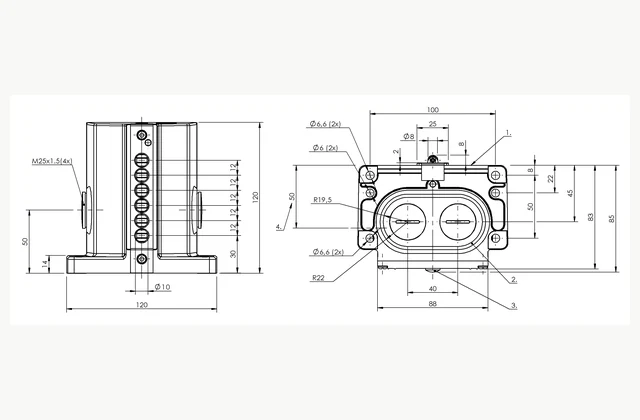
An industrial limit switch converts mechanical position into an electrical switching state through a lever, plunger or other actuator. The complete operating mechanism must suit the target motion. Start with target motion and cam and actuation speed, then agree the configuration and the evidence required for acceptance.
An industrial temperature probe couples a sensing element with a mechanical assembly suited to the process. Element accuracy alone does not establish the response and uncertainty of the installed measurement. Start with medium and temperature envelope and pressure, then agree the configuration and the evidence required for acceptance.
A laser displacement sensor measures a distance or dimensional change using reflected light. Surface reflectivity, angle and target structure determine whether the selected optical principle can produce stable results. Start with target surface samples and measuring distance, then agree the configuration and the evidence required for acceptance.
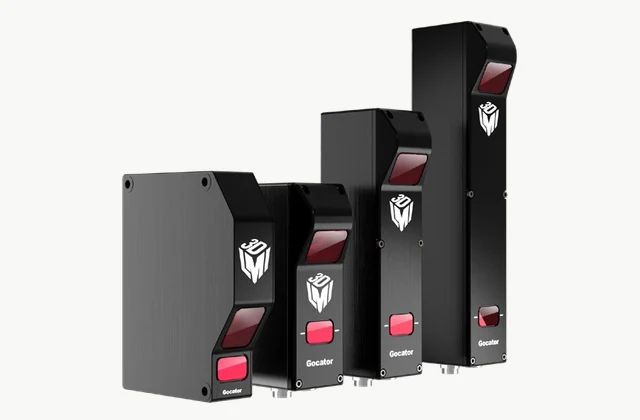
A laser profile sensor captures a cross-sectional height profile along a projected line. It supports shape, step or bead measurement when the optical geometry can view the features of interest. Start with profile drawing and width and height envelope, then agree the configuration and the evidence required for acceptance.
A linear position transducer measures travel along a defined axis for machine or cylinder feedback. The selected sensing technology and mechanical interface must suit the motion and environment. Start with required stroke and position and accuracy needs, then agree the configuration and the evidence required for acceptance.
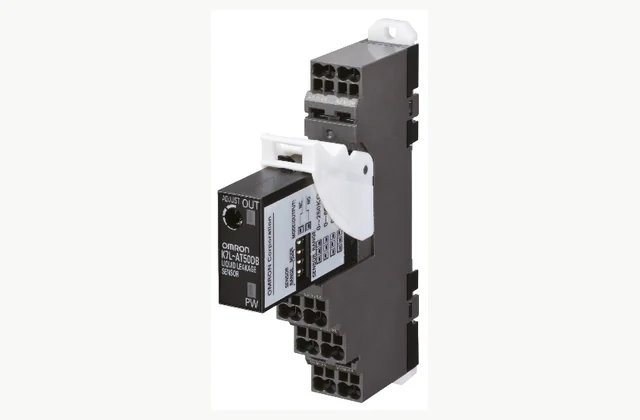
A liquid leakage sensor detects unintended liquid at a monitored location through a sensing cable, probe or other compatible method. Detection depends on the liquid and placement, not simply the length of installed cable. Start with liquid chemistry and conductivity and leak path, then agree the configuration and the evidence required for acceptance.
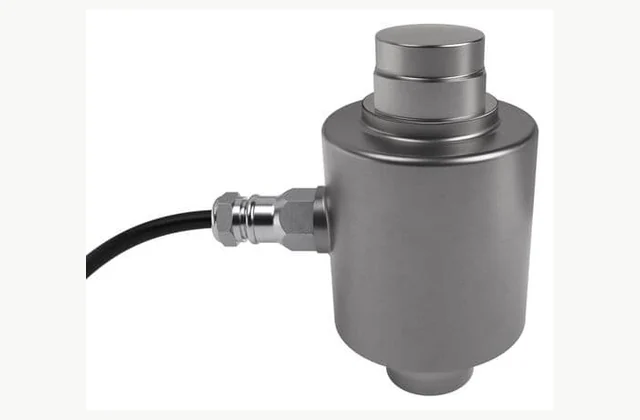
A load cell converts mechanical load into an electrical measurement used by a weighing or force system. Load introduction, restraints and signal conditioning are as important as the sensing element. Start with net range and dead load and minimum useful weight, then agree the configuration and the evidence required for acceptance.
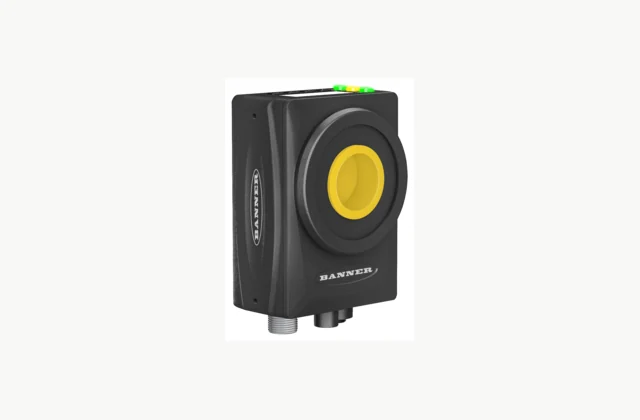
A machine vision camera acquires images for inspection, identification or guidance. A reliable application depends on optics, lighting, timing and a defined decision method as well as camera resolution. Start with part and defect samples and feature size and field, then agree the configuration and the evidence required for acceptance.
Share the application, required output, destination, utilities, quantities and planned timing. For OEM / ODM projects, include the branding, configuration or engineering changes, sample approval and acceptance requirements.
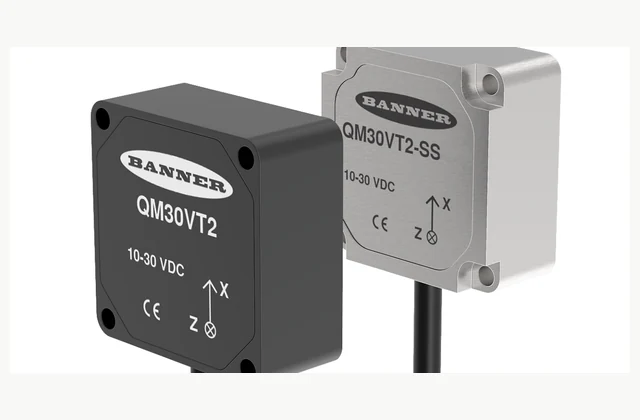
A comparable vibration condition sensor quotation starts with machine and failure mode, mounting point, operating speed range. Record the required result, site interfaces and acceptance evidence in one revision-controlled RFQ. IndustryApex engineers use these inputs to define the equipment, integration and OEM/ODM scope for your…
A comparable ultrasonic distance sensor quotation starts with target size and angle, distance and blind zone, air and vapor conditions. Record the required result, site interfaces and acceptance evidence in one revision-controlled RFQ. IndustryApex engineers use these inputs to define the equipment, integration and OEM/ODM…
A comparable rotary encoder quotation starts with speed and acceleration, position resolution, startup reference. Record the required result, site interfaces and acceptance evidence in one revision-controlled RFQ. IndustryApex engineers use these inputs to define the equipment, integration and OEM/ODM scope for your project.