METAL FABRICATION
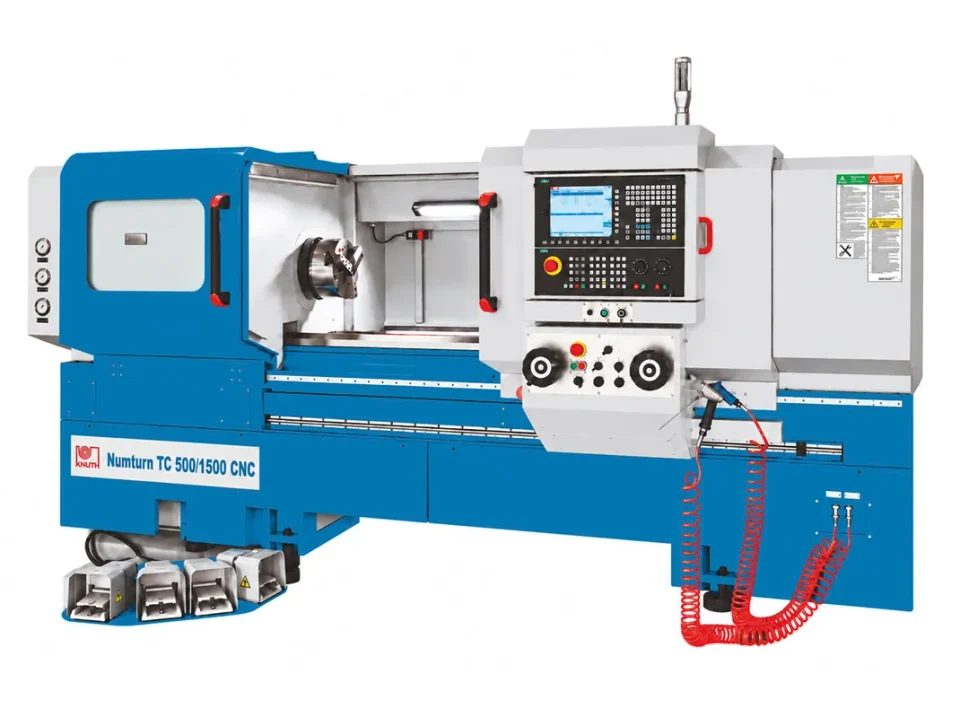
CNC metal lathe
Choose a CNC lathe around the finished part, chuck arrangement and real machining sequence.
Explore the buying guideReference: KNUTH Machine Tools Numturn TC 500/2000 CNC

Equipment category
Compare cutting, forming, machining and joining equipment around real workpieces, tolerances and accepted production output.
Choose a CNC lathe around the finished part, chuck arrangement and real machining sequence.
Explore the buying guideReference: KNUTH Machine Tools Numturn TC 500/2000 CNC
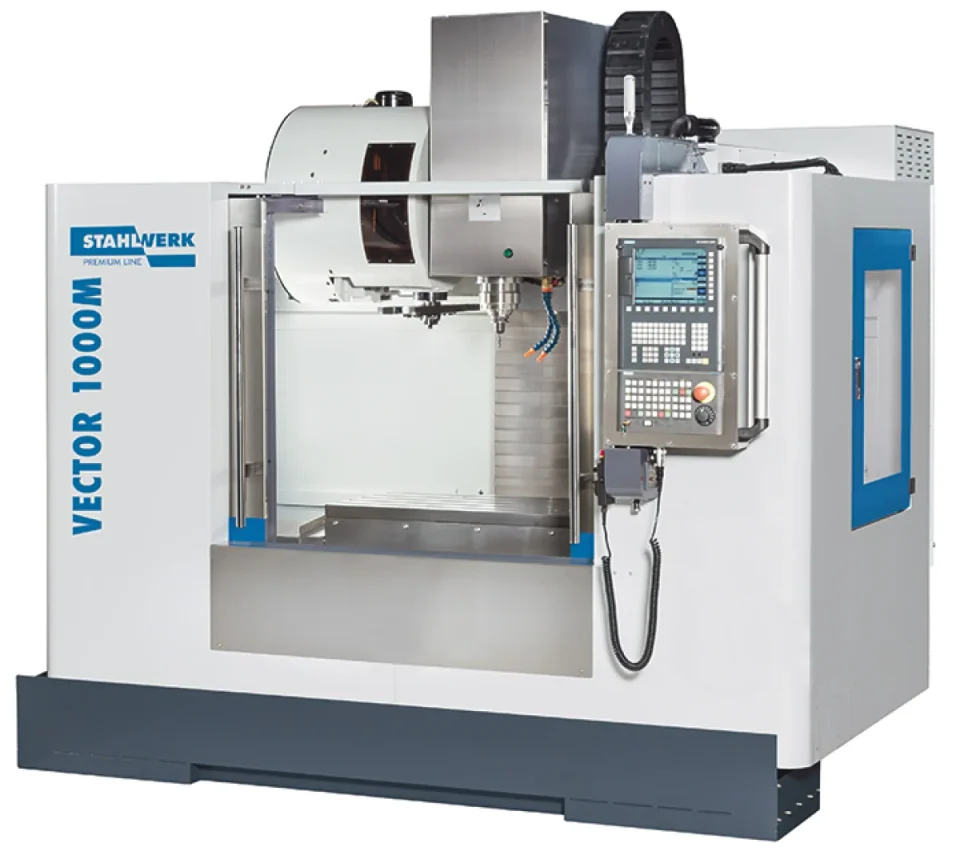
Define the part, fixture and tool set before comparing CNC machining-center travels.
Explore the buying guideReference: KNUTH Machine Tools Vector M series

Select a surface grinder through part flatness, workholding and finishing trials.
Explore the buying guideReference: Kent USA KGS-2460AHD

Choose deburring equipment through real cut parts, edge requirements and handling trials.
Explore the buying guideReference: Timesavers 32 Series Rotary Brush
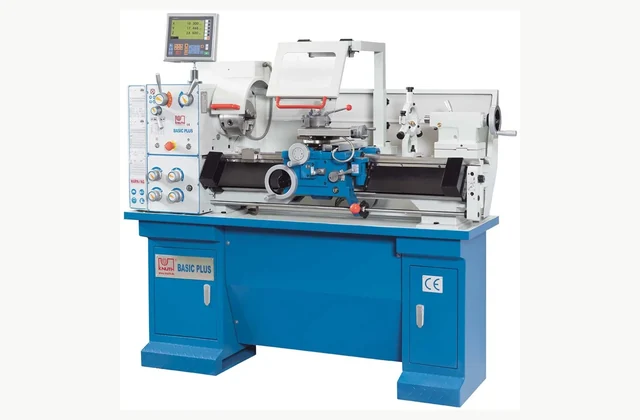
A conventional engine lathe supports manual or mechanically fed turning, facing and threading of rotational metal parts. It is a workshop and repair-machine choice distinct from an automatically programmed CNC production cell. Manual turning for repair and flexible jobs; operator controls distinguish it from CNC production turning.
Explore the buying guideReference: KNUTH Basic Plus
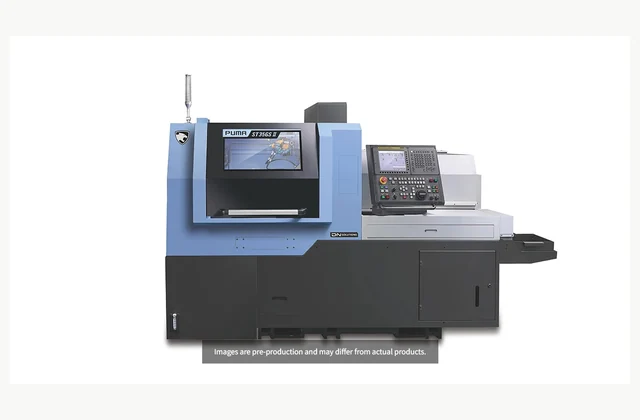
A Swiss-type turning machine feeds bar through a sliding headstock, commonly with close guide-bush support near the cutting point. It targets slender repetitive parts rather than simply duplicating a general chucking lathe. Guide-bush support for slender turned parts; stock and part geometry determine suitability.
Explore the buying guideReference: DN Solutions PUMA ST GS II
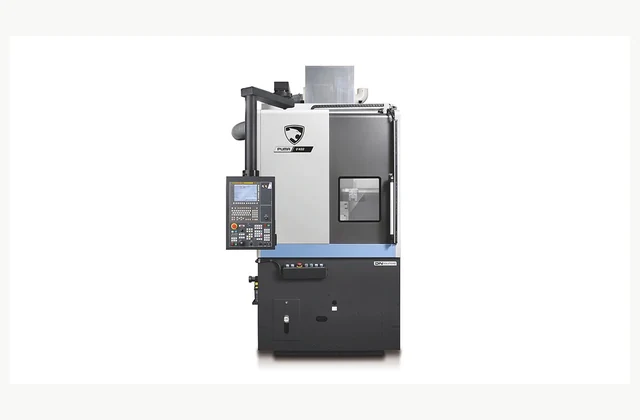
A vertical turning lathe supports a short heavy workpiece on a horizontal rotating table, improving loading for large-diameter parts. Its gravity-supported workholding is a distinct procurement case within the broader CNC turning family. Vertical spindle arrangement for heavy or large-diameter workpieces; compare loading and chucking.
Explore the buying guideReference: DN Solutions PUMA V400
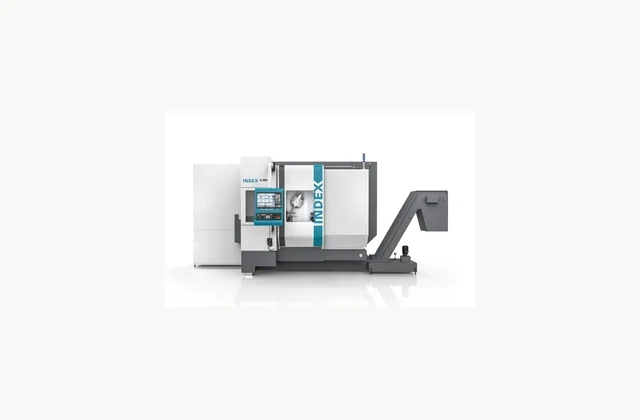
A mill-turn system combines turning with driven-tool milling and drilling to reduce handling between operations. Selection should prove completion of the intended component in the available clamping positions rather than count axes alone. Combines driven milling and turning in one workpiece strategy; assess access and transfer operations.
Explore the buying guideReference: INDEX G160
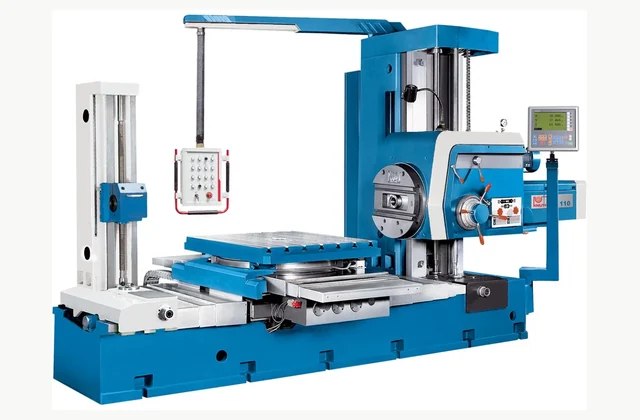
A horizontal boring mill machines large housings with a horizontal spindle and controlled table or column movement. Its extended boring access and multi-face alignment distinguish it from a compact general-purpose machining center. Bores and mills large housings; spindle reach, table loading and datums define the requirement.
Explore the buying guideReference: KNUTH BO 110
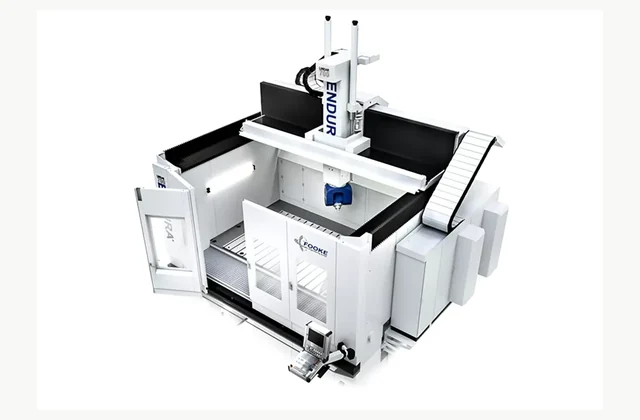
A gantry milling machine moves a bridge or spindle structure over a large work envelope for components, molds or tooling. A large travel specification is useful only when the part, fixture and cutting head can operate without interference. Large structural parts machined below a bridge; define component envelope and tool approach.
Explore the buying guideReference: FOOKE ENDURA 700LINEAR
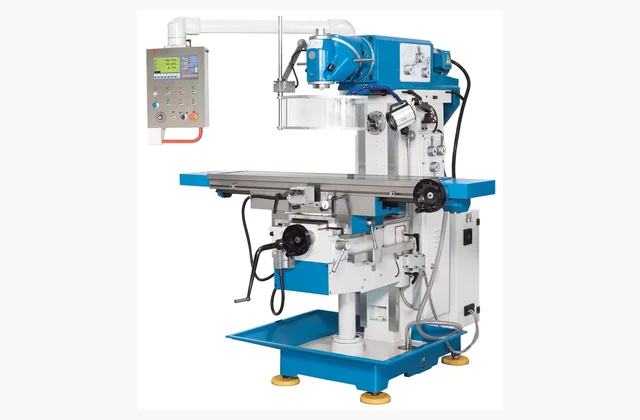
A universal toolroom mill supports flexible manual machining with suitable horizontal or vertical spindle arrangements. The guide focuses on low-volume tooling and repair setups rather than repeating a general CNC machining-center selection page. Flexible toolroom milling and angled setups; intended workflow differs from repetitive machining centers.
Explore the buying guideReference: KNUTH UWF 3.2
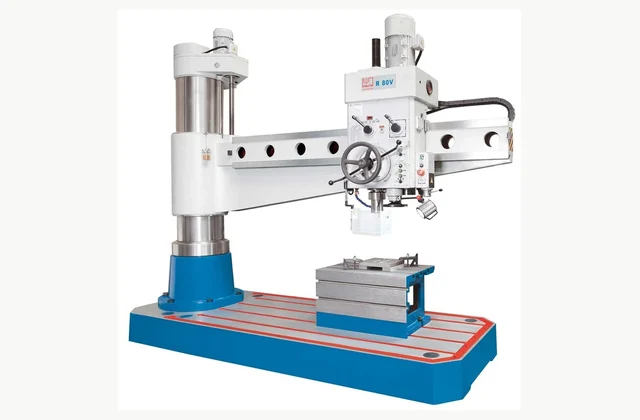
A radial drilling machine positions a drilling head along a swiveling arm while the heavy workpiece remains supported. It serves large-part hole making where moving the tool is more practical than repositioning the component. Positions a drilling spindle over stationary large workpieces; define reach and tool feed.
Explore the buying guideReference: KNUTH R-V
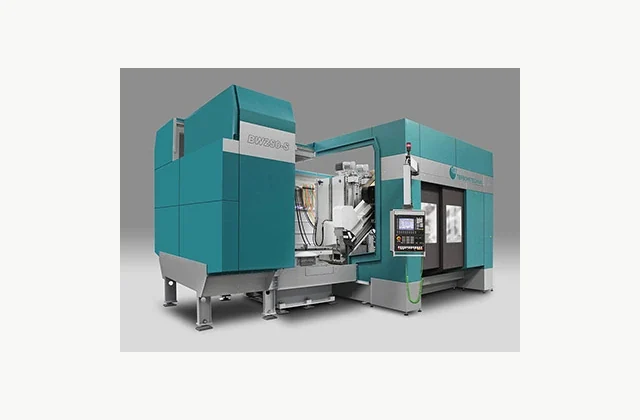
A deep-hole drilling machine controls tool guidance, coolant delivery and chip evacuation over a high depth-to-diameter process. Its acceptance case is the finished deep bore rather than a shallow drilling cycle on a general machining center. Dedicated long bores need chip evacuation and coolant management matched to depth and diameter.
Explore the buying guideReference: TBT BW250S
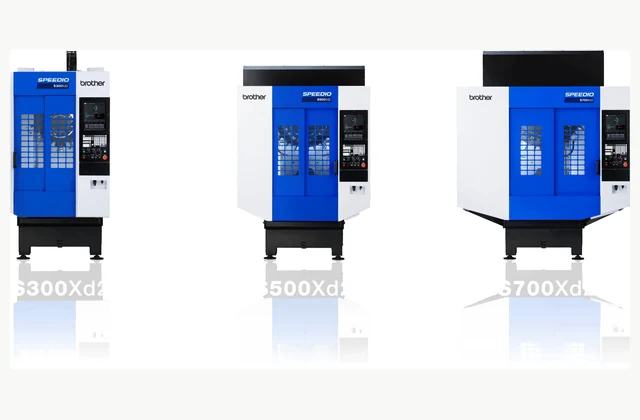
A CNC drilling and tapping center emphasizes repeated hole making, threaded features and short noncutting motions. This guide is scoped to hole-centric component production, preserving the broader machining-center guide for mixed heavy milling applications. Short-cycle drilling and threaded-hole production; define hole pattern and thread-quality evidence.
Explore the buying guideReference: Brother SPEEDIO S series
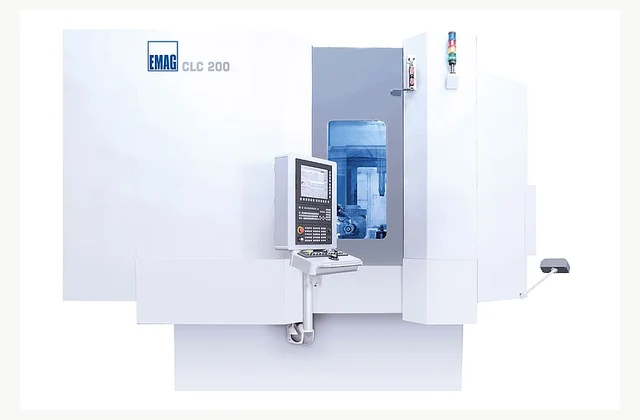
Gear hobbing generates teeth through synchronized rotation of the hob and workpiece. It is primarily an external-gear process, distinct from shaping an internal tooth form or finishing an already cut gear by grinding. Generates external gear teeth with a hob; gear data and tooling form the RFQ basis.
Explore the buying guideReference: EMAG CLC gear hobbing series
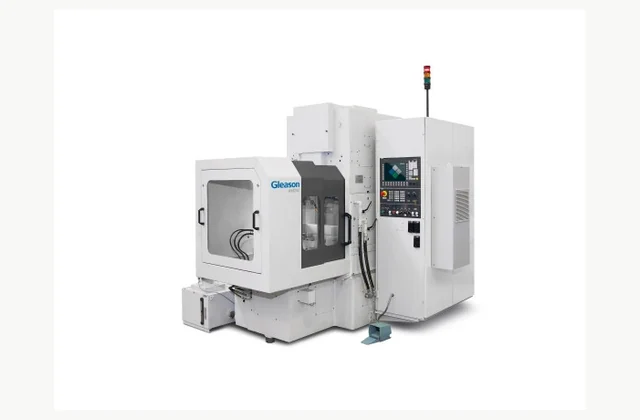
Gear shaping uses a reciprocating gear-shaped cutter synchronized with the workpiece to generate teeth. It is useful for internal gears and features near shoulders where hob access may be restricted. Cuts gear profiles with reciprocating tooling; internal geometry and shoulder access drive selection.
Explore the buying guideReference: Gleason AM250
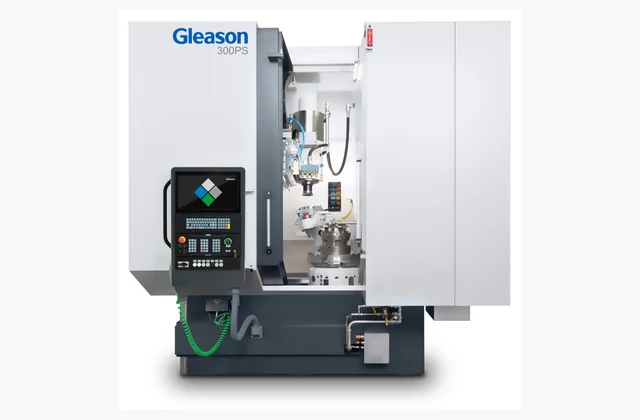
Power skiving generates internal or external teeth with synchronized tool and work spindles at crossed axes. It needs a collision-free approach and dedicated cutter geometry, rather than simply substituting a hobbing tool. Synchronised crossed-axis gear cutting; tooth form and collision clearance define its application.
Explore the buying guideReference: Gleason 300PS
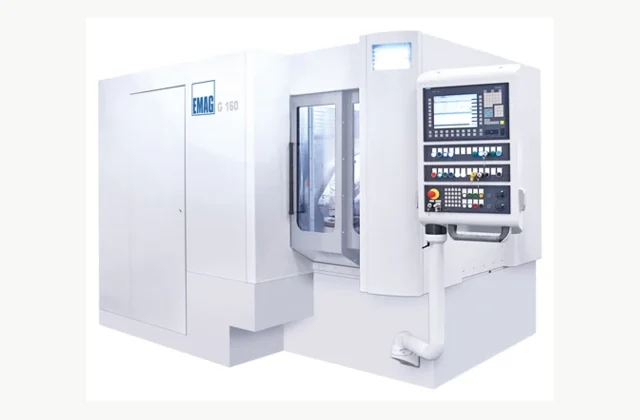
Gear grinding finishes hardened gear flanks with a generating worm or profile wheel. The selected process must preserve tooth geometry while removing the allowance left by cutting and heat treatment. Finishes hardened gear flanks; distinguish required gear quality from cutting-stage production.
Explore the buying guideReference: EMAG SU G 160
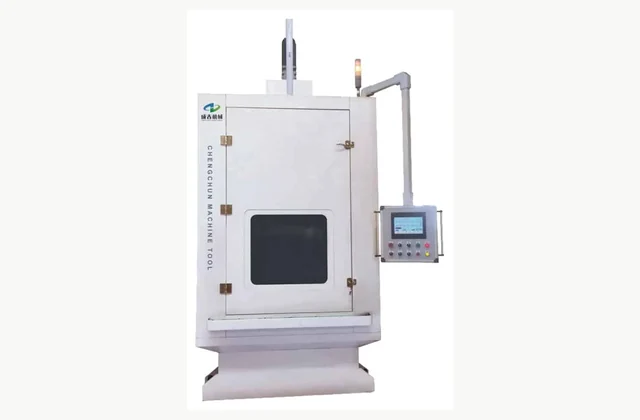
Broaching pulls or pushes a progressively toothed form tool through or across a part. The broach creates the required profile in a defined stroke, making tool access and repeat production central to the purchase. Uses a form broach for internal or external features; tooling and part transfer dominate the scope.
Explore the buying guideReference: ChengChun Automation Hydraulic vertical broaching machine
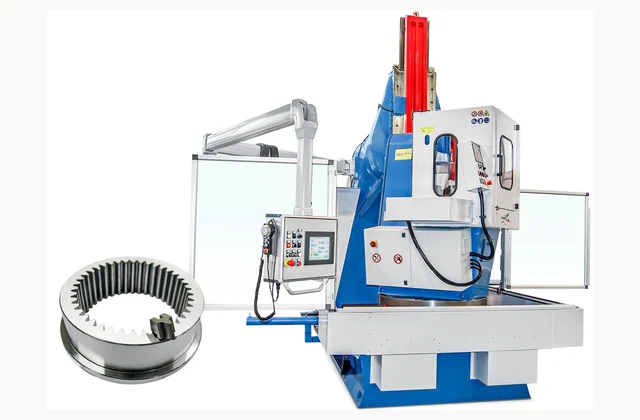
A slotter uses a reciprocating single-point tool to cut internal keyways or similar slots. Incremental feeding allows flexible low-volume work without committing to a long dedicated form broach. Cuts internal slots using a reciprocating single-point tool; differs from a dedicated form broach.
Explore the buying guideReference: CAMS Slotting machine
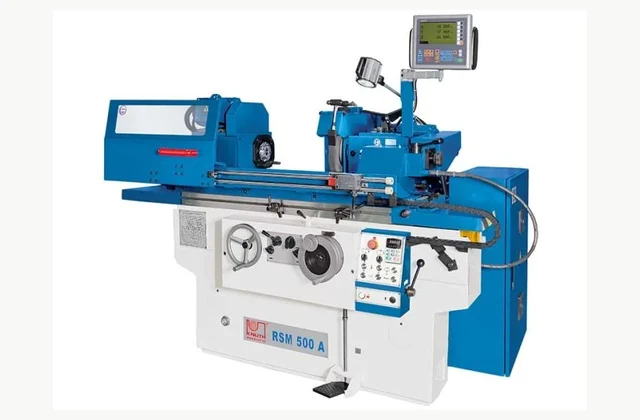
Cylindrical grinding finishes rotating external surfaces using a grinding wheel with work held between centers or in a chuck. Datums, slender-part support and thermal control determine whether the resulting shaft meets assembly requirements. Finishes external cylindrical surfaces; specify datum setup and accepted roundness.
Explore the buying guideReference: KNUTH RSM 500 A
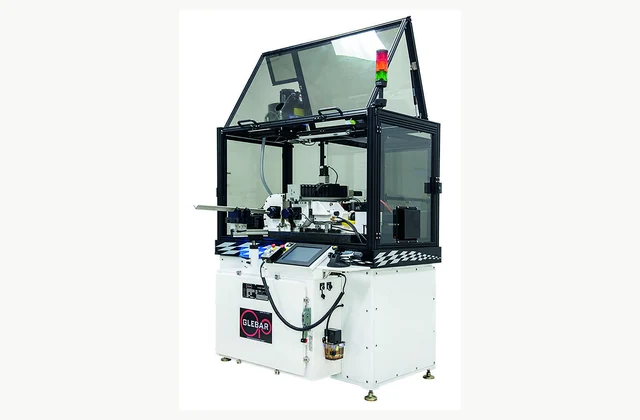
Centerless grinding supports a cylindrical workpiece on a rest blade between grinding and regulating wheels. Part rotation and feed come from the setup geometry rather than a pair of centers. Supports cylindrical stock without centers; feed method and workpiece stability govern the setup.
Explore the buying guideReference: Glebar / MMT GT-610 centerless grinder
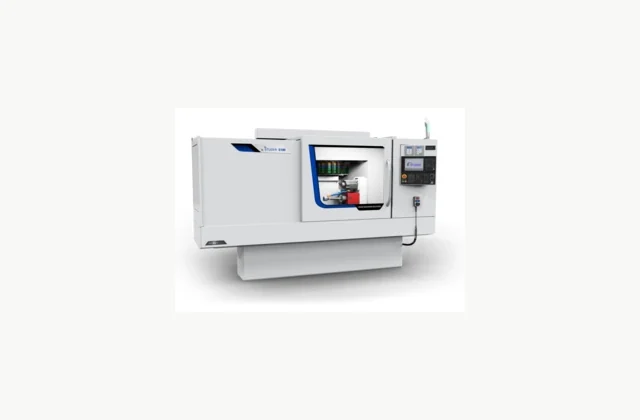
Internal grinding finishes bores using a small abrasive spindle while the component rotates or is indexed in a fixture. Tool access, quill stiffness and heat removal distinguish it from external shaft grinding. Finishes bores with internal abrasive tooling; access and bore geometry distinguish the process.
Explore the buying guideReference: STUDER S100

A tool grinder generates or resharpens cutting edges through coordinated multi-axis motion. Its value depends on reproducing the complete cutting geometry and inspecting the edge, rather than merely holding an overall diameter. Produces or resharpens cutting tool geometries; specify tool materials and inspection strategy.
Explore the buying guideReference: WALTER HELITRONIC MICRO
Build a comparable request
Share the application, required output, destination, utilities, quantities and planned timing. For OEM / ODM projects, include the branding, configuration or engineering changes, sample approval and acceptance requirements.
Practical buying decisions
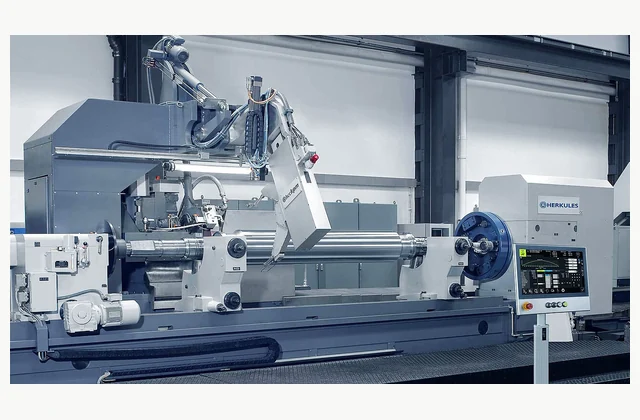
A comparable metal roll grinding machine quotation starts with metal roll grinding machine application and required process result, roll geometry and support, profile control and inspection. Record the required result, site interfaces and acceptance evidence in one revision-controlled RFQ. IndustryApex engineers use these inputs to…
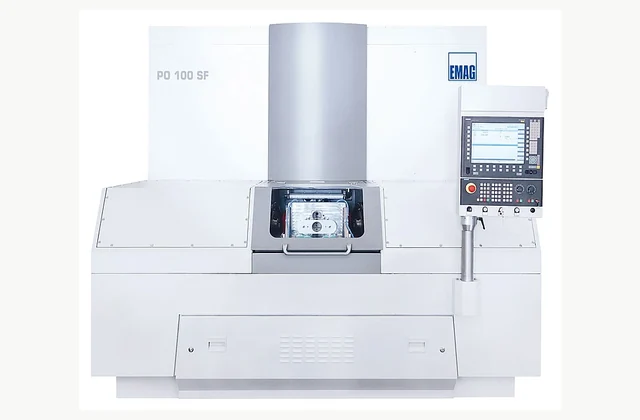
Read the guideA comparable electrochemical machining system quotation starts with electrochemical machining system application and required process result, material and cathode geometry, electrolyte gap and flow. Record the required result, site interfaces and acceptance evidence in one revision-controlled RFQ. IndustryApex engineers use these inputs to define the…
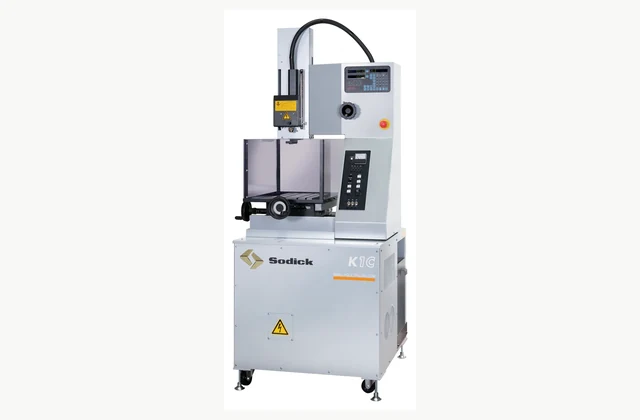
Read the guideA comparable EDM hole drilling machine quotation starts with EDM hole drilling machine application and required process result, hole geometry and electrode access, flushing and electrode consumption. Record the required result, site interfaces and acceptance evidence in one revision-controlled RFQ. IndustryApex engineers use these inputs…
Read the guide