
Define food-packaging compressed air from each actual use and contact risk. Coordinate flow and pressure with particle, moisture, oil and microbiological criteria where applicable. The buyer’s food-safety and engineering teams should set the targets and verification plan for the destination and process.
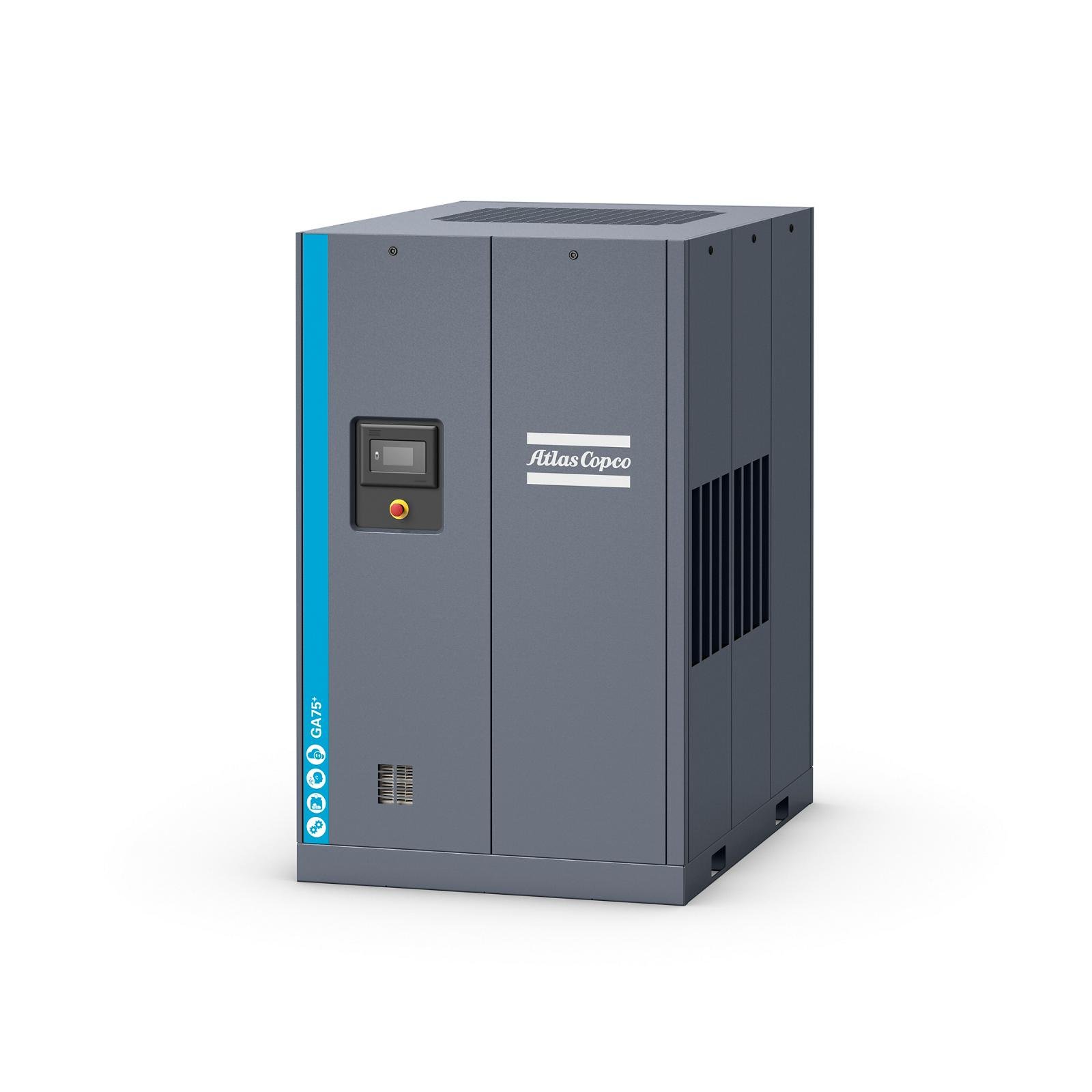
Shown as a configuration reference. Availability and the equipment offered for your project are confirmed separately.
Start with the production requirement
Map pneumatic actuators separately from air that contacts exposed food, containers or food-contact surfaces. Identify conveying, blowing, cleaning and any gas-generation uses. Existing piping and point-of-use treatment belong in that map. Send the packaging machine’s demand data and the process requirements to the air-system supplier together, with clear responsibility for defining purity targets and checking the delivered result.
Download equipment RFQ checklist ↗ · Discuss this application on WhatsApp ↗
Shown as a configuration reference. Availability and the equipment offered for your project are confirmed separately.
Compare the application details
| Decision | Specify | Evidence to request |
|---|---|---|
| Contact map | Every use, connection point and contact with product/surfaces | Reviewed process drawing and use descriptions |
| Capacity | Simultaneous flow and minimum pressure at each line | Machine data and measured demand |
| Quality | Defined contaminant targets for identified points of use | Food-safety requirements and sampling plan |
| System | Compressor, treatment, piping, drains and local treatment | Matched design and maintenance scope |
| Verification | Sampling, alarms, retests and operating conditions | Commissioning records and assigned responsibilities |
What the published references establish
For applicable US food operations, 21 CFR 117.40(g) addresses treatment of gases introduced into food or used to clean food-contact surfaces/equipment. It does not prescribe a universal ISO purity class or an oil-free requirement for every packaging use. Atlas Copco’s application examples distinguish automation and contact uses. Destination and process requirements must be resolved by the responsible teams.
Use a representative acceptance trial
Set sampling locations, methods, operating conditions and responsibility before commissioning. Check the air system and packaging line together under representative demand. Preserve the stated purity evidence, pressure and flow results, maintenance procedures and retest plan. A compressor architecture or a single certificate should not replace the agreed point-of-use verification across the treatment and distribution system.
Prepare a focused quotation request
- Food product and destination country, buyer audit or customer specifications
- Map of every use: isolated pneumatic actuator, exposed-food contact, container cleaning, conveying or gas generation
- Measured simultaneous flow and point-of-use pressure for each packaging line
- Food-safety team's defined particle, moisture, oil and microbiological criteria where applicable
- Sampling points, methods, operating conditions, laboratory responsibility and retest frequency
- Compressor architecture, treatment train, distribution piping and point-of-use treatment
- Drain, filter replacement, cleaning and maintenance procedures with assigned responsibility
- Commissioning records, purity evidence and alarm or monitoring requirements
- Treatment or line downtime, spare consumables and service access
- Existing equipment datasheets and air quality results, avoiding confidential production information
For OEM / ODM requests, add the branding, packaging, configuration or engineering changes you need, initial and annual quantities, target market and sample approval criteria. Scope, feasibility and commercial terms are confirmed for the specific project.
Download equipment RFQ checklist ↗ · Discuss this application on WhatsApp ↗
Related buying decisions
- Compare the air-treatment package ↗
- Prepare simultaneous-demand data ↗
- Define the packaging equipment project ↗
Explore the Screw air compressor buying guide and RFQ checklist ↗
Frequently asked questions
Must every food packaging machine use an oil-free compressor?
There is no single answer for every destination and use. Map whether the air contacts product or food-contact surfaces, then have the responsible food-safety and engineering teams define architecture, treatment, verification and applicable requirements.
Which ISO 8573 class should I put in the RFQ?
Request the targets determined for the actual points of use, including particles, moisture and oil, plus microbiological criteria where applicable. Specify how they will be measured. Do not copy one manufacturer example as a universal food-packaging class.
Can clean air at the compressor prove quality at the packaging machine?
The complete system matters. Treatment, drains, distribution and point-of-use conditions can affect the delivered result. Define sampling at the relevant use points and under representative operating conditions.
How should the compressor and packaging suppliers coordinate?
Share each line’s flow, pressure, simultaneous duty and contact-use map. Assign responsibility for treatment, piping, verification and commissioning interfaces. Compare the complete installation scope and evidence rather than separate machine labels.
Reference information
- eCFR — 21 CFR 117.40, Equipment and utensils, paragraph (g)
- Atlas Copco Australia — Food & beverage, compressed-air applications
Reference data and images explain equipment configurations. IndustryApex engineers confirm the offered model, specification and commercial scope in your project quotation.