
VSD is a candidate for changing air demand; fixed speed can suit stable duty. Compare each configuration against measurements and the complete system.
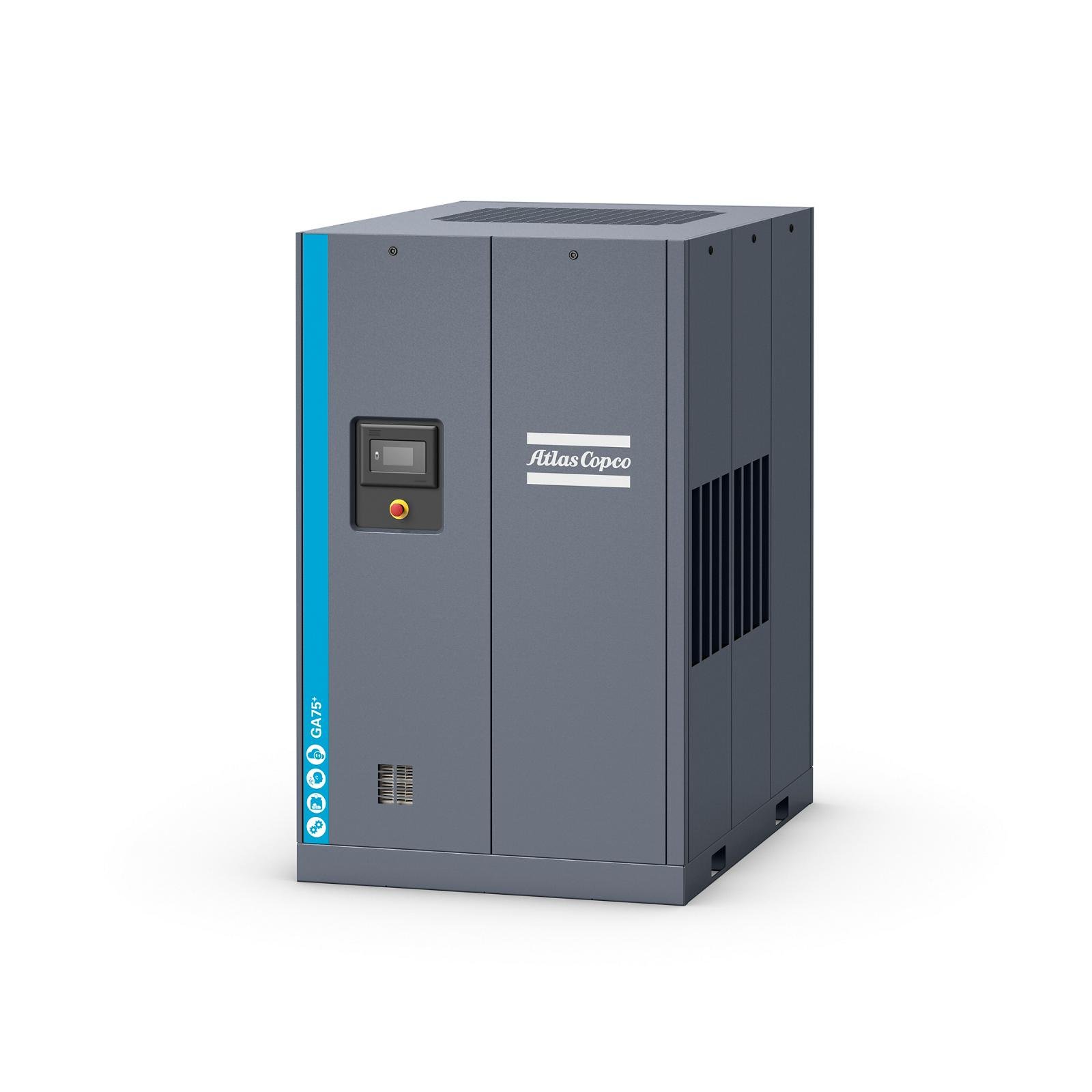
Shown as a configuration reference. Availability and the equipment offered for your project are confirmed separately.
A variable-speed screw compressor deserves evaluation when air demand changes, while steady duty requires its own package comparison. Calculate electricity cost from measured operating conditions and the control strategy. Ask suppliers to evaluate the same demand record; generic saving percentages are not project evidence.
Download equipment RFQ checklist ↗ · Discuss this application on WhatsApp ↗
Shown as a configuration reference. Availability and the equipment offered for your project are confirmed separately.
Consider a VSD screw compressor when air demand changes substantially, and a fixed-speed machine when duty is stable. Confirm the decision using your demand profile, the machine’s operating range and complete system costs. Neither control type has a universal saving or payback that can be applied to every factory.
Understand the control difference
A variable-speed drive changes motor speed within the compressor’s designed range. A fixed-speed machine uses its specified controls to manage production while the motor operates at a fixed running speed. Atlas Copco’s comparison explains the relevance of variable demand and stable demand when evaluating the two approaches. Its product claims should not be assumed for a different supplier’s equipment.
Start by recording representative shifts, weekends and shutdown periods. Capture pressure, flow, compressor status and package power where available. Note planned equipment additions and processes that require stable pressure. Separate demand from leaks and avoidable air uses before treating all measured flow as necessary production demand.
Compare operating points, not labels
| Comparison | What to request |
|---|---|
| Required duty | Performance at your pressure and normal flow |
| Low demand | Minimum continuous flow and control behavior below it |
| Power | Total package input at relevant full and partial loads |
| System controls | Sequence with existing machines and receiver storage |
| Support | Drive, controller and compressor service route |
CAGI provides different data-sheet formats for fixed-speed and variable-frequency-drive rotary compressors. Ask for the applicable data on the exact model. Check rated pressure, units and test basis. A full-load figure by itself will not describe the energy cost of a machine spending much of its time at another operating point.
Account for the existing system
If multiple compressors feed one network, request a sequencing plan. A mix of fixed-speed base-load capacity and variable-speed trimming may be a candidate, but the right arrangement depends on actual demand, control compatibility and backup needs. Ask how compressors avoid working against each other and how maintenance outages will be handled.
Air storage, piping, pressure loss and treatment also influence performance. The Australian Government’s guidance addresses demand measurement and system improvements. Use a system review to distinguish a control upgrade from maintenance or distribution work that should be done alongside it.
Build a transparent cost scenario
Compare purchase price, treatment, installation, service and drive-related parts. Calculate electricity from package power at the relevant operating points multiplied by the hours spent there and the local tariff. Show the demand assumptions. If you calculate payback, use the difference in complete project costs and documented annual savings; treat the result as a scenario until site measurements confirm it.
Require an explanation when a supplier quotes a saving percentage. Ask what baseline machine, pressure, load profile, operating hours and electricity price were used. An estimate from another factory cannot replace your measurements.
Questions and inquiry fields
- Send pressure, airflow units, shift schedule, demand logs and current compressor details.
- Include electrical supply, air quality, ambient conditions, destination and budget.
- Ask: what happens below the VSD’s minimum flow?
- Ask: what test data supports the offer at our operating points?
- Ask: who supports the drive and controls locally, and how is backup provided?
IndustryApex supplies industrial equipment with professional engineering support. IndustryApex engineers can review the control strategy and air-system requirements with you and coordinate configuration-specific manufacturer confirmation.
Download equipment RFQ checklist ↗ · Discuss this application on WhatsApp ↗
Explore the Screw air compressor buying guide and RFQ checklist ↗
Frequently asked questions
When is a VSD screw compressor worth considering?
Consider it when demand varies and the proposed machine can efficiently cover that operating range. Validate package performance, system controls and total cost against representative site measurements.
How much electricity will a VSD compressor save?
There is no universal percentage. Compare package power across your measured load profile, pressure and operating hours with a clearly defined baseline.
Can VSD and fixed-speed compressors operate together?
They can be considered as part of a multi-compressor system. Request a sequencing plan covering normal duty, low demand, receiver storage and backup operation.
Reference information
- Atlas Copco: VSD versus Fixed Speed
- CAGI: Compressor Performance Verification and Data Sheets
- Australian Government: Compressed Air System Guidance
Reference data and images explain equipment configurations. IndustryApex engineers confirm the offered model, specification and commercial scope in your project quotation.