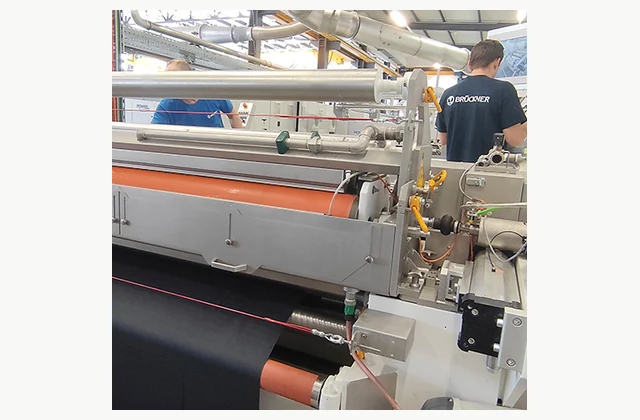
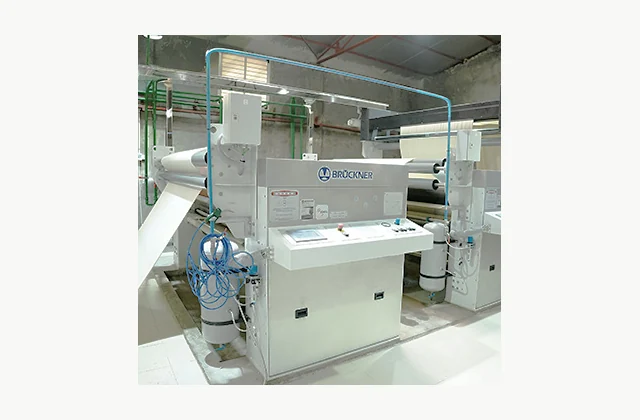
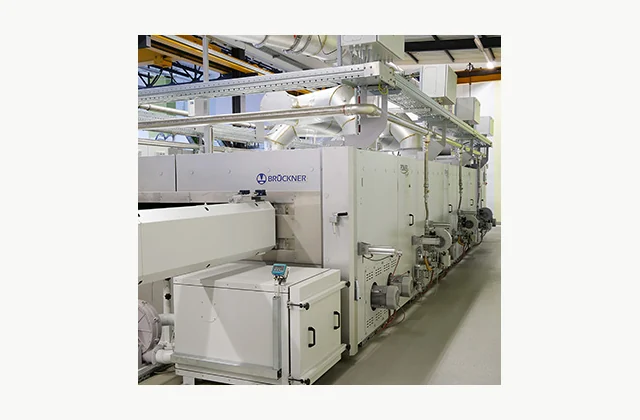
Plan a continuous fabric dyeing range from fiber, dye system and the full preparation-to-finish route. Match application, drying, fixation and washing responsibilities, then assess saleable fabric shade and fastness with representative production lengths rather than treating every dye chemistry as interchangeable.
Select a digital textile printer from the fabric, ink and finishing route. For a direct-to-fabric belt system, specify transport and pretreatment alongside print quality, then verify saleable output after fixation and any washing required by the chosen ink chemistry.
Specify a fabric calender from the desired surface, density and handle. Match roll arrangement, nip control, heat and web handling to representative fabric, keeping mechanical fabric finishing distinct from sublimation ink transfer and verifying the result after the agreed conditioning or washing process.
Choose a fabric relaxation dryer from wet load, fabric sensitivity and required residual shrinkage. Specify low-tension handling, moisture removal and relaxation behavior together, then evaluate dimensions and handle after the prescribed conditioning and care tests rather than compare chamber temperatures alone.
Specify a fabric sanforizing range around the required residual shrinkage of woven fabric. Match conditioning, compressive shrinking and drying or stabilization stages, then test finished dimensions after the agreed washing method with representative constructions and documented process settings.
Plan a textile coating line from the coating chemistry, fabric and required functional layer. Define application, drying or curing and web handling as one process, keeping a reference coating module distinct from a complete supplied line with all utility and environmental equipment.
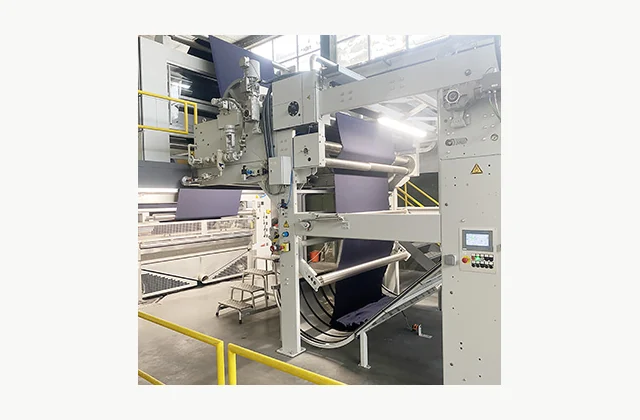
Choose a textile compactor from knitted fabric form, dimensional targets and required handle. Match conditioning, overfeed, compaction and collection, then evaluate residual shrinkage and surface appearance after the agreed care test rather than accepting width or mass readings alone.
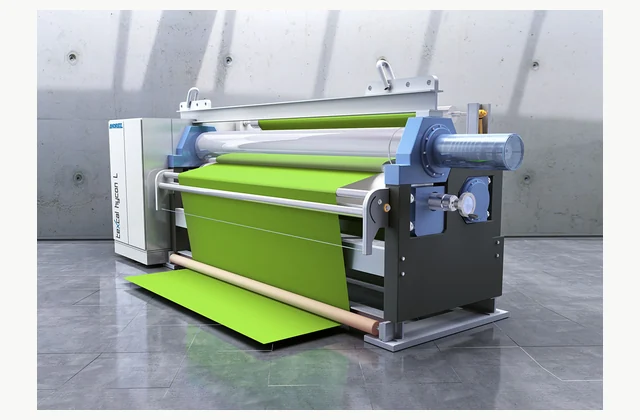
Specify a textile padder from the liquor, fabric and required wet pickup. Match bath management, roll loading and web handling, then verify application uniformity with the actual material rather than treat a nip-pressure setting as evidence of consistent chemical add-on.
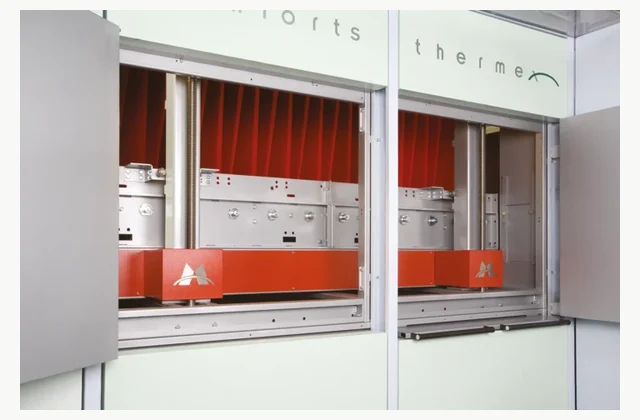
Plan a textile stenter from fabric construction and the required drying, heat-setting or curing process. Specify edge holding, working width, overfeed and thermal conditions together, then verify dimensions and finished properties on representative material rather than compare chamber count alone.
Specify a textile sublimation transfer calender from the printed transfer material, compatible textile and part-handling route. Match heat exposure, blanket pressure and tension, then evaluate final color and registration after cooling rather than rely on drum temperature or paper throughput alone.
Share the application, required output, destination, utilities, quantities and planned timing. For OEM / ODM projects, include the branding, configuration or engineering changes, sample approval and acceptance requirements.
A comparable textile sublimation transfer calender quotation starts with substrate/fiber, ink/paper, compatibility instructions and complete transfer samples, roll/cut-piece route, alignment method, feed tables and collection package, temperature verification, working width, contact path, dwell and loading pattern. Record the required result, site interfaces and acceptance evidence…
A comparable textile stenter quotation starts with fabric properties, dry/heat-set/cure duty and approved thermal process window, pin/clip choice, width range, selvedge condition, edge loss and entry devices, tension/overfeed, bow/skew correction, width and longitudinal-dimension targets. Record the required result, site interfaces and acceptance evidence in one…
A comparable textile padder quotation starts with fabric properties, absorbency, liquor instructions, viscosity/solids and temperature, bath/application arrangement, circulation, filtration, concentration control and preparation boundary, roll covers/hardness, loading system, working width and chemical compatibility. Record the required result, site interfaces and acceptance evidence in one revision-controlled…