AUT / 01OEM / ODM review
Automatic threaded insert installation system
Install metal threads into molded plastic components with a controlled insertion operation.
Key decisions
View specifications↗Insert feeding, temperature and insertion depth.

IndustryApex · Engineering-led equipment supply
Find the equipment, interfaces and acceptance criteria for your next production project. Start with the result you need.

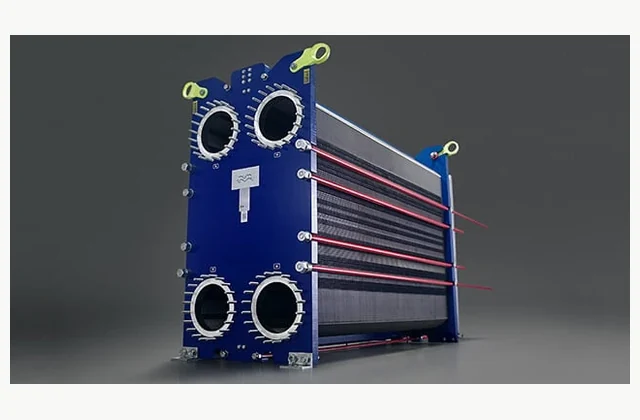
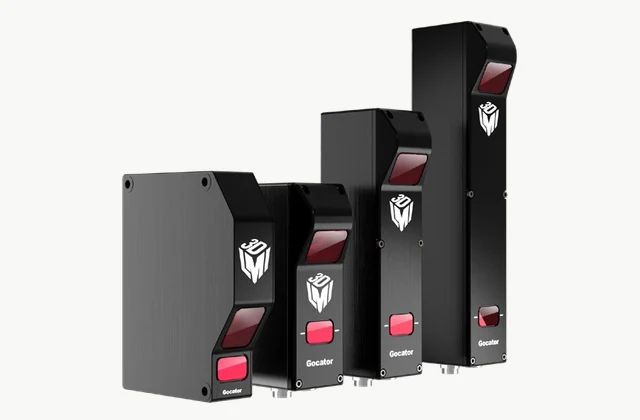
Related equipment references. The complete configuration is confirmed for your project.
Choose your application
The system library
Try a broader equipment or process term, or describe the application to our team.
Ask for an engineering review ↗01 / 18 system families
Connect handling, joining and assembly.
Install metal threads into molded plastic components with a controlled insertion operation.
Insert feeding, temperature and insertion depth.
Combine several assembly operations around an indexed rotary platform.
Station balance, product variants and reject segregation.
Feed and install locating pins into industrial metal or plastic assemblies.
Pin orientation, fit and insertion force.
Inspect the geometry and continuity of an applied adhesive or sealant bead.
Bead continuity, position and curing window.
Integrate bearing presentation, fitting and assembly checks into a production line.
Component matching, assembly force and runout.
Measure rotor unbalance and integrate an approved correction operation.
Residual unbalance, correction route and takt.
Insert prepared windings into stator slots while preserving the specified insulation system.
Slot geometry, insulation protection and changeover.
Automate selected terminal, connector and wire-handling stages of harness production.
Connector variants, routing and continuity verification.
Handle cells and assemble a battery module within a defined production boundary.
Cell handling, insulation checks and traceability.
Meter and place adhesive as one controlled stage of component assembly.
Rheology, dose, positioning and cure conditions.
Present components in trays and transfer them to or from a production machine.
Tray datum, nesting and replenishment.
Connect tool identification and presetting records with controlled transfer to production.
Tool identification, offsets and machine interface.
Place preformed gaskets into a defined component or groove.
Gasket stretch, orientation and presence detection.
Control contact between a robot-carried finishing tool and the work surface.
Surface finish, contact force and dust extraction.
Assemble valve components and adjust a defined functional setting.
Seal handling, adjustment and functional test.
Assemble pneumatic fittings with controlled seal and thread engagement.
Thread quality, seals and leak-test sequence.
Insert and bond magnets into a rotor or another engineered assembly.
Magnet orientation, adhesive application and retention verification.
Mate connectors using alignment and force feedback within an assembly station.
Connector alignment, insertion force and latch verification.
02 / 198 system families
Define the evidence behind an accepted part.
Measure component features with complementary tactile and optical sensors.
Datum strategy, access and measurement uncertainty.
Measure surface topography and step features using optical interferometry.
Surface reflectivity, step height and vibration.
Measure distance or thickness using confocal chromatic sensing where optical interfaces permit.
Layer interface, optical access and calibration.
Evaluate roundness, cylindricity and related rotational form characteristics.
Part datum, rotary accuracy and probe strategy.
Measure defined gear-tooth geometry and report the required deviations.
Tooth geometry, datum and evaluation method.
Integrate helium leak detection with a suitable fixture or chamber test.
Leak-rate criterion, chamber method and background.
Verify selected electrical and functional conditions at the end of module assembly.
Test sequence, isolation and data traceability.
Test motor electrical condition and specified functional operating points at production release.
Load profile, electrical tests and thermal condition.
Measure gearbox noise and vibration under defined operating and loading conditions.
Load spectrum, background noise and order analysis.
Characterize valve flow and leakage at agreed test conditions.
Medium, pressure range and acceptance method.
Measure visible weld-bead profile during or after a joining operation.
Seam geometry, surface finish and line speed.
Assess the centering of optical elements relative to defined mechanical or optical references.
Optical axis, fixturing and centering tolerance.
Inspect internal features or defects through industrial X-ray computed tomography.
Part material, resolution and reconstruction needs.
Check connector pin assignment and specified electrical characteristics in a repeatable fixture.
Pin map, contact resistance and test coverage.
Grade printed or marked codes and verify their link to product identity.
Code quality, aggregation and data retention.
Apply a defined cyclic pressure duty to assess component endurance.
Pressure waveform, medium and cycle definition.
Measure cell impedance under controlled conditions and sort identified cells into agreed groups.
Test conditions, cell identification and sorting criteria.
Combine specified leak and electrical checks for a fuel-cell stack.
Gas boundary, test sequence and stack traceability.
Evaluate hydrogen-service components using a qualified pressure-test specification.
Test medium, pressure boundary and qualified test responsibility.
Present power semiconductor modules to an electrical test system under controlled conditions.
Device contact, thermal conditions and electrical test coverage.
Align optical interfaces while measuring the performance of a photonic module.
Optical interface, alignment objective and test repeatability.
Measure heat behavior of battery samples in an appropriately engineered test environment.
Sample condition, heat measurement and laboratory safeguards.
Inspect selected conformal-coating features on populated circuit boards.
Coating visibility, defect library and coverage evidence.
Measure hydraulic-pump performance at specified operating points.
Fluid condition, operating points and measurement uncertainty.
Evaluate leakage through valve external sealing boundaries using an approved emissions test method.
Test procedure, medium and evidence requirements.
Inspect composite pressure-vessel material using a selected nondestructive method.
Defect definition, material response and qualified evaluation.
Map internal acoustic indications in water-compatible components using automated ultrasonic scanning and position-linked C-scan records.
Acoustic access, reference defects and scan coverage.
Inspect conductive tube surfaces during production using eddy-current probes, encircling coils and position-linked defect records.
Tube geometry, material response and calibrated defect sensitivity.
Measure optically accessible layers and interfaces in transparent or partly transparent industrial materials using optical coherence tomography.
Optical penetration, layer interfaces and imaging repeatability.
Measure coating thickness and composition on suitable coated parts using X-ray fluorescence and a calibrated material model.
Coating stack, substrate composition and calibration references.
Measure surface vibration without a contact accelerometer and scan multiple positions to build a vibration response map.
Surface response, frequency range and measurement geometry.
Apply controlled mechanical vibration to mounted products for development or qualification against an agreed test profile.
Specimen mass, fixture dynamics and approved vibration profile.
Expose test articles to a defined combination of vacuum and thermal conditions for environmental verification.
Thermal boundary, vacuum performance and specimen instrumentation.
Test electric axle assemblies under controlled mechanical load while measuring electrical, torque, speed and thermal behavior.
Driveline interfaces, load map and thermal conditions.
Capture electroluminescence images of photovoltaic modules to evaluate electrically excited cell and interconnection patterns.
Module electrical interface, image quality and defect criteria.
Characterize solar-cell spectral response and external quantum efficiency using calibrated illumination and electrical measurement.
Spectral calibration, device geometry and measurement conditions.
Detect and map wafer surface indications for process monitoring using a defined optical inspection recipe.
Wafer surfaces, defect classes and inspection sensitivity.
Evaluate near-surface residual stress in suitable crystalline materials using X-ray diffraction and an application-specific analysis method.
Material phase, accessible geometry and stress evaluation method.
Generate and detect ultrasound optically for an agreed material inspection task.
Material attenuation, surface condition, geometry, target discontinuities, scan access and reference specimens.
Identify deformation patterns under controlled excitation in suitable bonded or composite structures.
Layup, bond geometry, surface finish, excitation method, inspection area and representative reference defects.
Evaluate suitable nonconductive coating layers using terahertz measurements.
Layer materials, expected thickness, curvature, substrate response, scan speed and reference cross-sections.
Image acoustic interfaces within suitable electronic packages and bonded components.
Package materials, acoustic penetration, target interfaces, coupling compatibility and reference delaminations.
Inspect suitable ferromagnetic parts for surface and near-surface indications.
Material, part geometry, defect orientations, handling sequence, demagnetization and inspection procedure.
Process suitable nonporous components through a controlled penetrant inspection sequence.
Surface finish, part geometry, material compatibility, cleaning sequence, dwell requirements and inspection conditions.
Screen accessible pipe sections using guided ultrasonic waves and position-related indications.
Pipe size, supports, coatings, contents, access points, attenuation and reference discontinuities.
Capture transient acoustic activity during an agreed structural loading or monitoring program.
Structure, loading history, sensor placement, propagation paths, noise sources and evaluation procedure.
Screen suitable ferromagnetic tank floors for material-loss indications.
Plate thickness, coatings, corrosion morphology, floor access, weld zones and reference defects.
Capture digital radiographs for a qualified weld or casting inspection procedure.
Material thickness, weld geometry, detector access, image-quality references, positioning and qualified radiation provisions.
Observe thermal response to synchronized excitation for suitable material or bond inspection.
Material stack, thickness, surface emissivity, excitation method, reference defects and camera geometry.
Track conductivity-related distributions inside a process vessel using an engineered electrode arrangement.
Vessel geometry, phase conductivities, electrode compatibility, mixing dynamics and reconstruction requirements.
Image suitable specimens at high magnification using an electron-beam microscopy workflow.
Materials, conductive treatment, feature size, analytical options, specimen dimensions and laboratory utilities.
Combine localized ion-beam preparation and electron imaging for material cross-section investigation.
Target features, material stack, cross-section objective, sample mounting and contamination constraints.
Analyze electron-transparent specimens through transmission imaging and selected analytical modes.
Material, thickness preparation, desired structural information, holder needs and laboratory stability.
Map crystallographic orientation and related microstructural information in prepared specimens.
Material phases, grain dimensions, specimen preparation, microscope interface and mapping objective.
Investigate surface elemental and chemical-state information with X-ray photoelectron spectroscopy.
Material, target chemical states, surface handling, charging behavior, analysis area and depth-profile needs.
Investigate surface species and spatial distributions using secondary-ion mass analysis.
Material stack, target species, lateral and depth objectives, reference materials and sample-handling constraints.
Measure suitable surface topography and selected local properties through a scanning probe.
Surface roughness, feature scale, sample dimensions, mechanical stability and required measurement modes.
Map Raman spectral information across suitable samples for chemical or structural investigation.
Material composition, target phases, spatial scale, optical access and reference spectra.
Acquire infrared spectra from suitable samples using an agreed sampling accessory.
Sample form, spectral features, transmission or reflection accessory, reference library and preparation workflow.
Monitor a suitable process stream using near-infrared spectra and a validated calibration model.
Feed variability, target property, sampling interface, calibration samples and reference analytical method.
Analyze suitable samples through a defined benchtop magnetic-resonance measurement method.
Sample chemistry, solvent or matrix, target analytes, temperature needs and intended quantitative method.
Investigate suitable paramagnetic species with electron paramagnetic resonance spectroscopy.
Sample matrix, target species, expected signal, temperature range and measurement accessories.
Evaluate suitable material elemental signatures using laser-induced emission spectra.
Material classes, target elements, surface condition, reference standards and sampling geometry.
Measure selected elements in suitable conductive metal specimens using spark emission spectroscopy.
Alloy families, target elements, concentration ranges, sample geometry and calibration standards.
Analyze prepared liquid samples for selected elements using plasma optical emission.
Analytes, sample matrix, digestion requirements, detection objectives, interferences and laboratory utilities.
Measure selected elemental species in prepared samples using plasma mass spectrometry.
Target elements, sample matrix, contamination control, interference strategy and analytical reporting limits.
Separate and identify suitable volatile compounds through a defined GC-MS workflow.
Analytes, sample matrix, preparation, column strategy, reference standards and identification requirements.
Separate suitable compounds in liquid samples and analyze them by mass spectrometry.
Target compounds, matrix, extraction method, chromatography, standards and reporting objectives.
Separate and quantify selected ionic species in prepared liquid samples.
Target ions, sample concentration, matrix load, preparation, calibration and analytical limits.
Measure heat-flow differences associated with thermal transitions in suitable samples.
Material, expected transitions, sample preparation, atmosphere and reference method.
Measure sample mass change during a defined thermal and atmosphere program.
Sample composition, temperature program, atmosphere, pan compatibility and expected mass-change range.
Characterize sample mechanical response under controlled oscillatory loading and temperature.
Material form, fixture mode, strain range, temperature program and expected transition behavior.
Measure dimensional change of suitable specimens during a defined temperature cycle.
Sample geometry, material expansion, temperature range, atmosphere and contact-load constraints.
Determine thermal response of suitable specimens following a controlled energy pulse.
Material, thickness, coatings, temperature range, density and heat-capacity data requirements.
Measure steady-state heat transfer through suitable insulation or solid specimens.
Specimen dimensions, thermal resistance, contact conditions, mean temperature and environmental requirements.
Measure flow and deformation behavior of suitable fluids or soft materials under defined shear.
Material consistency, shear range, geometry, temperature control and expected slip or evaporation.
Characterize pressure-driven flow of suitable melts or viscous materials through a defined die.
Material, temperature range, die geometry, pressure limits and correction method.
Evaluate bulk powder shear behavior to support handling and storage design.
Particle distribution, moisture, consolidation stress, wall materials and handling objective.
Characterize suitable material surface area and pore behavior using gas adsorption.
Sample stability, expected area, pore range, conditioning limits and adsorptive gas.
Evaluate through-pore characteristics of suitable membranes or porous media.
Material wetting, pore range, sample thickness, support fixture and test fluid compatibility.
Measure skeletal volume and derived density of suitable solid or powder samples.
Sample mass, material porosity, gas compatibility, conditioning and temperature stability.
Determine an equivalent particle-size distribution from an agreed laser-scattering method.
Particle material, size range, dispersion route, refractive data and sample stability.
Characterize suitable dispersions through light-scattering size and electrophoretic measurements.
Dispersant, concentration, conductivity, viscosity, temperature and particle stability.
Measure particle images to evaluate agreed size and shape descriptors.
Particle contrast, size range, dispersion, shape descriptors and sample throughput.
Evaluate wetting and interfacial behavior using controlled drop or surface measurements.
Substrate cleanliness, test liquids, drop method, temperature and analysis objective.
Measure mass response of suitable materials exposed to controlled vapor conditions.
Sample stability, vapor identity, humidity or pressure program, equilibrium criteria and temperature.
Evaluate local mechanical response of suitable materials and coatings through controlled indentation.
Material, coating thickness, roughness, indentation scale, substrate effects and target properties.
Apply controlled cyclic loads to suitable specimens or components for an agreed fatigue program.
Specimen geometry, load spectrum, frequency, environment, gripping and failure definition.
Measure time-dependent deformation under sustained load and controlled temperature.
Material, specimen, load and temperature program, extensometry and duration requirements.
Evaluate crack-resistance behavior using qualified specimen geometry and loading procedures.
Material, specimen thickness, notch preparation, crack method, environment and evaluation procedure.
Compare material pairs under an agreed sliding or rolling contact test.
Material pairs, contact geometry, load, motion, lubrication, temperature and wear measurement.
Measure switching behavior of suitable power devices within an engineered pulsed test fixture.
Device package, electrical envelope, gate interface, probe bandwidth and measurement boundary.
Present controlled radar-return scenarios for automotive sensor and system testing.
Radar bands, target distance and velocity scenarios, channel count, chamber interface and timing.
Provide a controlled electromagnetic test environment for an agreed emissions or immunity program.
Equipment dimensions, test methods, frequency coverage, antenna distance, utilities and access requirements.
Measure antenna or wireless-device radiation behavior in a controlled spatial test setup.
Device bands, antenna geometry, positioner, chamber environment, polarization and measurement objectives.
Measure carbon-related water quality using an agreed analytical oxidation and detection method.
Water matrix, carbon range, particulates, salts, sampling frequency and reporting objective.
Measure selected bulk elemental contents in prepared solid or liquid samples.
Sample composition, target elements, sample mass, reference materials and preparation workflow.
Monitor suitable volatile compounds through a defined direct mass-spectrometry sampling method.
Target VOCs, sample humidity, matrix composition, inlet response and calibration strategy.
Quantify lens contrast transfer across field positions.
Focal length, aperture, conjugates, field angles and spectral band.
Characterize assembled camera response rather than an isolated lens.
Sensor interface, chart distance, illumination, exposure and image format.
Evaluate near-eye optical imaging through a defined eyebox.
Eye relief, pupil positions, virtual distance, field and display interface.
Determine optical glass dispersion using angular measurements.
Prism geometry, wavelengths, temperature, sample mounting and index range.
Measure small angular deviations using an optical return path.
Mirror aperture, working distance, angular range, mounting and vibration.
Collect optical flux for a defined source and detector combination.
Source size, spectrum, ports, detector response and thermal stabilization.
Measure prism geometry independently of optical imaging performance.
Prism faces, aperture, fixture access, angle range and surface quality.
Reconstruct optical wavefront slopes through a lenslet sensor.
Beam diameter, wavelength, dynamic range, sampling and reference wavefront.
Measure lens thickness and assembly air gaps optically.
Material index, surface curvature, coating, thickness range and fixture.
Inspect cosmetic surface defects using defined optical illumination.
Surface geometry, defect classification, aperture, lighting and reference artifacts.
Measure complex scattering parameters of RF devices.
Frequency band, ports, power levels, fixtures and calibration planes.
Resolve signal frequency content and unwanted emissions.
Frequency span, bandwidth, dynamic range, modulation and input protection.
Characterize oscillator spectral purity near its carrier.
Carrier frequency, offset range, source level, reference and stability.
Measure added noise in receivers and amplifiers.
Frequency band, gain, impedance, noise source and fixture loss.
Characterize amplifier behavior across controlled impedance states.
Device bias, frequency, power, tuners, harmonic control and cooling.
Connect on-wafer RF structures to calibrated microwave instruments.
Pad geometry, frequency extenders, probe pitch, chuck and thermal conditions.
Evaluate digital link errors under controlled stimulus and stress.
Line rate, coding, channels, jitter, equalization and test duration.
Compare RF power sensors with a traceable reference chain.
Frequency, power range, connectors, transfer standards and mismatch.
Measure permittivity and loss using a chosen microwave fixture.
Material form, frequency band, thickness, anisotropy and temperature.
Supply controlled modulated signals for receiver development.
Carrier band, waveform, bandwidth, synchronization and output power.
Resolve carrier transport properties in prepared material samples.
Sample geometry, contacts, magnetic field, temperature and current.
Measure magnetic moment as a function of controlled field.
Sample moment, holder background, field range and temperature.
Characterize surface magnetization through polarized optical response.
Film geometry, wavelength, field orientation, spot and temperature.
Measure polarization response under controlled electric excitation.
Film thickness, electrodes, drive waveform, leakage and temperature.
Resolve dielectric response over frequency and temperature.
Electrode geometry, sample dimensions, frequency span, voltage and environment.
Measure optical emission decay following pulsed excitation.
Excitation wavelength, pulse response, emission band and sample geometry.
Map recombination-related response over prepared semiconductor samples.
Material, injection level, surface preparation, scan area and calibration.
Assess light-induced surface potential response in semiconductors.
Illumination band, contacts, sample treatment, atmosphere and modulation.
Measure electrical transport and Seebeck response under thermal gradients.
Sample shape, contacts, atmosphere, temperature and gradient range.
Map contact potential differences without asserting absolute composition.
Surface condition, probe geometry, humidity, scan spacing and reference.
Apply independent in-plane loads to cruciform specimens.
Specimen arms, force ratio, strain field, grips and control sequence.
Measure material response at specified rapid deformation rates.
Specimen shape, loading speed, force bandwidth, temperature and imaging.
Measure absorbed energy and force history during pendulum impact.
Specimen notch, support geometry, striker, temperature and energy range.
Apply controlled falling-mass impact to specimens or components.
Mass, impact velocity, nose geometry, fixture and sensor bandwidth.
Cycle components under controlled torque and angular displacement.
Torque spectrum, specimen geometry, fixtures, frequency and environment.
Coordinate temperature cycles and mechanical strain histories.
Alloy, gauge length, heating method, phase relation and cooling.
Measure displacement and strain fields from correlated images.
Field of view, speckle, stereo geometry, frame rate and lighting.
Map indentation hardness over prepared cross-sections.
Material, load, indentation spacing, polishing and optical contrast.
Evaluate limited-volume specimens using a defined punch geometry.
Disc thickness, punch size, support, displacement and temperature.
Estimate near-surface residual stresses using relieved strains.
Material elasticity, rosette geometry, drilling increments and surface preparation.
Compare a flow meter against collected liquid mass over time.
Liquid properties, flow span, collection timing, weighing and temperature.
Establish gas volume flow from controlled bell displacement.
Gas, bell geometry, pressure, temperature, displacement and leakage.
Establish flow from swept volume and measured displacement time.
Fluid, piston dimensions, seal leakage, pressure and temperature.
Infer gas flow from pressure volume temperature and time.
Gas composition, collection volume, thermal equilibrium and timing.
Use calibrated sonic nozzles as gas-flow transfer standards.
Gas properties, upstream state, nozzle set and pressure ratio.
Provide characterized airflow for velocity instrument calibration.
Speed range, test section, blockage, probe orientation and turbulence.
Characterize pressure sensor response to time-varying pressure inputs.
Waveform, pressure span, frequency, medium and reference bandwidth.
Generate pressure from controlled force on a piston area.
Medium, pressure range, piston assembly, masses and temperature.
Realize defined material transition temperatures for thermometer calibration.
Fixed-point cells, immersion depth, thermometer geometry and thermal cycling.
Produce controlled moist gas for hygrometer comparison.
Dew point range, pressure, flow, chamber and contamination constraints.
Count aerosol particles after controlled condensational growth.
Aerosol concentration, size response, working fluid, inlet and flow.
Resolve aerosol size distribution through electrical mobility classification.
Particle charge, mobility range, neutralizer, flows and scan sequence.
Determine particle aerodynamic response using timed acceleration measurements.
Aerosol density assumptions, size band, inlet and concentration.
Resolve aerosol stages using inertial separation and electrical detection.
Pressure stages, aerosol loading, charging and sampling conditions.
Estimate aerosol loading from calibrated light scattering.
Aerosol optical properties, concentration, size and sampling path.
Measure filter penetration across a controlled particle challenge.
Filter size, face velocity, aerosol spectrum, loading and leakage.
Track particle counts at defined critical sampling locations.
Sampling points, tubing losses, size channels, alarms and operating states.
Prepare particle samples for instruments without uncontrolled overload.
Concentration, dilution ratio, temperature, humidity and particle volatility.
Resolve flow velocity fields using seeded optical imaging.
Flow geometry, seeding, laser sheet, frame timing and optical access.
Measure droplet velocity and size from optical phase signals.
Spray medium, droplet range, access angles, obscuration and traverse.
Assess self-heating behavior under a defined low-heat-loss protocol.
Sample composition, mass, vessel, pressure, detection threshold and venting.
Measure reaction heat during a controlled synthesis sequence.
Recipe, dosing rates, mixing, temperature, heat transfer and sampling.
Measure small sustained heat flows at controlled temperature.
Sample form, background, equilibration, atmosphere and detection timescale.
Measure combustion energy in a sealed oxygen environment.
Sample preparation, moisture, ignition aid, oxygen and vessel capacity.
Identify gases released during a programmed thermal experiment.
Heating program, transfer line, gas species, detector and sample mass.
Measure mass changes under controlled vapor or reactive gas exposure.
Gas composition, buoyancy, temperature, pressure and sample geometry.
Automate endpoint determination for a defined chemical assay.
Analyte, titrant, electrode, solvent, dosing increments and sample preparation.
Quantify water using a specified Karl Fischer method.
Matrix, water level, extraction, reagent compatibility and interference.
Determine a liquid flash point using a selected test geometry.
Method, sample volatility, heating rate, ignition source and temperature.
Characterize boiling behavior using a specified distillation procedure.
Sample composition, pressure correction, heating profile and receiver cooling.
Measure device electrical parameters through defined wafer test structures.
Pad map, probe contacts, voltage, current range and environment.
Characterize static device conduction and blocking behavior.
Device class, voltage, current, pulse width, fixtures and cooling.
Measure transient current-voltage response with controlled pulse timing.
Pulse width, duty cycle, bias, parasitics and synchronization.
Measure junction or gate capacitance versus bias.
Frequency, AC amplitude, bias, leakage and contact geometry.
Apply electrical and thermal stress to selected wafer structures.
Stress profile, monitoring channels, temperature, pad map and failure criteria.
Characterize transient thermal response using electrical temperature indicators.
Device mounting, heating power, sensing parameter and cooling boundary.
Screen packaged devices using agreed thermal and electrical stressing.
Device interfaces, stress voltages, temperature, load boards and monitoring.
Evaluate a defined module insulation test sequence.
Isolation paths, voltage waveform, discharge detection and environmental state.
Measure light-current-voltage behavior of light-emitting devices.
Wavelength band, current drive, optical collection, temperature and contacts.
Evaluate probe contact geometry and electrical paths before wafer use.
Probe layout, overtravel, contact force, resistance and planarity.
Expose specimens to controlled rapid temperature transitions.
Specimen mass, temperature extremes, transfer time and cycle count.
Combine low pressure with controlled temperature and humidity exposure.
Pressure profile, moisture constraints, specimen heat load and feedthroughs.
Apply combined thermal and vibration stresses for design exploration.
Specimen fixtures, vibration axes, ramp sequence and monitored functions.
Cycle corrosive spray moisture and drying conditions.
Exposure recipe, solution, specimen loading, airflow and collection rate.
Expose products to controlled radiation and thermal conditions.
Spectrum, irradiance, sample plane, temperature and exposure program.
Apply controlled water exposure using selected nozzle or rain geometry.
Enclosure size, nozzle type, flow, pressure, distance and motion.
Expose enclosures to controlled particulate circulation and pressure conditions.
Dust type, concentration, enclosure volume, pressure and exposure duration.
Evaluate material response under specified humid SO2 exposure.
Gas dose, chamber volume, humidity, specimen layout and cycle sequence.
Expose strained elastomer specimens to a controlled ozone atmosphere.
Ozone level, strain, temperature, humidity and specimen formulation.
Coordinate vibration loading with temperature or humidity exposure.
Specimen mass, fixture, vibration spectrum, chamber profile and access.
Measure airflow through a defined textile area and pressure difference.
Fabric type, test area, pressure differential, conditioning and clamping.
Determine liquid penetration response under controlled pressure.
Fabric finish, pressure ramp, exposure side, area and endpoint.
Apply multidirectional abrasion using defined textiles and loading.
Abradant, load, specimen backing, cycle count and grading procedure.
Characterize liquid spreading and transport through fabrics.
Test liquid, specimen conditioning, dosing, contact and measurement channels.
Evaluate insulation of an assembled clothing ensemble on a controlled heated form.
Garment fit, body segments, air movement, posture, heating and ambient conditions.
Evaluate textile water-vapor resistance with a controlled sweating surface.
Membrane, water supply, airflow, humidity and specimen contact.
Quantify fabric deformation over a defined support geometry.
Specimen diameter, support, conditioning, orientation and image capture.
Load a clamped fabric through a controlled expanding diaphragm.
Specimen area, pressure rate, diaphragm correction and material conditioning.
Measure hydraulic behavior of a geotextile under a defined boundary.
Normal load, hydraulic head, specimen direction, saturation and water quality.
Measure heat release under controlled radiant exposure.
Specimen dimensions, heat flux, exhaust flow, ignition and conditioning.
03 / 188 system families
Match electrical and thermal systems to the duty.
Separate facility cooling from the technology coolant loop serving direct-to-chip equipment.
Coolant chemistry, heat load and facility interface.
Condition and circulate the specified dielectric fluid for an immersion-cooling installation.
Fluid compatibility, filtration and service access.
Cycle battery packs with a bidirectional charge/discharge test system where the approved electrical architecture permits.
Voltage window, current profile and grid interface.
Integrate a heat pump with a process steam requirement using measured source and sink conditions.
Source temperature, steam duty and integration.
Charge and discharge a specified thermal storage medium through a controlled process skid.
Storage medium, duty profile and temperature range.
Recover suitable waste heat through an Organic Rankine cycle power unit.
Source temperature, flow and sink conditions.
Monitor electrical disturbances and trends across a defined factory measurement network.
Measurement points, disturbance records and reporting.
Integrate power-electronic voltage conversion and isolation for a defined electrical architecture.
Conversion architecture, isolation and grid approval.
Coordinate DC distribution and fault protection for the actual sources and loads.
Fault isolation, selectivity and DC load mix.
Apply a controlled electrical load for commissioning or equipment performance tests.
Load profile, heat rejection and test duration.
Evaluate insulation and partial-discharge behavior of specified busbar assemblies.
Insulation geometry, waveform and acceptance basis.
Exercise inverter controls against a real-time model before or alongside physical power-stage testing.
Plant model, I/O latency and test cases.
Recover or transfer process heat through an engineered thermal-oil circuit.
Fluid condition, operating temperature and duty.
Recover heat from an industrial refrigeration system while preserving the required cooling service.
Heat availability, demand timing and refrigeration duty.
Coordinate several compressors using measured demand and an approved control interface.
Measured demand, pressure bands and compressor interfaces.
Manage agreed flexible industrial electrical loads in response to authorized demand signals.
Interruptible loads, production constraints and control authority.
Monitor selected fire-related indicators in a battery energy-storage installation.
Hazard analysis, sensing layout and response responsibilities.
Test circuit-breaker operation over an approved endurance sequence.
Operating sequence, contact condition and test instrumentation.
Connect rack rear-door heat exchangers to a suitable coolant distribution and heat-rejection boundary.
Rack interface, heat rejection and maintenance boundary.
Filter a data-center secondary cooling circuit to the equipment-approved cleanliness requirement.
Coolant specification, contamination and service continuity.
Prepare and commission a liquid-cooling loop to an agreed cleanliness and compatibility standard.
Cleanliness criteria, compatible fluids and acceptance records.
Separate specified contaminants from a recovered refrigerant stream for an approved reuse objective.
Refrigerant identity, separation objective and containment.
Engineer a high-temperature heat-pump package around a specific process source and sink.
Source and sink profiles, process interface and verified duty.
Measure and balance flow and temperature in an industrial heat-distribution network.
Network measurements, load variation and control authority.
Develop a supercritical-carbon-dioxide power-cycle pilot for a defined research or demonstration objective.
Cycle objective, pressure boundary and development validation.
Supply the water-conditioning and cooling balance of plant around a specified electrolyzer interface.
Electrolyzer interface, water quality and utility responsibility.
Condition the cooling and gas-purification interfaces around a hydrogen compressor package.
Gas quality, process conditions and specialist engineering.
Control moisture within a defined battery-manufacturing dry-room boundary.
Moisture load, room boundary and operating conditions.
Recover or condition a furnace process atmosphere where reuse is technically suitable.
Gas composition, contamination and reuse specification.
Recover useful heat from a process exhaust through a proposed heat-pump system.
Exhaust condition, useful heat demand and fouling.
Impregnate electrical assemblies with an approved insulating resin using a defined process system.
Resin system, vacuum cycle and electrical acceptance.
Characterize liquid cold plates used to manage power-module heat.
Coolant, pressure loss, thermal duty and leak criteria.
Measure industrial energy consumption across agreed process and utility boundaries.
Meter boundary, production normalization and report responsibility.
Emulate controlled AC supply conditions while allowing bidirectional power exchange with a suitable device under test.
Voltage waveforms, power flow and device-under-test interfaces.
Connect real power hardware to a real-time simulated electrical system through a power interface for closed-loop testing.
Power interface, real-time model and loop stability.
Provide a programmable bidirectional DC interface that emulates selected battery electrical behavior for device testing.
Dynamic voltage response, bidirectional power and model interface.
Condition a steam supply by reducing pressure and controlling superheat to meet a downstream process requirement.
Steam conditions, demand range and downstream interface.
Monitor a population of steam traps and flag conditions requiring maintenance investigation through instrumented data collection.
Trap inventory, operating conditions and diagnostic validation.
Recover useful shaft work or refrigeration from an engineered process-gas pressure expansion where gas conditions support the duty.
Gas composition, expansion duty and driven-load interface.
Provide an engineered multi-compressor carbon-dioxide refrigeration package for an industrial cooling load.
Refrigeration duty, pressure architecture and heat rejection.
Generate a pumpable mixture of ice crystals and liquid for product chilling or process cooling.
Carrier fluid, ice fraction and distribution duty.
Produce liquid nitrogen on site using an engineered liquefaction package and suitable nitrogen supply and storage interfaces.
Feed purity, liquefaction duty and cryogenic storage boundary.
Capture helium boil-off, condition the recovered gas and return it to liquid storage within an engineered recovery loop.
Gas recovery conditions, purification and cryogenic interfaces.
Produce hydrogen through an engineered alkaline water electrolysis process.
Hydrogen duty, power profile, water quality, gas specification, utility interfaces and destination requirements.
Generate hydrogen using proton-exchange-membrane water electrolysis.
Power variability, product-gas boundary, water specification, cooling, controls and duty cycle.
Convert an engineered steam supply and electricity into hydrogen through solid-oxide electrolysis.
Steam conditions, available heat, power profile, hydrogen specification and startup requirements.
Produce hydrogen using an anion-exchange-membrane electrolysis package.
Gas duty, water and electrolyte requirements, electrical supply, installation environment and controls.
Purify a characterized hydrogen-rich gas using cyclic adsorption.
Feed composition, flow variability, contaminants, product specification and tail-gas destination.
Separate hydrogen from a compatible feed using an engineered metallic membrane.
Gas composition, impurities, pressure differential, product purity objective and thermal utilities.
Condition a suitable hydrogen stream by removing oxygen and moisture within a defined process boundary.
Oxygen and moisture ranges, other impurities, gas flow, pressure and downstream specification.
Liquefy a specified hydrogen feed through an engineered cryogenic process.
Feed purity, net liquid demand, storage, transfer boundary, electrical utilities and qualified installation scope.
Convert ammonia to a hydrogen-bearing stream with a qualified catalytic cracking and purification process.
Ammonia feed, hydrogen specification, heat source, residual handling and site utilities.
Produce a hydrogen-rich stream from a defined methanol and steam reforming process.
Feed quality, hydrogen duty, product impurities, heat integration and residual-gas handling.
Bind hydrogen into a selected liquid organic carrier through an engineered hydrogenation process.
Carrier chemistry, hydrogen feed, charging rate, heat rejection, storage and quality analyses.
Release hydrogen from a specified loaded organic carrier through a qualified thermal process.
Carrier loading, required hydrogen quality, heat source, recovery duty and depleted-carrier return.
Compress a suitable hydrogen stream using an engineered diaphragm-compressor package.
Inlet conditions, delivery pressure, flow profile, gas quality, cooling and site requirements.
Integrate hydrogen compression, storage interfaces and controlled dispensing for a qualified refueling project.
Vehicle class, filling protocol, demand profile, supply conditions, layout and approval responsibilities.
Return suitable LNG boil-off gas to a liquid storage boundary using engineered refrigeration.
Boil-off variability, gas analysis, tank conditions, net return duty and electrical or cooling utilities.
Vaporize and condition liquid natural gas for a defined downstream gas supply.
Liquid conditions, gas demand, outlet specification, heat-source availability and site interfaces.
Separate atmospheric gases through an engineered cryogenic air-separation process.
Oxygen, nitrogen and argon duties, purity requirements, delivery modes, power and cooling conditions.
Recover and condition argon from a characterized process-gas stream.
Feed composition, oxygen and moisture, flow variability, purity target and residual-gas handling.
Liquefy an appropriately specified oxygen feed for an engineered liquid-delivery duty.
Feed purity, net liquid requirement, storage and transfer interfaces, utilities and oxygen-service provisions.
Provide a defined cryogenic refrigeration duty using an engineered helium cooling cycle.
Cold-load profile, temperature stages, transfer interfaces, vibration limits and available utilities.
Generate steam through a qualified high-voltage electrode-boiler installation.
Steam profile, high-voltage supply, water conductivity, pressure requirements and network interface.
Store and deliver process heat using a specified molten-salt circuit.
Temperature levels, charge-discharge profile, salt compatibility, heat interfaces and standby requirements.
Store sensible heat in a designed solid-media bed for an agreed process duty.
Storage medium, temperature range, heat-transfer fluid, cycling profile and pressure loss limits.
Store and release heat around a selected material phase transition.
Temperature level, required energy and power, cycling, heat-transfer fluid and material stability.
Buffer an agreed steam-demand fluctuation using an engineered pressurized storage arrangement.
Demand peaks, steam pressure, charging availability, discharge quality and vessel requirements.
Produce cooling using a qualified absorption cycle and an available thermal source.
Cooling profile, heat source, chilled-fluid conditions, rejection utilities and operating calendar.
Provide cooling through an engineered adsorption refrigeration cycle.
Waste-heat profile, cooling demand, rejection temperature, working-fluid constraints and cycling duty.
Cool a suitable process liquid using evaporation supported by an engineered steam-jet vacuum system.
Liquid properties, cooling target, vapor load, motive steam, condenser water and vacuum boundary.
Provide a qualified low-temperature heat-transfer-fluid circulation duty for an agreed process load.
Temperature profile, heat load, fluid compatibility, ambient conditions and shutdown or recovery requirements.
Capture suitable process gases on cryogenic surfaces within an engineered vacuum station.
Gas load and species, target vacuum, chamber conductance, regeneration cycle and contamination constraints.
Store electrical energy through a defined compressed-air and thermal-management installation.
Charge-discharge profile, storage concept, geology or vessel scope, heat management and grid connection.
Store energy through air liquefaction and later expansion within an engineered power cycle.
Storage duration, power profile, thermal integration, air quality, cryogenic storage and grid boundary.
Store energy in a circulating vanadium electrolyte system with engineered power conversion.
Power and duration, duty cycles, electrolyte handling, site containment and grid interface.
Provide stationary electrical storage using a specified aqueous-zinc battery technology.
Power profile, usable energy, chemistry, cycling duty, thermal conditions and conversion equipment.
Provide a project-defined long-duration electrical storage duty using an engineered iron-air process.
Discharge duration, cycle frequency, footprint, site climate, air handling and grid connection.
Buffer short-duration industrial power pulses using an engineered supercapacitor bank and converter.
Pulse power, duration, repetition, bus voltage, regeneration and thermal conditions.
Provide synchronous reactive support and rotating-system characteristics for a defined network duty.
Reactive-power envelope, network studies, inertia objective, starting method and cooling utilities.
Compensate defined supply-voltage disturbances for an engineered sensitive-load boundary.
Load profile, disturbance depth and duration, bypass arrangement, energy source and protection coordination.
Evaluate DC interruption behavior within a qualified high-power laboratory installation.
Breaker rating, test circuit, fault-current profile, measurement chain and qualified facility scope.
Apply a controlled induced-voltage test to a suitable transformer within an engineered test bay.
Transformer ratings, test procedure, excitation source, partial-discharge needs and laboratory interfaces.
Generate and measure specified impulse waveforms in a qualified high-voltage test installation.
Test-object capacitance, waveform requirements, voltage range, divider chain and laboratory layout.
Evaluate selected switching and timing behavior of an on-load tap changer under an agreed test program.
Tap-changer design, interfaces, transition sequence, electrical boundary and reference signatures.
Track selected gases in transformer oil using a defined online sampling and analysis installation.
Oil type, sampling access, target gases, operating environment, reference laboratory and maintenance workflow.
Measure partial-discharge behavior of a defined cable and accessory test configuration.
Cable type and length, accessories, excitation method, interference environment and acceptance procedure.
Provide a matched resonant AC source for a qualified capacitive test object.
Test-object capacitance, voltage and frequency boundary, duty cycle, transport and laboratory setup.
Apply an agreed DC test program to a suitable cable system within a qualified installation.
Cable construction, length, test voltage program, polarity needs, leakage measurement and discharge provisions.
Inject controlled primary current for agreed protection-path or equipment testing.
Current path impedance, test duration, required waveform, measurement channels and equipment connections.
Simulate controlled electrical signals and timing for a defined protection-relay test program.
Relay functions, signal ranges, communication protocol, time synchronization and test cases.
Evaluate interruption duties in a purpose-engineered high-power test facility.
Applicable test duties, prospective current, circuit parameters, instrumentation and qualified facility responsibilities.
Restore selected insulating-oil properties through a qualified regeneration and treatment process.
Oil chemistry, contamination, degradation indicators, treatment duty and required laboratory endpoints.
Dry suitable transformer insulation assemblies using a qualified vapor-phase process.
Assembly dimensions, insulation materials, moisture objective, heating limits and recovery utilities.
Condition and fill suitable electrical equipment with insulating oil under an agreed vacuum process.
Equipment volume, oil type, vacuum requirements, filling rate and contamination limits.
Supply conditioned cooling water to an agreed generator-stator cooling circuit.
Heat load, flow and pressure limits, conductivity, materials, redundancy and monitoring interfaces.
Condition and monitor gas supplied to an engineered dry-gas-seal installation.
Seal and machine requirements, gas composition, differential pressure, contaminants and backup philosophy.
Measure a defined gas-transfer duty using a complete metering and compensation boundary.
Gas composition, flow range, custody boundary, pressure, temperature and destination metrology requirements.
Prepare a characterized fuel-gas supply for an agreed burner, engine or turbine interface.
Gas composition, delivery profile, dew point, contaminants, consumer limits and residual handling.
Transfer concentrated solar energy to a specified thermal working circuit.
Solar field design, working fluid, thermal duty, flux envelope and startup or standby requirements.
Provide a defined industrial heat duty through a tracked solar-thermal collector field.
Site irradiance, process temperature, load calendar, heat-transfer fluid, storage and land layout.
Transfer a specified cryogenic fluid through an engineered insulated pipe network.
Fluid, route, flow, pressure loss, allowable heat ingress, transfer cycles and support interfaces.
Recover suitable low-pressure vapor using an engineered motive-steam compression duty.
Suction vapor, motive steam, discharge requirement, flow variability and process interfaces.
Transfer exhaust heat to a defined combustion-air stream using regenerative heat exchange.
Gas composition, temperatures, dust, allowable pressure loss, air demand and maintenance access.
Provide an engineered oxygen-enriched combustion arrangement for a qualified thermal process.
Process material, furnace geometry, heat duty, oxygen supply, exhaust and quality objectives.
Adapt an agreed thermal installation to a qualified hydrogen-containing fuel envelope.
Fuel composition range, furnace duty, materials, flame supervision, site gas supply and approval responsibilities.
Recover suitable flare-header gas for a defined downstream use through engineered compression and conditioning.
Gas composition variability, header conditions, recovery destination, liquid load and bypass philosophy.
Separate entrained liquid from a defined steam stream within an engineered supply station.
Steam flow range, pressure, inlet wetness, allowable pressure drop and drainage interfaces.
Evaluate an engineered air-supply subsystem for a defined fuel-cell operating envelope.
Compressor architecture, air-flow map, pressure response, humidity boundary and electrical interface.
Manage moisture transfer for a specified fuel-cell reactant stream.
Reactant conditions, humidity objective, allowable pressure loss, contaminants and load transitions.
Return a defined fuel-cell anode stream within an engineered recirculation and purge boundary.
Stack interface, wet-gas flow, pressure, purge strategy, operating range and materials.
Deliver a specified cryogenic liquid through a qualified pump and conditioning package.
Fluid, storage pressure, flow, discharge duty, heat leak and intermittent operating requirements.
Compress a characterized boil-off stream for an agreed gas-handling destination.
Gas composition, flow variation, inlet conditions, destination pressure, liquid separation and controls.
Convert conditioned nitrogen and hydrogen in a defined catalytic synthesis loop.
Feed purity, pressure, catalyst, heat recovery, recycle and purge.
Convert qualified synthesis gas to methanol through catalytic synthesis and separation.
Syngas composition, catalyst, recycle, cooling, crude product and purification.
Convert synthesis gas into a selected hydrocarbon product distribution.
Syngas ratio, catalyst, reactor heat removal, wax handling and separation.
React conditioned carbon dioxide and hydrogen to produce methane-rich gas.
Feed contaminants, catalyst, thermal management, recycle and water removal.
Generate synthesis gas through coupled oxidation and reforming reactions.
Feedstock, oxygen, steam ratio, catalyst, pressure and heat integration.
Adjust synthesis gas hydrogen content through catalytic shift conversion.
Inlet gas, sulfur tolerance, steam ratio, catalyst and temperature stages.
Convert carbon dioxide and hydrogen into a carbon-monoxide-bearing gas.
Feed ratio, reaction temperature, catalyst, heat input and downstream separation.
Evaluate electrochemical conversion of carbon dioxide using a defined cell architecture.
Electrolyte, electrodes, membrane, feed purity, current and product separation.
Liquefy pretreated biomethane within an agreed cryogenic process boundary.
Gas purity, pretreatment, refrigeration, storage interface and boil-off handling.
Produce dimethyl ether through a specified catalytic feed route.
Methanol or syngas route, catalyst, separation, utilities and product specification.
Recover neon from a specified rare-gas feed stream.
Feed composition, impurity limits, separation route, pressure and storage.
Separate rare-gas concentrates into defined krypton and xenon products.
Feed composition, cryogenic conditions, distillation stages and purity analysis.
Recover carbon monoxide from a specified synthesis-gas mixture.
Gas composition, contaminants, separation route, pressure and product interfaces.
Condition an acetylene-containing stream using an agreed solvent-based route.
Feed impurities, solvent circulation, temperature, pressure and regeneration.
Deliver specified process gases through controlled gas handling panels.
Gas compatibility, pressure, purge sequence, monitoring and equipment interfaces.
Distribute qualified process gas to controlled downstream branches.
Gas family, branch demand, purge architecture, isolation and monitoring.
Remove agreed trace contaminants from a defined process gas.
Gas species, contaminant load, required analysis, flow and purifier regeneration.
Prepare gas mixtures from measured component streams.
Components, mixture range, flow control, pressure and analyzer response.
Fill grouped cylinders using a specified gas and filling sequence.
Gas compatibility, cylinder approvals, pressure, temperature and tracking.
Recover helium used in production leak testing for reuse.
Test-gas mixture, recovery pressure, contamination, buffer storage and purity.
Exchange heat through diffusion-bonded compact flow passages.
Fluids, pressure-temperature envelope, fouling, channel geometry and inspection.
Exchange multiple cryogenic streams within a defined cold-box boundary.
Stream compositions, phase changes, thermal cycling and contamination limits.
Transfer heat to viscous or fouling-sensitive products with mechanical scraping.
Product rheology, particulates, heat duty, rotor speed and cleaning.
Cool an agreed liquid film over a defined heat-transfer surface.
Liquid properties, inlet temperature, distribution, refrigerant and hygiene scope.
Transfer heat across separated process streams using sealed thermal elements.
Stream temperatures, fouling, orientation, working fluid and bypass needs.
Condense exhaust steam using an engineered air-side cooling array.
Steam duty, ambient envelope, turbine backpressure, layout and noise.
Transfer cooling between a district network and a building process loop.
Network pressures, load profile, heat exchangers, controls and metering.
Recover heat from a chemically defined geothermal brine stream.
Brine chemistry, scaling, temperature, reinjection interface and materials.
Transport heat through a gravity-assisted phase-change circuit.
Elevation, heat source, condenser location, working fluid and ambient range.
Maintain heat-transfer surfaces using a specified in-service cleaning method.
Tube geometry, fouling type, process compatibility and collection interfaces.
Convert power between AC and DC within a defined station boundary.
Converter topology, power duty, voltage, network studies and cooling.
Alter transmission-line series reactance using protected capacitor banks.
Line data, compensation level, fault duty, bypass and protection.
Control effective series compensation within a studied network application.
Line parameters, control range, valve cooling and protection coordination.
Absorb reactive power using a defined reactor and switching arrangement.
Network voltage, reactive duty, harmonics, insulation and switching conditions.
Establish an engineered power-system neutral grounding arrangement.
Network capacitance, fault current, grounding method, voltage and monitoring.
Compensate earth-fault capacitive current using a tunable neutral coil.
Network capacitance, tuning range, neutral voltage and protection interfaces.
Condition and test assembled cable accessories before service.
Cable design, termination geometry, voltage test method and environmental state.
Switch and isolate high-voltage circuits within a defined gas-insulated station.
Single-line diagram, voltage, current, insulation medium and bay layout.
Validate sampled values and control messaging across substation devices.
Architecture, time synchronization, device configuration and test cases.
Monitor synchronized network signals for specified dynamic events.
Measurement locations, time reference, communication, modes and alarms.
Form rectangular conductor pins for a defined stator winding design.
Conductor section, bend geometry, insulation, springback and tooling changes.
Insert and expand formed conductors within an engineered stator assembly.
Slot map, conductor orientation, insulation clearance and insertion forces.
Position and prepare conductor ends for subsequent joining.
End-winding geometry, twist sequence, cut height and conductor tolerance.
Join prepared rectangular conductor ends using a qualified laser process.
Copper grade, coating removal, joint gap, focal strategy and fixture.
Apply controlled resin to rotating and heated electrical windings.
Resin properties, winding temperature, rotation, dosage and cure profile.
Join specified electrical conductors through localized induction heating and a qualified filler-metal process.
Conductor alloy, joint geometry, filler, coil access, power and cooling.
Form and assemble transposed conductor coils for a defined generator design.
Strand geometry, transposition schedule, insulation and dimensional tolerance.
Connect armature conductors to a commutator by controlled thermal joining.
Wire section, segment geometry, force, energy and insulation clearance.
Apply and cure an insulating enamel system on moving conductor wire.
Conductor size, enamel chemistry, coating builds, oven profile and speed.
Bond coated electrical-steel stacks using a defined thermal-pressure cycle.
Lamination grade, bonding coating, stack geometry, pressure and heating.
Apply cyclic loads to a defined blade structure.
Blade length, load directions, mode shapes, fixtures and target damage.
Apply prescribed distributed static loads to a blade.
Blade geometry, load stations, fixtures, strain limits and load sequence.
Operate a nacelle under controlled mechanical and electrical loading.
Torque, speed, non-torque loads, grid interface and cooling.
Evaluate a main bearing under representative combined loading.
Bearing geometry, radial-axial loads, moments, speed and lubrication.
Infuse dry blade reinforcement within a defined mold process.
Resin viscosity, reinforcement, vacuum network, pot life and heating.
Meter and apply structural adhesive to defined blade bond lines.
Adhesive ratio, viscosity, bead geometry, working time and joint fixture.
Exercise an inverter against specified grid-interface test cases.
Power, voltage, grid disturbances, communication and jurisdictional test scope.
Measure collector heat gain under controlled test conditions.
Collector geometry, irradiance, flow, inlet temperature and ambient conditions.
Apply defined hydrodynamic-equivalent loads to a tidal drivetrain.
Torque, speed, thrust, sealing, lubrication and load spectra.
Characterize a hydraulic turbine model within a controlled water circuit.
Model scale, head, flow, speed, cavitation and measurement stations.
Contain and instrument a defined pack propagation experiment.
Pack energy, trigger method, exhaust, sensors and emergency interfaces.
Collect and analyze gases from a controlled battery experiment.
Cell chemistry, test enclosure, sampling lines, species and time resolution.
Apply a specified mechanical penetration to an instrumented cell.
Cell format, state of charge, nail geometry, speed and containment.
Apply a defined crush trajectory to an instrumented battery assembly.
Fixture, crush geometry, load, displacement, charge state and monitoring.
Apply a defined low-resistance external electrical path to a battery.
Battery rating, path resistance, switching, temperature and measurement bandwidth.
Expose batteries to reduced pressure within a controlled test enclosure.
Cell format, pressure profile, temperature, loading and electrical feedthroughs.
Evaluate internal assembly consistency using defined acoustic measurements.
Cell construction, coupling, access, scan geometry and reference conditions.
Characterize vent opening and flow response independently of full-pack abuse.
Vent design, medium, pressure ramp, fixture volume and temperature.
Evaluate electrolyte distribution using a selected validated measurement method.
Cell structure, electrolyte, soak time, diagnostic access and calibration.
Grade used packs against an agreed reuse assessment protocol.
Pack history, chemistry, interfaces, capacity, insulation and intended reuse.
Provide a defined sub-kelvin experimental cooling environment.
Sample heat load, stages, wiring, vibration, access and cooldown needs.
Cool optically accessible specimens within a controlled environment.
Temperature range, windows, sample mount, vacuum and vibration sensitivity.
Provide cooling and monitored cryogenic interfaces for a defined magnet.
Magnet heat loads, cryogen, pressure, transfer interfaces and quench boundary.
Condition mechanical specimens at cryogenic temperatures during loading.
Specimen, load frame, temperature, extensometry and cryogen handling.
Cycle components between specified thermal states before qualification.
Component geometry, thermal masses, media, ramp limits and instrumentation.
04 / 186 system families
Turn a feed analysis into a separation scope.
Use bipolar-membrane electrodialysis to develop a specified ionic separation or acid/base recovery process.
Feed ions, product purity and membrane compatibility.
Recover water through a membrane-distillation process using an available thermal driving force.
Heat source, feed contamination and permeate requirement.
Concentrate a suitable liquid stream by recompressing generated vapor for heat reuse.
Boiling behavior, solids and compressor duty.
Form and separate crystals from an industrial brine within an agreed recovery or disposal route.
Salt composition, crystal handling and mother liquor.
Recover selected solvents from a defined liquid mixture by distillation.
Mixture composition, separation objective and hazardous-area review.
Develop a supercritical-carbon-dioxide extraction process for a defined feed and target fraction.
Feed preparation, extraction target and pressure boundary.
Treat a characterized wastewater stream using electrocoagulation within a complete separation process.
Influent variation, electrode consumption and sludge.
Treat biodegradable industrial wastewater in a selected anaerobic reactor process.
Organic load, inhibition and gas handling.
Separate a specified suspended fraction using a ceramic-membrane crossflow system.
Particle load, viscosity and chemical cleaning.
Dry a suitable sludge on a vacuum-belt process with controlled vapor and residual handling.
Sludge rheology, evaporation load and exhaust treatment.
Recover a selected fraction from spent solvent using a compatible membrane process.
Solvent resistance, separation factor and fouling.
Remove specified contaminants from condensate before an agreed reuse destination.
Contaminant profile, temperature and reuse specification.
Separate useful fractions from characterized battery-recycling black mass or intermediate material.
Feed characterization, dust management and recovery objective.
Remove selected ions using a capacitive-deionization process suited to the feed and treatment objective.
Feed ions, regeneration and treated-water target.
Recover a specified solvent fraction through selective transport and evaporation across a membrane.
Mixture composition, membrane resistance and separation target.
Develop selective extraction of a target ion from a characterized brine.
Feed characterization, selectivity and regeneration validation.
Recover usable acid from a compatible contaminated-acid stream using acid-retardation separation.
Acid chemistry, contamination and recovered-product specification.
Separate acid from a specified waste-acid stream using diffusion dialysis.
Feed acid, metal content and membrane compatibility.
Treat a defined concentrate stream by electrodialysis to meet a specified ionic separation objective.
Ion balance, target stream and pretreatment needs.
Recover ammonia from a characterized stream into an agreed product or capture destination.
Feed variation, product destination and emissions boundary.
Recover specified nutrients by controlled crystallization and solids separation.
Feed species, product purity and solids handling.
Recover selected metal ions using a suitable ion-exchange system.
Ion selectivity, regeneration and recovered-stream handling.
Develop a metals-recovery route for a defined spent-catalyst feed.
Feed characterization, separation trials and residue disposition.
Recover selected solvent fractions from battery-electrolyte-related process streams.
Mixture composition, dryness and hazardous-area review.
Treat a characterized spent-caustic stream using a validated oxidation process.
Contaminant load, reaction validation and residual management.
Pilot a specified PFAS concentration or treatment stage for a defined industrial stream.
Analytical method, concentration and destruction or disposal boundary.
Validate separation of a defined microplastic fraction from an industrial water stream.
Particle definition, sampling and full mass balance.
Screen membrane routes for recovering a defined resource from wastewater.
Target fraction, membrane screening and cleaning validation.
Remove water from a defined solvent stream using a suitable pervaporation membrane.
Solvent and water composition, membrane compatibility and purity.
Recover a condensable fraction from a specified industrial solvent-vapor stream.
Vapor composition, duty variation and recovered-liquid specification.
Evaluate hydrothermal treatment of a specified industrial sludge at pilot scale.
Feed solids, pressure boundary and product or residue testing.
Separate carbon dioxide from pretreated biogas with selective membranes to produce a project-defined biomethane stream.
Feed contaminants, methane specification and residual gas handling.
Purify a suitable carbon-dioxide-rich by-product stream and liquefy it for an agreed downstream use.
Source gas analysis, recovered-product quality and utility duty.
Capture solvent vapors on an appropriate adsorbent and regenerate the bed to recover a solvent-bearing stream.
Vapor composition, adsorbent compatibility and regeneration balance.
Treat selected wastewater constituents using catalytic wet-air oxidation within an engineered pressurized liquid-phase process.
Wastewater chemistry, reaction validation and pressure-system scope.
Treat suitable water contaminants using ultraviolet irradiation with hydrogen peroxide in an engineered advanced oxidation process.
Water matrix, optical transmission and treatment verification.
Combine ozone and hydrogen peroxide for an advanced oxidation treatment selected against representative water chemistry.
Water matrix, oxidant demand, treatment endpoint and by-product control.
Purify a suitable melt by controlled crystallization and separation of a target component from impurities.
Phase behavior, impurity rejection and product handling.
Recover selected organic vapors from a gas stream using a suitable membrane separation package.
Gas mixture, membrane compatibility and recovered-stream destination.
Recover selected dissolved metals from characterized process solutions using an engineered electrowinning circuit.
Solution chemistry, deposition behavior and recovered-metal specification.
Remove additional water from suitable mechanically dewatered sludge using an electro-osmotic treatment stage.
Sludge conductivity, mechanical pretreatment and cake properties.
Treat suitable wastewater using membrane-supported oxygen transfer and attached biological growth.
Wastewater analyses, load variation, oxygen demand, existing tanks, temperature and treatment endpoints.
Treat wastewater through a qualified granular-sludge biological process.
Feed biodegradability, load variability, nutrient targets, settling behavior and process calendar.
Remove suitable nitrogen loads using an engineered partial-nitritation and anammox process.
Ammonium load, organic carbon, temperature, inhibitory compounds and downstream nitrogen limits.
Supply an engineered oxygen-rich environment for a defined biological wastewater duty.
Biodegradable load, oxygen demand, reactor geometry, gas source, mixing and effluent objectives.
Evaluate destruction of specified organics within a qualified supercritical-water oxidation process.
Representative composition, salts, solids, target compounds, utilities and analytical endpoint plan.
Treat selected water constituents through an engineered electrode-based oxidation stage.
Water chemistry, conductivity, target compounds, competing ions, electrode compatibility and residual requirements.
Evaluate a defined light-assisted catalytic treatment route on representative water.
Water optical properties, target compounds, catalyst format, light source and analytical requirements.
Investigate a specified ultrasound-assisted water-treatment process at a defined pilot boundary.
Water matrix, target contaminants, acoustic coupling, flow or batch duty and analytical methods.
Treat suitable wastewater with an engineered Fenton-based oxidation process.
Feed analyses, target organics, variability, downstream treatment, sludge handling and trial objectives.
Prepare and apply a specified ferrate treatment route within a qualified water-processing system.
Water matrix, treatment objective, generator boundary, reagent handling and residual requirements.
Separate suitable dispersed contaminants using electrochemically generated bubbles.
Particle or oil characteristics, conductivity, flow, electrode compatibility and separated-solids destination.
Clarify a defined water stream using engineered ballasted floc formation and solids separation.
Suspended solids, colloids, flow variability, treatment endpoint, ballast recovery and sludge handling.
Separate suitable dispersed oil using an engineered induced-gas flotation process.
Oil droplet characteristics, emulsifiers, gas choice, water flow, pressure and residual handling.
Separate suitable dispersed oil from water using an engineered hydrocyclone arrangement.
Oil density and droplet size, water flow, inlet pressure, turndown and reject destination.
Transfer water from a characterized feed through a membrane using a defined draw-solution boundary.
Feed osmotic properties, fouling constituents, draw chemistry, regeneration route and recovered-water use.
Polish a specified high-purity feed to an agreed semiconductor point-of-use water boundary.
Feed quality, trace-ion and organic targets, particle limits, materials and consumption profile.
Recover a segregated semiconductor scrubber water stream for a defined reuse destination.
Fluoride, silica, salts, organics, flow variability, reuse specification and residual destination.
Remove selected boron loads using an engineered selective-resin process.
Boron form and concentration, salinity, competing compounds, target water quality and regeneration utilities.
Treat specified selenium species using a qualified biological removal process.
Selenium species, competing ions, carbon availability, flow variability and residual-solids handling.
Remove specified arsenic species using an engineered adsorption-media treatment train.
Arsenic species, phosphate and silica, flow, pretreatment and spent-media requirements.
Recover suitable fluoride loads as an agreed crystalline product through qualified precipitation and growth.
Fluoride chemistry, calcium balance, competing ions, flow and recovered-product specification.
Remove a specified silica load through engineered precipitation and solids separation.
Silica forms, temperature, hardness, competing species, downstream process and solids destination.
Convert and separate specified chromium species within a qualified wastewater treatment sequence.
Chromium speciation, complexing agents, flow, matrix chemistry and residual-solids requirements.
Evaluate a qualified treatment train for characterized cyanide-containing industrial wastewater.
Cyanide species, metals, competing demand, variability, analytical methods and residual destination.
Treat characterized metal complexes before a defined downstream metal-separation duty.
Ligands, metal forms, organic load, flow, downstream separation and analytical endpoints.
Regenerate a specified copper etchant while recovering an agreed copper-bearing product.
Etchant chemistry, copper loading, production variation, reuse specification and recovered-product boundary.
Recover a usable sulfuric-acid stream through a qualified regeneration process.
Spent-acid composition, contaminants, target acid specification, heat source and emission treatment.
Regenerate suitable spent hydrochloric pickling acid through an engineered thermal route.
Acid and metal composition, contaminants, flow, reuse requirements and oxide-product destination.
Recover a specified nitric-acid-bearing stream through qualified separation and conditioning.
Acid concentration, metal impurities, mixed acids, recovery target and compatible materials.
Purify a characterized phosphoric-acid stream using a qualified solvent-extraction route.
Acid composition, metals, organic impurities, solvent compatibility and required product quality.
Regenerate an agreed alkaline process liquor through a qualified lime-causticizing circuit.
Liquor chemistry, carbonate load, required alkali quality, lime characteristics and solids handling.
Bind a specified carbon-dioxide stream into suitable mineral products through a qualified process.
CO2 quality, reactive feed, product specification, water and energy duties and analytical balance.
Separate a defined carbon-dioxide load from conditioned flue gas using an engineered solvent loop.
Flue-gas composition, contaminants, CO2 duty, heat source, cooling and product boundary.
Evaluate cyclic carbon-dioxide capture with a specified solid-sorbent process.
Gas composition, moisture, impurities, sorbent compatibility, cycle duty and product requirements.
Capture carbon dioxide from ambient air through a specified engineered process module.
Ambient climate, capture objective, regeneration heat, electricity, water and downstream CO2 handling.
Separate carbon dioxide from a conditioned gas feed using suitable membrane stages.
CO2 concentration, contaminants, pressure, capture and purity targets and compression utilities.
Condition captured carbon dioxide for an agreed transport or processing boundary.
CO2 composition, water and impurities, flow profile, delivery conditions and destination interface.
Remove a specified sulfur-dioxide load through engineered limestone wet scrubbing.
Flue-gas composition, sulfur load, particulate carryover, limestone quality and by-product destination.
Reduce specified nitrogen-oxide loads using a qualified catalytic flue-gas treatment process.
Gas composition, temperature profile, dust, NOx target, reagent and catalyst compatibility.
Reduce an agreed NOx duty through qualified reagent injection into a thermal process.
Furnace geometry, gas-temperature distribution, load range, reagent handling and emission objectives.
Collect specified fine particles or acid mist using an engineered wet electrostatic stage.
Gas chemistry, aerosol properties, temperature, liquid management and outlet target.
Collect a defined particulate load using an engineered electrostatic gas-cleaning installation.
Particle properties, gas flow and temperature, dust resistivity, loading and ash handling.
Treat suitable combustible exhaust constituents using a qualified catalytic regenerative process.
VOC species, concentrations, flow variability, catalyst poisons and downstream emission requirements.
Concentrate suitable dilute VOC exhaust before an agreed downstream treatment process.
VOC composition, humidity, temperature, dust, flow and downstream oxidizer or recovery boundary.
Treat suitable odorous gas through an engineered irrigated biofilm process.
Odorants, loading variation, gas conditions, nutrients, liquid quality and treatment objective.
Treat an agreed biodegradable odor load using a controlled biological filter bed.
Gas composition, loading, media compatibility, humidity, footprint and outlet objectives.
Capture specified mercury species within an engineered gas-treatment and residue boundary.
Mercury forms, gas temperature, sulfur and halides, dust and spent-sorbent handling.
Dose a specified sorbent for qualified capture of selected trace flue-gas contaminants.
Flue-gas chemistry, temperature, sorbent, collection equipment and analytical endpoints.
Neutralize specified acid gases through an engineered dry or semi-dry treatment train.
Acid species, gas flow and temperature, reagent quality, residence boundary and solids destination.
Treat a specified sulfur-dioxide load using a qualified seawater absorption and restoration circuit.
Seawater alkalinity, gas load, water availability, oxygenation and destination water requirements.
Restore specified amine-solvent properties within an engineered reclamation process.
Amine chemistry, heat-stable salts, degradation products, solvent inventory and residual destination.
Regenerate suitable spent activated carbon through an engineered thermal reactivation process.
Carbon properties, adsorbates, target adsorption capacity, throughput and off-gas treatment.
Regenerate a characterized ion-exchange resin inventory within a defined service boundary.
Resin types, exhausted-ion loading, contamination, batch inventory and reuse requirements.
Restore a qualified catalyst function through an engineered thermal treatment route.
Catalyst chemistry, deposits, poisons, desired activity, thermal limits and exhaust treatment.
Convert a qualified PET feed into specified recoverable chemical intermediates.
Feed polymers and contaminants, target intermediates, reaction route, purification and utilities.
Convert a characterized plastic feed through a qualified pyrolysis and product-conditioning process.
Polymer mix, chlorine and metals, feed variation, product specifications and gas or solids handling.
Recover specified base-oil products from qualified used-oil feed through engineered rerefining.
Feed origin, contaminants, boiling distribution, product specifications and residual-treatment boundary.
Process a defined prepared sludge feed through a qualified pyrolysis route.
Moisture, ash, metals, organic composition, preparation and intended product or disposal routes.
Condition a characterized producer-gas stream for a specified downstream consumer.
Gas chemistry, tar and particle distribution, temperature, consumer limits and residual handling.
Separate and concentrate selected digestate fractions for agreed water and nutrient destinations.
Digestate analyses, solids, nitrogen forms, seasonal load, product-use objectives and disposal routes.
Transfer recoverable ammonia through an engineered membrane-contactor process.
Ammonia forms, suspended solids, competing volatiles, receiving solution and product specification.
Capture specified ammonium loads using a qualified selective-media and regeneration process.
Ammonium concentration, competing ions, organics, media compatibility and recovered-stream destination.
Treat a characterized leachate stream to a defined reuse or residual-management boundary.
Organic load, ammonia, salts, metals, seasonal flow, product-water use and concentrate destination.
Remove specified siloxanes and associated contaminants before a qualified gas-use process.
Siloxane species, moisture, sulfur, gas flow and downstream engine or membrane limits.
Evaluate a defined electrochemical destruction route for characterized PFAS-bearing streams.
PFAS species, matrix, precursors, fluoride balance, by-product analyses and electrode compatibility.
Evaluate a defined algal treatment and biomass-separation route for suitable wastewater.
Water nutrients, inhibitors, light access, climate, culture choice and biomass destination.
Transfer oxygen into a specified water stream using engineered membrane contacting.
Water composition, oxygen demand, pressure, gas purity, membrane compatibility and downstream process.
Separate selected dissolved constituents through a qualified liquid-liquid extraction train.
Feed chemistry, extractant, phase ratio, emulsions, target product and solvent-management requirements.
Concentrate suitable surface-active constituents through an engineered foam separation process.
Surfactants, target species, salinity, solids, foam behavior and concentrate destination.
Separate suitable magnetically responsive particles using an engineered high-gradient magnetic stage.
Particle size, magnetic response, solids concentration, water chemistry and target product.
Convert dissolved sulfate into a controlled sulfide-bearing stream before recovery.
Sulfate load, electron donor, competing ions, biomass and sulfide handling.
Reduce perchlorate in a defined water stream using a controlled biological process.
Perchlorate load, donor, temperature, competing acceptors and polishing.
Neutralize acidic mine drainage using a specified limestone contact process.
Acidity, dissolved metals, alkalinity demand, solids and reaction time.
Recycle solids through a controlled mine-water precipitation process.
Acidity, metals, recycle ratio, reagent, settling and residual handling.
Treat a defined thiocyanate-bearing industrial effluent biologically.
Thiocyanate, salinity, cyanide interference, nutrients and hydraulic profile.
Oxidize dissolved sulfide using a specified electrochemical reactor route.
Sulfide speciation, conductivity, electrodes, current and product separation.
Remove selected volatile constituents using reduced-pressure steam stripping.
Target compounds, volatility, pH, fouling, steam and condenser duty.
Convert eligible aqueous organic feed into a fuel-bearing gas under a defined gasification regime.
Feed organics, salts, water state, catalyst, pressure and gas separation.
Transfer selected solutes across a controlled membrane contactor interface.
Feed chemistry, extractant, membrane compatibility, pressure and phase stability.
Dose an agreed chemical scavenger into a controlled water loop.
Dissolved oxygen, temperature, residence, chemistry and downstream compatibility.
Recover fibers by thermally decomposing a qualified composite feed.
Resin chemistry, fiber form, atmosphere, temperature and off-gas treatment.
Separate fibers and resin-derived products using a defined solvent reaction.
Composite chemistry, solvent, catalyst, pressure, temperature and washing.
Reduce and classify prepared blade composites for specified reuse fractions.
Blade construction, embedded metals, dust control, cutting and classification.
Separate laminated photovoltaic layers using a defined delamination route.
Module construction, encapsulant, thermal or chemical route and collection.
Recover specified silicon and silver fractions from prepared solar-cell scrap.
Feed assay, leaching chemistry, separation stages and reagent recovery.
Recover magnet materials from a defined end-of-life feed stream.
Magnet chemistry, coatings, hydrogen or chemical route and contamination.
Recover targeted metals from a preprocessed circuit-board fraction.
Metal assay, resin, leach chemistry, separation and residual treatment.
Restore a defined spent LFP material through a qualified regeneration route.
Feed state, impurities, lithium balance, thermal route and product targets.
Separate and purify graphite from a specified battery-recycling stream.
Feed assay, binder, electrolyte residues, separation and purification chemistry.
Recover a defined fluorine fraction from electrolyte-bearing recycling residues.
Feed fluorine chemistry, moisture, reaction route, separation and gas capture.
Separate rare-earth elements through staged liquid-liquid extraction.
Feed assay, extractant, pH, phase ratio, stages and stripping.
Recover dissolved nickel and cobalt into a controlled mixed hydroxide product.
Metal ratio, impurities, pH, reagent, residence and filtration.
Recover lithium as a specified phosphate-bearing solid.
Lithium concentration, competing ions, phosphate reagent, pH and temperature.
Purify a lithium carbonate feed using a controlled bicarbonation route.
Feed impurities, gas quality, pressure, temperature, filtration and precipitation.
Precipitate magnesium hydroxide from a defined saline feed.
Magnesium, calcium, reagent, pH, crystallization and washing.
Separate defined potassium-bearing salts through controlled flotation.
Mineralogy, brine chemistry, particle size, reagent and froth control.
Recover bromine through a specified oxidation stripping and absorption route.
Bromide feed, oxidant, acidity, stripping gas and absorber chemistry.
Capture iodine species from a defined process brine using selective resin.
Iodine speciation, competing ions, pretreatment, resin and regeneration.
Recover gallium from a specified alkaline or acidic process stream.
Feed chemistry, gallium level, competing metals and extraction-regeneration route.
Recover germanium from a qualified secondary or process feed.
Germanium speciation, matrix metals, leaching, purification and residue route.
Thermally treat an accepted residue feed within an engineered kiln boundary.
Feed characterization, heating value, halogens, residence and gas treatment.
Combust prepared sludge in a controlled fluidized bed.
Moisture, ash, calorific value, bed media, air and heat recovery.
Volatilize selected soil contaminants through indirect heating.
Contaminants, soil moisture, particle size, temperature and vapor treatment.
Heat a defined subsurface treatment zone using distributed electrical electrodes.
Geology, conductivity, moisture, contaminants, electrode layout and vapor capture.
Heat contaminated ground through controlled conductive heating elements.
Geology, treatment depth, contaminants, heater layout and vapor extraction.
Mobilize selected subsurface contaminants with steam and controlled extraction.
Permeability, contaminants, injection-extraction geometry, steam and condensate treatment.
Use controlled subsurface smoldering for an eligible organic-contaminated matrix.
Fuel content, permeability, moisture, ignition boundary and gas capture.
Wash soluble salts and stabilize a characterized fly-ash residue.
Salt content, metals, wash ratio, reagent, filtration and product route.
Recover phosphorus from a characterized incinerated sludge ash.
Ash chemistry, metals, leach route, purification and product specification.
Condition loaded adsorbents for an agreed downstream recovery or disposal route.
Adsorbed chemicals, reactivity, moisture, binder and leaching criteria.
Capture acid gases using recirculated dry sorbent solids.
Gas chemistry, temperature, humidity, sorbent, recycle and particulate capture.
Contact flue gas with atomized reagent and collect dry reaction products.
Acid load, atomization, approach temperature, reagent and downstream collector.
Contact process gas with circulating adsorptive coke and regenerate it.
Gas contaminants, coke properties, residence, regeneration and byproduct handling.
Evaluate plasma-driven conversion of specified gaseous organic contaminants.
Gas species, concentration, humidity, residence, power and polishing.
Evaluate photochemical conversion under controlled ultraviolet gas exposure.
Target compounds, oxygen, humidity, spectral output and contact time.
Use irradiation-assisted chemistry for a defined flue-gas treatment duty.
Gas flow, acid gases, humidity, beam dose, reagent and product capture.
Remove particulates at elevated temperature using cleanable ceramic elements.
Gas composition, temperature, dust, filtration velocity and pulse medium.
Filter defined process particles through cleanable metallic elements.
Gas chemistry, temperature, particle distribution, pressure and cleaning sequence.
Capture specified vapors upstream of or downstream from a vacuum pump.
Vapor species, flow, pressure, trap temperature and regeneration.
Treat a defined process exhaust close to the manufacturing tool.
Gas recipe, flow, chemistry, abatement route and tool interlocks.
Generate a controlled hypochlorite solution from qualified saline feed.
Salinity, water hardness, current, hydrogen separation and dosage demand.
Generate an agreed oxidant formulation from a controlled electrolyte.
Electrolyte, cell conditions, oxidant speciation, storage and application demand.
Transfer ozone into a compatible water stream through a membrane interface.
Ozone strength, water chemistry, pressure, membrane and destruction boundary.
Dissolve oxygen into a water process through a specified pressurized contactor.
Oxygen demand, water flow, pressure, gas supply and recirculation.
Precipitate hardness and selected impurities at controlled elevated temperature.
Feed ions, alkalinity, temperature, reagent, clarification and sludge handling.
Promote controlled mineral precipitation on a specified electrochemical surface.
Water chemistry, conductivity, current, scaling tendency and cleaning cycle.
Reduce specified chlorine species through a qualified ultraviolet treatment route.
Water UV transmittance, chlorine species, dose, flow and downstream limits.
Generate ozone electrochemically from qualified water for a specified treatment duty.
Water purity, cell architecture, current, ozone demand and thermal control.
Remove dissolved oxygen through a specified catalytic reaction route.
Catalyst, reactant, oxygen load, temperature, residuals and polishing.
Remove corrosion products from a defined hot condensate stream.
Temperature, iron form, solids, filter media and cleaning constraints.
Separate mineral particles through controlled bubble-particle contact in a column.
Mineralogy, particle size, pulp chemistry, gas, froth wash and residence.
Recover selected mineral fractions using mechanically agitated flotation stages.
Ore assay, grind, reagents, cell arrangement and residence.
Reduce ore using controlled interparticle compression between rolls.
Ore hardness, moisture, feed size, roll force and recycle.
Produce a specified fine mineral distribution using stirred grinding media.
Feed mineralogy, size target, media, solids fraction and residence.
Separate a qualified ore feed using selected sensor classification.
Mineral contrast, particle size, moisture, sensor route and reject logic.
Separate susceptible mineral fractions without a liquid carrier.
Magnetic response, particle size, feed uniformity, field and belt geometry.
Separate weakly magnetic particles from a defined slurry.
Mineralogy, pulp density, size, matrix, field and wash sequence.
Separate dry particles using controlled charge or conductivity response.
Minerals, moisture, particle size, charging route and electrode geometry.
Separate particles by density through a controlled pulsating bed.
Size distribution, density contrast, bed media, pulse and water flow.
Separate a prepared mineral slurry using gravity and flowing-film geometry.
Mineral density, size, solids fraction, feed distribution and splitters.
Concentrate a defined tailings slurry through controlled settling and withdrawal.
Particle distribution, rheology, flocculant, settling tests and underflow target.
Prepare a controlled tailings-binder mixture for underground placement.
Tailings, binder recipe, water, rheology, transport and curing duty.
Dewater a compatible mineral slurry using capillary ceramic filter plates.
Slurry chemistry, particle size, vacuum, cleaning and cake handling.
Dewater a mineral slurry under an engineered positive-pressure filtration boundary.
Feed solids, particle size, pressure, filter medium and cake discharge.
Recover clarified process water from a defined tailings return stream.
Solids load, dissolved chemistry, coagulation, settling and reuse quality.
05 / 194 system families
Specify the material, feature and surface result.
Deposit metal onto a substrate using a specified laser-cladding or directed-energy-deposition route.
Powder, substrate and dilution acceptance.
Machine small features with an ultrashort-pulse laser process selected for the material.
Feature geometry, material response and debris.
Create controlled surface texture using a laser process.
Texture geometry, depth and surface function.
Join compatible material interfaces through an engineered vacuum diffusion-bonding process.
Interface preparation, pressure and thermal cycle.
Consolidate suitable powders using a spark-plasma-sintering process.
Powder properties, tooling and consolidation cycle.
Deposit a specified thin-film coating using magnetron sputtering.
Substrate, coating stack and vacuum boundary.
Deposit specified films using plasma-enhanced chemical vapor deposition.
Precursors, film specification and exhaust treatment.
Deposit controlled thin films by atomic-layer-deposition cycles suited to the substrate and chemistry.
Substrate geometry, film thickness and precursor handling.
Apply a functional coating to a moving web using an integrated coating and curing line.
Web tension, coating uniformity and curing.
Meter a specified liquid coating through a slot die onto a suitable substrate.
Rheology, coat weight and substrate flatness.
Apply thin liquid coatings using an ultrasonic spray system.
Droplet distribution, coverage and drying.
Condition surfaces or edges by moving an abrasive medium through specified flow paths.
Internal passage, medium and edge condition.
Machine conductive material features using a micro-scale electrical-discharge process.
Electrode geometry, dielectric and feature tolerance.
Produce metal powder through an atomization system qualified for the alloy and required powder properties.
Alloy, particle distribution and powder containment.
Machine suitable optical or precision surfaces using a thermally controlled diamond-turning system.
Material machinability, surface form and thermal stability.
Correct a measured optical surface using a calibrated ion-beam removal process.
Surface error map, removal function and final metrology.
Compact suitably packaged powder bodies using approximately uniform external fluid pressure at a cold processing stage.
Powder preparation, flexible tooling and green-part requirements.
Remelt a suitable consumable electrode under vacuum to develop an ingot with a defined metallurgical quality objective.
Electrode quality, alloy refining objective and ingot acceptance.
Melt and refine suitable reactive or refractory feedstocks using an electron beam and a defined cold-hearth process route.
Alloy feed, refining objective and vacuum melting boundary.
Introduce a controlled near-surface compressive residual-stress treatment using laser-generated shock loading on suitable components.
Material response, treatment access and residual-stress evidence.
Form an oxide-based surface layer on suitable light-alloy parts using a controlled plasma electrolytic oxidation process.
Substrate alloy, coating properties and electrolyte management.
Deposit a selected thermal-spray coating using a high-velocity oxygen-fuel spray process and an engineered handling cell.
Powder chemistry, substrate preparation and coating acceptance.
Correct suitable optical surfaces through controlled magnetorheological polishing with a measured removal function.
Optical material, removal function and final surface metrology.
Deposit a defined thin metal layer onto a flexible moving substrate within a roll-to-roll vacuum coating installation.
Web behavior, deposited film and vacuum process conditions.
Grow a qualified silicon-carbide crystal using a physical-vapor-transport process.
Source material, seed, boule objective, thermal design, vacuum and gas utilities.
Grow specified silicon crystals through a qualified melt-pulling process.
Feedstock, crystal geometry, dopant objective, crucible, atmosphere and thermal requirements.
Grow and refine suitable silicon rods using an engineered floating molten zone.
Feed-rod quality, crystal diameter, doping, induction design and atmosphere boundary.
Grow a specified sapphire crystal through an agreed qualified thermal route.
Growth method, charge purity, crystal geometry, thermal design and atmosphere utilities.
Deposit qualified gallium-nitride epitaxial layers on specified semiconductor substrates.
Substrate, layer objectives, uniformity, precursor interfaces, abatement and analytical requirements.
Grow specified thin-film structures through an engineered molecular-beam epitaxy process.
Materials, substrate, source configuration, layer sequence, vacuum and in-situ diagnostics.
Grow qualified diamond material using an engineered chemical-vapor deposition route.
Substrate format, material objective, gas interfaces, thermal control and analytical acceptance.
Grow specified compound-semiconductor layers through a qualified hydride-vapor-phase process.
Material system, substrate, growth objective, gas compatibility, abatement and metrology.
Planarize specified wafer materials using a qualified combined chemical and mechanical process.
Wafer size, film stack, removal target, defect limits, slurry and cleaning interfaces.
Thin suitable wafers through an engineered supported grinding and stress-management workflow.
Wafer material, final thickness, temporary support, device features and downstream singulation.
Singulate qualified wafers using an engineered internal laser-modification and separation process.
Wafer transparency, device layout, thickness, street geometry, tape and separation method.
Join specified wafer structures with qualified alignment and bonding conditions.
Wafer materials, size, bond method, alignment, surface condition and contamination limits.
Apply a qualified localized thermal treatment to specified semiconductor structures.
Wafer stack, treatment objective, optical response, thermal budget and process uniformity.
Introduce specified dopant species into suitable substrates through a qualified ion-beam process.
Substrate, dopant, dose and energy objectives, throughput, handling and abatement interfaces.
Pattern specified materials through an engineered inductively coupled plasma etch process.
Material stack, mask, profile target, selectivity, substrate cooling and exhaust treatment.
Form qualified deep structures in suitable substrates through an engineered plasma etch sequence.
Substrate, mask, feature geometry, depth, sidewall targets and thermal control.
Clean or etch specified semiconductor materials in a qualified chemical-processing installation.
Substrates, chemistry compatibility, bath sequence, particle limits, handling and exhaust interfaces.
Release specified microstructures through a qualified vapor-phase sacrificial-material removal process.
Device stack, sacrificial material, structural materials, release geometry and exhaust treatment.
Apply a qualified short-duration thermal cycle to specified wafers.
Wafer materials, thermal budget, atmosphere, temperature measurement and device-stack requirements.
Process specified wafers through a qualified thermal oxidation or diffusion sequence.
Wafer size, process atmosphere, layer or dopant objective, contamination limits and batch format.
Write specified resist patterns using an engineered electron-beam lithography workflow.
Pattern dimensions, substrate, resist, alignment, write field and charging behavior.
Align and expose specified resist-coated substrates through a qualified optical mask process.
Substrate, mask, resist, alignment accuracy, exposure mode and required feature geometry.
Replicate specified micro- or nanoscale patterns through a qualified imprint process.
Template, substrate, resist, feature dimensions, residual layer and defect criteria.
Image specified PCB resist patterns using a qualified direct optical exposure process.
Panel dimensions, resist response, feature geometry, registration and handling requirements.
Prepare and develop specified wafer resists through an engineered coating and processing sequence.
Wafer format, resist chemistry, film target, baking, developing and transfer interfaces.
Remove qualified resist or organic residues from specified substrates using a controlled plasma process.
Resist, substrate stack, residue, thermal limits, endpoint method and exhaust requirements.
Deposit specified thin-film materials through qualified electron-beam evaporation.
Source materials, substrate geometry, thickness, temperature budget and coating uniformity.
Deposit suitable materials through an engineered thermal evaporation process.
Evaporant, substrate, thermal budget, thickness, uniformity and vacuum requirements.
Form specified films through a qualified ion-beam-driven deposition process.
Film material, optical or mechanical objective, substrate, thickness and contamination limits.
Deposit qualified protective films using an engineered cathodic-arc process.
Substrate alloy, coating chemistry, part geometry, temperature budget and finish requirements.
Apply a specified thermal-spray coating through an engineered air-fuel spray installation.
Feedstock, substrate, coating function, access geometry, finishing and utility requirements.
Build or restore qualified metal features through an engineered cold-spray deposition process.
Powder properties, substrate, build geometry, bonding objective and post-processing.
Deposit specified coatings using an engineered plasma process with liquid-suspension feedstock.
Suspension stability, coating chemistry, substrate, morphology target and exhaust requirements.
Harden selected suitable metal surfaces through a qualified localized laser thermal cycle.
Alloy, initial structure, target case, geometry, surface condition and distortion limits.
Treat suitable metal surfaces through a qualified plasma nitriding process.
Alloy, surface preparation, case objective, masking, geometry and temperature limits.
Form a qualified boride surface layer on suitable materials through an engineered thermal process.
Alloy, desired layer, geometry, dimensional allowance and service or inspection requirements.
Carburize and process suitable steel parts through a qualified low-pressure thermal route.
Steel grade, case target, geometry, loading, distortion limits and quench method.
Apply a qualified isothermal transformation route to suitable metal components.
Material, section thickness, target microstructure, transfer limits and cleaning requirements.
Refine suitable consumable electrodes through an engineered electroslag remelting process.
Alloy, electrode condition, ingot geometry, inclusion objective, slag compatibility and utilities.
Cast qualified alloy components with a specified directional-solidification objective.
Alloy, mold and core, grain objective, part geometry, thermal design and inspection plan.
Fill suitable molds using an engineered vacuum and pressure-assisted casting sequence.
Alloy, mold geometry, fill objective, atmosphere, thermal conditions and finishing requirements.
Melt qualified alloys under an engineered vacuum or controlled-atmosphere induction process.
Alloy, charge form, batch mass, atmosphere, crucible compatibility and casting interface.
Cast a specified copper feed into rod through an engineered upward continuous-casting process.
Copper chemistry, rod dimensions, withdrawal duty, cooling and downstream drawing requirements.
Produce a specified metal strip through an engineered twin-roll solidification process.
Alloy, melt quality, strip width and gauge, surface target and cooling system.
Build qualified metal preforms through an engineered atomization and deposition process.
Alloy, melt quality, preform geometry, atomization conditions and downstream consolidation.
Form qualified green metal parts by binder jetting followed by a defined debinding and sintering route.
Powder, binder, geometry, green handling, sintering supports and final-property requirements.
Build qualified metal parts using electron-beam powder-bed fusion.
Alloy powder, geometry, support strategy, vacuum, post-processing and inspection objectives.
Build qualified metal shapes through controlled arc deposition of wire feedstock.
Alloy wire, geometry, deposition path, interpass limits, machining allowance and inspection plan.
Create qualified metal parts through feedstock extrusion, debinding and sintering.
Feedstock, geometry, supports, debinding compatibility, furnace route and final properties.
Print qualified ceramic green parts using a photosensitive slurry and defined thermal post-processing.
Ceramic, slurry stability, feature geometry, support design, debinding and sintering requirements.
Deposit qualified ceramic pastes in controlled paths before an agreed drying and sintering sequence.
Paste, nozzle, geometry, drying behavior, supports and final material requirements.
Produce qualified ceramic parts through feedstock molding, debinding and sintering.
Ceramic powder, binder, geometry, tooling, debinding route and final tolerances.
Densify suitable ceramic bodies under a qualified combination of heat and uniaxial pressure.
Powder, die material, geometry, atmosphere, pressure direction and property objectives.
Process suitable ceramic materials using a qualified microwave-assisted thermal route.
Ceramic dielectric behavior, geometry, loading, thermal objective and atmosphere.
Densify qualified silicon-carbide bodies through an engineered pressureless sintering route.
Powder and additives, green geometry, atmosphere, shrinkage allowance and property targets.
Form qualified reaction-bonded silicon-carbide components through an engineered infiltration process.
Preform composition, pore network, geometry, infiltrant, material limits and inspection requirements.
Densify specified porous preforms through a qualified chemical-vapor-infiltration process.
Preform architecture, chemistry, pore access, density target, gas distribution and abatement.
Densify qualified composite preforms through an agreed polymer-infiltration and pyrolysis route.
Preform, precursor compatibility, infiltration method, thermal cycle and property targets.
Cure qualified composite assemblies within a controlled pressure and thermal installation.
Resin system, layup, part and tool envelope, cure profile, vacuum and instrumentation.
Inject qualified resin into a prepared reinforcement and closed mold within an engineered RTM process.
Reinforcement, resin rheology, mold geometry, injection boundary and final laminate properties.
Produce specified reinforcement preforms through an engineered braiding process.
Fiber format, preform geometry, braid architecture, tension, handling and downstream molding.
Place qualified reinforcement tows along engineered paths on a defined composite tool.
Tow format, material tack or thermal behavior, tool geometry, paths and defect criteria.
Lay qualified composite tape onto a specified tool or flat charge through an engineered process.
Tape material, width, tool geometry, layup sequence, compaction and cure interfaces.
Consolidate qualified thermoplastic laminates through an engineered heat and pressure sequence.
Matrix and reinforcement, layup, tooling, temperature uniformity, cooling and dimensional targets.
Form specified three-dimensional reinforcement architectures through a qualified weaving process.
Fiber materials, three-dimensional architecture, preform envelope, tension and downstream consolidation.
Form qualified fine-fiber webs from suitable solutions or melts through an engineered electrospinning process.
Polymer, feed properties, solvent management, fiber target, collector and web-handling requirements.
Produce qualified fibers through an engineered centrifugal spinning and collection process.
Feed rheology, temperature or solvent boundary, fiber target, collector and throughput objective.
Create specified periodic surface patterns through a qualified optical-interference process.
Material, pattern period, depth, area, surface finish and alignment requirements.
Build specified metal microstructures through a qualified electroforming and release process.
Metal chemistry, master geometry, thickness, stress limits, release and inspection methods.
Build qualified metal laminates through controlled ultrasonic joining of successive layers.
Foil material, layer geometry, interface cleanliness, embedded features and post-machining.
Place and attach individual dies to a defined package substrate.
Die dimensions, adhesive, substrate, placement tolerance and curing route.
Connect package pads using controlled ultrasonic wire bonding.
Wire material, diameter, pad metallurgy, loop geometry and heating.
Join bumped dies using controlled alignment pressure and heat.
Bump pitch, coplanarity, bonding force, thermal profile and substrate warpage.
Embed placed dies into a reconstructed wafer for subsequent processing.
Die layout, carrier, molding compound, shrinkage and release process.
Encapsulate a defined semiconductor package using a compression mold process.
Package cavity, molding compound, pressure, thermal profile and vacuum.
Fill defined chip-substrate gaps with a controlled encapsulant.
Gap geometry, material rheology, dispense path, heating and cure.
Prepare package surfaces using a qualified plasma cleaning recipe.
Surface materials, contamination, plasma gas, power and exposure.
Separate molded packages along a defined saw street layout.
Panel geometry, street width, blade, coolant and package support.
Place solder spheres onto patterned package pads before reflow.
Ball diameter, pitch, flux, substrate flatness and missing-ball detection.
Attach a package lid using an agreed adhesive solder or sealing route.
Lid geometry, seal material, atmosphere, thermal limits and fixture.
Create microvias in a specified circuit-board material stack.
Dielectric, copper thickness, via diameter, registration and residue control.
Prepare drilled interconnect surfaces for metallization.
Resin system, smear, hole aspect ratio, chemical stages and rinse controls.
Deposit an initial conductive copper layer on qualified hole surfaces.
Substrate, activation, bath chemistry, loading and process controls.
Plate copper into selected interconnect geometries using controlled chemistry.
Via geometry, current waveform, agitation, additive control and thickness.
Apply and pattern a protective mask over a defined PCB surface.
Mask chemistry, coating thickness, registration, exposure and cure.
Fill specified PCB holes with resin under controlled pressure and vacuum.
Hole geometry, resin viscosity, fixture, fill sequence and cure.
Separate finished board outlines using a qualified laser cutting path.
Board stack, outline, sensitive parts, cutting parameters and extraction.
Transport panels through a controlled continuous metal plating process.
Panel dimensions, chemistry, current density, agitation and dwell time.
Apply a specified solderable protective finish to exposed conductive features.
Chosen finish chemistry, pad metallurgy, thickness and compatibility.
Prepare polished circuit-board cross-sections for interconnect analysis.
Coupon location, mounting, cutting, grinding, polishing and edge retention.
Generate a specified optical surface before precision polishing.
Glass, blank geometry, curvature, tool path, coolant and stock allowance.
Correct a defined aspheric surface using a controlled polishing process.
Surface prescription, aperture, material, removal model and metrology feedback.
Machine lens edges relative to a defined optical axis.
Lens shape, edge geometry, centration reference, clamping and coating.
Replicate optical surfaces by controlled molding of qualified glass preforms.
Glass transition behavior, mold material, atmosphere, force and thermal cycle.
Polish optical surfaces using matched pitch tooling and abrasive slurry.
Optic material, curvature, lap compliance, slurry and conditioning.
Apply localized removal through a compliant rotating polishing tool.
Surface slope, aperture, bonnet pressure, tool influence and metrology.
Shape glass over a defined mold using a controlled thermal cycle.
Glass composition, thickness, mold geometry, support and temperature profile.
Apply light-absorbing material to specified lens or optical assembly edges.
Edge geometry, coating rheology, masking, adhesion and curing.
Align and cement optical elements within a defined bonded group.
Optic geometry, cement, wedge, centration, curing and handling.
Deposit a defined optical multilayer using ion-assisted evaporation control.
Optical stack, substrate, source materials, ion conditions and monitoring.
Deposit controlled glass layers inside a rotating silica tube.
Glass dopants, gas delivery, burner traverse, tube geometry and collapse.
Build glass soot on a rotating target before consolidation.
Precursor chemistry, burner configuration, soot density and deposition schedule.
Grow a glass soot preform axially using controlled vapor deposition.
Gas chemistry, burner positions, growth rate and thermal conditions.
Deposit internal optical glass layers using a traveling plasma zone.
Tube material, dopants, plasma power, pressure and traverse.
Densify deposited silica soot under a defined gas and heat schedule.
Soot chemistry, geometry, dehydration gases, temperature and atmosphere.
Draw a specified preform into a dimensionally controlled optical fiber.
Preform, furnace, draw tension, diameter feedback and coating interfaces.
Apply and cure protective polymer layers on moving fiber.
Fiber speed, coating geometry, resin, concentricity and curing dose.
Apply controlled tensile proof loading while transferring optical fiber.
Fiber type, proof load, contact geometry, speed and break detection.
Arrange and bond defined fiber groups into a controlled ribbon geometry.
Fiber count, pitch, matrix resin, cure and fiber identification.
Write a defined refractive-index pattern using a qualified optical exposure process.
Fiber photosensitivity, grating period, laser exposure, tension and thermal state.
Produce controlled green ceramic sheets from a defined slurry.
Powder, binder, solvent, viscosity, casting gap and drying profile.
Print conductive or functional patterns onto unfired ceramic tapes.
Paste rheology, screen geometry, registration and green-sheet stability.
Align and consolidate printed ceramic layers before firing.
Layer count, fiducials, pressure, temperature and release films.
Cut unfired ceramic laminates into specified component geometries.
Laminate thickness, pattern location, blade geometry and support.
Remove organics from green ceramics using a controlled atmosphere profile.
Binder chemistry, loading, gas flow, heating rate and exhaust.
Cofire ceramic and electrode layers within a specified redox environment.
Ceramic chemistry, electrode metal, oxygen activity and thermal profile.
Apply conductive termination material to defined component ends.
Component dimensions, paste, immersion depth, drying and orientation.
Plate an agreed finish onto metallized ceramic component terminations.
Base metal, finish stack, bath chemistry, barrel loading and current.
Adjust printed resistor values using controlled laser material removal.
Resistor material, target value, trim geometry, pulse settings and measurement.
Align domains in specified piezoelectric components under controlled field and heat.
Ceramic composition, geometry, electrodes, field, temperature and dwell.
Stabilize precursor fibers through controlled oxidative heating and tension.
Precursor chemistry, tow size, oxygen, temperatures, residence and tension.
Convert stabilized fibers into carbon-rich fibers under inert conditions.
Precursor state, tow path, atmosphere, tension and heating profile.
Heat treat carbon fibers to a defined structural state.
Fiber type, thermal profile, tension, atmosphere and electrical heating.
Condition fiber surfaces and apply protective sizing before winding.
Fiber chemistry, treatment method, sizing, pickup and drying conditions.
Remove specified graphite impurities through a defined thermal purification route.
Graphite form, impurity assay, atmosphere, temperature and exhaust handling.
Carbonize an applied organic coating on qualified graphite anode particles.
Coating precursor, graphite, residence, atmosphere, heating and particle transport.
Grow a specified graphene layer using catalytic vapor deposition.
Catalyst substrate, precursor, gas purity, pressure and thermal program.
Produce a defined dispersed graphene fraction from layered feedstock.
Feed graphite, solvent, energy input, separation and product specification.
Grow nanotubes from a qualified catalyst and carbon precursor.
Catalyst, feed gas, residence, reactor temperature and collection.
Disperse conductive carbon in a defined liquid formulation.
Carbon grade, liquid, solids loading, shear, temperature and filtration.
Remove controlled surface material anodically from qualified metallic parts.
Alloy, surface condition, electrolyte, current, fixturing and rinse sequence.
Deposit nickel alloy coatings using controlled autocatalytic chemistry.
Substrate, activation, bath composition, loading and heat treatment.
Create a specified phosphate conversion layer before downstream finishing.
Metal, oil condition, chemistry, bath control, rinse and drying.
Form a specified oxide finish on compatible ferrous components.
Alloy, surface condition, bath route, temperature and sealing.
Remove patterned material through controlled chemical etching.
Alloy, maskant, etchant, depth, undercut and agitation.
Deposit metal locally without immersing the entire component.
Base metal, repair area, plating solution, anode geometry and current.
Treat components in a controlled fluidized particulate thermal environment.
Part geometry, bed medium, gas, temperature and process residence.
Create an aluminum diffusion layer using a qualified pack process.
Alloy, powder chemistry, activator, atmosphere and thermal cycle.
Combine deposition with ion bombardment for a specified thin-film structure.
Substrate, coating, ion energy, incidence, vacuum and thermal limits.
Finish compatible metallic surfaces using a defined plasma-electrolytic regime.
Alloy, electrolyte, voltage, temperature, fixture and surface geometry.
Prepare an electrode dispersion using a defined mixing and deaeration sequence.
Active material, binder, solvent, solids loading, viscosity and batch size.
Apply and dry an electrode slurry on a moving current collector.
Foil, slurry, coating geometry, line tension, drying and solvent recovery.
Densify a coated electrode to a defined porosity and thickness.
Coating formulation, roll gap, force, temperature, speed and tension.
Cut coated electrode webs into specified widths.
Foil, coating, web width, knife clearance, tension and dust extraction.
Create electrode tab geometries without mechanical die contact.
Foil, coating, pattern, pulse parameters, tension and extraction.
Remove residual moisture or solvent from a defined electrode load.
Electrode format, loading, vacuum, temperature, dwell and transfer environment.
Apply a defined ceramic layer to a porous separator web.
Separator, slurry, coat weight, pore preservation, drying and tension.
Apply a functional primer to specified metal collector foil.
Foil, primer chemistry, thickness, drying and surface condition.
Form a solvent-free electrode film using a specified fibrillation route.
Powder blend, binder, shear history, film thickness and transfer interface.
Introduce a controlled pattern into electrode coatings.
Coating, feature geometry, pulse settings, scan strategy and extraction.
Assemble cut electrodes and separators into a specified stack.
Cell geometry, sheet alignment, separator handling, layer count and cleanliness.
Wind electrodes and separator into a specified cell assembly.
Web dimensions, tension, alignment, mandrel and tab positions.
Meter electrolyte into defined cell assemblies under controlled pressure cycles.
Cell format, dose, vacuum, wetting sequence, temperature and dry environment.
Seal specified laminate pouches around a battery assembly.
Film, seal geometry, temperature, pressure, dwell and contamination control.
Close cylindrical cells using a controlled crimp geometry.
Can, gasket, cap, crimp force, displacement and electrolyte contamination.
Join cell tabs or collectors using a qualified laser weld process.
Metals, stack thickness, joint geometry, energy and clamping.
Apply controlled initial electrochemical formation to individually tracked cells.
Chemistry, recipe, channels, thermal boundary and grading measurements.
Track stabilized cell behavior over an agreed aging and grading sequence.
Cell format, storage conditions, duration, voltage drop and traceability.
Remove formation gas and reseal a pouch cell under controlled conditions.
Cell layout, gas pocket, vacuum, electrolyte carryover and sealing profile.
Inspect internal electrode alignment in a specified cell format.
Cell construction, imaging angles, feature contrast and reference defects.
Create a specified silicon surface texture using controlled wet chemistry.
Wafer type, bath composition, temperature, loading and rinse quality.
Form a specified doped region in silicon wafers.
Wafer material, dopant, sheet resistance target, gas and thermal profile.
Deposit defined dielectric passivation layers on photovoltaic wafers.
Cell architecture, surface preparation, film chemistry, temperature and thickness.
Print conductive electrode patterns onto prepared photovoltaic cells.
Cell design, paste, mesh, alignment, print geometry and drying.
Fire printed photovoltaic contacts under a controlled thermal profile.
Paste chemistry, cell stack, belt speed, atmosphere and temperature zones.
Create a defined electrical isolation path around processed cells.
Cell stack, edge geometry, pulse settings and scan strategy.
Connect cells using an agreed ribbon and soldering process.
Cell format, ribbon, solder, alignment, temperature and handling.
Connect prepared strings to defined module bus conductors.
String layout, conductor, joining method, polarity and access.
Apply sealant and assemble a defined frame around a laminated module.
Frame profile, module dimensions, adhesive, corner joining and cure.
Attach and electrically connect a specified junction box to a module.
Box, adhesive, ribbons, joining method, potting and curing.
06 / 216 system families
Connect process stages into a clear line scope.
Clean a specified process circuit using an engineered clean-in-place skid.
Soil, circuit geometry and cleaning verification.
Deliver and monitor a defined steam-in-place cycle for a qualified process boundary.
Validated cycle, condensate removal and instrumentation.
Mix a specified product within an engineered aseptic process boundary.
Product properties, containment and cleaning boundary.
Control the specified sensors and actuators of a compatible single-use bioreactor system.
Process measurements, bag compatibility and control scope.
Integrate a defined fermentation process with mixing, utilities and cleanable equipment.
Organism duty, mixing, heat transfer and cleanability.
Concentrate a defined process fraction by a selected membrane train.
Solute sensitivity, recovery and cleaning.
Meter small powder ingredients into an industrial formulation with identity and recipe control.
Recipe accuracy, cross-contamination and dust handling.
Blend continuous liquid streams to an agreed composition with defined control and verification.
Ratio control, viscosity and process variation.
Fill a qualified product into aseptic bags supported by drums or similar outer containers.
Product, sterile boundary and container handling.
Load prepared food portions into trays while preserving agreed presentation and hygiene.
Portion variation, hygiene and product handling.
Wash returnable containers and inspect the specified cleanliness or physical condition.
Contamination, container mix and drying.
Build mixed-case pallet loads from variable cartons and order information.
Carton variety, stability and order data.
Remove cases from incoming pallet loads and feed a downstream process.
Load variation, gripping and downstream buffer.
Inspect pallets for specified physical defects before a defined handling or loading duty.
Defect definition, load class and reject routing.
Clean and dry industrial totes to an agreed residue and reuse condition.
Soil, residue limit and drying acceptance.
Transfer specified containers into and out of a lyophilizer through a defined handling boundary.
Container presentation, containment boundary and transfer sequence.
Transfer powders within a qualified containment boundary selected for the material hazard.
Containment objective, material hazard and cleaning verification.
Integrate continuous wet granulation stages for an approved pharmaceutical formulation.
Formulation, residence behavior and process validation.
Fill specified sterile powders within an engineered isolator and product-transfer boundary.
Sterile boundary, powder handling and qualification responsibility.
Prepare and hold bioprocess buffers using controlled recipes and a defined hygienic flow path.
Recipe, water quality and hygienic boundary.
Operate a defined protein-separation process through a continuous or multi-column chromatography architecture.
Feed, resin, separation objective and process development.
Concentrate and dry an enzyme-containing stream while preserving the agreed product activity.
Activity retention, feed variation and accepted product specification.
Separate plant feed into specified protein and coproduct fractions using a wet process.
Feed composition, desired fractions and water balance.
Recover a defined fermentation-derived product through a selected downstream separation train.
Product location, recovery route and hygienic process scope.
Dose a specified viscous product through an engineered hygienic delivery and filling sequence.
Rheology, dose accuracy and cleaning boundary.
Dry a suitable material using a qualified supercritical-fluid process.
Material sensitivity, solvent exchange and pressure-system validation.
Apply pulsed electric fields to suitable food streams or raw materials for a defined processing objective.
Product conductivity, treatment objective and process validation.
Treat directly exposed packaging surfaces with pulsed light within a defined pre-filling or closure-handling operation.
Exposed surface, material compatibility and microbiological validation.
Concentrate suitable liquids by forming and separating water ice while retaining a concentrated liquid stream.
Freezing behavior, ice separation and retained-product quality.
Convert a suitable molten feed into solid particles by atomization and controlled cooling.
Melt behavior, solidification and particle properties.
Integrate continuous-flow reaction modules, metering and process monitoring for an independently developed and qualified chemistry.
Reaction-development evidence, heat transfer and process containment.
Evaluate a qualified process combining reaction and distillative separation in a controlled pilot installation.
Reaction and separation feasibility, control and development validation.
Integrate continuous powder feeding, dry blending and tablet compression for a formulation qualified for direct compression.
Powder flow, blend uniformity and tablet quality attributes.
Densify suitable pharmaceutical powder between rollers and mill the compacted ribbon into a defined dry granulate.
Powder compactability, ribbon properties and granule specification.
Control freezing and thawing of packaged biopharmaceutical material within a defined container and thermal-handling system.
Product stability, container compatibility and thermal history.
Separate cells or biological solids from a process stream using a closed centrifugation and controlled collection boundary.
Broth properties, product location and hygienic separation boundary.
Concentrate or exchange a qualified biological product into an agreed formulation boundary.
Product properties, membrane, concentration factor, shear sensitivity, buffer and closed-transfer requirements.
Integrate specified virus-retentive filtration within a qualified biological manufacturing process.
Product and matrix, filter compatibility, load, pressure, prefiltration and integrity-test strategy.
Clarify a specified biological feed through an engineered depth-filtration arrangement.
Feed solids, turbidity, product sensitivity, filter media, batch volume and closed interfaces.
Provide a specified filtration and integrity-testing boundary for a qualified hygienic process.
Fluid, filter compatibility, flow, pressure, integrity method and cleaning or disposable strategy.
Purify a specified product through a qualified batch chromatographic processing sequence.
Product, resin, column dimensions, flow, buffer, gradients and product-contact requirements.
Capture and recover a qualified target material using a specified magnetic-bead processing route.
Product, bead chemistry, binding and release objectives, feed solids and closed-processing needs.
Wash and concentrate specified cell materials within a qualified closed manufacturing workflow.
Cell properties, volume, shear limits, recovery objective, disposable interfaces and process records.
Support a specified controlled cell-expansion manufacturing workflow within an engineered closed system.
Cell process, working volume, gas and nutrient interfaces, monitoring and disposable-path requirements.
Provide controlled fluid processing for an independently developed and qualified transcription manufacturing process.
Qualified process specification, fluid compatibility, temperature control, mixing and analytical interfaces.
Formulate a specified material through qualified controlled mixing and downstream handling.
Qualified formulation, flow ratios, solvent compatibility, particle objectives and downstream exchange.
Provide controlled synthesis-equipment functions for an independently qualified oligonucleotide manufacturing method.
Qualified method, support format, reagent compatibility, fluid accuracy and containment requirements.
Provide a controlled reaction and fluid-handling boundary for qualified peptide manufacturing.
Qualified process, reaction scale, support or solution phase, solvent compatibility and separation needs.
Condition and distribute specified process gases to qualified biological manufacturing interfaces.
Gas specification, moisture, particulates, pressure, demand variation and sterilization or disposable interfaces.
Generate a specified clean-steam supply for an agreed hygienic manufacturing boundary.
Feedwater quality, steam duty, contact materials, distribution and analytical requirements.
Produce a specified high-purity water stream through a qualified distillation installation.
Feedwater, required output, thermal utilities, materials, analytical plan and distribution interfaces.
Store and distribute specified purified water within a qualified hygienic loop.
Water specification, demand profile, materials, return conditions, sanitization and sampling plan.
Form, fill and seal specified containers within a qualified integrated manufacturing process.
Container and product, polymer compatibility, filling duty, changeover and aseptic-validation strategy.
Freeze-dry a specified pharmaceutical product through a qualified thermal and vacuum process.
Product, container, fill format, thermal properties, shelf load and containment requirements.
Sample specified powders or materials within a qualified containment enclosure.
Material hazard assessment, sampling tools, container access, handling rate and cleaning requirements.
Provide controlled handling conditions for an independently qualified sterility-testing workflow.
Test workflow, materials transfer, glove interfaces, decontamination and environmental monitoring.
Inspect specified filled containers for agreed visible product and packaging defects.
Container formats, product appearance, defect library, handling speed and reject strategy.
Apply a qualified film to specified tablets within a controlled continuous coating process.
Tablet properties, coating fluid, target film, drying capacity and continuous tracking.
Coat specified pellets or particles in an engineered fluidized-bed process.
Particle properties, coating fluid, film objective, fluidization, drying and containment.
Process qualified formulations through controlled thermal mixing and extrusion.
Qualified formulation, thermal limits, feed accuracy, screw arrangement and downstream shaping.
Reduce specified powder particle size within a qualified contained milling process.
Powder properties, particle target, gas quality, throughput, containment and cleaning.
Produce specified particles from a qualified solvent-bearing feed within a contained drying installation.
Qualified feed, solvent, thermal limits, particle objectives, recovery and exposure requirements.
Produce a qualified crystalline product through a defined controlled crystallization process.
Qualified material system, solvent, seeding objective, heat transfer and isolation interfaces.
Provide controlled continuous mixing and residence behavior through an engineered oscillatory baffled reactor.
Qualified chemistry, phase properties, residence objective, heat duty and process analytical interfaces.
Separate suitable heat-sensitive materials using a qualified short-path vacuum process.
Feed boiling behavior, thermal sensitivity, vacuum, product fractions and fouling tendency.
Concentrate a specified liquid through an engineered falling-film heat-transfer process.
Feed rheology, boiling behavior, thermal sensitivity, concentration target and cleaning.
Dry a suitable viscous feed through controlled thin-film formation and heat transfer.
Feed rheology, solvent, stickiness, target residuals, temperature limits and discharge form.
Filter, wash and dry a qualified solids product within a specified closed processing vessel.
Slurry, cake permeability, wash objective, solvent, drying limits and containment.
Dry a specified material through an engineered vacuum and gentle-mixing process.
Material rheology, solvent, thermal limits, residual target, mixing and containment.
Dry suitable paste or solids through an engineered indirect-contact paddle process.
Feed consistency, moisture, thermal behavior, product form, heat source and vapor treatment.
Provide a qualified intensified gas-liquid contacting duty through a rotating packed bed.
Fluid properties, separation or reaction objective, flow ratio, pressure loss and materials.
Form specified particles using a qualified supercritical-antisolvent process.
Qualified solute and solvent, phase behavior, particle targets, recovery and residual limits.
Heat a suitable food stream through an engineered electrical-resistance heating process.
Product composition, conductivity, particles, thermal objective and hygienic interfaces.
Apply a qualified volumetric thermal treatment to suitable food in a controlled continuous process.
Product geometry, dielectric properties, packaging, flow or conveyor duty and validation objective.
Treat specified food or ingredients through a qualified radio-frequency heating process.
Product moisture, bulk geometry, dielectric response, thermal objective and handling requirements.
Activate specified packaging film surfaces for a qualified printing, bonding or coating process.
Film composition, line speed, treatment area, downstream adhesive or ink and surface-energy objective.
Texturize a qualified protein formulation through controlled high-moisture extrusion and cooling.
Protein formulation, moisture, rheology, texture objective, cooling die and downstream handling.
Separate qualified milled plant material into specified fractions using dry classification.
Raw material, particle distribution, protein objective, milling history and fraction destinations.
Process qualified protein feed to specified hydrolysate attributes within an engineered reaction and separation train.
Protein feed, qualified method, reaction control, inactivation and downstream separation.
Convert qualified starch feed into an agreed syrup or intermediate through a controlled process sequence.
Starch source, qualified conversion objective, solids, viscosity and purification requirements.
Recover qualified citrus oil from a characterized process stream through engineered separation.
Fruit source, emulsion, solids, oil quality target and process integration.
Capture specified volatile aroma fractions from a qualified juice-processing stream.
Juice chemistry, volatile targets, process temperature, condensate handling and product use.
Extract specified soluble material from prepared coffee within an engineered process train.
Coffee feed, grind, extract composition target, water quality and downstream concentration.
Produce a qualified tea extract using controlled extraction and solids separation.
Tea variety, particle form, composition or sensory target, water and downstream stability.
Reduce alcohol in a qualified beverage through a defined membrane and product-recovery process.
Beverage composition, alcohol target, aroma requirements, membrane compatibility and water boundary.
Clarify specified beer through an engineered crossflow membrane process.
Beer solids, temperature, filterability, clarity, flavor constraints and cleaning requirements.
Prepare and transfer specified fruit ingredients within a qualified hygienic process train.
Fruit format, particles, viscosity, formulation, thermal objective and filling interface.
Dry suitable food feed on a belt within a controlled vacuum process.
Feed solids, rheology, thermal limits, final moisture, belt loading and vapor handling.
Dry qualified food films through an engineered conductive and radiant heat-transfer arrangement.
Feed rheology, film thickness, thermal sensitivity, moisture objective and belt hygiene.
Dry suitable feed using a qualified superheated-steam circulation and vapor-management process.
Material, moisture, thermal limits, pressure boundary, steam loop and product discharge.
Mill qualified spices under an engineered low-temperature conditioning and grinding process.
Spice composition, feed size, particle target, temperature objective and cryogenic utility.
Produce a qualified oat-based liquid through controlled preparation, conversion and separation.
Oat feed, qualified method, solids, viscosity, separation and hygienic downstream interfaces.
Refine a characterized edible-oil feed through qualified pretreatment and physical separation stages.
Crude-oil chemistry, free fatty acids, contaminants, product specification and vacuum utilities.
Remove specified phospholipids from suitable edible oil through a qualified enzymatic process.
Oil chemistry, phosphorus forms, qualified method, water balance and separation interfaces.
Separate suitable fats into specified fractions through controlled crystallization and separation.
Feed composition, melting profile, desired fractions, cooling and separation requirements.
Modify qualified oil blends through an independently developed interesterification process.
Feed blends, qualified route, product function, catalyst or enzyme handling and purification.
Separate qualified cocoa liquor into butter and cake through an engineered pressing process.
Liquor composition, temperature boundary, cake fat objective, pressing duty and handling.
Integrate qualified coffee extraction, concentration and drying into a defined soluble-product process.
Raw coffee, product format, sensory objective, extraction, aroma, concentration and utilities.
Separate specified dairy protein fractions through an engineered hygienic membrane process.
Milk or whey composition, target fractions, membrane selectivity, yield and cleaning requirements.
Recover qualified lactose crystals from a specified dairy stream through controlled crystallization and separation.
Feed purity, supersaturation behavior, crystal target, mother liquor and hygienic requirements.
Recover specified lactoferrin material through an independently qualified dairy purification sequence.
Feed quality, qualified separation method, target purity, stability and downstream formulation.
Refine a characterized sugar feed through an engineered purification and separation train.
Raw sugar or liquor, color, ash, product specification, utilities and by-product destinations.
Crystallize qualified sugar liquor through an engineered continuous vacuum-pan process.
Liquor purity, concentration, crystal objective, steam and vacuum, and downstream centrifugation.
Separate qualified starch suspensions through a staged engineered hydrocyclone arrangement.
Feed solids, starch properties, protein or fiber load, wash-water quality and fraction targets.
Recover specified pectin products from qualified plant feed through an engineered extraction train.
Raw material, qualified method, target pectin attributes, purification and residual handling.
Extract and purify specified alginate products from a characterized seaweed feed.
Seaweed quality, qualified route, product viscosity, purification and residual requirements.
Produce specified gelatin material through a qualified extraction and purification process.
Raw material, qualified pretreatment, product function, extraction and hygienic requirements.
Form and fill specified softgel capsules through a qualified integrated process.
Shell formulation, fill properties, capsule geometry, drying and inspection requirements.
Encapsulate specified core materials through a qualified coacervation and stabilization process.
Core and shell materials, qualified chemistry, particle target, stabilization and downstream drying.
Process qualified lipid formulations through an engineered high-pressure size-reduction boundary.
Qualified formulation, viscosity, particle objective, thermal limits and closed-transfer requirements.
Form qualified particles through a specified rapid-expansion supercritical-solution route.
Qualified solute, solvent compatibility, phase behavior, particle target and recovery.
Solidify a qualified melt into specified prills through an engineered droplet and cooling process.
Melt behavior, prill size, cooling medium, tower constraints and downstream handling.
Produce qualified granules through an engineered rotating-drum growth process.
Feed powder, binder, granule target, recycle, drying and product-use requirements.
Form specified agglomerates through qualified mixing and melt-binder distribution.
Powder, binder melting behavior, thermal limits, granule objectives and cooling.
Integrate specified cell-manufacturing stages into a qualified production-system boundary.
Cell chemistry and format, qualified process, environment, traceability and test requirements.
Integrate specified module layup, lamination and handling into a qualified production process.
Cell and module format, encapsulant, lamination objective, handling and inspection interfaces.
Run staged continuous reactions in linked agitated vessels.
Kinetics, residence distribution, heat release, mixing, feed and control.
Drive a specified reaction through controlled optical exposure.
Absorption, wavelength, photon delivery, path length, cooling and materials.
Run a defined electrosynthesis using engineered electrode and electrolyte handling.
Reaction, electrode area, membrane, electrolyte, current and heat removal.
Hydrogenate a specified feed using a qualified catalyst and gas-liquid process.
Feed impurities, catalyst, hydrogen pressure, heat release and filtration.
Control a specified nitration through engineered mixing and heat removal.
Reaction chemistry, dosing, thermal behavior, materials and separation.
Perform a defined oxidative conversion using controlled ozone contacting.
Substrate, solvent, ozone dose, temperature, quench and off-gas destruction.
Contact gas and liquid over a fixed catalyst bed.
Kinetics, catalyst wetting, gas-liquid distribution, pressure and heat removal.
Maintain a catalytic slurry with defined feed and catalyst separation boundaries.
Solids loading, particle behavior, gas transfer, agitation and retention.
Couple a selected reaction with a compatible membrane separation step.
Reaction medium, membrane selectivity, flux, pressure and recirculation.
Combine gas absorption with a specified liquid-phase chemical reaction.
Gas composition, solvent reaction, packing, heat release and regeneration.
Polymerize qualified caprolactam feed and condition the polymer product.
Feed purity, water balance, reactor stages, extraction and drying.
Produce specified acrylic beads through suspension polymerization.
Monomer, initiator, stabilizer, agitation, thermal profile and washing.
Prepare a specified fluoropolymer dispersion in a reviewed pressure process.
Monomer, initiator, emulsifier, pressure, heat removal and recovery.
Produce a defined PTFE resin through a specified suspension route.
Feed purity, initiator, reactor mixing, pressure and post-treatment.
React specified feedstocks into a controlled prepolymer product.
Isocyanate, polyol, moisture, ratio, viscosity and thermal program.
Produce a specified epoxy formulation through controlled reaction and purification.
Feed chemistry, stoichiometry, reaction stages, washing and volatile removal.
Prepare a defined silicone polymer through controlled condensation and finishing.
Siloxane feed, catalyst, water removal, viscosity and devolatilization.
Produce a specified latex through emulsion copolymerization.
Monomer ratio, initiator, emulsifier, temperature, solids and stripping.
Produce a defined water-soluble polymer through gel polymerization and finishing.
Monomers, initiator, reaction heat, gel size reduction and drying.
Make crosslinked absorbent granules through a specified polymerization route.
Monomers, crosslinker, reaction heat, drying, classification and surface treatment.
Produce high-orientation polyethylene fibers through gel spinning and drawing.
Polymer, solvent, dissolution, spinneret, extraction and draw schedule.
Spin a specified aramid dope through a qualified coagulation and drawing route.
Polymer chemistry, solvent, viscosity, coagulation, washing and draw.
Regenerate cellulose fiber from a specified direct-solvent spinning dope.
Cellulose quality, solvent, water balance, filtration and coagulation.
Regenerate prepared cellulose xanthate dope into a defined fiber product.
Dope condition, spinneret, acid bath, draw and washing.
Form cellulose acetate fibers by controlled solvent evaporation.
Polymer substitution, solvent, dope viscosity, spinneret and heated gas.
Combine two melt streams in a specified technical-fiber cross-section.
Polymer compatibility, viscosities, flow ratio, spinneret and drawing.
Create fine fibers by air attenuation of a specified polymer melt.
Polymer rheology, die, air conditions, collection and bonding.
Produce continuous-filament web through melt spinning laying and bonding.
Polymer, filament drawing, laydown, basis weight and bond process.
Consolidate a prepared fiber web using controlled high-pressure water jets.
Fiber mix, web weight, jet geometry, water quality and drying.
Mechanically entangle a prepared web through controlled needle action.
Fiber blend, web layers, needle geometry, penetration and feed.
Delignify prepared wood chips through controlled alkaline cooking.
Wood species, chip distribution, liquor, temperature and residence.
Reduce residual lignin in a controlled oxygen-alkali treatment stage.
Pulp consistency, lignin, oxygen, alkali, pressure and mixing.
Achieve a specified pulp brightness through a defined bleaching sequence.
Pulp type, residual lignin, chemicals, consistency and washing.
Recover a lignin fraction from qualified kraft black liquor.
Liquor composition, acidification route, filtration, washing and product target.
Recover process chemicals and heat from characterized black liquor.
Liquor solids, heating value, inorganic chemistry, combustion and smelt interfaces.
Prepare cellulose pulp to a defined purity for downstream dissolution.
Cellulose source, hemicellulose, ash, extraction route and viscosity target.
Convert qualified cellulose pulp into a defined fibrillated dispersion.
Pulp pretreatment, solids, mechanical energy, passes and product rheology.
Produce cellulose nanocrystals through controlled hydrolysis and separation.
Cellulose, acid route, temperature, residence, washing and surface chemistry.
Remove selected printing contaminants from repulped recovered paper.
Paper mix, ink, consistency, chemicals, air and washing.
Modify fiber morphology through controlled high-consistency mechanical refining.
Pulp source, consistency, plate geometry, gap and specific energy.
Form dry and reel a specified tissue grade from prepared pulp.
Furnish, basis weight, forming, pressing, drying and creping.
Form a dry-laid fiber web with a defined absorbent and bonding structure.
Fiber blend, absorbent powder, air distribution, web weight and bonding.
Form and dry shaped packaging from a defined aqueous fiber furnish.
Fiber mix, geometry, drainage, tooling, pressing and drying.
Form shaped fiber packaging using a defined low-water forming route.
Fiber preparation, binder, blank structure, tooling and thermal-pressure profile.
Apply a specified functional barrier to a paper or board web.
Paper, coating formulation, coat weight, drying and repulpability targets.
Apply and finish a defined heat-sensitive coating structure.
Base paper, formulation, layer weights, drying and thermal sensitivity.
Apply and cure a silicone release layer on a qualified web.
Substrate, silicone chemistry, coat weight, curing and release target.
Combine liners and fluted media into a specified board structure.
Paper grades, flute profile, adhesive, steam, tension and board width.
Fold and bond prepared corrugated blanks into a specified box style.
Blank geometry, board, glue, fold sequence, compression and tracking.
Form and expand a bonded paper honeycomb core.
Paper grade, cell geometry, adhesive, cure and expansion.
Dose a defined powder or pellet formulation into hard capsule shells.
Capsule format, flow properties, dose range, filling mechanism and cleaning.
Produce a defined drug-containing film by controlled coating and drying.
Formulation, viscosity, wet thickness, drying, support and handling.
Coat and laminate a specified drug-containing adhesive patch structure.
Adhesive, drug distribution, coat weight, drying and backing layers.
Prepare a specified emulsion under controlled mixing vacuum and temperature.
Phases, viscosity, shear, dosing, thermal profile and cleaning.
Form defined pellets by melt-based agglomeration without a solvent drying stage.
Formulation, binder transition, thermal limits, shear and cooling.
Form rounded pellets from a qualified wet mass.
Formulation, moisture, extrusion geometry, spheronizer and drying.
Compress a defined formulation into small-diameter tablets with dedicated tooling.
Formulation, tooling dimensions, dose, compression and dust control.
Clean and thermally treat compatible containers before aseptic filling.
Container material, residue load, washing, temperature and transfer boundary.
Expose qualified products to a defined electron-beam irradiation process.
Product density, packaging, dose specification, conveyor and shielding.
Condition sterilize and aerate eligible products using a reviewed EO process.
Product load, packaging, moisture, gas, temperature and aeration.
Extrude a defined medical tubing geometry under controlled process conditions.
Polymer, lumen geometry, dimensions, melt stability and clean handling.
Form a specified catheter balloon using controlled heat pressure and stretching.
Tubing, balloon geometry, pressure, temperature, axial draw and cooling.
Apply a controlled wire or filament braid to a catheter structure.
Mandrel, carrier count, wire, braid angle, tension and coverage.
Shape or join catheter components through a defined local thermal process.
Polymers, joint geometry, thermal method, fixture and cooling.
Create specified side holes in a qualified tubing structure.
Polymer, wall thickness, hole geometry, laser parameters and support.
Assemble and inspect a specified syringe component set.
Barrel, plunger, seal, lubrication, assembly force and inspection.
Assemble specified catheter needle hub and protective components.
Component tolerances, bonding, alignment, assembly forces and traceability.
Dose additives and assemble an evacuated collection tube product.
Tube, additive, dose, vacuum target, stopper and labeling.
Create a specified needle tip geometry on prepared cannula tubing.
Tube grade, diameter, bevel geometry, coolant and burr control.
Join compatible device components through a qualified ultrasonic process.
Polymers, joint design, horn, force, amplitude and weld control.
Recover a specified sweetener fraction from qualified leaf or extract feed.
Feed assay, extraction, resin selectivity, solvents and crystallization.
Recover a defined beta-glucan fraction from an agreed biomass source.
Source matrix, extraction chemistry, filtration, purification and drying.
Convert a qualified chitin feed into a specified chitosan material.
Feed purity, deacetylation, washing, molecular properties and drying.
Purify a specified hyaluronan fraction from qualified fermentation broth.
Broth matrix, molecular range, clarification, separation and drying.
Convert starch to a specified cyclodextrin fraction using an enzyme process.
Starch, enzyme, reaction conditions, separation and crystallization.
Produce a defined chemically modified starch under reviewed reaction conditions.
Starch source, reagent, substitution target, reaction and washing.
Separate prepared wheat flour into specified protein and starch fractions.
Flour quality, hydration, separation stages, wash water and drying.
Treat prepared cocoa with a controlled alkaline thermal process.
Cocoa form, reagent, moisture, temperature, pressure and residence.
Purify a defined fish-oil fraction using controlled short-path processing.
Feed oxidation, target composition, vacuum, thermal exposure and fraction cuts.
Separate and standardize defined volatile oil fractions by rectification.
Oil composition, cut targets, vacuum, reflux and thermal sensitivity.
Precipitate and finish a specified silica material from qualified soluble feed.
Silicate chemistry, acid dosing, pH, aging, filtration and drying.
Treat disperse and finish a qualified titanium-dioxide pigment feed.
Pigment grade, coating chemistry, dispersion, filtration and milling.
Produce phosphoric acid from qualified phosphate feed through a defined wet route.
Rock assay, acidulation, filtration, product concentration and residue treatment.
Convert a qualified sulfur-bearing feed into sulfuric acid with engineered heat recovery.
Feed sulfur, contaminants, converter, absorption, heat and emissions boundary.
Produce nitric acid through a defined oxidation and absorption process.
Feed ammonia, oxidation conditions, absorption, cooling and gas treatment.
Produce a specified lithium-hydroxide product through an agreed conversion and purification route.
Lithium feed, impurities, reaction, crystallization, washing and drying.
Produce a specified transition-metal precursor through controlled coprecipitation.
Metal ratios, pH, complexant, residence, atmosphere and washing.
Produce lithium iron phosphate through a specified precursor and thermal route.
Feed chemistry, stoichiometry, mixing, carbon source and firing atmosphere.
Shape a qualified graphite feed into a specified anode particle distribution.
Graphite grade, milling route, classification, yield and contamination.
Prepare a specified supported catalyst through controlled impregnation and thermal treatment.
Support pores, active species, loading, drying and calcination atmosphere.
Form a specified disposable glove using a controlled dip coating process.
Latex formulation, formers, coagulant, dipping, leaching and curing.
Apply a defined protective elastomer coating to textile glove liners.
Liner, latex chemistry, coating coverage, thickness, leaching and cure.
Form and cure a specified cellular latex structure in dedicated molds.
Latex formulation, foaming, mold geometry, gelation, curing and washing.
Assemble and cure a defined reinforced industrial belt construction.
Reinforcement, cover compound, widths, splice structure, pressure and heat.
Build and cure power transmission belts with defined reinforcement geometry.
Compound, tensile member, profile, winding, curing and finishing.
Apply controlled wire reinforcement to a prepared hydraulic hose tube.
Tube, wire, carrier tension, braid angle, layers and line speed.
Build layered industrial hoses on a controlled mandrel structure.
Tube diameter, compounds, reinforcement, winding, cure and extraction.
Prepare qualified casings and apply and cure a specified replacement tread.
Casing inspection, buff profile, bonding system, tread and cure route.
Form and cure a specified solid tire around a defined wheel or core.
Compound, geometry, layers, core preparation, molding and thermal cycle.
Produce a defined flexible closed-cell insulation material.
Polymer, blowing chemistry, mixing, shaping, thermal profile and cooling.
From application to equipment scope
Share the product or feed, required output, site and destination. IndustryApex reviews the equipment, interfaces and OEM / ODM scope with you.
Selection resources define possible process scopes. Technical feasibility, the offered configuration, supply, installation and support are confirmed for each project. Photographs identify related reference equipment, not completed IndustryApex installations.
Compare selection boundaries, integration requirements, complete cost scope and acceptance records across advanced industrial systems.
Explore system selection guides ↗