ENE / 01OEM / ODM review
Direct-to-chip coolant distribution unit
Separate facility cooling from the technology coolant loop serving direct-to-chip equipment.
Key decisions
View specifications↗Coolant chemistry, heat load and facility interface.

IndustryApex · Engineering-led equipment supply
Find the equipment, interfaces and acceptance criteria for your next production project. Start with the result you need.

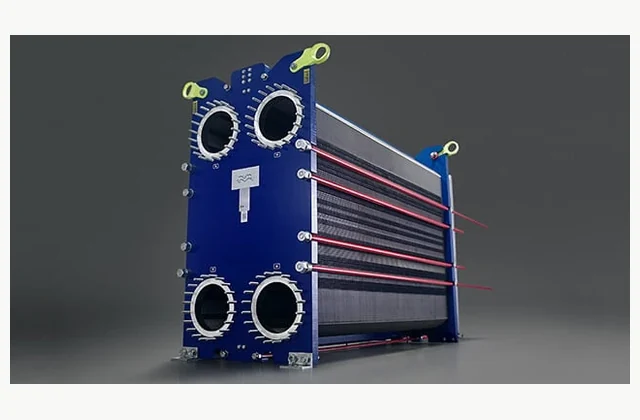
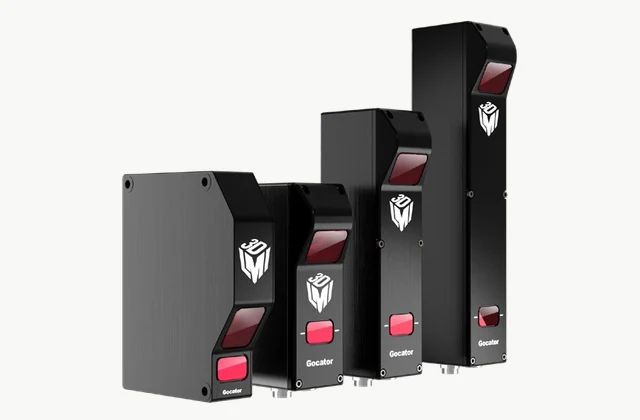
Related equipment references. The complete configuration is confirmed for your project.
Choose your application
The system library
Try a broader equipment or process term, or describe the application to our team.
Ask for an engineering review ↗03 / 188 system families
Match electrical and thermal systems to the duty.
Separate facility cooling from the technology coolant loop serving direct-to-chip equipment.
Coolant chemistry, heat load and facility interface.
Condition and circulate the specified dielectric fluid for an immersion-cooling installation.
Fluid compatibility, filtration and service access.
Cycle battery packs with a bidirectional charge/discharge test system where the approved electrical architecture permits.
Voltage window, current profile and grid interface.
Integrate a heat pump with a process steam requirement using measured source and sink conditions.
Source temperature, steam duty and integration.
Charge and discharge a specified thermal storage medium through a controlled process skid.
Storage medium, duty profile and temperature range.
Recover suitable waste heat through an Organic Rankine cycle power unit.
Source temperature, flow and sink conditions.
Monitor electrical disturbances and trends across a defined factory measurement network.
Measurement points, disturbance records and reporting.
Integrate power-electronic voltage conversion and isolation for a defined electrical architecture.
Conversion architecture, isolation and grid approval.
Coordinate DC distribution and fault protection for the actual sources and loads.
Fault isolation, selectivity and DC load mix.
Apply a controlled electrical load for commissioning or equipment performance tests.
Load profile, heat rejection and test duration.
Evaluate insulation and partial-discharge behavior of specified busbar assemblies.
Insulation geometry, waveform and acceptance basis.
Exercise inverter controls against a real-time model before or alongside physical power-stage testing.
Plant model, I/O latency and test cases.
Recover or transfer process heat through an engineered thermal-oil circuit.
Fluid condition, operating temperature and duty.
Recover heat from an industrial refrigeration system while preserving the required cooling service.
Heat availability, demand timing and refrigeration duty.
Coordinate several compressors using measured demand and an approved control interface.
Measured demand, pressure bands and compressor interfaces.
Manage agreed flexible industrial electrical loads in response to authorized demand signals.
Interruptible loads, production constraints and control authority.
Monitor selected fire-related indicators in a battery energy-storage installation.
Hazard analysis, sensing layout and response responsibilities.
Test circuit-breaker operation over an approved endurance sequence.
Operating sequence, contact condition and test instrumentation.
Connect rack rear-door heat exchangers to a suitable coolant distribution and heat-rejection boundary.
Rack interface, heat rejection and maintenance boundary.
Filter a data-center secondary cooling circuit to the equipment-approved cleanliness requirement.
Coolant specification, contamination and service continuity.
Prepare and commission a liquid-cooling loop to an agreed cleanliness and compatibility standard.
Cleanliness criteria, compatible fluids and acceptance records.
Separate specified contaminants from a recovered refrigerant stream for an approved reuse objective.
Refrigerant identity, separation objective and containment.
Engineer a high-temperature heat-pump package around a specific process source and sink.
Source and sink profiles, process interface and verified duty.
Measure and balance flow and temperature in an industrial heat-distribution network.
Network measurements, load variation and control authority.
Develop a supercritical-carbon-dioxide power-cycle pilot for a defined research or demonstration objective.
Cycle objective, pressure boundary and development validation.
Supply the water-conditioning and cooling balance of plant around a specified electrolyzer interface.
Electrolyzer interface, water quality and utility responsibility.
Condition the cooling and gas-purification interfaces around a hydrogen compressor package.
Gas quality, process conditions and specialist engineering.
Control moisture within a defined battery-manufacturing dry-room boundary.
Moisture load, room boundary and operating conditions.
Recover or condition a furnace process atmosphere where reuse is technically suitable.
Gas composition, contamination and reuse specification.
Recover useful heat from a process exhaust through a proposed heat-pump system.
Exhaust condition, useful heat demand and fouling.
Impregnate electrical assemblies with an approved insulating resin using a defined process system.
Resin system, vacuum cycle and electrical acceptance.
Characterize liquid cold plates used to manage power-module heat.
Coolant, pressure loss, thermal duty and leak criteria.
Measure industrial energy consumption across agreed process and utility boundaries.
Meter boundary, production normalization and report responsibility.
Emulate controlled AC supply conditions while allowing bidirectional power exchange with a suitable device under test.
Voltage waveforms, power flow and device-under-test interfaces.
Connect real power hardware to a real-time simulated electrical system through a power interface for closed-loop testing.
Power interface, real-time model and loop stability.
Provide a programmable bidirectional DC interface that emulates selected battery electrical behavior for device testing.
Dynamic voltage response, bidirectional power and model interface.
Condition a steam supply by reducing pressure and controlling superheat to meet a downstream process requirement.
Steam conditions, demand range and downstream interface.
Monitor a population of steam traps and flag conditions requiring maintenance investigation through instrumented data collection.
Trap inventory, operating conditions and diagnostic validation.
Recover useful shaft work or refrigeration from an engineered process-gas pressure expansion where gas conditions support the duty.
Gas composition, expansion duty and driven-load interface.
Provide an engineered multi-compressor carbon-dioxide refrigeration package for an industrial cooling load.
Refrigeration duty, pressure architecture and heat rejection.
Generate a pumpable mixture of ice crystals and liquid for product chilling or process cooling.
Carrier fluid, ice fraction and distribution duty.
Produce liquid nitrogen on site using an engineered liquefaction package and suitable nitrogen supply and storage interfaces.
Feed purity, liquefaction duty and cryogenic storage boundary.
Capture helium boil-off, condition the recovered gas and return it to liquid storage within an engineered recovery loop.
Gas recovery conditions, purification and cryogenic interfaces.
Produce hydrogen through an engineered alkaline water electrolysis process.
Hydrogen duty, power profile, water quality, gas specification, utility interfaces and destination requirements.
Generate hydrogen using proton-exchange-membrane water electrolysis.
Power variability, product-gas boundary, water specification, cooling, controls and duty cycle.
Convert an engineered steam supply and electricity into hydrogen through solid-oxide electrolysis.
Steam conditions, available heat, power profile, hydrogen specification and startup requirements.
Produce hydrogen using an anion-exchange-membrane electrolysis package.
Gas duty, water and electrolyte requirements, electrical supply, installation environment and controls.
Purify a characterized hydrogen-rich gas using cyclic adsorption.
Feed composition, flow variability, contaminants, product specification and tail-gas destination.
Separate hydrogen from a compatible feed using an engineered metallic membrane.
Gas composition, impurities, pressure differential, product purity objective and thermal utilities.
Condition a suitable hydrogen stream by removing oxygen and moisture within a defined process boundary.
Oxygen and moisture ranges, other impurities, gas flow, pressure and downstream specification.
Liquefy a specified hydrogen feed through an engineered cryogenic process.
Feed purity, net liquid demand, storage, transfer boundary, electrical utilities and qualified installation scope.
Convert ammonia to a hydrogen-bearing stream with a qualified catalytic cracking and purification process.
Ammonia feed, hydrogen specification, heat source, residual handling and site utilities.
Produce a hydrogen-rich stream from a defined methanol and steam reforming process.
Feed quality, hydrogen duty, product impurities, heat integration and residual-gas handling.
Bind hydrogen into a selected liquid organic carrier through an engineered hydrogenation process.
Carrier chemistry, hydrogen feed, charging rate, heat rejection, storage and quality analyses.
Release hydrogen from a specified loaded organic carrier through a qualified thermal process.
Carrier loading, required hydrogen quality, heat source, recovery duty and depleted-carrier return.
Compress a suitable hydrogen stream using an engineered diaphragm-compressor package.
Inlet conditions, delivery pressure, flow profile, gas quality, cooling and site requirements.
Integrate hydrogen compression, storage interfaces and controlled dispensing for a qualified refueling project.
Vehicle class, filling protocol, demand profile, supply conditions, layout and approval responsibilities.
Return suitable LNG boil-off gas to a liquid storage boundary using engineered refrigeration.
Boil-off variability, gas analysis, tank conditions, net return duty and electrical or cooling utilities.
Vaporize and condition liquid natural gas for a defined downstream gas supply.
Liquid conditions, gas demand, outlet specification, heat-source availability and site interfaces.
Separate atmospheric gases through an engineered cryogenic air-separation process.
Oxygen, nitrogen and argon duties, purity requirements, delivery modes, power and cooling conditions.
Recover and condition argon from a characterized process-gas stream.
Feed composition, oxygen and moisture, flow variability, purity target and residual-gas handling.
Liquefy an appropriately specified oxygen feed for an engineered liquid-delivery duty.
Feed purity, net liquid requirement, storage and transfer interfaces, utilities and oxygen-service provisions.
Provide a defined cryogenic refrigeration duty using an engineered helium cooling cycle.
Cold-load profile, temperature stages, transfer interfaces, vibration limits and available utilities.
Generate steam through a qualified high-voltage electrode-boiler installation.
Steam profile, high-voltage supply, water conductivity, pressure requirements and network interface.
Store and deliver process heat using a specified molten-salt circuit.
Temperature levels, charge-discharge profile, salt compatibility, heat interfaces and standby requirements.
Store sensible heat in a designed solid-media bed for an agreed process duty.
Storage medium, temperature range, heat-transfer fluid, cycling profile and pressure loss limits.
Store and release heat around a selected material phase transition.
Temperature level, required energy and power, cycling, heat-transfer fluid and material stability.
Buffer an agreed steam-demand fluctuation using an engineered pressurized storage arrangement.
Demand peaks, steam pressure, charging availability, discharge quality and vessel requirements.
Produce cooling using a qualified absorption cycle and an available thermal source.
Cooling profile, heat source, chilled-fluid conditions, rejection utilities and operating calendar.
Provide cooling through an engineered adsorption refrigeration cycle.
Waste-heat profile, cooling demand, rejection temperature, working-fluid constraints and cycling duty.
Cool a suitable process liquid using evaporation supported by an engineered steam-jet vacuum system.
Liquid properties, cooling target, vapor load, motive steam, condenser water and vacuum boundary.
Provide a qualified low-temperature heat-transfer-fluid circulation duty for an agreed process load.
Temperature profile, heat load, fluid compatibility, ambient conditions and shutdown or recovery requirements.
Capture suitable process gases on cryogenic surfaces within an engineered vacuum station.
Gas load and species, target vacuum, chamber conductance, regeneration cycle and contamination constraints.
Store electrical energy through a defined compressed-air and thermal-management installation.
Charge-discharge profile, storage concept, geology or vessel scope, heat management and grid connection.
Store energy through air liquefaction and later expansion within an engineered power cycle.
Storage duration, power profile, thermal integration, air quality, cryogenic storage and grid boundary.
Store energy in a circulating vanadium electrolyte system with engineered power conversion.
Power and duration, duty cycles, electrolyte handling, site containment and grid interface.
Provide stationary electrical storage using a specified aqueous-zinc battery technology.
Power profile, usable energy, chemistry, cycling duty, thermal conditions and conversion equipment.
Provide a project-defined long-duration electrical storage duty using an engineered iron-air process.
Discharge duration, cycle frequency, footprint, site climate, air handling and grid connection.
Buffer short-duration industrial power pulses using an engineered supercapacitor bank and converter.
Pulse power, duration, repetition, bus voltage, regeneration and thermal conditions.
Provide synchronous reactive support and rotating-system characteristics for a defined network duty.
Reactive-power envelope, network studies, inertia objective, starting method and cooling utilities.
Compensate defined supply-voltage disturbances for an engineered sensitive-load boundary.
Load profile, disturbance depth and duration, bypass arrangement, energy source and protection coordination.
Evaluate DC interruption behavior within a qualified high-power laboratory installation.
Breaker rating, test circuit, fault-current profile, measurement chain and qualified facility scope.
Apply a controlled induced-voltage test to a suitable transformer within an engineered test bay.
Transformer ratings, test procedure, excitation source, partial-discharge needs and laboratory interfaces.
Generate and measure specified impulse waveforms in a qualified high-voltage test installation.
Test-object capacitance, waveform requirements, voltage range, divider chain and laboratory layout.
Evaluate selected switching and timing behavior of an on-load tap changer under an agreed test program.
Tap-changer design, interfaces, transition sequence, electrical boundary and reference signatures.
Track selected gases in transformer oil using a defined online sampling and analysis installation.
Oil type, sampling access, target gases, operating environment, reference laboratory and maintenance workflow.
Measure partial-discharge behavior of a defined cable and accessory test configuration.
Cable type and length, accessories, excitation method, interference environment and acceptance procedure.
Provide a matched resonant AC source for a qualified capacitive test object.
Test-object capacitance, voltage and frequency boundary, duty cycle, transport and laboratory setup.
Apply an agreed DC test program to a suitable cable system within a qualified installation.
Cable construction, length, test voltage program, polarity needs, leakage measurement and discharge provisions.
Inject controlled primary current for agreed protection-path or equipment testing.
Current path impedance, test duration, required waveform, measurement channels and equipment connections.
Simulate controlled electrical signals and timing for a defined protection-relay test program.
Relay functions, signal ranges, communication protocol, time synchronization and test cases.
Evaluate interruption duties in a purpose-engineered high-power test facility.
Applicable test duties, prospective current, circuit parameters, instrumentation and qualified facility responsibilities.
Restore selected insulating-oil properties through a qualified regeneration and treatment process.
Oil chemistry, contamination, degradation indicators, treatment duty and required laboratory endpoints.
Dry suitable transformer insulation assemblies using a qualified vapor-phase process.
Assembly dimensions, insulation materials, moisture objective, heating limits and recovery utilities.
Condition and fill suitable electrical equipment with insulating oil under an agreed vacuum process.
Equipment volume, oil type, vacuum requirements, filling rate and contamination limits.
Supply conditioned cooling water to an agreed generator-stator cooling circuit.
Heat load, flow and pressure limits, conductivity, materials, redundancy and monitoring interfaces.
Condition and monitor gas supplied to an engineered dry-gas-seal installation.
Seal and machine requirements, gas composition, differential pressure, contaminants and backup philosophy.
Measure a defined gas-transfer duty using a complete metering and compensation boundary.
Gas composition, flow range, custody boundary, pressure, temperature and destination metrology requirements.
Prepare a characterized fuel-gas supply for an agreed burner, engine or turbine interface.
Gas composition, delivery profile, dew point, contaminants, consumer limits and residual handling.
Transfer concentrated solar energy to a specified thermal working circuit.
Solar field design, working fluid, thermal duty, flux envelope and startup or standby requirements.
Provide a defined industrial heat duty through a tracked solar-thermal collector field.
Site irradiance, process temperature, load calendar, heat-transfer fluid, storage and land layout.
Transfer a specified cryogenic fluid through an engineered insulated pipe network.
Fluid, route, flow, pressure loss, allowable heat ingress, transfer cycles and support interfaces.
Recover suitable low-pressure vapor using an engineered motive-steam compression duty.
Suction vapor, motive steam, discharge requirement, flow variability and process interfaces.
Transfer exhaust heat to a defined combustion-air stream using regenerative heat exchange.
Gas composition, temperatures, dust, allowable pressure loss, air demand and maintenance access.
Provide an engineered oxygen-enriched combustion arrangement for a qualified thermal process.
Process material, furnace geometry, heat duty, oxygen supply, exhaust and quality objectives.
Adapt an agreed thermal installation to a qualified hydrogen-containing fuel envelope.
Fuel composition range, furnace duty, materials, flame supervision, site gas supply and approval responsibilities.
Recover suitable flare-header gas for a defined downstream use through engineered compression and conditioning.
Gas composition variability, header conditions, recovery destination, liquid load and bypass philosophy.
Separate entrained liquid from a defined steam stream within an engineered supply station.
Steam flow range, pressure, inlet wetness, allowable pressure drop and drainage interfaces.
Evaluate an engineered air-supply subsystem for a defined fuel-cell operating envelope.
Compressor architecture, air-flow map, pressure response, humidity boundary and electrical interface.
Manage moisture transfer for a specified fuel-cell reactant stream.
Reactant conditions, humidity objective, allowable pressure loss, contaminants and load transitions.
Return a defined fuel-cell anode stream within an engineered recirculation and purge boundary.
Stack interface, wet-gas flow, pressure, purge strategy, operating range and materials.
Deliver a specified cryogenic liquid through a qualified pump and conditioning package.
Fluid, storage pressure, flow, discharge duty, heat leak and intermittent operating requirements.
Compress a characterized boil-off stream for an agreed gas-handling destination.
Gas composition, flow variation, inlet conditions, destination pressure, liquid separation and controls.
Convert conditioned nitrogen and hydrogen in a defined catalytic synthesis loop.
Feed purity, pressure, catalyst, heat recovery, recycle and purge.
Convert qualified synthesis gas to methanol through catalytic synthesis and separation.
Syngas composition, catalyst, recycle, cooling, crude product and purification.
Convert synthesis gas into a selected hydrocarbon product distribution.
Syngas ratio, catalyst, reactor heat removal, wax handling and separation.
React conditioned carbon dioxide and hydrogen to produce methane-rich gas.
Feed contaminants, catalyst, thermal management, recycle and water removal.
Generate synthesis gas through coupled oxidation and reforming reactions.
Feedstock, oxygen, steam ratio, catalyst, pressure and heat integration.
Adjust synthesis gas hydrogen content through catalytic shift conversion.
Inlet gas, sulfur tolerance, steam ratio, catalyst and temperature stages.
Convert carbon dioxide and hydrogen into a carbon-monoxide-bearing gas.
Feed ratio, reaction temperature, catalyst, heat input and downstream separation.
Evaluate electrochemical conversion of carbon dioxide using a defined cell architecture.
Electrolyte, electrodes, membrane, feed purity, current and product separation.
Liquefy pretreated biomethane within an agreed cryogenic process boundary.
Gas purity, pretreatment, refrigeration, storage interface and boil-off handling.
Produce dimethyl ether through a specified catalytic feed route.
Methanol or syngas route, catalyst, separation, utilities and product specification.
Recover neon from a specified rare-gas feed stream.
Feed composition, impurity limits, separation route, pressure and storage.
Separate rare-gas concentrates into defined krypton and xenon products.
Feed composition, cryogenic conditions, distillation stages and purity analysis.
Recover carbon monoxide from a specified synthesis-gas mixture.
Gas composition, contaminants, separation route, pressure and product interfaces.
Condition an acetylene-containing stream using an agreed solvent-based route.
Feed impurities, solvent circulation, temperature, pressure and regeneration.
Deliver specified process gases through controlled gas handling panels.
Gas compatibility, pressure, purge sequence, monitoring and equipment interfaces.
Distribute qualified process gas to controlled downstream branches.
Gas family, branch demand, purge architecture, isolation and monitoring.
Remove agreed trace contaminants from a defined process gas.
Gas species, contaminant load, required analysis, flow and purifier regeneration.
Prepare gas mixtures from measured component streams.
Components, mixture range, flow control, pressure and analyzer response.
Fill grouped cylinders using a specified gas and filling sequence.
Gas compatibility, cylinder approvals, pressure, temperature and tracking.
Recover helium used in production leak testing for reuse.
Test-gas mixture, recovery pressure, contamination, buffer storage and purity.
Exchange heat through diffusion-bonded compact flow passages.
Fluids, pressure-temperature envelope, fouling, channel geometry and inspection.
Exchange multiple cryogenic streams within a defined cold-box boundary.
Stream compositions, phase changes, thermal cycling and contamination limits.
Transfer heat to viscous or fouling-sensitive products with mechanical scraping.
Product rheology, particulates, heat duty, rotor speed and cleaning.
Cool an agreed liquid film over a defined heat-transfer surface.
Liquid properties, inlet temperature, distribution, refrigerant and hygiene scope.
Transfer heat across separated process streams using sealed thermal elements.
Stream temperatures, fouling, orientation, working fluid and bypass needs.
Condense exhaust steam using an engineered air-side cooling array.
Steam duty, ambient envelope, turbine backpressure, layout and noise.
Transfer cooling between a district network and a building process loop.
Network pressures, load profile, heat exchangers, controls and metering.
Recover heat from a chemically defined geothermal brine stream.
Brine chemistry, scaling, temperature, reinjection interface and materials.
Transport heat through a gravity-assisted phase-change circuit.
Elevation, heat source, condenser location, working fluid and ambient range.
Maintain heat-transfer surfaces using a specified in-service cleaning method.
Tube geometry, fouling type, process compatibility and collection interfaces.
Convert power between AC and DC within a defined station boundary.
Converter topology, power duty, voltage, network studies and cooling.
Alter transmission-line series reactance using protected capacitor banks.
Line data, compensation level, fault duty, bypass and protection.
Control effective series compensation within a studied network application.
Line parameters, control range, valve cooling and protection coordination.
Absorb reactive power using a defined reactor and switching arrangement.
Network voltage, reactive duty, harmonics, insulation and switching conditions.
Establish an engineered power-system neutral grounding arrangement.
Network capacitance, fault current, grounding method, voltage and monitoring.
Compensate earth-fault capacitive current using a tunable neutral coil.
Network capacitance, tuning range, neutral voltage and protection interfaces.
Condition and test assembled cable accessories before service.
Cable design, termination geometry, voltage test method and environmental state.
Switch and isolate high-voltage circuits within a defined gas-insulated station.
Single-line diagram, voltage, current, insulation medium and bay layout.
Validate sampled values and control messaging across substation devices.
Architecture, time synchronization, device configuration and test cases.
Monitor synchronized network signals for specified dynamic events.
Measurement locations, time reference, communication, modes and alarms.
Form rectangular conductor pins for a defined stator winding design.
Conductor section, bend geometry, insulation, springback and tooling changes.
Insert and expand formed conductors within an engineered stator assembly.
Slot map, conductor orientation, insulation clearance and insertion forces.
Position and prepare conductor ends for subsequent joining.
End-winding geometry, twist sequence, cut height and conductor tolerance.
Join prepared rectangular conductor ends using a qualified laser process.
Copper grade, coating removal, joint gap, focal strategy and fixture.
Apply controlled resin to rotating and heated electrical windings.
Resin properties, winding temperature, rotation, dosage and cure profile.
Join specified electrical conductors through localized induction heating and a qualified filler-metal process.
Conductor alloy, joint geometry, filler, coil access, power and cooling.
Form and assemble transposed conductor coils for a defined generator design.
Strand geometry, transposition schedule, insulation and dimensional tolerance.
Connect armature conductors to a commutator by controlled thermal joining.
Wire section, segment geometry, force, energy and insulation clearance.
Apply and cure an insulating enamel system on moving conductor wire.
Conductor size, enamel chemistry, coating builds, oven profile and speed.
Bond coated electrical-steel stacks using a defined thermal-pressure cycle.
Lamination grade, bonding coating, stack geometry, pressure and heating.
Apply cyclic loads to a defined blade structure.
Blade length, load directions, mode shapes, fixtures and target damage.
Apply prescribed distributed static loads to a blade.
Blade geometry, load stations, fixtures, strain limits and load sequence.
Operate a nacelle under controlled mechanical and electrical loading.
Torque, speed, non-torque loads, grid interface and cooling.
Evaluate a main bearing under representative combined loading.
Bearing geometry, radial-axial loads, moments, speed and lubrication.
Infuse dry blade reinforcement within a defined mold process.
Resin viscosity, reinforcement, vacuum network, pot life and heating.
Meter and apply structural adhesive to defined blade bond lines.
Adhesive ratio, viscosity, bead geometry, working time and joint fixture.
Exercise an inverter against specified grid-interface test cases.
Power, voltage, grid disturbances, communication and jurisdictional test scope.
Measure collector heat gain under controlled test conditions.
Collector geometry, irradiance, flow, inlet temperature and ambient conditions.
Apply defined hydrodynamic-equivalent loads to a tidal drivetrain.
Torque, speed, thrust, sealing, lubrication and load spectra.
Characterize a hydraulic turbine model within a controlled water circuit.
Model scale, head, flow, speed, cavitation and measurement stations.
Contain and instrument a defined pack propagation experiment.
Pack energy, trigger method, exhaust, sensors and emergency interfaces.
Collect and analyze gases from a controlled battery experiment.
Cell chemistry, test enclosure, sampling lines, species and time resolution.
Apply a specified mechanical penetration to an instrumented cell.
Cell format, state of charge, nail geometry, speed and containment.
Apply a defined crush trajectory to an instrumented battery assembly.
Fixture, crush geometry, load, displacement, charge state and monitoring.
Apply a defined low-resistance external electrical path to a battery.
Battery rating, path resistance, switching, temperature and measurement bandwidth.
Expose batteries to reduced pressure within a controlled test enclosure.
Cell format, pressure profile, temperature, loading and electrical feedthroughs.
Evaluate internal assembly consistency using defined acoustic measurements.
Cell construction, coupling, access, scan geometry and reference conditions.
Characterize vent opening and flow response independently of full-pack abuse.
Vent design, medium, pressure ramp, fixture volume and temperature.
Evaluate electrolyte distribution using a selected validated measurement method.
Cell structure, electrolyte, soak time, diagnostic access and calibration.
Grade used packs against an agreed reuse assessment protocol.
Pack history, chemistry, interfaces, capacity, insulation and intended reuse.
Provide a defined sub-kelvin experimental cooling environment.
Sample heat load, stages, wiring, vibration, access and cooldown needs.
Cool optically accessible specimens within a controlled environment.
Temperature range, windows, sample mount, vacuum and vibration sensitivity.
Provide cooling and monitored cryogenic interfaces for a defined magnet.
Magnet heat loads, cryogen, pressure, transfer interfaces and quench boundary.
Condition mechanical specimens at cryogenic temperatures during loading.
Specimen, load frame, temperature, extensometry and cryogen handling.
Cycle components between specified thermal states before qualification.
Component geometry, thermal masses, media, ramp limits and instrumentation.
From application to equipment scope
Share the product or feed, required output, site and destination. IndustryApex reviews the equipment, interfaces and OEM / ODM scope with you.
Selection resources define possible process scopes. Technical feasibility, the offered configuration, supply, installation and support are confirmed for each project. Photographs identify related reference equipment, not completed IndustryApex installations.
Compare selection boundaries, integration requirements, complete cost scope and acceptance records across advanced industrial systems.
Explore system selection guides ↗