
Tray sealing machines close preformed trays with lidding material. They differ from thermoforming lines that create the lower pack on the machine. Selection begins with the loaded tray, its flange and the intended package opening and preservation functions. Provide tray drawings, flange tolerances, product fill condition and the exact lid material. State whether the pack needs simple sealing, modified atmosphere or skin packaging, because the required tray, web and tooling combination changes with the packaging method.
Tray sealing machines close preformed trays with lidding material. They differ from thermoforming lines that create the lower pack on the machine. Selection begins with the loaded tray, its flange and the intended package opening and preservation functions. Compare application fit, configuration and OEM/ODM scope through the buyer checklist below.
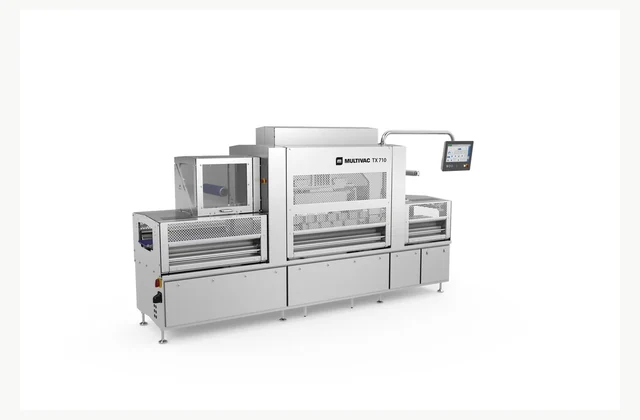
Shown as a configuration reference. Availability and the equipment offered for your project are confirmed separately.
Pack method: application and input specification
Tray sealing machines close preformed trays with lidding material. They differ from thermoforming lines that create the lower pack on the machine. Selection begins with the loaded tray, its flange and the intended package opening and preservation functions.
Provide tray drawings, flange tolerances, product fill condition and the exact lid material. State whether the pack needs simple sealing, modified atmosphere or skin packaging, because the required tray, web and tooling combination changes with the packaging method.
Tray rigidity influences transport and sealing. A flange can bend under product load even when the empty tray appears flat. Include the actual fill temperature, support arrangement and weight distribution in trials, particularly for lightweight or fiber-based packaging developments.
Tray flange: configuration tradeoffs
Compare manual or automatic loading, tool layout and film cutting against the format mix. Several trays in a tool can change loading and accumulation demands. Confirm compatibility with actual materials rather than assuming every tray with the same external dimensions is interchangeable.
A peelable lid requires a controlled opening experience as well as a closed seal. Discuss opening direction and the intended consumer grip. Retain approved packs from the agreed materials so a later seal adjustment does not quietly trade easy opening for apparent strength.
| Decision | What to resolve | Useful evidence |
|---|---|---|
| Pack method | Seal-only, gas or skin requirement | Approved finished-pack reference |
| Tray flange | Rigidity and clean sealing surface | Loaded-tray sealing trial |
| Opening | Peel behavior and lid geometry | Conditioned-pack opening inspection |
Process integration and handover points
Assign tray denesting, filling, flange cleaning, gas supply where needed, coding and discharge. A filler that deposits product on the flange can undermine sealing. Define product-presence detection and the route for trays rejected before and after the sealing station.
Skin packaging and gas-flushed tray packs have different presentation and product-contact behavior. Show the supplier the desired finished pack rather than selecting an option by name. Check product deformation and contact restrictions together with the material and tooling proposal.
Installation and maintainable operating arrangements
Reserve space for loading, film changes and removal of the largest sealing tool. Confirm vacuum, gas, electrical and air connections for the offered process. Review cleaning access beneath tray transport components and the safe collection of film trim.
Automatic tray handling needs a defined tolerance window. Nested trays may cling, arrive distorted or carry rim variations. Include ordinary production trays in a denesting trial and identify how missing, doubled or skewed trays are detected before product is committed.
Acceptance evidence for opening
Seal the fullest normal trays using production tray and lid lots. Inspect flange coverage, wrinkles, lid cut position, peel behavior and integrity after downstream handling. If atmosphere control is required, include its agreed measurement rather than judging package appearance alone.
Measure useful output across a normal replenishment and format-change cycle. Empty sealing cycles omit tray supply, product loading, inspection and rejected packs. Record where the constraint occurs so a larger sealing unit is not purchased to compensate for an unresolved upstream bottleneck.
OEM/ODM scope and future changes
ODM may cover tray nests, sealing geometry, denesting and filler integration. Approve tooling against physical samples and controlled drawings. OEM print, labels and documentation can be requested separately; material substitutions still require the affected sealing and opening tests.
Keep tray and lid specifications linked to the accepted tool. A packaging supplier's resin, coating or flange revision can affect sealability. Establish who reviews these changes and which pack tests are repeated before a revised material enters routine production.
Image reference: MULTIVAC TX 710 traysealer. The illustrated manufacturer configuration does not establish stock, an agency appointment or permission to relabel it. OEM/ODM requests require a written feasibility response for the actual proposed equipment.
Include these application details in your quotation request:
- Tray drawings and flange tolerances
- Product fill temperature and flange cleanliness
- Exact lid and tray material combinations
- Seal, atmosphere or skin-pack objective
- Denesting and loading arrangements
- Tool layout and format-change schedule
- Gas, vacuum and utility interfaces
- Coding, reject and discharge responsibilities
- Filled-tray integrity and opening acceptance
- OEM/ODM nests, sealing tools and samples
What should your tray sealing machine RFQ include?
- Tray drawings and flange tolerances
- Product fill temperature and flange cleanliness
- Exact lid and tray material combinations
- Seal, atmosphere or skin-pack objective
- Denesting and loading arrangements
- Tool layout and format-change schedule
- Gas, vacuum and utility interfaces
- Coding, reject and discharge responsibilities
- Filled-tray integrity and opening acceptance
- OEM/ODM nests, sealing tools and samples
Need OEM / ODM customization?
Submit branding, packaging, configuration or engineering requirements for this equipment. Include the target market, initial and annual quantities, required changes and acceptance criteria.
Customization feasibility, permitted branding, development responsibilities, minimum quantity, cost and lead time are reviewed for the proposed supplier and configuration before a quotation is confirmed.
Frequently asked questions
What inputs determine selection of tray sealing machine?
Provide tray drawings, flange tolerances, product fill condition and the exact lid material. State whether the pack needs simple sealing, modified atmosphere or skin packaging, because the required tray, web and tooling combination changes with the packaging method.
How should I compare tray flange options?
Compare manual or automatic loading, tool layout and film cutting against the format mix. Several trays in a tool can change loading and accumulation demands. Confirm compatibility with actual materials rather than assuming every tray with the same external dimensions is interchangeable.
Which adjoining operations need to be specified?
Assign tray denesting, filling, flange cleaning, gas supply where needed, coding and discharge. A filler that deposits product on the flange can undermine sealing. Define product-presence detection and the route for trays rejected before and after the sealing station.
What is a useful acceptance trial for tray sealing machine?
Seal the fullest normal trays using production tray and lid lots. Inspect flange coverage, wrinkles, lid cut position, peel behavior and integrity after downstream handling. If atmosphere control is required, include its agreed measurement rather than judging package appearance alone.
Which OEM/ODM changes can I request?
ODM may cover tray nests, sealing geometry, denesting and filler integration. Approve tooling against physical samples and controlled drawings. OEM print, labels and documentation can be requested separately; material substitutions still require the affected sealing and opening tests.
What application boundary is easy to overlook?
Tray rigidity influences transport and sealing. A flange can bend under product load even when the empty tray appears flat. Include the actual fill temperature, support arrangement and weight distribution in trials, particularly for lightweight or fiber-based packaging developments.
Reference information
- MULTIVAC TX 710 traysealer official reference
- MULTIVAC related technology or portfolio reference
Reference data and images explain equipment configurations. IndustryApex engineers confirm the offered model, specification and commercial scope in your project quotation.