
A premade pouch packing machine receives bags already manufactured to a defined format, then opens, fills and seals them. This differs from forming a bag from roll film in a VFFS machine. Supply actual pouches from the intended converter and document zipper, gusset, notch, hang hole and sealing area. Nuts, fragile snacks, sticky pieces and fine powders place different demands on feeding and keeping the seal zone clean. Set accepted filled weight, appearance and seal performance together.
Begin with the purchased pouch and product
A premade pouch packing machine receives bags already manufactured to a defined format, then opens, fills and seals them. This differs from forming a bag from roll film in a VFFS machine. Supply actual pouches from the intended converter and document zipper, gusset, notch, hang hole and sealing area. Nuts, fragile snacks, sticky pieces and fine powders place different demands on feeding and keeping the seal zone clean. Set accepted filled weight, appearance and seal performance together. A general packaging-machine comparison should lead to this more focused page when purchased bags are a fixed commercial requirement.
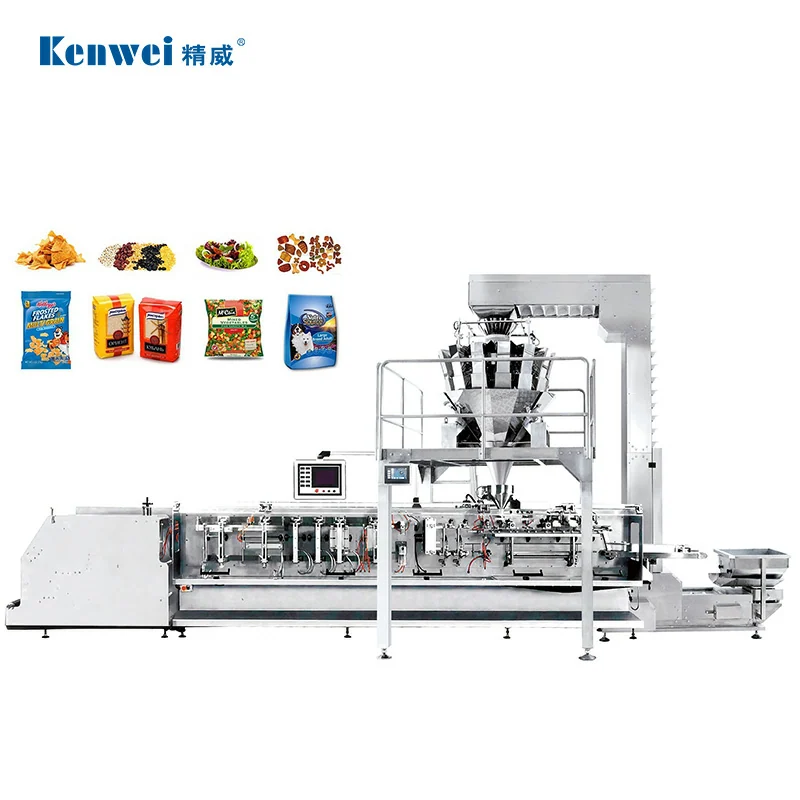
Shown as a configuration reference. Availability and the equipment offered for your project are confirmed separately.
Check bag opening, holding and dosing
Compare how the proposed equipment picks a bag, opens the mouth, handles a zipper and confirms successful opening before dosing. Flexible bags can vary with storage, static and manufacturing tolerance, so trials should include normal variation. Choose a dosing method suited to product flow and portion size, with transfer arrangements that limit breakage or bridging. Ask about bag supports, settling and seal-zone cleaning rather than assuming every feature is standard. Format change parts and adjustment records should cover the smallest and largest bags. Cosmetic bag compatibility does not establish reliable filling and sealing at production output.
Integrate material feeding and operator access
Show the product feed, dosing equipment, working platform, bag magazine and finished-pack discharge in one layout. Reserve safe access for bag replenishment, weigher cleaning and recovery of a failed opening. Define how a missing or unopened bag prevents product discharge and where spilled material is collected. Confirm air quality and consumption for the actual bag-handling options, electrical supply and any dust extraction. The output conveyor should support unstable or heavy pouches without damaging the hot seal. Assign line-stop and restart behavior across the feeder, dosing equipment and bag packer before manufacturing begins.
Compare system cost and pouch-format economics
Include the packer, dosing equipment, feed conveyor, platform, air treatment, coding, inspection and discharge as a complete scope. Request format parts, spare grippers, suction components, seal bars and tools for cleaning. Calculate consumable bag cost and rejected-bag rate against actual trial evidence; a premade bag’s presentation benefit may come with different operating economics from roll film. Account for batch changes, sanitation and magazine replenishment labor. Clarify local support for dosing as well as bag handling. Installation, trial pouches, product shipment and acceptance attendance belong in the project budget alongside the machine itself.
Validate bags that can be sold and shipped
Acceptance should run real product and approved pouch lots at each important weight and format. Record opening failures, spills, broken product, weight deviations, contaminated seals and finished appearance over an agreed period. Test the zipper or closure function where applicable and perform the defined seal or leak test after conditioning. Include bag-magazine replenishment, a deliberate unopened bag and restart after a downstream stop. Retain pack samples and settings. A trial using empty bags proves only part of the handling sequence; the final accepted result must include dosing, sealing and discharge under representative production conditions.
Define customization around the bag specification
Attach pouch drawings, product samples, trial quantities and the line layout to the RFQ. OEM requirements can include branding, operating languages and buyer-specific documentation. ODM changes to zipper opening, grippers, dosing transfer or inspection need a reviewed engineering scope and sample acceptance. Agree who owns bag-format tooling and which pouch modifications trigger new trials. State the destination, local maintenance plan and required production records. The manufacturer family shown is an illustrative reference; compatibility with a custom printed bag and the completed system’s performance require confirmation for the actual quoted configuration.
Manufacturer configuration references
Review the linked manufacturer information as configuration references. Request the current sheet, included scope and relevant evidence for the exact proposed equipment; these references do not establish an IndustryApex supply relationship.
What should you include in your RFQ?
- Premade pouch drawings and samples
- Bag material zipper gusset and notch
- Product flow fragility and stickiness
- Target weights and dosing tolerance
- Largest pieces and bulk density
- Clean seal and leak criteria
- Required accepted bags per shift
- Bag magazine replenishment and changeovers
- Feeding weighing and discharge interfaces
- Air power dust and cleaning
- Format tooling and consumable availability
- OEM design and acceptance scope
For OEM / ODM requests, include the branding, packaging, configuration or engineering changes you need, initial and annual quantities, target market, sample approval and acceptance requirements. Feasibility and commercial scope are confirmed for the specific project.
Need OEM / ODM customization?
Submit branding, packaging, configuration or engineering requirements for this equipment. Include the target market, initial and annual quantities, required changes and acceptance criteria.
Customization feasibility, permitted branding, development responsibilities, minimum quantity, cost and lead time are reviewed for the proposed supplier and configuration before a quotation is confirmed.
Frequently asked questions
How does premade pouch packing differ from VFFS?
Premade pouch machines open and fill purchased bags; VFFS equipment forms bags from roll film. Choose according to the fixed pack specification, material economics, changeover needs and sample-backed opening, dosing and sealing performance.
Can a machine handle zipper and gusseted pouches?
It may, with the correct opening, zipper-handling, support and sealing configuration. Submit pouches from the intended converter and trial the actual size range, including normal manufacturing variation; appearance alone does not prove compatibility.
What dosing equipment should accompany the pouch packer?
Choose dosing from product flow, piece size, fragility, bulk density and target weight. Multihead weighing, auger or other fillers need matching transfer and packer-ready signals; require a complete product-to-sealed-pouch trial rather than separate demonstrations.
What is included in a complete pouch-system quotation?
Include packer, dosing, feeder, platform, air treatment, coding, inspection and discharge at consistent scope. Add bag-format parts, grippers, seal bars, installation, sample trials and training. Compare rejected bags and changeover labor with consumable bag cost.
How should pouch opening and sealing be tested?
Run approved bag lots with real product and record opening failures, spills and contaminated seals. Check weight, appearance, zipper function and agreed seal or leak tests, including replenishment, unopened-bag response and restart after a line stop.
Can the machine support custom printed pouch formats?
Yes. Submit printed pouch files and samples for OEM presentation or engineered gripper, opening and dosing changes. Manufacturer feasibility requires trials; identify approved bag versions, tooling ownership and changes that trigger a new opening-and-sealing assessment.
Reference information
- KENWEI: JW-B13 premade pouch system
- KENWEI: Weighing and packaging equipment
Reference data and images explain equipment configurations. IndustryApex engineers confirm the offered model, specification and commercial scope in your project quotation.