
Connect industrial network segments with a router selected for address management, routing and controlled access. Begin with the network diagram and communication flows, then compare the exact interfaces, software functions and recovery requirements for the proposed installation. Prioritize topology, address translation, interfaces. Use the checkpoints to build a consistent equipment scope and confirm the intended trial or installation evidence. The official image is a product reference; it does not establish availability or an authorized supplier relationship. Submit OEM/ODM changes for application-specific feasibility review.
Connect industrial network segments with a router selected for address management, routing and controlled access. Begin with the network diagram and communication flows, then compare the exact interfaces, software functions and recovery requirements for the proposed installation.
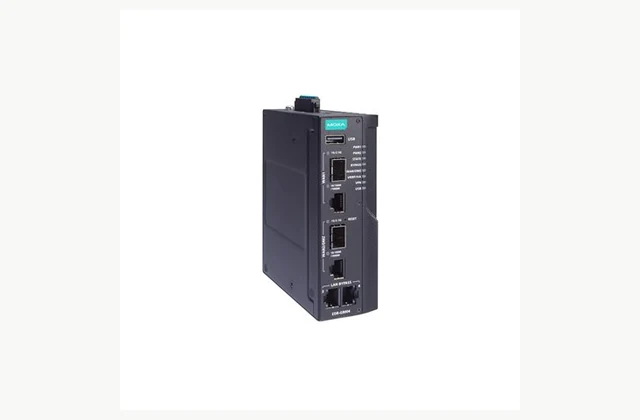
Shown as a configuration reference. Availability and the equipment offered for your project are confirmed separately.
Distinguish routing from switching
A router moves traffic between networks according to a configured design. A switch that connects devices within a segment is not automatically a substitute. Supply the network diagram, address ranges and required communication paths. Identify whether the problem is separating networks, connecting sites or integrating machines with existing addressing. The selected device may combine routing, switching and other functions, but each required role should appear explicitly in the purchase specification.
Map addresses and translation needs
Address conflicts are common when machines arrive with fixed or repeated network settings. Define which addresses may change and which must remain visible to the control system. Network address translation can help some designs but is not a universal answer for all industrial protocols or discovery behavior. Ask the integrator to document translation rules and return paths. Test the actual devices rather than assuming that a successful basic network check proves application compatibility.
Specify ports and network roles
Identify copper and optical interfaces, link rates and the roles assigned to WAN, LAN or other zones. Include the optical modules and cables required for the design. The Moxa EDR-G9004 reference offers a particular integrated-router arrangement; the exact model and firmware determine the supplied functions. A port count does not describe all simultaneous operating conditions. Check management access and service connections without leaving production networks exposed to an undocumented maintenance path.
| Selection issue | Information to specify |
|---|---|
| Topology | Network segments, address ranges and required traffic flows. |
| Address translation | Fixed addresses, conflicts and protocol behavior to verify. |
| Interfaces | Port roles, copper or fiber and included optical modules. |
| Remote access | VPN peers, authentication and permitted destinations. |
| Performance | Representative traffic with intended functions enabled. |
| Handover | Rule set, firmware, backup and recovery procedure. |
Define VPN and remote-access requirements
Where remote access is needed, specify the supported peer systems, authentication, certificate management and access permissions. Confirm any licenses or management-service dependencies. A VPN tunnel is a transport and access mechanism within a wider security design, not permission for unrestricted plant access. Decide who can enable sessions and how they are recorded or revoked. Include firmware maintenance and credential ownership in the handover so access remains controlled after commissioning.
Check throughput with required functions active
Router performance must be evaluated for the intended traffic and enabled functions. Encryption, inspection or other services may have different performance conditions from simple forwarding. Provide representative traffic and required connections rather than extrapolating from interface link speed. Discuss the desired response to loss of an uplink or device power. Redundant links or bypass features need a compatible topology and a tested operating policy, not just hardware presence.
Commission using an application-flow checklist
Acceptance should prove each permitted communication path, block the paths the design excludes and verify management access. Include any address translation and remote connection with the actual field equipment. Test restoration from a saved configuration and the agreed interruption scenarios. Retain the address plan, rule set, firmware and credentials under the site’s management procedure. A router that passes traffic with temporary unrestricted settings is not an accepted production configuration.
Scope OEM/ODM without hiding the network design
Preconfiguration, panel mounting, labels and connection organization can be reviewed. Firmware or hardware changes need engineering, update and lifecycle commitments. Provide the network plan and required functions with the request. Preserve model and software identification even where a package carries project branding. The final deliverable should include an understandable configuration and recovery method; a customized enclosure cannot compensate for unclear routing rules or unsupported protocol behavior.
What should your industrial network router RFQ include?
- Topology: Network segments, address ranges and required traffic flows.
- Address translation: Fixed addresses, conflicts and protocol behavior to verify.
- Interfaces: Port roles, copper or fiber and included optical modules.
- Remote access: VPN peers, authentication and permitted destinations.
- Performance: Representative traffic with intended functions enabled.
- Handover: Rule set, firmware, backup and recovery procedure.
- Destination, site conditions and delivery access
- Installation boundary, utilities and connection drawings
- Acceptance procedure, documentation and training scope
- OEM/ODM changes: interface, material, branding or new design; written engineering feasibility required
Need OEM / ODM customization?
Submit branding, packaging, configuration or engineering requirements for this equipment. Include the target market, initial and annual quantities, required changes and acceptance criteria.
Customization feasibility, permitted branding, development responsibilities, minimum quantity, cost and lead time are reviewed for the proposed supplier and configuration before a quotation is confirmed.
Frequently asked questions
How is an industrial router different from an Ethernet switch?
A router connects networks according to a routing and access design, while a switch commonly connects devices within a segment. Some products combine both. Identify address ranges and required communication flows so the selected equipment is evaluated for its intended network role rather than its connector count.
Will NAT solve every machine address conflict?
It can support certain address-management designs, but industrial protocols and discovery behavior must be checked. Document which addresses are translated and test the actual devices. A basic connectivity result does not guarantee that every required control or engineering application works through the translation.
Does gigabit Ethernet mean gigabit VPN performance?
Interface link rate and encrypted or inspected traffic performance are different specifications. Provide the required traffic and enabled functions and request relevant performance conditions. Evaluate the proposed configuration rather than assuming its port speed describes throughput for every combination of network services.
What should be specified for remote VPN access?
Identify peer systems, authentication and certificate handling, permitted destinations and session control. Include licenses or management services and define credential ownership. The access design should be tested with the actual environment so remote connectivity does not unintentionally grant broader access to the plant.
Which router records should be retained after commissioning?
Keep the network diagram, addressing and translation rules, access policy, firmware version and approved configuration backup. Document restoration and credential management. These records allow a replacement or later expansion to preserve intended behavior rather than recreate the design from temporary commissioning settings.
Can an industrial router be supplied as an OEM panel package?
Mounting, labels, preconfiguration and connections can be reviewed. Changes to firmware or hardware need a support and update plan. The package should retain identifiable components and an approved configuration, with explicit responsibility for routing behavior and recovery rather than only a branded exterior.
Reference information
- EDR-G9004 Series - Secure Routers | Moxa
- Secure Routers | Moxa
Reference data and images explain equipment configurations. IndustryApex engineers confirm the offered model, specification and commercial scope in your project quotation.