
Connect industrial network segments with the port mix, management functions and environmental suitability required by the plant architecture. The buying process should establish port schedule, network management, redundancy design, and power and heat. Use the comparison checkpoints to prepare a consistent quotation request, define installation and acceptance responsibilities, and identify missing accessories or evidence. OEM/ODM is a project-specific feasibility question; request written confirmation of any proposed change and the supporting documentation.
Connect industrial network segments with the port mix, management functions and environmental suitability required by the plant architecture. Compare configuration, interfaces and acceptance evidence before requesting an application-specific quotation or OEM/ODM feasibility review. Document required network behavior.
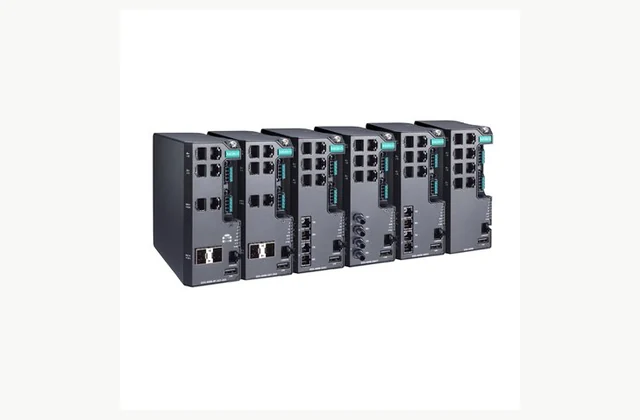
Shown as a configuration reference. Availability and the equipment offered for your project are confirmed separately.
Connect industrial network segments with the port mix, management functions and environmental suitability required by the plant architecture.
Build a port and traffic schedule
An industrial managed switch should fit the network architecture rather than merely provide enough sockets. List connected devices, required link rates, copper and fiber connections, and uplink traffic. Identify any ports requiring power delivery separately; not every model or port offers PoE. Consider the traffic produced by cameras, controllers and data collection together. Reserve expansion capacity deliberately instead of assuming a larger port count solves every network constraint.
Specify the management functions actually used
Management features are valuable only when the operating team can configure and maintain them. State requirements for VLANs, traffic prioritization, diagnostics, configuration backup and the supported management interfaces. Check how these features behave in the offered firmware and exact model. The Moxa EDS-4008 reference is a product-family example, not evidence that every variant includes the same optical, power or software options. Itemize the chosen configuration.
Design redundancy with the connected equipment
A redundancy feature must be compatible with the topology and the other network participants. Provide the ring or redundant path diagram and identify the required protocol. Discuss the expected behavior during a link or device failure, including recovery and diagnostics. Do not use a brochure recovery statement as a guarantee for an untested mixed network. Factory or site testing should reproduce the planned failure scenarios with representative connected devices.
| Buying checkpoint | Project information |
|---|---|
| Port schedule | List copper, fiber, link rates and any separately required PoE ports. |
| Network management | Identify VLANs, diagnostics and supported management interfaces. |
| Redundancy design | Confirm protocol compatibility, topology and recovery behavior with the peers. |
| Power and heat | Check DC input arrangement, load, cabinet ventilation and mounting clearances. |
| Security configuration | Specify account management, firmware policy and network access controls. |
| Acceptance testing | Test representative traffic, failure scenarios and configuration restoration. |
Check cabinet power and environmental conditions
Record supply voltage, power-source arrangement, earthing and available mounting space. The heat load depends on the switch, modules and any supported power-delivery function. Review cabinet ventilation and temperature conditions near the actual equipment, including transients during start-up or loss of cooling. Fiber routing needs suitable bend clearance and connector access. A rugged product description does not replace checking the model’s specified limits against the cabinet design.
Plan secure operation and replacement
Specify account management, permitted administrative services, firmware-update responsibilities and configuration storage. Network segmentation and controlled access are parts of a wider plant security design; buying a managed switch does not by itself secure the system. Decide how a replacement unit receives the approved configuration and who can make changes. Retain version information and port assignments so troubleshooting does not depend on one technician’s memory.
Accept the installed network, not just port lights
A useful acceptance plan checks communication with the intended devices, VLAN behavior, monitoring, interruption recovery and restoration from a saved configuration. Include the expected production traffic where practical. Confirm that diagnostics identify the ports and links in the site drawings. Check modules and accessories against the purchase list. This reveals configuration and interoperability issues that a simple power-on inspection or a link LED cannot demonstrate.
Scope OEM/ODM around maintainable interfaces
Panel integration, labeling, preconfiguration and mounting accessories can be appropriate project requests. Changes to switching hardware, firmware or environmental design need engineering validation and a plan for software maintenance. State protocols, lifecycle expectations and documentation responsibilities. Private labeling should not obscure model identification or replacement compatibility. The supplier should distinguish a configured standard switch from a genuinely redesigned device and explain the support implications of each.
What should your industrial ethernet switch RFQ include?
- Port schedule: List copper, fiber, link rates and any separately required PoE ports.
- Network management: Identify VLANs, diagnostics and supported management interfaces.
- Redundancy design: Confirm protocol compatibility, topology and recovery behavior with the peers.
- Power and heat: Check DC input arrangement, load, cabinet ventilation and mounting clearances.
- Security configuration: Specify account management, firmware policy and network access controls.
- Acceptance testing: Test representative traffic, failure scenarios and configuration restoration.
- Project location, destination requirements and intended operating environment
- Required drawings, connection information and site responsibility boundaries
- Representative acceptance case, documentation, training and spare-parts scope
- OEM/ODM: proposed branding, interface or design changes; engineering feasibility and evidence required
Need OEM / ODM customization?
Submit branding, packaging, configuration or engineering requirements for this equipment. Include the target market, initial and annual quantities, required changes and acceptance criteria.
Customization feasibility, permitted branding, development responsibilities, minimum quantity, cost and lead time are reviewed for the proposed supplier and configuration before a quotation is confirmed.
Frequently asked questions
Does a managed industrial switch automatically provide PoE?
No. Power delivery depends on the exact model, port arrangement and supply design. Identify every powered device and its requirements, then request confirmation of supported ports and the total power budget. A managed-switch family name alone does not establish PoE availability.
What information is needed to select fiber uplinks?
Specify peer devices, link rates, fiber type, connector arrangement and optical loss budget. Identify whether optics are fixed or pluggable and whether modules are included. The correct number of fiber ports does not guarantee optical compatibility between the two ends of a link.
Can different redundancy protocols be combined freely?
No. The topology and participating equipment must support a compatible design. Provide the intended ring or redundant paths and required recovery behavior. Ask for a documented interoperability assessment and test the planned failure cases rather than assuming any two redundancy features work together.
Why is a configuration backup part of procurement?
A saved and documented configuration helps restore VLANs, management settings and port behavior after replacement. Confirm the backup format, firmware dependencies and restoration process. The maintenance team should be able to identify the correct configuration without rebuilding the network from incomplete site notes.
How should an industrial switch be acceptance-tested?
Test the required device communications, segmentation, diagnostics and representative traffic. Include planned link or device failures where appropriate and verify recovery against the agreed design. Restore a saved configuration and check that the installed modules, port assignments and documentation match the purchased arrangement.
What customization makes sense for an industrial switch?
Preconfiguration, cabinet labeling and mounting or connection organization can support a project. Hardware or firmware changes need separate engineering and ongoing support commitments. Define lifecycle, update and replacement requirements before pursuing OEM/ODM, so customization does not create an undocumented maintenance dependency.
Reference information
- EDS-4008 Series - Layer 2 Managed Switches | Moxa
- Moxa official supporting product information
Reference data and images explain equipment configurations. IndustryApex engineers confirm the offered model, specification and commercial scope in your project quotation.