
Bag-in-box fillers dose liquid or semiliquid product into flexible bags through a fitment, then close the pack for placement in a box or other support. The reference ultra-hygienic web-bag machine illustrates one process; aseptic bulk bag filling is a separate application review. Provide bag, fitment and closure specifications with product viscosity, particles, temperature and dose. Define the required hygiene concept and distribution conditions. Wine, oil, water and dairy products can have different product-protection requirements even when they use a similar bag shape.
Bag-in-box fillers dose liquid or semiliquid product into flexible bags through a fitment, then close the pack for placement in a box or other support. The reference ultra-hygienic web-bag machine illustrates one process; aseptic bulk bag filling is a separate application review. Compare application fit, configuration and OEM/ODM scope through the buyer checklist below.
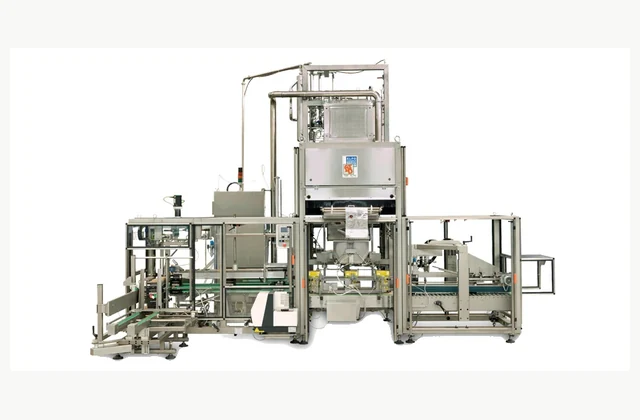
Shown as a configuration reference. Availability and the equipment offered for your project are confirmed separately.
Fitment: application and input specification
Bag-in-box fillers dose liquid or semiliquid product into flexible bags through a fitment, then close the pack for placement in a box or other support. The reference ultra-hygienic web-bag machine illustrates one process; aseptic bulk bag filling is a separate application review.
Provide bag, fitment and closure specifications with product viscosity, particles, temperature and dose. Define the required hygiene concept and distribution conditions. Wine, oil, water and dairy products can have different product-protection requirements even when they use a similar bag shape.
The fitment is a critical mechanical interface. External similarity does not prove that a cap can be opened, held and reclosed by the same tooling. Supply drawings and real components, including ordinary tolerances, and inspect closure behavior after the filled pack has been handled.
Hygiene concept: configuration tradeoffs
Compare manual bag loading or automatic web handling, dosing method, fitment access and closure sequence. State whether filling is ambient, hot, ultra-hygienic or aseptic. Those terms require different system scope and must not be treated as interchangeable machine options without validation.
A flexible bag needs controlled support during filling. Product movement and pack weight can load the neck or trap folds. Review the support and discharge sequence using the actual bag construction rather than judging a manually supported demonstration on an open bench.
| Decision | What to resolve | Useful evidence |
|---|---|---|
| Fitment | Opening, holding and closure compatibility | Production-component filling trial |
| Hygiene concept | Ultra-hygienic versus aseptic scope | Defined process and validation plan |
| Pack handling | Bag support and box dispensing | Complete-package handling inspection |
Process integration and handover points
Assign product supply, bag feeding, opening, filling, closure, bag separation and box handling. Coordinate any gas or product-protection functions and identify the accepted handover. Include the physical support and transfer that prevents a filled flexible bag from stressing its fitment.
Dosing must follow product condition. Air, particles or viscosity changes can affect the proposed measuring principle. Include ordinary supply variation and clarify whether deaeration, product conditioning or upstream buffering is part of the offer or remains another supplier's responsibility.
Installation and maintainable operating arrangements
Review cleaning access, product circuits and the required utility quality with the proposed hygiene arrangement. Reserve bag and box supply space, safe handling of filled packs and drainage. Clarify cleaning or sterilization responsibilities separately for product, machine and packaging where applicable.
Ultra-hygienic filling should be specified through its actual process. Identify packaging treatment, protected areas, cleaning routines and utility conditions. It must not be represented as aseptic solely because the machine is enclosed or supplied with a cleaning connection.
Acceptance evidence for pack handling
Fill production bags with the intended product and check dose, closure engagement, leakage, bag handling and dispensing. Include replenishment and interruption conditions. Agree specialist hygiene or shelf-life validation where required rather than accepting a preservation claim based solely on a leak-free sample.
Box insertion and dispensing can reveal packaging problems missed at the filler. Check that the filled bag can be positioned without damaging the fitment or film and that the user can access the dispenser. Retain samples from the intended full packaging sequence.
OEM/ODM scope and future changes
ODM may include fitment tooling, product dosing, web handling and cartoning integration. Approve real packaging trials and documentation. OEM artwork and identification are separate requests, with a written feasibility response for the proposed equipment and no assumed license to relabel the manufacturer reference.
Keep product, bag, closure and recipe revisions linked. A changed fitment or laminate may affect tooling, integrity and dispensing at once. Review the affected trials before treating a new packaging source as an interchangeable supply for an accepted bag-in-box product.
Image reference: FBR ELPO N.A.F. Ultra Hygienic bag-in-box filler. The illustrated manufacturer configuration does not establish stock, an agency appointment or permission to relabel it. OEM/ODM requests require a written feasibility response for the actual proposed equipment.
Include these application details in your quotation request:
- Product viscosity, particles and fill temperature
- Bag laminate, dimensions and dose
- Fitment, cap and dispenser drawings
- Hygiene concept and distribution conditions
- Manual or web-bag feeding requirements
- Product supply and conditioning scope
- Cleaning and utility-quality responsibilities
- Bag support, box insertion and discharge
- Filled-pack integrity and dispensing trial
- OEM/ODM fitment tools and packaging approvals
What should your bag-in-box filler RFQ include?
- Product viscosity, particles and fill temperature
- Bag laminate, dimensions and dose
- Fitment, cap and dispenser drawings
- Hygiene concept and distribution conditions
- Manual or web-bag feeding requirements
- Product supply and conditioning scope
- Cleaning and utility-quality responsibilities
- Bag support, box insertion and discharge
- Filled-pack integrity and dispensing trial
- OEM/ODM fitment tools and packaging approvals
Need OEM / ODM customization?
Submit branding, packaging, configuration or engineering requirements for this equipment. Include the target market, initial and annual quantities, required changes and acceptance criteria.
Customization feasibility, permitted branding, development responsibilities, minimum quantity, cost and lead time are reviewed for the proposed supplier and configuration before a quotation is confirmed.
Frequently asked questions
What inputs determine selection of bag-in-box filler?
Provide bag, fitment and closure specifications with product viscosity, particles, temperature and dose. Define the required hygiene concept and distribution conditions. Wine, oil, water and dairy products can have different product-protection requirements even when they use a similar bag shape.
How should I compare hygiene concept options?
Compare manual bag loading or automatic web handling, dosing method, fitment access and closure sequence. State whether filling is ambient, hot, ultra-hygienic or aseptic. Those terms require different system scope and must not be treated as interchangeable machine options without validation.
Which adjoining operations need to be specified?
Assign product supply, bag feeding, opening, filling, closure, bag separation and box handling. Coordinate any gas or product-protection functions and identify the accepted handover. Include the physical support and transfer that prevents a filled flexible bag from stressing its fitment.
What is a useful acceptance trial for bag-in-box filler?
Fill production bags with the intended product and check dose, closure engagement, leakage, bag handling and dispensing. Include replenishment and interruption conditions. Agree specialist hygiene or shelf-life validation where required rather than accepting a preservation claim based solely on a leak-free sample.
Which OEM/ODM changes can I request?
ODM may include fitment tooling, product dosing, web handling and cartoning integration. Approve real packaging trials and documentation. OEM artwork and identification are separate requests, with a written feasibility response for the proposed equipment and no assumed license to relabel the manufacturer reference.
What application boundary is easy to overlook?
The fitment is a critical mechanical interface. External similarity does not prove that a cap can be opened, held and reclosed by the same tooling. Supply drawings and real components, including ordinary tolerances, and inspect closure behavior after the filled pack has been handled.
Reference information
- FBR ELPO N.A.F. Ultra Hygienic bag-in-box filler official reference
- FBR ELPO related technology or portfolio reference
Reference data and images explain equipment configurations. IndustryApex engineers confirm the offered model, specification and commercial scope in your project quotation.