
Produce combed sliver with a comber matched to fiber preparation, lap format and the intended yarn quality. Compare material utilization, noil handling and stable output together, with trials that connect the combing settings to the downstream spinning result. Prioritize objective, lap interface, utilization. Use the checkpoints to build a consistent equipment scope and confirm the intended trial or installation evidence. The official image is a product reference; it does not establish availability or an authorized supplier relationship. Submit OEM/ODM changes for application-specific feasibility review.
Produce combed sliver with a comber matched to fiber preparation, lap format and the intended yarn quality. Compare material utilization, noil handling and stable output together, with trials that connect the combing settings to the downstream spinning result.
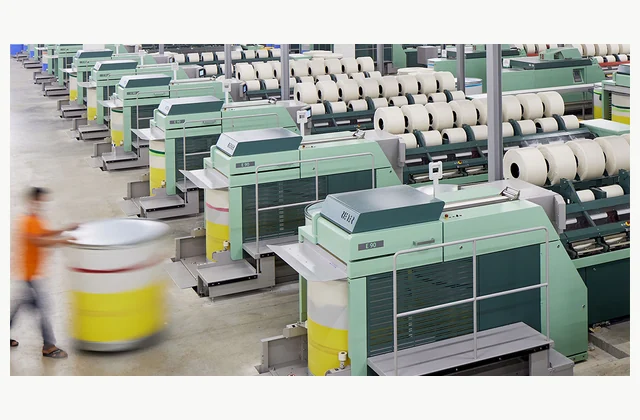
Shown as a configuration reference. Availability and the equipment offered for your project are confirmed separately.
Define why the yarn route needs combing
Combing is a particular preparation stage and should be selected for the required fiber and yarn outcome. Describe raw material, length characteristics, blend and intended yarn specifications. Identify the upstream preparation and the downstream drawing or spinning route. A comber is not a substitute for every cleaning or drawing task. The purchasing objective should explain the desired sliver and yarn properties rather than ask for minimum waste or maximum output as unrelated targets.
Confirm lap and feed compatibility
Lap width, weight, diameter, tube and transfer arrangement must fit the selected comber. Provide the existing lap-preparation equipment and the format it delivers. Check how laps are loaded, unwound and replaced and whether selected automation is included. The Rieter E 90 reference describes a specific combing system with configuration-dependent options. Compatibility should be documented at the interface rather than inferred from a photograph of similar-looking lap packages.
Balance noil extraction and quality
Noil removal relates to material and the quality objective; less removal is not automatically the correct result. Agree the incoming material and how noil, sliver and downstream yarn will be evaluated together. Compare offers using equivalent trial conditions. A claim about raw-material utilization should state its basis and configuration. Buyers need evidence of useful output at the required quality, not a waste percentage presented without the fiber condition or resulting yarn properties.
| Selection issue | Information to specify |
|---|---|
| Objective | Fiber properties, desired sliver and downstream yarn route. |
| Lap interface | Format, preparation equipment and loading or transfer arrangement. |
| Utilization | Noil, useful yield and quality measured together. |
| Functions | Included monitoring, controls, recipes and reporting. |
| Layout | Lap and can routes, noil collection and service access. |
| Trial | Representative fiber, lap condition and downstream evidence. |
Specify monitoring and adjustment functions
Ask what is measured, controlled and recorded in the proposed arrangement and which functions are optional. Monitoring supports a defined response process; a display alone does not establish automatic correction or quality assurance. Clarify settings and recipes for the intended product changes and who may alter them. Include access to the relevant software or reporting system if used. Avoid transferring capabilities from another model or a fully equipped demonstration machine to an incomplete base offer.
Coordinate laps, cans and service space
The floor plan needs incoming lap movement, outgoing sliver cans, cleaning and maintenance access. State can dimensions and material-handling routes, including any automated transfer. Identify how lots remain separated and how residual material or noil is collected. A central-machine footprint can conceal important installation and labor requirements. Ask for services and accessory scope for the exact arrangement so the mill can compare a working combing stage rather than the comber alone.
Accept the combing stage through representative trials
Use the intended material and lap condition and record the chosen configuration and settings. Assess sliver consistency, useful yield, stable operation, lap changes and the required downstream evidence by agreed methods. Include cleaning and routine service tasks with mill staff. Obtain technology-component and parts identification and training for selected automation. A successful trial using a different fiber or lap arrangement should not be treated as proof of the buyer’s proposed production case.
Bound OEM/ODM by the complete fiber route
Lap handling, identification and line integration can be reviewed. Changes to combing elements, drives, sensing or material paths require process engineering and trials. Provide input material, lap format and the desired yarn route with the brief. A customized alternative requires its own evidence for quality and material utilization. Private labeling or a reference image does not transfer another manufacturer’s design permissions, performance claims or documentation responsibilities.
What should your textile combing machine RFQ include?
- Objective: Fiber properties, desired sliver and downstream yarn route.
- Lap interface: Format, preparation equipment and loading or transfer arrangement.
- Utilization: Noil, useful yield and quality measured together.
- Functions: Included monitoring, controls, recipes and reporting.
- Layout: Lap and can routes, noil collection and service access.
- Trial: Representative fiber, lap condition and downstream evidence.
- Destination, site conditions and delivery access
- Installation boundary, utilities and connection drawings
- Acceptance procedure, documentation and training scope
- OEM/ODM changes: interface, material, branding or new design; written engineering feasibility required
Need OEM / ODM customization?
Submit branding, packaging, configuration or engineering requirements for this equipment. Include the target market, initial and annual quantities, required changes and acceptance criteria.
Customization feasibility, permitted branding, development responsibilities, minimum quantity, cost and lead time are reviewed for the proposed supplier and configuration before a quotation is confirmed.
Frequently asked questions
Is minimum noil always the best combing objective?
No. Noil must be considered with raw-material condition, sliver and downstream yarn requirements. Agree trial conditions and quality measurements before comparing removal figures. A lower percentage without equivalent material and output evidence does not establish better useful yield for the buyer’s application.
Which lap details are needed for a comber inquiry?
Provide width, weight, diameter, tube and the preparation and transport arrangement. Confirm loading and unwinding interfaces for the exact comber. Similar-looking laps or membership in the same general process family do not prove compatibility between the existing preparation machine and the proposed combing stage.
Does quality monitoring automatically correct every defect?
Not necessarily. Determine what the selected system measures, how it responds and which functions are included. A display or alarm is different from a documented automatic adjustment. Define operator response and reporting needs so optional monitoring is evaluated through the mill’s actual quality workflow.
Why do can and lap routes affect selection?
They determine material movement, lot identity, labor and space around the machine. State formats and transfer methods and include cleaning and noil collection. A suitable comber can still create a bottleneck if its surrounding handling arrangement does not support the intended operating schedule.
How should combing acceptance be evaluated?
Use representative fiber and laps and agree sliver, material-utilization and downstream quality measurements. Include stable running and lap changes where relevant. Retain material identity, settings and configuration so the evidence corresponds to the delivered arrangement rather than another product demonstrated under different conditions.
Can a comber be customized for existing preparation equipment?
Handling and integration interfaces can be submitted for review. Changes affecting combing mechanics, drives or sensing require process assessment and trials. Provide lap formats, fiber range and the yarn objective in the OEM/ODM brief and define evidence for the complete modified stage.
Reference information
- Comber E 90 – Highest Sliver Quality for Spinning | Rieter
- Draw Frames, Combers & Roving Frames – Superior Spinning Preparation
Reference data and images explain equipment configurations. IndustryApex engineers confirm the offered model, specification and commercial scope in your project quotation.