
Prepare fibers through a coordinated opening, cleaning and material-transfer line selected for the raw material and spinning route. Compare the complete process sequence, useful fiber yield and downstream feed quality rather than treating a blowroom as one interchangeable machine. Prioritize raw materials, process, yield. Use the checkpoints to build a consistent equipment scope and confirm the intended trial or installation evidence. The official image is a product reference; it does not establish availability or an authorized supplier relationship. Submit OEM/ODM changes for application-specific feasibility review.
Prepare fibers through a coordinated opening, cleaning and material-transfer line selected for the raw material and spinning route. Compare the complete process sequence, useful fiber yield and downstream feed quality rather than treating a blowroom as one interchangeable machine.
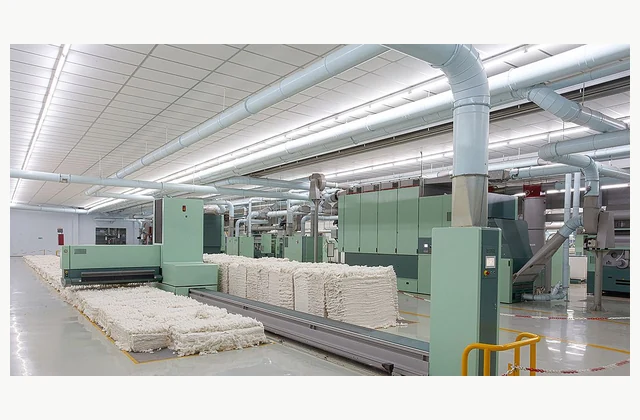
Shown as a configuration reference. Availability and the equipment offered for your project are confirmed separately.
Define the raw material and spinning objective
A blowroom line combines several preparation functions ahead of carding or another defined textile route. Specify cotton, man-made fibers, blends or recycled inputs with their condition and variability. Identify the intended yarn process and quality requirements. Some materials need a different opening and cleaning strategy from others. The purchasing objective should be usable prepared fiber for that route, not the most complicated collection of modules or the highest catalogue input rate.
Choose the process sequence deliberately
Bale take-off, opening, mixing, cleaning and dust removal need a coordinated sequence matched to the material. Ask the supplier to explain the role of each proposed module and any bypass arrangements. The Rieter VARIOline reference is an example of a configurable blowroom concept. Its modularity does not establish that every combination suits every fiber. Require a process flow showing where material is treated, transferred and delivered to the next stage.
Balance cleaning with useful fiber retention
Removing unwanted material and preserving useful fiber are related process decisions. A high waste-removal figure should not be assumed beneficial without knowing what was removed and the resulting fiber condition. Define the incoming material and agree a trial evaluation that includes waste characterization and downstream quality. For fibers or recycled materials with particular sensitivities, the process recommendation should explain how unnecessary treatment is avoided while meeting the required preparation objective.
| Selection issue | Information to specify |
|---|---|
| Raw materials | Fiber properties, contamination, blends and recycled-input variation. |
| Process | Selected module sequence and purpose of each treatment. |
| Yield | Useful-fiber retention, waste characterization and output quality. |
| Transfer | Ducts, fans, buffers, extraction and controls. |
| Changes | Lot identity, cleaning access and recipe schedule. |
| Acceptance | Representative input through the complete downstream interface. |
Engineer ducts, air and line controls
Pneumatic transport, buffers and demand control influence the installed line’s performance and services. Provide a layout, downstream demand and available utility information. Identify which supplier sizes and supplies ducts, fans, extraction and the combined controls. Any claim about energy or output should state the proposed configuration and operating case. A set of central machines without the coordinated material-transfer design is not a complete blowroom quotation.
Plan material changes and contamination management
Different fibers and lots can create carryover, cleaning and traceability requirements. Describe the production schedule, sensitive materials and how bales or feeds remain identified. Ask how residual fiber is removed or segregated and what access operators need. Include the effect of changeovers on usable line output. A line intended for long uninterrupted lots can be a poor match for frequent small recipes even if its maximum running capacity appears attractive.
Accept the output at the downstream interface
Use representative raw material and record the complete trial arrangement. Assess prepared fiber, useful yield, stability and the feed delivered to carding or the intended next stage. Include utilities, waste handling and the agreed quality measurements without applying invented universal limits. Request training, module identification and service documentation. The acceptance should describe the installed process as a system, rather than allow individual module demonstrations to stand in for evidence of balanced line operation.
Scope OEM/ODM through a line responsibility matrix
Layout, module selection, identification and control integration can be reviewed. New cleaning or opening mechanics and protective arrangements require process engineering and material trials. Supply the raw-material range and spinning objective with the brief. Agree which party owns ducts, controls, civil interfaces and final acceptance. A private-label alternative needs its own process evidence and service information; it cannot inherit a reference system’s energy, yield or quality claims.
What should your textile blowroom line RFQ include?
- Raw materials: Fiber properties, contamination, blends and recycled-input variation.
- Process: Selected module sequence and purpose of each treatment.
- Yield: Useful-fiber retention, waste characterization and output quality.
- Transfer: Ducts, fans, buffers, extraction and controls.
- Changes: Lot identity, cleaning access and recipe schedule.
- Acceptance: Representative input through the complete downstream interface.
- Destination, site conditions and delivery access
- Installation boundary, utilities and connection drawings
- Acceptance procedure, documentation and training scope
- OEM/ODM changes: interface, material, branding or new design; written engineering feasibility required
Need OEM / ODM customization?
Submit branding, packaging, configuration or engineering requirements for this equipment. Include the target market, initial and annual quantities, required changes and acceptance criteria.
Customization feasibility, permitted branding, development responsibilities, minimum quantity, cost and lead time are reviewed for the proposed supplier and configuration before a quotation is confirmed.
Frequently asked questions
Is a blowroom line a single machine?
It is a coordinated sequence of equipment and material transfer for the intended preparation task. Functions can include take-off, opening, mixing, cleaning and dust removal. Specify the raw material and downstream route so the proposed modules and interfaces form a coherent process rather than an arbitrary equipment list.
Does every fiber need the same cleaning arrangement?
No. Material properties, contamination and the intended route influence the preparation strategy. Ask why each treatment is included and trial representative inputs. A module sequence suitable for one cotton or blend should not be assumed appropriate for man-made fibers or a different recycled-material stream.
Is more removed waste always better?
Not necessarily. The buyer needs to understand what was removed and how useful fiber and downstream quality were affected. Agree input conditions, waste characterization and output measurements. A high removal figure without that context can conceal unnecessary useful-fiber loss rather than demonstrate better preparation.
Which transfer equipment should a complete quotation include?
Define ducts, fans, extraction, buffers and controls between the selected modules and the downstream stage. Allocate design and supply responsibility explicitly. Comparing only central-machine prices can leave major material-flow and utility requirements outside the offer and obscure whether the line will run as a balanced system.
How should a blowroom line be accepted?
Use representative material and the agreed complete configuration. Evaluate prepared fiber, useful yield, stable flow and downstream feed quality alongside utilities and waste handling. Record module settings and interfaces so the evidence corresponds to the delivered system rather than isolated machine demonstrations.
Can a blowroom line be customized for a mill?
Layout, module selection and control integration are natural areas for review. New treatment mechanics require process assessment and material trials. Provide fiber range, lot changes and the spinning objective in the OEM/ODM brief and define responsibility for the complete line’s evidence and handover.
Reference information
- Blowroom Line VARIOline – Rieter's Solution for Perfect Fiber Preparation
- Blowroom & Carding Machines – Sliver Quality for Spinning | Rieter
Reference data and images explain equipment configurations. IndustryApex engineers confirm the offered model, specification and commercial scope in your project quotation.