
Understand the key cost components of mining conveyor systems, from capital expenditure to energy use, maintenance, and downtime planning.
Mining conveyor system cost extends far beyond initial equipment purchase. Buyers who focus only on the invoice price miss the operational expenses that determine total cost of ownership over a system's 15- to 25-year lifespan. Energy consumption, belt replacement, component wear, downtime events, and maintenance labor can exceed capital cost by a factor of three or more in high-throughput applications.
Understanding what drives mining conveyor system cost helps procurement teams compare suppliers, negotiate contracts, and plan budgets that reflect real operational conditions. This article breaks down the expense categories that matter most, examines the tradeoffs between upfront investment and lifecycle performance, and provides a framework for evaluating total cost of ownership without relying on invented price points or generic assumptions.
Quick answer: Mining conveyor system cost is shaped by capital expenditure (equipment, installation, civil works), operating expenses (energy, labor, consumables), maintenance requirements (scheduled and unplanned), and downtime impact. Total cost of ownership over the system lifecycle typically runs two to four times the initial purchase price, with energy and maintenance representing the largest ongoing expenses in continuous-duty applications.
Capital Expenditure Components in Mining Conveyor Systems
Capital cost for a mining and engineering conveyor system includes equipment procurement, installation labor, civil works, and integration with existing infrastructure. Belt conveyors, structural steel, drive assemblies, idlers, tension systems, and control hardware constitute the core equipment package. Installation adds field assembly, alignment, and commissioning services.
Civil works cover foundations, support structures, and terrain preparation. Overland conveyors crossing varied topography require earthworks, access roads, and protection from environmental conditions. Underground systems need ventilation coordination, explosion-proof electrical gear in certain jurisdictions, and careful integration with mine ventilation and egress routes.
Scope differences explain much of the variation in capital cost. A simple horizontal belt feeding a crusher at a quarry carries different engineering requirements than a multi-kilometer overland system with intermediate transfer points, curve sections, and elevation changes exceeding 200 meters. Specifying capacity, belt speed, material characteristics, and operating environment allows suppliers to price accurately rather than offering placeholder estimates that later require adjustment.
Equipment Selection and Long-Term Cost Impact
Component quality affects capital cost and operating expenses in opposite directions. Heavy-duty idlers with sealed bearings and reinforced shells cost more than standard versions but reduce replacement frequency and unplanned maintenance. High-efficiency drives with variable frequency controls increase upfront investment while cutting energy consumption by 15 to 30 percent in variable-load applications.
Belt specification represents another critical tradeoff. Steel-cord belts handle higher tension and longer distances than fabric-ply designs but require specialized splicing equipment and trained personnel. Selecting a belt based solely on tensile strength without considering splice durability, cover abrasion resistance, and impact capacity leads to premature failure and emergency replacement costs that overwhelm any initial savings.

Energy Consumption and Efficiency Considerations
Energy represents the largest single operating cost in most continuous-duty mining conveyor installations. According to the International Energy Agency, material handling accounts for a significant share of total mining energy expenditure, and conveyor systems consistently deliver lower cost-per-ton than diesel haulage fleets at scale. However, actual energy consumption varies with belt speed, load profile, friction losses, elevation change, and drive efficiency.
A fully loaded 1,200 mm belt conveyor transporting 2,000 tonnes per hour over 5 kilometers on level terrain might draw 300 to 500 kilowatts, depending on idler quality, belt tension, and drive configuration. The same system climbing a 10-degree grade would require substantially more power. Multiplying continuous power demand by local electricity rates and annual operating hours reveals the energy cost component of total ownership.
Drive system selection directly impacts efficiency. Modern variable frequency drives adjust motor speed to match load conditions, reducing energy waste during partial-load operation. Regenerative drives on downhill runs recover energy that would otherwise dissipate as heat in braking systems. These technologies add capital cost but deliver measurable energy savings in applications with variable throughput or favorable elevation profiles.
Auxiliary Systems and Parasitic Loads
Main drive power dominates energy consumption, but auxiliary systems contribute measurable costs. Belt cleaning systems, dust suppression equipment, lighting, control panels, and communications infrastructure all draw continuous or intermittent power. In cold climates, belt heating or enclosure climate control prevents material freeze and belt damage, adding to the energy budget.
Idle running during shift changes, maintenance windows, or upstream production interruptions represents pure energy cost with no material moved. Systems designed to shut down quickly and restart reliably reduce this waste, but not all conveyor configurations tolerate frequent starts. Tension systems, alignment sensitivity, and downstream process requirements constrain operational flexibility in many installations.
Maintenance Costs and Replacement Cycles
Scheduled maintenance includes inspection, lubrication, alignment checks, belt tracking adjustments, and component replacement at defined intervals. Labor, spare parts, and downtime for planned maintenance accumulate steadily over the system's life. Unplanned maintenance triggered by unexpected failures carries higher cost due to emergency parts procurement, premium labor rates, and lost production.
Belt replacement represents the single largest maintenance expense in most systems. Belt life depends on material abrasiveness, load impact, conveyor speed, cleaning effectiveness, and splice quality. A well-maintained belt in a controlled application might deliver 40,000 to 60,000 operating hours. The same belt specification in a high-impact, poorly maintained environment could fail in under 20,000 hours. Replacement cost includes the belt itself, splicing labor, and production downtime during installation.
Idler replacement follows belt replacement as the next major recurring cost. Bearing failures, shell damage, and misalignment wear degrade idler performance and damage belts. Inspection intervals and replacement strategies balance the cost of premature replacement against the risk of belt damage from failed idlers. Condition monitoring systems using vibration sensors or thermal imaging identify failing idlers before catastrophic failure but add technology cost and analysis overhead.
Drive and Component Overhaul
Motors, gearboxes, couplings, and braking systems require periodic overhaul or replacement. Electric motors in dusty, high-vibration environments need bearing replacement and insulation testing at intervals determined by duty cycle and environmental exposure. Gearboxes require oil changes, seal replacement, and eventually gear inspection or replacement after years of continuous operation.
Structural steel, support towers, and transfer chutes degrade through corrosion, fatigue, and impact damage. Painting, reinforcement, and eventual replacement of heavily worn sections extend system life but require budget allocation. Ignoring structural maintenance leads to catastrophic failures with far higher repair costs and safety risks.

Downtime Impact on Total Cost of Ownership
Production lost during conveyor downtime translates directly to revenue loss in most mining operations. A conveyor feeding a processing plant that generates $50,000 per hour in gross margin costs the operation that amount for every hour it stands idle. Even brief stoppages accumulate into significant lost production over a year.
Planned maintenance downtime can be scheduled during low-demand periods, shift changes, or coordinated plant shutdowns, minimizing revenue impact. Unplanned failures occur at random and often cascade through interconnected systems. A single belt rip detector activation can shut down multiple conveyors, crushers, and screens, multiplying the production impact.
Redundancy and bypass capacity reduce downtime risk but increase capital cost. Dual conveyor lanes, emergency stockpiles, and mobile equipment backup allow production to continue during maintenance or failure events. The economic justification for redundancy depends on downtime frequency, production value, and the cost of alternative material handling during outages.
Spare Parts Inventory and Lead Times
Maintaining critical spare parts on site reduces repair time but ties up working capital in inventory. Belts, idlers, drive components, and control electronics represent typical spare parts requirements. Long procurement lead times for specialized components force operators to choose between expensive air freight, extended downtime, or large inventory investments.
Supplier after-sales support affects downtime cost through parts availability, technical assistance, and field service response time. Buyers sourcing from distant suppliers should verify parts supply chains, local service networks, and emergency support procedures before committing to a purchase. A lower capital cost that comes with poor parts availability and slow technical response often proves more expensive over the ownership period.
Total Cost of Ownership Decision Framework
Comparing mining conveyor system cost across suppliers requires standardizing the evaluation criteria. A lifecycle cost model that projects capital, energy, maintenance, and downtime expenses over the planned operating period provides the clearest comparison. The table below outlines the key cost categories and typical data sources for each.
| Cost Category | Typical Components | Data Sources for Estimation |
|---|---|---|
| Capital Expenditure | Equipment, installation, civil works, commissioning | Supplier quotations, site-specific engineering studies |
| Energy | Drive power, auxiliaries, idle running | Motor ratings, duty cycle, local electricity rates |
| Scheduled Maintenance | Labor, consumables, routine parts replacement | Manufacturer maintenance schedules, labor rates |
| Unplanned Maintenance | Emergency repairs, expedited parts, overtime labor | Historical failure data, supplier reliability records |
| Belt Replacement | Belt cost, splicing, installation downtime | Expected belt life, tonnage throughput, material type |
| Downtime | Lost production, cascading system impacts | Plant margin per hour, historical availability data |
Discount rates, inflation assumptions, and planning horizons introduce additional variables. A 10-year analysis at a 5% discount rate will favor lower capital cost, while a 20-year analysis at 3% discount shifts the balance toward higher-quality components with lower operating costs. Sensitivity analysis that varies key assumptions reveals which cost drivers have the greatest impact on total ownership expense.
Buyers should request lifecycle cost projections from suppliers and verify the underlying assumptions. Unrealistic belt life claims, optimistic energy consumption figures, or omitted maintenance requirements distort comparisons and lead to poor purchasing decisions. Independent validation using industry benchmarks and third-party engineering review reduces the risk of supplier-biased projections.

Practical Buyer Checklist for Cost Evaluation
Evaluating mining conveyor system cost requires collecting specific technical and commercial information from suppliers and validating it against operational requirements. The following checklist provides a structured approach:
- Capital cost breakdown: Separate equipment, installation, civil works, commissioning, and contingency into distinct line items for comparison across bids.
- Energy consumption data: Obtain motor ratings, drive efficiency curves, auxiliary power requirements, and idle power draw to calculate annual energy cost.
- Maintenance requirements: Request detailed maintenance schedules, recommended spare parts lists, and estimated labor hours for routine and major overhauls.
- Component specifications: Verify belt type and grade, idler bearing type and seal design, drive configuration, and control system architecture against application requirements.
- Belt life projection: Ask for expected belt life in operating hours and total tonnage, along with the material and application assumptions behind the estimate.
- Warranty and support: Clarify warranty duration, coverage scope, parts availability, field service response time, and local support infrastructure.
- Downtime assumptions: Understand planned maintenance frequency, expected availability percentage, and typical repair times for common failure modes.
- Training and documentation: Confirm operator training, maintenance training, technical documentation quality, and ongoing technical support availability.
Procurement teams should also evaluate the supplier's track record in similar applications, reference installations available for site visits, and the stability of their supply chain for critical components. A turnkey solutions provider with integration experience reduces coordination risk and clarifies responsibility for system performance.
Integration with Existing Mining Infrastructure
Few mining conveyor systems operate in isolation. Integration with crushers, screens, stockpiles, and downstream processing equipment determines overall system performance and influences total cost. Transfer points, chute design, and dust control must account for material flow characteristics, particle size distribution, and moisture content to avoid blockages, spillage, and excessive wear.
Electrical integration with mine power distribution, control system compatibility with existing SCADA or DCS platforms, and coordination with safety interlocks and emergency stop circuits require careful engineering. Retrofit projects face additional constraints from existing foundations, spatial limitations, and the need to maintain production during installation. These integration challenges add engineering cost and project risk that buyers must include in total cost projections.
Conveyor systems often share infrastructure with other equipment types. Understanding how automatic packaging line cost and robotic welding cell cost are evaluated in other industrial contexts helps procurement teams apply similar lifecycle costing discipline to mining equipment purchases.
Standards, Compliance, and Localization Considerations
Mining equipment faces jurisdiction-specific regulations covering electrical safety, structural design, environmental protection, and worker safety. Conveyor systems installed in underground coal mines must meet explosion protection standards in many countries. Surface mining operations face dust emission limits, noise restrictions, and wildlife impact requirements that vary by location.
Compliance costs appear in engineering fees, specialized components, testing and certification, and documentation preparation. Buyers should clarify which party bears responsibility for regulatory compliance, local code adherence, and any required third-party inspections or approvals. Suppliers unfamiliar with destination-country requirements introduce risk of delays, redesign costs, and failed commissioning.
Voltage and frequency standards, communication protocols, spare parts availability, and local service networks all affect total cost of ownership. A system designed for 50 Hz operation requires modification for 60 Hz markets. Control systems using proprietary protocols limit flexibility and lock buyers into single-source parts supply. These localization issues rarely appear in initial quotations but emerge during installation and operation, adding unexpected costs.
Frequently Asked Questions
What is the typical lifespan of a mining conveyor system?
Properly maintained mining conveyor systems operate for 15 to 25 years, though major component replacement occurs throughout that period. Belt replacement happens every few years depending on duty severity, while structural steel and support towers can last the full system life with periodic refurbishment. Drive components and electrical systems typically require overhaul or replacement at 10- to 15-year intervals.
How does material type affect conveyor system cost?
Abrasive materials like iron ore or crushed rock require thicker belt covers, heavier idlers, and more robust transfer point designs, increasing both capital cost and maintenance expenses. High-moisture materials need additional cleaning systems and corrosion-resistant components. Lump size, bulk density, and angle of repose influence belt width, motor power, and structural requirements, all of which scale cost proportionally.
What drives energy cost differences between conveyor systems?
Belt speed, conveyor length, elevation change, loaded versus empty running, and drive efficiency determine energy consumption. A loaded uphill conveyor consumes far more energy per tonne-kilometer than a level or downhill run. Variable frequency drives, regenerative braking on downhill sections, and high-efficiency motors reduce energy cost but add capital expense. Actual energy cost depends on local electricity rates and annual operating hours.
How can buyers reduce total cost of ownership?
Investing in higher-quality components that reduce energy use and extend maintenance intervals lowers lifecycle cost despite higher upfront price. Predictive maintenance programs using condition monitoring catch failures before they cause production loss. Training operators and maintenance staff to perform routine tasks correctly prevents premature component wear. Establishing reliable spare parts supply reduces emergency procurement costs and shortens repair time.
What should buyers ask suppliers about after-sales support?
Buyers should confirm parts availability and lead times, field service response commitments, technical support contact methods, warranty coverage scope and duration, and the supplier's local service network or authorized partners. Understanding how the supplier handles emergency breakdowns, parts obsolescence, and system upgrades over the ownership period prevents costly surprises years after installation.
How does conveyor system cost compare to truck haulage?
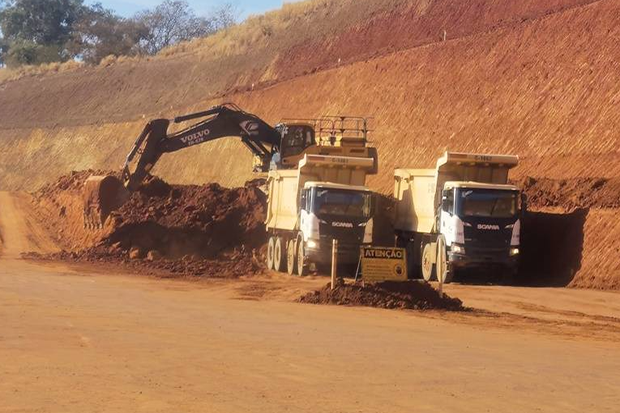
Conveyor systems carry higher capital cost but lower operating cost per tonne-kilometer than truck haulage in continuous, high-volume applications. Energy, labor, and maintenance expenses for trucks exceed conveyor costs when tonnage and distance justify the fixed infrastructure investment. The break-even point depends on throughput volume, haul distance, terrain, fuel prices, and labor rates. Each operation requires site-specific analysis rather than generic cost comparisons.
Conclusion
Mining conveyor system cost reflects a complex interplay of capital investment, energy consumption, maintenance requirements, and downtime impact. Buyers who evaluate total cost of ownership rather than focusing solely on purchase price make better-informed decisions that align with operational and financial goals. Understanding the cost drivers outlined in this article allows procurement teams to compare suppliers fairly, negotiate contracts that allocate risk appropriately, and budget for the full lifecycle expenses of critical material handling infrastructure.
Evaluating conveyor systems alongside other mining equipment, such as reviewing mining drone specifications, helps buyers build a complete picture of technology options and cost structures. For support integrating conveyor systems with broader mining infrastructure, contact us to discuss your project requirements and total cost of ownership planning.