
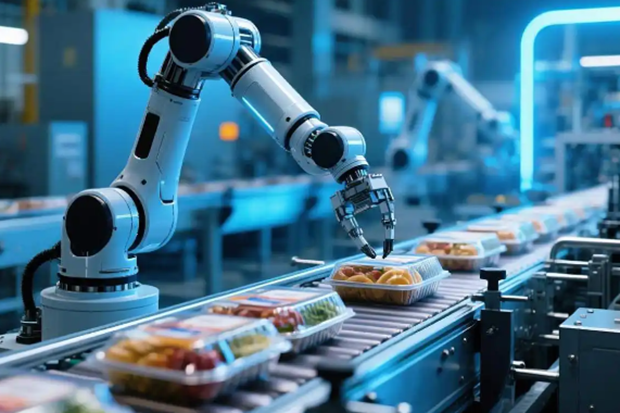
Understand automatic packaging line cost components, from equipment and installation to maintenance and labor. Make informed TCO decisions.
Quick Answer
Automatic packaging line cost extends far beyond the equipment price tag. Total cost of ownership includes capital investment, installation and integration, operator training, spare parts inventory, preventive maintenance, energy consumption, and end-of-life disposal. Smart buyers evaluate these factors together rather than chasing the lowest upfront price, which often signals insufficient capacity or capability for production demands.
Understanding Automatic Packaging Line Cost Components
The global packaging automation market is projected to grow significantly, driven by labor shortages and demand for operational efficiency across food, dairy, chemicals, agriculture, and manufacturing. Yet many industrial buyers make costly mistakes by focusing only on the sticker price of equipment. This approach ignores the real financial drivers that shape whether a packaging investment becomes a competitive advantage or an operational burden.
An automatic packaging line cost structure reflects six major categories: the equipment itself, site preparation and installation, integration with existing production systems, training and documentation, consumables and spare parts, and ongoing operational support. Understanding each component helps you budget accurately and negotiate effectively with OEMs and system integrators.
Capital Equipment Investment
The equipment cost varies widely based on automation level, production capacity, and customization. A basic single-function machine—such as a standalone filling unit or labeler—costs substantially less than an integrated line combining filling, capping, labeling, and palletizing. Modular systems allow you to start with core functions and expand later, which can spread capital outlay across budget cycles.
Key specifications that influence equipment pricing include:
- Throughput capacity: Measured in units per minute or containers per hour. Higher speeds command higher prices but lower per-unit production cost.
- Product compatibility: Single-format lines cost less than flexible systems that handle multiple container sizes, shapes, or closure types.
- Material of construction: Food-grade stainless steel and washdown-rated controls add cost but are mandatory for dairy, beverage, and pharmaceutical applications.
- Customization level: Standard configurations are less expensive than bespoke designs tailored to unusual products or packaging formats.
Within the packaging machinery category, equipment options range from compact tabletop systems for small producers to full-scale integrated lines for large manufacturers. Selecting the right capacity—neither undersized nor over-specified—is critical to avoiding both bottlenecks and wasted investment.
Installation and Integration Costs
Equipment price rarely includes the cost of making it production-ready. Installation encompasses site preparation, electrical and pneumatic connections, software configuration, and integration with upstream and downstream processes. Many first-time buyers underestimate these expenses, which can add 15–30% to the capital cost depending on facility complexity.
Integration costs depend on:
- Facility readiness: Existing electrical capacity, compressed air availability, floor space layout, and utility upgrades needed to support the line.
- Connection to material handling: Conveyor feeds from filling equipment to labelers, then to palletizers require careful alignment and control synchronization.
- Data connectivity: Modern lines use sensors and PLCs to track production metrics. Integration with your manufacturing execution system (MES) or enterprise resource planning (ERP) system adds complexity and cost.
- Validation requirements: Pharmaceutical and high-regulated food products often require system validation and documentation to meet compliance standards, extending installation timelines.
Industrial machinery installations typically benefit from experienced system integrators who manage site coordination, minimize production downtime, and ensure systems operate within design specifications from day one.

Operator Training and Knowledge Transfer
Effective operation and troubleshooting require trained personnel. The cost of training includes on-site instruction by equipment vendors or integrators, travel expenses, and production time lost during learning phases. Documentation—operator manuals, maintenance schedules, spare parts lists, and troubleshooting guides—should be clear and in your primary working language.
Budget for:
- Initial operator certification (typically 3–5 days on-site for complex integrated lines).
- Maintenance technician training (separate from operator training, covering diagnostics, adjustments, and component replacement).
- Management training on performance monitoring, OEE (Overall Equipment Effectiveness) tracking, and change-over procedures.
- Periodic refresher sessions as staff turnover occurs.
Quality training reduces downtime from operator error and extends equipment life by ensuring proper handling and preventive maintenance.
Spare Parts and Consumables
Packaging lines contain hundreds of wear components: belts, bearings, seals, cutting blades, nozzles, and electrical components. Unplanned downtime is expensive; maintaining a stock of critical spares minimizes production interruptions. Consumables—labels, tape, shrink film, or pallets—are separate from spare parts but equally essential to continuous operation.
Budget considerations:
- Lead times for replacement parts: Sourcing from the equipment manufacturer or approved distributors ensures compatibility but may require 2–8 week lead times for specialized components.
- Availability of local service: Geographic proximity to service centers, spare parts distributors, or authorized dealers reduces logistics costs and downtime.
- Commonality of components: Lines using standard industrial parts (motors, gearboxes, sensors) have lower spare parts costs than proprietary components.
For equipment sourced internationally, establish service agreements that clarify spare parts pricing, delivery terms, and warranty coverage before purchasing.
Preventive Maintenance and Support
Regular maintenance extends equipment life and reduces catastrophic failures. Preventive maintenance includes scheduled inspections, lubrication, calibration, and component replacement before wear causes breakdowns. The cost includes labor (internal staff or contracted service providers) and parts.
Support structures to consider:
- Service contracts: Annual or multi-year agreements that bundle labor, travel, and parts at a fixed or tiered cost.
- Remote diagnostics: Many modern lines include remote monitoring capabilities that allow vendors to identify issues early and guide troubleshooting.
- Spare parts agreements: Consignment stock or priority fulfillment programs that ensure critical components are available when needed.
- Performance guarantees: Some vendors offer uptime commitments or service level agreements (SLAs) with penalties if availability falls below agreed thresholds.
Preventive maintenance typically costs 5–10% of equipment price annually, but saves substantially on emergency repairs and lost production.

Energy and Utilities Consumption
Automatic packaging lines consume electrical power, compressed air, and sometimes water or cooling systems. Energy cost scales with throughput and line configuration. A high-speed integrated line running 16–20 hours daily consumes significantly more power than a lower-speed, intermittent operation.
Account for:
- Motor and drive efficiency: Newer variable frequency drives (VFDs) reduce energy use compared to fixed-speed motors.
- Compressed air: Pneumatic actuators are common in packaging; air leaks and inefficiencies inflate utility costs. Compressed air quality and pressure requirements vary by equipment type.
- Thermal management: Some lines require chilled water or cooling systems, particularly for heat-seal or shrink-wrap operations.
- Facility upgrades: Upgrading electrical panels, installing larger air compressors, or adding cooling capacity increases project cost.
Energy costs are often overlooked during purchasing but accumulate significantly over a 10–15 year equipment lifespan.
Logistics, Customs, and Delivery
Equipment sourced internationally incurs freight, customs clearance, tariffs, and insurance. These costs vary by country of origin, destination, equipment size and weight, and current trade regulations. Working with experienced logistics providers or equipment suppliers familiar with international shipping reduces delays and unexpected fees.
Factors affecting logistics costs:
- Incoterms: Whether the vendor pays shipping (CIF, DDP) or you arrange transport (FOB, EXW) affects your financial exposure.
- Customs classification: Equipment duty rates depend on HS codes and origin; some trade agreements reduce tariffs.
- Installation and commissioning: Whether vendor technicians travel to your facility for setup and validation affects total delivered cost.
- Payment terms: Negotiating extended terms or milestone-based payments improves cash flow.
Transparent cost structures from vendors and integrators help you budget accurately without surprises during procurement.
Comparative Decision Framework
| Cost Category | Impact on TCO | Timeline | Control Factors |
|---|---|---|---|
| Equipment purchase | 40–50% | Upfront | Capacity, customization, specs |
| Installation & integration | 15–25% | Months 1–3 | Site readiness, system complexity |
| Training & documentation | 2–5% | Months 1–4 | Staff size, language, depth |
| Spare parts & inventory | 3–8% | Year 1 onward | Part commonality, sourcing location |
| Maintenance & support | 5–15% | Years 1–10+ | Service contracts, uptime targets |
| Energy & utilities | 10–20% | Ongoing | Efficiency ratings, operating hours |
This framework shows that equipment price alone represents less than half of total cost of ownership. Decisions made during vendor selection, installation planning, and maintenance strategy directly affect the bottom line across a decade or more of operation.
Sourcing From Global Suppliers
Industrial sourcing platforms connecting international buyers with manufacturers help identify suppliers that meet your specifications and budget. When evaluating vendors, request detailed quotes that break down equipment, installation, training, and support costs separately. Compare not just price but warranty terms, response times, spare parts availability, and post-sale support infrastructure.
Transparency from the outset prevents misunderstandings and cost overruns. Confirm:
- What is included in the equipment price (delivery, installation, initial training).
- Warranty period and what is covered (parts, labor, travel).
- Availability of spare parts and consumables in your region.
- Response time for technical support and on-site service.
- Payment terms and conditions for international purchase.
Building a partnership with a reliable supplier—rather than chasing the lowest bid—typically yields better long-term economics.

Buyer Checklist for Automatic Packaging Line Investment
Before committing to an automatic packaging line purchase, validate these elements:
- ✓ Production forecast: Confirm that equipment capacity aligns with your 3–5 year production plan.
- ✓ Facility readiness: Verify electrical, pneumatic, and space requirements are available or can be upgraded within budget.
- ✓ Staff capability: Ensure internal expertise or contracted support exists to operate and maintain the equipment.
- ✓ Regulatory compliance: Confirm equipment meets product-specific standards (food safety, pharmaceutical validation, etc.).
- ✓ Integration plan: Document how the line connects to upstream (material handling, filling) and downstream (labeling, palletizing) processes.
- ✓ Financial analysis: Calculate payback period based on labor savings, throughput gains, and waste reduction—not equipment cost alone.
- ✓ Vendor qualifications: Review references, service infrastructure, and financial stability of the equipment manufacturer.
- ✓ Spare parts strategy: Establish a parts stocking plan and approve supplier terms before equipment arrives.
- ✓ Training schedule: Define training curriculum, staff assignments, and timeline during installation phase.
- ✓ Support agreement: Negotiate post-warranty service, maintenance contracts, and escalation procedures in writing.
Frequently Asked Questions
What is the typical payback period for an automatic packaging line investment?
Payback depends on labor cost reduction, throughput improvement, waste reduction, and product value. For food and beverage producers, payback often occurs within 3–5 years due to significant labor cost savings and increased line speed. For lower-volume or specialized applications, payback may extend to 7–10 years. Calculate payback by dividing total investment by annual net savings (labor reduction plus efficiency gains minus operating costs).
How much does installation and commissioning add to equipment cost?
Installation typically adds 15–30% to equipment cost, depending on facility complexity, existing infrastructure, and customization. Simple plug-and-play installations on prepared sites cost less than integrating a line into crowded production floors or connecting multiple systems. Request itemized installation quotes from integrators before purchasing.
What spare parts should I stock for a new packaging line?
Stock critical wear items with short lead times: belts, bearings, seals, cutting blades, and pneumatic valve components. Ask the equipment vendor to recommend a minimum parts kit and establish a parts agreement that ensures availability. Inventory value typically represents 5–10% of equipment cost.
How does geographic location of the supplier affect total cost?
Suppliers near your facility reduce travel costs for installation, training, and support calls. International suppliers may offer competitive pricing but add freight, customs, and longer lead times. Factor in spare parts availability and technical support response time—not just equipment price—when comparing domestic versus international sources.
Can I upgrade or expand a packaging line after purchase?
Modular system designs allow adding functions (e.g., adding a labeler to an existing filler). Standalone equipment and pre-integrated lines are harder to expand. Discuss modularity and future growth plans with vendors during selection to avoid purchasing oversized single-purpose equipment.
What ongoing support options reduce long-term costs?
Service contracts bundling preventive maintenance, spare parts, and 24/7 support reduce downtime and emergency repair costs. Remote diagnostics and condition-based monitoring (sensors tracking equipment health) allow vendors to detect issues early. Compare fixed-cost annual support agreements against pay-per-service options based on your risk tolerance and production criticality.
Conclusion
Automatic packaging line cost extends across equipment, installation, training, spare parts, maintenance, energy, and support—not just the purchase price. Industrial buyers who evaluate total cost of ownership, align equipment capacity with production forecasts, and establish clear service agreements make decisions that strengthen competitiveness and operational reliability. Turnkey solutions and system integration services can simplify this process by bundling equipment, installation, and support into a coordinated offering, reducing complexity and hidden costs. Whether sourcing domestically or internationally, transparency and long-term partnership with your supplier yield better outcomes than chasing the lowest bid. Prioritize vendors who understand your production requirements, offer clear cost structures, and demonstrate commitment to post-sale support.