
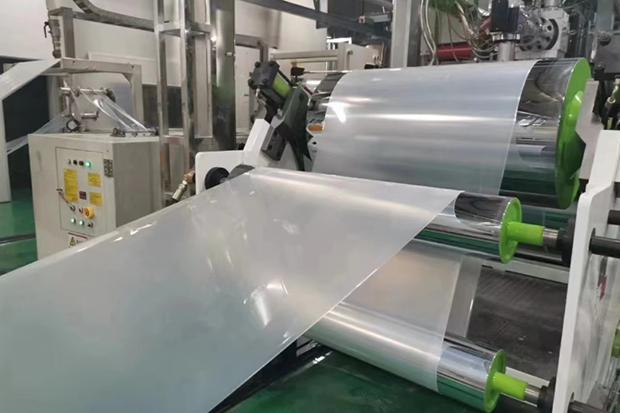
Learn how to import plastic recycling machine from China with this detailed guide covering supplier qualification, documentation, logistics, and after-sales.
Sourcing a plastic recycling machine from China offers access to competitive pricing, diverse equipment configurations, and established manufacturing expertise. However, successful procurement depends on rigorous supplier qualification, clear technical specifications, proper documentation, and structured after-sales planning. This guide walks through the complete import process for industrial buyers, OEM teams, and factory managers planning to source plastic processing equipment from Chinese manufacturers.
Quick answer: To import plastic recycling machine from China, define your technical requirements first (capacity, material type, output form), qualify suppliers through factory audits and references, negotiate clear terms covering equipment specifications and after-sales support, arrange pre-shipment inspection, coordinate customs clearance and logistics, and ensure installation training and spare parts availability. Budget 90–180 days from inquiry to commissioning.
Why China for Plastic Recycling Equipment
China manufactures approximately 40% of global plastic processing and recycling machinery, with concentrated production clusters in Jiangsu, Zhejiang, and Guangdong provinces. These regions host specialized manufacturers offering equipment from entry-level shredders at $15,000 to complete automated pelletizing lines exceeding $500,000.
Key advantages include:
- Established supply chains for components like extruders, washing systems, and granulators
- Flexible customization for different plastic types (PET, HDPE, LDPE, PP, PVC)
- Competitive pricing compared to European and North American alternatives
- Experience with international standards and export documentation
Industrial buyers benefit from direct factory engagement, which allows specification adjustments, production oversight, and clearer accountability compared to trading intermediaries.
Step 1: Define Your Technical Requirements
Before contacting suppliers, document your operational parameters. Vague inquiries generate mismatched quotes and waste time on both sides.
Critical Specifications
Your requirements document should address:
- Input material: Plastic type (PET bottles, PE film, PP rigid, mixed post-consumer), contamination level, moisture content
- Processing capacity: Target throughput in kg/hour (typical ranges: 100–300 kg/h for small lines, 500–1,000 kg/h for mid-scale, 2,000+ kg/h for industrial)
- Output form: Washed flakes, pellets/granules, or both
- Line configuration: Standalone machines (shredder, washer, extruder) or integrated washing and pelletizing line
- Power supply: Voltage and frequency standard in your facility (e.g., 380V/50Hz, 440V/60Hz)
- Automation level: Manual loading, semi-automatic, or fully automated with PLC control
- Footprint constraints: Available floor space and ceiling height
Additional considerations include water consumption for washing lines, dust collection requirements, and whether you need extrusion for direct pelletizing or only size reduction and washing.
Budget Ranges by System Type
| System Type | Capacity Range | Typical Price Range (USD) |
|---|---|---|
| Standalone shredder | 200–500 kg/h | $15,000–$40,000 |
| Washing line (PET/PE) | 500–1,000 kg/h | $80,000–$150,000 |
| Single-screw pelletizing line | 300–600 kg/h | $60,000–$120,000 |
| Complete wash + pelletizing line | 500–1,500 kg/h | $150,000–$350,000 |
| High-capacity automated line | 2,000+ kg/h | $350,000–$500,000+ |
These figures reflect FOB pricing and vary based on component quality, automation level, and brand positioning.

Step 2: Identify and Qualify Suppliers
Supplier qualification determines equipment quality, delivery reliability, and long-term support. This step requires active investigation beyond marketing claims.
Sourcing Channels
Industrial buyers typically use:
- Trade platforms: Alibaba, Made-in-China, Global Sources (verify premium memberships and transaction history)
- Industry exhibitions: Chinaplas, K Show (Germany), NPE (USA) where Chinese manufacturers exhibit
- Direct manufacturer websites: Search for factories in Zhangjiagang, Dongguan, and Ningbo—established recycling machinery hubs
- Industry referrals: Consult with existing recycling operators or OEM partners with China sourcing experience
Focus on manufacturers, not trading companies. Request business licenses, factory photos, and production videos as initial screening.
Qualification Checklist
- Factory audit: Visit in person or arrange third-party inspection (SGS, TÜV, Bureau Veritas). Verify production equipment, quality control processes, and assembly areas
- Operating history: Minimum 5–10 years in plastic recycling machinery manufacturing
- Export experience: Request customer lists by country/region and export volume data
- Reference projects: Contact 2–3 existing customers operating similar equipment and ask about commissioning experience, uptime, and after-sales responsiveness
- Technical capability: Review design drawings, component sourcing (motors, gearboxes, control systems), and in-house vs. outsourced fabrication
- Certifications: ISO 9001 for quality management; CE marking if exporting to EU (verify through notified body); UL or CSA for North America where applicable
Request detailed technical proposals from 3–4 shortlisted suppliers. Compare specifications, component brands, warranty terms, and delivery schedules side by side.
Step 3: Negotiate Terms and Lock Down Specifications
Clear purchase agreements prevent costly misunderstandings during production and commissioning.
Contract Essentials
Your purchase order or sales contract must define:
- Equipment specifications: Reference detailed technical drawings, component brand and model numbers, material of construction (e.g., stainless steel vs. carbon steel for washing tanks)
- Performance guarantees: Output capacity, energy consumption, yield rate (percentage of usable output), and acceptable scrap rate
- Testing and acceptance: Factory acceptance test (FAT) protocol, witness testing rights, and pass/fail criteria before shipment
- Delivery terms: Incoterms (FOB, CIF, DAP), port of loading, lead time from deposit to ready-for-shipment, and penalties for delay
- Payment structure: Typical is 30% deposit, 60% before shipment, 10% after commissioning; negotiate retention until performance verification
- Warranty and support: Equipment warranty period (commonly 12–24 months), coverage scope, spare parts availability, response time for technical support, and on-site service terms
Specify training requirements: number of operators and maintenance personnel to be trained, duration (typically 3–7 days on-site), and documentation language.
Documentation Requirements
Request these documents before final payment:
- Packing list with equipment serial numbers and weights
- Commercial invoice with correct HS codes for customs (HS 8477 for plastics working machinery)
- Certificate of origin (Form E for ASEAN, standard CO for others)
- Quality inspection certificate or third-party inspection report
- Operation and maintenance manuals in English (or target language)
- Electrical schematics and PLC program documentation
- Spare parts catalog with ordering codes
If importing to the EU, verify CE technical file completeness. For North America, confirm electrical compliance with local codes (NEC, CEC).

Step 4: Arrange Pre-Shipment Inspection and Logistics
Independent verification before shipment protects against non-conforming equipment and reduces commissioning delays.
Pre-Shipment Inspection (PSI)
Hire a third-party inspection agency to conduct factory acceptance testing. The inspector should verify:
- Equipment matches contracted specifications and drawings
- Functional testing of all systems (motors, hydraulics, control panels)
- Load testing at specified capacity with sample material if possible
- Surface finish, welds, and protective coatings meet standards
- Packaging adequacy for ocean freight (moisture protection, bracing, container loading)
PSI typically costs $300–$800 depending on equipment complexity and inspection duration. Schedule 2–3 weeks before planned shipment date.
Freight and Logistics Planning
Plastic recycling equipment often ships as multiple containers or requires special handling for oversized components.
- Freight mode: Ocean freight for full lines; air freight only for urgent spare parts
- Container requirements: Standard 20ft or 40ft containers for smaller machines; 40ft high-cube or flat rack for extruders and washing tanks
- Insurance: Marine cargo insurance covering equipment value plus freight (typically 110% of CIF value)
- Lead time: 20–40 days ocean transit from major Chinese ports (Shanghai, Ningbo, Shenzhen) to North America, Europe, or Southeast Asia
Coordinate with a freight forwarder experienced in industrial machinery. They handle container booking, export customs clearance in China, and documentation for import clearance at destination.
Customs and Import Duties
Research import regulations and duty rates for your country before ordering. Key considerations:
- HS classification: Plastic recycling machines typically fall under HS 8477.80 (machinery for working rubber or plastics) with duty rates varying by country (0–7% in most markets)
- Import permits: Check if machinery requires pre-clearance or environmental permits in your jurisdiction
- VAT and GST: Account for value-added taxes applied at import (ranges from 5–20% depending on country)
- Temporary import: If testing equipment before final purchase, investigate temporary import bonds or ATA Carnets
Work with a licensed customs broker at your destination port to ensure compliant clearance. Budget 5–10 business days for customs processing after arrival.
Step 5: Plan Installation, Commissioning, and Training
Successful commissioning requires coordinated site preparation, technical supervision, and operator training.
Site Preparation
Before equipment arrival, complete:
- Foundation work: Concrete pads with anchor bolt positions per supplier drawings; curing time 14–28 days
- Utilities: Electrical supply with appropriate voltage, phase, and circuit protection; water supply and drainage for washing systems; compressed air if required
- Material handling: Forklift or crane capacity adequate for heaviest components (extruder barrels often exceed 2 tons)
- Environmental compliance: Dust collection, wastewater treatment, and noise mitigation per local regulations
Share facility layout drawings with the supplier 4–6 weeks before shipment to identify conflicts early.
Commissioning and Training
Most suppliers include commissioning support in the contract. Typical scope:
- Mechanical installation: Equipment positioning, alignment, piping and wiring connections (often subcontracted locally with supplier supervision)
- Electrical integration: Panel installation, motor wiring, PLC programming verification
- System testing: No-load running, calibration, trial production with actual feedstock
- Operator training: Equipment operation, parameter adjustment, routine maintenance, troubleshooting common issues
- Documentation handover: As-built drawings, test reports, maintenance schedules
Budget 10–20 days for installation and commissioning depending on line complexity. Negotiate travel, accommodation, and daily service rates for Chinese technicians in your contract.
For buyers planning turnkey production line implementations across multiple categories, many sourcing principles overlap. Similarly, understanding automatic packaging line cost drivers helps with budgeting integrated downstream systems.
Step 6: Establish After-Sales Support and Spare Parts Strategy
Long-term equipment reliability depends on accessible technical support and parts availability.
After-Sales Agreement
Formalize post-warranty support terms:
- Response time: Email/phone support availability (time zones matter); remote diagnostic capabilities via VPN or TeamViewer
- On-site service: Cost structure for return visits, travel reimbursement, and daily rates
- Spare parts: Minimum stock list for critical wear components (blades, screens, seals, bearings); lead time and shipping method; price validity period
- Upgrades and retrofits: Availability of capacity upgrades, automation improvements, or process optimizations
Some suppliers maintain regional service centers or partner with local agents. Verify actual service coverage rather than relying on claims.
Recommended Spare Parts Inventory
Stock at a minimum:
- Shredder and granulator blades (2 sets)
- Filter screens and mesh for washing systems (3–5 units)
- Extruder screw elements and barrel liners (1 set)
- Hydraulic seals and O-rings (assorted)
- Drive belts and couplings (2 each)
- Electrical contactors, relays, and sensors (1–2 each)
Order initial spare parts with the main equipment to consolidate freight costs. Request a 5-year parts availability guarantee in writing.
Buyer Qualification Checklist
Use this checklist to track your import preparation:
- Technical scope: Input material type, capacity target, output form, and automation level defined
- Supplier verification: Factory audit completed; 2–3 reference customers contacted; certifications validated
- Contract clarity: Specifications, testing protocol, payment terms, warranty, and training documented
- Compliance research: Import duties, permits, and safety standards for destination country confirmed
- Logistics plan: Freight forwarder engaged; insurance arranged; customs broker identified
- Site readiness: Foundation, utilities, and material handling equipment prepared before arrival
- Commissioning schedule: Installation timeline, technician visas, and training participants confirmed
- After-sales structure: Support terms agreed; spare parts ordered; emergency contact established
Frequently Asked Questions
How long does it take to import plastic recycling machine from China?
Expect 90–180 days total from initial inquiry to operational commissioning. This includes 2–4 weeks for supplier qualification and quotation, 8–16 weeks manufacturing lead time, 3–6 weeks for ocean freight and customs clearance, and 2–3 weeks for installation and commissioning. Rush orders may reduce manufacturing time by 20–30% with premium pricing, but logistics and site preparation remain fixed.
What certifications should I require from Chinese suppliers?
Require ISO 9001 for quality management as baseline. For EU markets, verify CE marking issued by a notified body (not self-declared) and request the complete technical file. North American buyers should confirm electrical components meet UL or CSA standards. Ask for test reports from recognized labs (SGS, TÜV, Intertek) rather than factory-issued certificates. Certification rigor affects equipment safety and resale value.
Can I visit the factory before placing an order?
Yes, and it is strongly recommended for orders above $100,000. Factory visits let you assess production capability, component quality, and assembly processes directly. Schedule visits during production of similar equipment to observe actual work rather than showroom displays. Many buyers coordinate visits during major trade shows when travel to China is already planned. For smaller orders or initial sampling, third-party inspection services provide cost-effective verification.
What payment terms are standard for plastic recycling equipment?
Standard terms are 30% deposit upon contract signing, 60% before shipment (after pre-shipment inspection), and 10% retention after successful commissioning. Some suppliers accept letters of credit (L/C) for larger orders, which provides additional security. Avoid 100% prepayment unless working with a verified, long-term supplier. The 10% retention motivates proper commissioning support and gives you leverage for any punch-list items.
How do I handle warranty claims and technical support from China?
Document all issues with photos, videos, and operational logs. Contact the supplier immediately via agreed channels (email, WeChat, WhatsApp). For mechanical failures, request remote diagnosis first—many issues resolve through parameter adjustment or operator guidance. For parts replacement, suppliers typically ship via DHL/FedEx (3–5 days) at their cost during warranty. Negotiate a local service agent or partner for faster response if your operation is business-critical. Maintain detailed service records to support any disputes.
Should I buy individual machines or a complete integrated line?
Integrated lines offer better material flow, lower labor requirements, and single-source accountability but cost more upfront and require greater floor space. Start with integrated systems if you have clear feedstock supply, defined quality targets, and capital budget above $150,000. Buy individual machines if testing market demand, processing variable materials, or building capacity incrementally. Ensure individual machines have compatible interfaces (voltage, control signals, conveyor heights) if you plan future integration.
Conclusion
Learning how to import plastic recycling machine from China successfully requires systematic supplier qualification, detailed technical specifications, rigorous contract terms, and proactive commissioning planning. Buyers who invest time in factory audits, reference checks, and pre-shipment inspection significantly reduce risk of equipment underperformance or support gaps.
The Chinese plastic recycling machinery sector offers proven technology at competitive pricing, but long-term success depends on choosing manufacturers with export experience, accessible after-sales support, and transparent communication. Industrial buyers benefit from treating the supplier relationship as a partnership rather than a transaction, maintaining regular contact through commissioning, startup, and ongoing operation.
For organizations requiring coordinated sourcing across multiple equipment categories or assistance with supplier qualification, documentation, and logistics coordination, turnkey solutions can streamline the import process. Additional guidance on related industrial import projects is available through our contact page.
Sources
- Jwell Extruder Sourcing Guide: referência técnica
- Energycle Plastic Recycling Machine Price Analysis: referência técnica
- European Commission Plastic Recycling Regulations: referência técnica
- Association of Plastic Recyclers Market Report: referência técnica