
Agree measurable acceptance criteria before the order. Test the quoted system with real materials and retain results, exceptions and corrective actions.
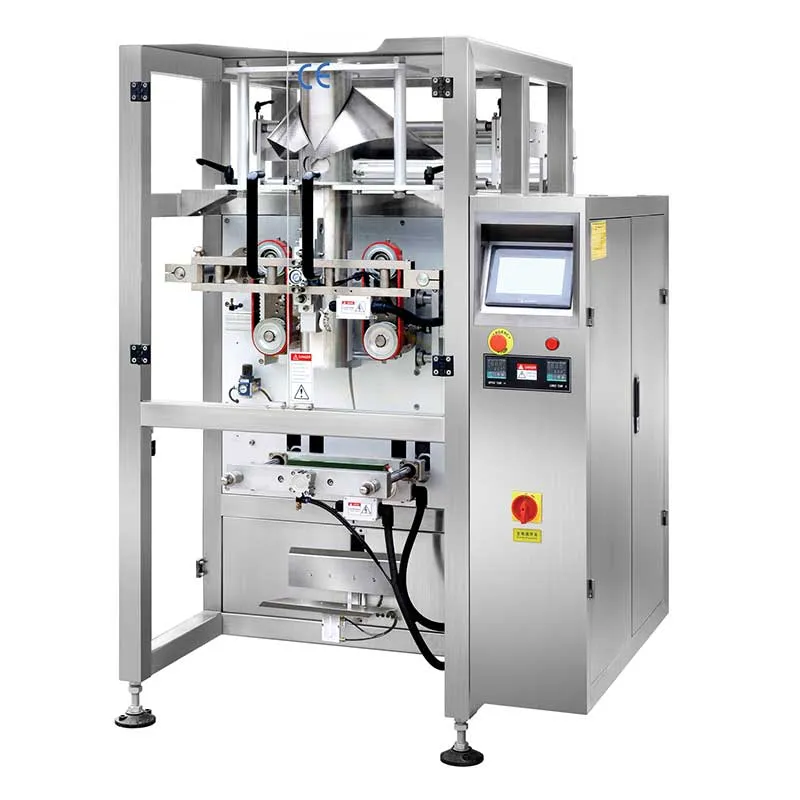
Shown as a configuration reference. Availability and the equipment offered for your project are confirmed separately.
A packaging-machine factory acceptance test should prove agreed results using your actual product and packaging material. Define how fill weight, seal quality and accepted packs per minute are counted. Record stoppages, rejects, changeovers and corrective actions so the trial supports the purchasing decision.
Download equipment RFQ checklist ↗ · Discuss this application on WhatsApp ↗
Shown as a configuration reference. Availability and the equipment offered for your project are confirmed separately.
A useful packaging-machine acceptance test checks the purchased system against written, measurable requirements using representative product and packaging materials. Agree the plan before placing the order. A short demonstration proves that a machine can run; it does not by itself establish the output, package quality or changeover performance you need.
Agree what will be tested
Identify the equipment, configuration, software version and included line components. Name the product batches, fill weights, bag formats and material lots. Set the run length, sampling method and acceptance limits with the supplier and your production team. There is no universal speed or weight tolerance suitable for all products.
PMMI’s OpX Leadership Network publishes acceptance-test guidance covering factory, virtual factory and site acceptance expectations. Use its framework as an industry reference, then document criteria specific to your project. The checklist below is an IndustryApex buying aid; it is not a certification or a substitute for your agreed protocol.
Record quality and output together
| Test area | Suggested record |
|---|---|
| Output | Total packs, accepted packs, rejects, run duration and interruptions |
| Fill | Individual sample results, scale details, timestamps and agreed limits |
| Seal | Agreed inspection or test result, sample identification and defects |
| Coding | Correct content, position, readability and restart behavior |
| Changeover | Parts changed, operator actions, elapsed time and first accepted pack |
| Line integration | Feeding, discharge, inspection and response to agreed stoppages |
Keep measurement units and definitions consistent. Record the cause of each interruption rather than discarding stops from the reported rate. Retain samples from the beginning, middle and end of the run, and label them so results can be traced. Ask the supplier to explain any difference between the trial setup and your planned installation.
Include operation and handover
Have trained supplier personnel demonstrate normal startup, shutdown, product replenishment and recovery from agreed faults. Review guarding, emergency functions and instructions with the people responsible for the equipment. Record operator training, cleaning access, maintenance procedures and backup of settings. Final site-specific suitability needs review by your responsible installation and safety personnel.
Inspect the included tools, spare parts, format kits, electrical drawings and manuals. Confirm the language and software access your operators need. A complete handover should identify which documents will arrive before shipment and which are completed during commissioning.
Close exceptions before shipment
List every deviation with its evidence, responsible party and correction deadline. Define whether it prevents release, requires a repeat test or is accepted with an agreed remedy. Tie shipment and payment milestones to the negotiated contract. Do not treat an unresolved result as passed merely because the machine is ready to pack.
Plan a site acceptance test after installation. Utilities, upstream feeding and downstream handling can differ from the factory setup. For a remote factory test, agree live camera coverage, raw records, sample retention and how the buyer can request additional checks. A promotional edit should not replace the agreed evidence.
Questions and inquiry fields
- Send products, packaging specifications, fill targets and required accepted output.
- Include line scope, changeover formats, utilities, destination and installation plan.
- Ask: who supplies samples, material and measuring equipment for the test?
- Ask: which criteria must pass before shipment and how are retests handled?
- Ask: who signs the report and supports site acceptance?
IndustryApex supplies industrial equipment with professional engineering support. Our engineers can help define a written acceptance plan and coordinate the required manufacturer evidence before you order.
Download equipment RFQ checklist ↗ · Discuss this application on WhatsApp ↗
Explore the Packaging machine buying guide and RFQ checklist ↗
Frequently asked questions
What should a packaging-machine FAT prove?
It should show whether the agreed system meets written project criteria for accepted output, filling, sealing, coding, operation and integration using representative materials.
Can a packaging-machine FAT be done remotely?
It can be planned remotely when all parties agree the method. Specify live coverage, measurements, retained samples, records, exceptions and the buyer’s ability to request checks.
Does a factory test replace site acceptance?
No. Plan confirmation after installation under site utilities and line conditions. Agree factory and site responsibilities, criteria and corrective actions in advance.
Reference information
- PMMI OpX Leadership Network: One Voice for Acceptance Tests
- Syntegon: VFFS Machine Platforms and Material Considerations
- ZON PACK: Packaging Systems and Components
Reference data and images explain equipment configurations. IndustryApex engineers confirm the offered model, specification and commercial scope in your project quotation.