
A wastewater evaporator separates a volatile water fraction from a concentrated residue using a defined heat and vapor-handling system. Distillate quality and residue disposal are both essential to feasibility. Choose the configuration by waste stream and concentration target and heat pump mvr or available heat. Evaporate representative wastewater and measure distillate quality, concentration, energy conditions, foaming and fouling. Examine the residue at the intended endpoint. OEM/ODM requirements are reviewed against the intended process, site interfaces and acceptance evidence; the reference image identifies a product family and does not establish supply availability or an authorized brand relationship.
A wastewater evaporator separates a volatile water fraction from a concentrated residue using a defined heat and vapor-handling system. Distillate quality and residue disposal are both essential to feasibility. Concentrates a process waste stream; scaling, residue disposal and heat source define feasibility.
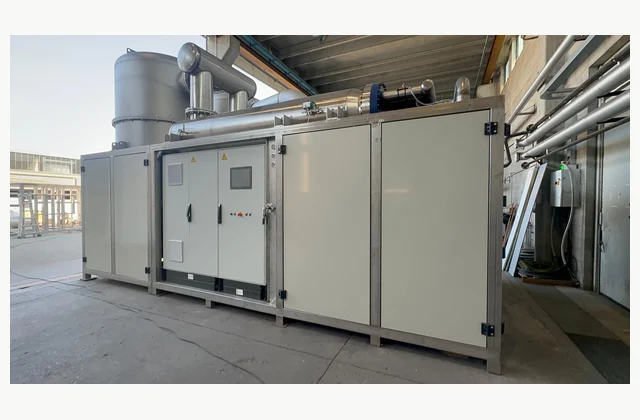
Shown as a configuration reference. Availability and the equipment offered for your project are confirmed separately.
What is the application scope for wastewater evaporation concentrator?
A wastewater evaporator separates a volatile water fraction from a concentrated residue using a defined heat and vapor-handling system. Distillate quality and residue disposal are both essential to feasibility.
Concentrates a process waste stream; scaling, residue disposal and heat source define feasibility. Evaporation does not automatically produce reusable water or eliminate a hazardous residue; both outputs need characterization.
How should waste stream and concentration target be specified?
Provide chemistry, boiling behavior, salts, organics, solids, foaming and corrosion risks. Identify volatile contaminants that could travel into the distillate.
The RFQ should make waste stream and concentration target a separate review item. Describe the expected variation, not only the easiest operating case, and ask the bidder to identify restrictions that affect the intended production mix.
What configuration evidence should be compared?
Compare suitable heat sources, vacuum conditions, circulation, cleaning and concentrate discharge. Include condenser cooling, pretreatment and storage in the project boundary.
Agree what the equipment receives and what it must deliver before requesting a commercial offer. Keep upstream preparation, the core process and downstream handling visible in the scope, because their interfaces can govern usable performance.
| Decision | Evidence to compare | Procurement consequence |
|---|---|---|
| Waste stream and concentration target | Provide chemistry, boiling behavior, salts, organics, solids, foaming and corrosion risks. Identify volatile contaminants that could travel into the distillate. | Defines the input and work envelope to be included in the offer. |
| Heat pump MVR or available heat | Compare suitable heat sources, vacuum conditions, circulation, cleaning and concentrate discharge. Include condenser cooling, pretreatment and storage in the project boundary. | Determines configuration, supporting equipment and exclusions. |
| Production acceptance | Evaporate representative wastewater and measure distillate quality, concentration, energy conditions, foaming and fouling. Examine the residue at the intended endpoint. | Establishes the agreed demonstration and inspection records. |
What must be prepared for installation?
Plan utilities, ventilation, corrosion-resistant containment, cleaning chemicals and a permitted route for concentrated waste.
Make the installation boundary explicit in the quotation. Shipping dimensions alone do not describe the working area; reserve room for access, material handling, isolation points and replacement of the largest service component.
How should production acceptance be demonstrated?
Evaporate representative wastewater and measure distillate quality, concentration, energy conditions, foaming and fouling. Examine the residue at the intended endpoint.
Make acceptance measurable and assign responsibility for the instruments, consumables and test material. Include operator recovery from a normal interruption so repeatability is assessed alongside the best steady-state result.
Which service provisions protect repeatability?
Monitor heat-transfer surfaces, vacuum, pumps, seals and residue buildup; retain cleaning and chemistry records.
Budget for the parts and inspection skills that sustain the process. Establish who owns backups, parameter records and calibration evidence, and how a change of component or consumable is reviewed before returning to production.
What can be customized through OEM or ODM?
OEM skid arrangements can be tailored; ODM complex waste requires evaporation trials and a complete water and waste mass balance.
Submit the proposed changes with the wastewater evaporation concentrator duty and acceptance plan. Separate a purchased option from new engineering, and agree drawings, validation responsibility, documentation and spare-part support before design release. The manufacturer example is a technical reference only; customization does not imply permission to copy protected designs or use a brand.
Request an itemized offer that identifies tooling or auxiliaries, freight assumptions, commissioning, operator training and recurring consumables. Agree who supplies trial inputs and inspection instruments, and resolve deviations before comparing the complete project cost.
What should your wastewater evaporation concentrator RFQ include?
- Wastewater evaporation concentrator application and required process result
- Waste stream and concentration target: Provide chemistry, boiling behavior, salts, organics, solids, foaming and corrosion risks. Identify volatile contaminants that could travel into the distillate.
- Heat pump MVR or available heat: Compare suitable heat sources, vacuum conditions, circulation, cleaning and concentrate discharge. Include condenser cooling, pretreatment and storage in the project boundary.
- Representative input variation and difficult production cases
- Required acceptance evidence: Evaporate representative wastewater and measure distillate quality, concentration, energy conditions, foaming and fouling. Examine the residue at the intended endpoint.
- Site and utility scope: Plan utilities, ventilation, corrosion-resistant containment, cleaning chemicals and a permitted route for concentrated waste.
- Service provision: Monitor heat-transfer surfaces, vacuum, pumps, seals and residue buildup; retain cleaning and chemistry records.
- OEM/ODM engineering scope: OEM skid arrangements can be tailored; ODM complex waste requires evaporation trials and a complete water and waste mass balance.
- Upstream preparation and downstream handling interfaces
- Destination country and applicable installation requirements
- Production schedule, changeover mix and operator availability
- Drawings, samples, inspection method and rejected-output criteria
Need OEM / ODM customization?
Submit branding, packaging, configuration or engineering requirements for this equipment. Include the target market, initial and annual quantities, required changes and acceptance criteria.
Customization feasibility, permitted branding, development responsibilities, minimum quantity, cost and lead time are reviewed for the proposed supplier and configuration before a quotation is confirmed.
Frequently asked questions
What defines the application boundary for wastewater evaporation concentrator?
A wastewater evaporator separates a volatile water fraction from a concentrated residue using a defined heat and vapor-handling system. Distillate quality and residue disposal are both essential to feasibility. Concentrates a process waste stream; scaling, residue disposal and heat source define feasibility. Define the intended production result before comparing nominal ratings, and ask for evidence using the actual input conditions.
What should the wastewater evaporation concentrator RFQ state about waste stream and concentration target?
Provide chemistry, boiling behavior, salts, organics, solids, foaming and corrosion risks. Identify volatile contaminants that could travel into the distillate. Send the representative inputs and the difficult cases together, then require the supplier to state any restrictions or preparation steps needed to repeat the proposed result.
How should heat pump mvr or available heat be checked?
Compare suitable heat sources, vacuum conditions, circulation, cleaning and concentrate discharge. Include condenser cooling, pretreatment and storage in the project boundary. Ask the bidder to document the selected arrangement and exclusions against the real duty. Confirm which supporting components and setup work are included in the commercial scope.
What acceptance test is appropriate for wastewater evaporation concentrator?
Evaporate representative wastewater and measure distillate quality, concentration, energy conditions, foaming and fouling. Examine the residue at the intended endpoint. Agree the sampling method and rejection criteria before the trial, and keep configuration and inspection records for the later site-acceptance comparison.
What installation and service details should be confirmed?
Plan utilities, ventilation, corrosion-resistant containment, cleaning chemicals and a permitted route for concentrated waste. Monitor heat-transfer surfaces, vacuum, pumps, seals and residue buildup; retain cleaning and chemistry records. Allocate local preparations and specialist support to named parties before shipment so commissioning and subsequent maintenance have a clear owner.
Can wastewater evaporation concentrator configurations be customized through OEM or ODM?
OEM skid arrangements can be tailored; ODM complex waste requires evaporation trials and a complete water and waste mass balance. Supply drawings and operating conditions for feasibility review. Engineering changes require agreed validation and documentation; a reference brand image does not establish an authorized supply or manufacturing relationship.
Reference information
- ENVIDEST LT FC-2 | Condorchem Enviro Solutions
- Our catalog of wastewater evaporators: electric and thermal
Reference data and images explain equipment configurations. IndustryApex engineers confirm the offered model, specification and commercial scope in your project quotation.