
Prepare a seedbed using a tine cultivator matched to soil, residue and the condition needed for the next seeding pass. Compare tine spacing, leveling and consolidation with tractor compatibility and field access, then agree a representative trial for the proposed arrangement. Prioritize seedbed, tines, finish. Use the checkpoints to build a consistent equipment scope and confirm the intended trial or installation evidence. The official image is a product reference; it does not establish availability or an authorized supplier relationship. Submit OEM/ODM changes for application-specific feasibility review.
Prepare a seedbed using a tine cultivator matched to soil, residue and the condition needed for the next seeding pass. Compare tine spacing, leveling and consolidation with tractor compatibility and field access, then agree a representative trial for the proposed arrangement.
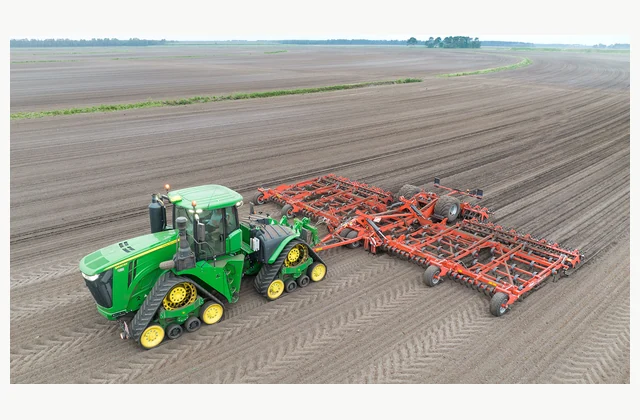
Shown as a configuration reference. Availability and the equipment offered for your project are confirmed separately.
Define the required seedbed condition
A seedbed cultivator should be selected from the crop and soil-management plan. Describe prior cultivation, residue, soil texture, moisture window and the intended seeding method. The target can involve leveling and suitable tilth without unnecessary disturbance. A fine surface is not a universal quality measure. Distinguish this task from deep compaction removal or a powered rotary cultivation process so competing offers address the same agronomic objective.
Match tines and working elements
Tine spacing, geometry and working points influence soil movement, material flow and depth behavior. State the intended working range and residue conditions and ask which arrangement suits them. Spring or vibrating tines are part of a particular design and should be assessed as such, not treated as a guarantee of every soil result. Include stones and abrasive conditions in the brief and identify the protection or maintenance provisions of the exact configuration.
Choose leveling and rear equipment together
Leveling elements, harrows or rollers affect the seedbed left for the drill. Their combination should follow the desired finish and soil rather than simply maximize the number of tools behind the frame. Ask about adjustment, clearance and cleaning in sticky conditions. The KUHN PROLANDER reference illustrates a shallow tine-cultivator arrangement; the quoted model and finishing options must be itemized. A reference photograph does not establish inclusion of every depicted rear component.
| Selection issue | Information to specify |
|---|---|
| Seedbed | Crop, soil, previous pass and next seeding operation. |
| Tines | Geometry, spacing, points and residue or stone conditions. |
| Finish | Leveling, harrow or roller arrangement and desired consolidation. |
| Tractor | Draft, hitch, hydraulics and any lifting requirements. |
| Movement | Folding, gateways, headlands and transport dimensions. |
| Acceptance | Depth, level and drill-ready condition on representative soil. |
Assess tractor, width and contour following
Working width, depth and soil affect draft, while mounted or trailed construction changes the tractor interface. Check hitch, hydraulic services, permissible loads and transport. Field contours and the depth-control arrangement also matter to consistent work. Provide the actual tractor, tire setup and representative ground. A broad power recommendation is only a starting point and should not replace a review of traction, lifting where applicable and practical handling at headlands.
Plan folding, roads and farm access
A large working width can create separate constraints in transport and storage. Check folded dimensions, clearances, lighting and the destination’s movement requirements for the offered configuration. Gates, tracks and headland turning room need to suit the actual assembly. Include parking and storage arrangements and access to hydraulic connections. A machine that is efficient on an open demonstration field can be awkward to move between the buyer’s real fields.
Use the next operation to judge acceptance
Trial representative soil and residue with the intended tractor and settings. Assess leveling, depth consistency, material flow and the condition presented to the seed drill. Record the configuration, moisture conditions and any adjustments. Include tine points, bearings or other service components in the parts plan and ask how wear changes the working action. The relevant result is a usable seedbed within the farm’s system, not simply visible soil movement.
Scope OEM/ODM with the cultivation objective
Requests may concern hitch interfaces, tine or rear-tool arrangements, identification and selected wear materials. Frame-width, load or structural changes need engineering assessment and a revised tractor match. Provide the soil objective and intended drill with the brief and agree the field evidence required. A customized alternative should have identifiable parts and its own instructions rather than relying on a reference manufacturer’s design or unsupported claims about working speed and finish.
What should your seedbed cultivator RFQ include?
- Seedbed: Crop, soil, previous pass and next seeding operation.
- Tines: Geometry, spacing, points and residue or stone conditions.
- Finish: Leveling, harrow or roller arrangement and desired consolidation.
- Tractor: Draft, hitch, hydraulics and any lifting requirements.
- Movement: Folding, gateways, headlands and transport dimensions.
- Acceptance: Depth, level and drill-ready condition on representative soil.
- Destination, site conditions and delivery access
- Installation boundary, utilities and connection drawings
- Acceptance procedure, documentation and training scope
- OEM/ODM changes: interface, material, branding or new design; written engineering feasibility required
Need OEM / ODM customization?
Submit branding, packaging, configuration or engineering requirements for this equipment. Include the target market, initial and annual quantities, required changes and acceptance criteria.
Customization feasibility, permitted branding, development responsibilities, minimum quantity, cost and lead time are reviewed for the proposed supplier and configuration before a quotation is confirmed.
Frequently asked questions
How should a seedbed cultivator be selected?
Start with soil, prior cultivation, residue and the condition needed by the next seeding operation. Identify depth and leveling requirements. The appropriate tine and finishing arrangement depends on that system, so a machine should not be selected solely for width or the fineness of a demonstration surface.
Can a seedbed cultivator replace a subsoiler?
They address different tasks. A seedbed cultivator is selected for the intended shallow preparation and finish, while a diagnosed deeper restrictive layer may need another response. Define the soil problem and required disturbance rather than assuming one implement can solve every cultivation requirement.
Why do rear-tool options matter?
Leveling, harrowing and rolling equipment influence the surface and consolidation left for the drill. The best combination depends on soil and moisture. Specify the following operation and compare the exact included arrangement, including adjustment and cleaning, instead of assuming all rear tools produce equivalent results.
Does tractor horsepower establish the correct working width?
No. Soil, depth, traction, hitch and hydraulic requirements also matter, and mounted equipment needs lifting assessment. Provide the actual tractor and field conditions. Transport and headland handling must be considered separately from the ability to pull the machine across an open field.
What should a field trial measure?
Observe leveling, working-depth consistency, residue flow and the seedbed presented to the drill using representative conditions. Record soil moisture, tractor setup and machine settings. The trial should support the intended seeding system rather than merely show that tines move soil at a high forward speed.
Can tine and finishing arrangements be customized?
Selected tool and interface options can be reviewed, but structural or working-width changes need engineering and tractor matching. Provide soil and downstream seeding details with the OEM/ODM inquiry. Agree a representative field trial and identified parts for the final arrangement before accepting a modified design.
Reference information
- Shallow tine cultivator PROLANDER | KUHN
- Seedbed Preparation Tools | KUHN
Reference data and images explain equipment configurations. IndustryApex engineers confirm the offered model, specification and commercial scope in your project quotation.