
Produce rotor-spun yarn with equipment matched to fiber preparation, yarn specification and the required automation. Compare spinning components, piecing, package handling and usable production together, using trials that reflect the actual material rather than maximum catalogue operating conditions. Prioritize yarn, sliver, spinning components. Use the checkpoints to build a consistent equipment scope and confirm the intended trial or installation evidence. The official image is a product reference; it does not establish availability or an authorized supplier relationship. Submit OEM/ODM changes for application-specific feasibility review.
Produce rotor-spun yarn with equipment matched to fiber preparation, yarn specification and the required automation. Compare spinning components, piecing, package handling and usable production together, using trials that reflect the actual material rather than maximum catalogue operating conditions.
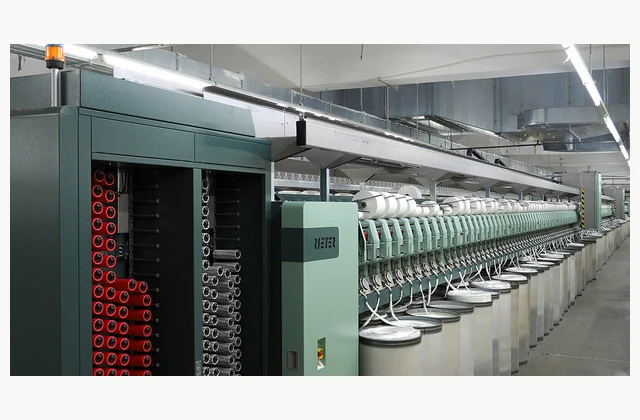
Shown as a configuration reference. Availability and the equipment offered for your project are confirmed separately.
Confirm rotor spinning suits the yarn program
Rotor spinning uses a different yarn-forming route from ring spinning, so the intended yarn properties and application should be explicit. Provide fiber mix, length characteristics, yarn count and downstream requirements. Identify recycled content and variability where relevant. Do not assume a machine that accepts a broad raw-material range will produce every yarn quality required by the buyer. A process recommendation should connect the material, preparation route and finished-yarn objective.
Specify the incoming sliver and preparation
The spinning machine depends on the sliver delivered to it. Describe carding, drawing, cleanliness and the intended feed presentation. Contamination and raw-material variation can influence running and component selection. The Rieter R 70 reference describes a particular rotor-spinning system; its process features should be evaluated with the proposed sliver rather than carried over as guarantees for another design. Agree the input condition used in any quality or production trial.
Choose spinning elements for the material
Opening and spinning components, rotor arrangements and relevant settings need to suit the intended yarn and fibers. Ask which configuration is proposed for each major product group and what changes are required between them. Maximum rotor speed is not the same as usable production on difficult material. Trial the demanding yarns and assess stability, waste and yarn properties together. Include replacement-part identity and wear behavior in the service discussion.
| Selection issue | Information to specify |
|---|---|
| Yarn | Fiber mix, count, required properties and downstream use. |
| Sliver | Preparation, cleanliness, variability and can presentation. |
| Spinning components | Proposed elements and changes needed across the yarn program. |
| Automation | Piecing, cleaning and operator interventions included. |
| Packages | Tube, geometry, removal and lot identification. |
| Acceptance | Representative yarn quality, waste and stable production trial. |
Evaluate piecing and cleaning automation
Piecing, cleaning and response to yarn breaks influence staffing and available production. Clarify which operations are automated and how the chosen arrangement handles simultaneous stops or material changes. Assess the resulting joint in the downstream process, not just the fact that the yarn resumes running. Any claims about automated functions must apply to the supplied configuration. Include operator tasks, training and access for intervention when comparing differently automated machines.
Define package and lot-handling requirements
Specify the required tube, package geometry and downstream unwinding process. Check how full packages are removed, empty tubes supplied and material lots kept separate. Where the machine supports different production arrangements, identify the actual configuration and control boundaries. A large number of spinning positions can be useful only if package movement and lot management support the mill’s schedule. Provide a floor plan including can supply and finished-package routes.
Accept production through a complete yarn trial
Use representative sliver and record fiber identity, configuration and settings. Agree yarn-quality measurements, piecing quality, stable running, waste and package behavior. Include changeovers or handling tasks where they affect usable output. Obtain utility requirements and service access information for the offered arrangement. The acceptance record should relate the claimed result to the delivered machine and material rather than a different yarn demonstrated under convenient conditions.
Bound OEM/ODM by process and support evidence
Identification, material-flow interfaces and plant-control integration may be considered. Changes to spinning boxes, cleaning, piecing or controls require engineering and yarn trials. State the intended product program and the criteria used to accept yarn. An alternative design needs its own performance evidence and parts documentation. A reference photograph does not establish supply authorization, private-label permission or the right to reuse the reference manufacturer’s quality claims.
What should your rotor spinning machine RFQ include?
- Yarn: Fiber mix, count, required properties and downstream use.
- Sliver: Preparation, cleanliness, variability and can presentation.
- Spinning components: Proposed elements and changes needed across the yarn program.
- Automation: Piecing, cleaning and operator interventions included.
- Packages: Tube, geometry, removal and lot identification.
- Acceptance: Representative yarn quality, waste and stable production trial.
- Destination, site conditions and delivery access
- Installation boundary, utilities and connection drawings
- Acceptance procedure, documentation and training scope
- OEM/ODM changes: interface, material, branding or new design; written engineering feasibility required
Need OEM / ODM customization?
Submit branding, packaging, configuration or engineering requirements for this equipment. Include the target market, initial and annual quantities, required changes and acceptance criteria.
Customization feasibility, permitted branding, development responsibilities, minimum quantity, cost and lead time are reviewed for the proposed supplier and configuration before a quotation is confirmed.
Frequently asked questions
Can a rotor machine replace ring spinning for every yarn?
The yarn-forming routes differ, and suitability depends on material, yarn properties and application. Provide the intended product program and downstream requirements for assessment. A broad rotor-spinning application range does not mean every ring-yarn specification can be met through an unchanged process.
What incoming sliver information should buyers supply?
Describe fibers, blend, preparation stages, cleanliness and feed-can arrangement, including recycled-content variation. These conditions influence component selection and trial results. Agree the input material specification before assessing yarn quality or production so the proposed machine is evaluated on a relevant feed.
Does maximum rotor speed establish usable output?
No. Yarn specification, raw material, breaks, piecing, handling and maintenance all influence useful production. Compare representative running with the proposed components. A high speed shown for another yarn or configuration should not be converted directly into an expected output for your material.
How should automatic piecing be evaluated?
Check the supplied automation and its response to actual breaks, then assess piecing quality in the required downstream process. Include operator interventions and the relevant cleaning arrangement. Restarting the yarn alone does not prove that the joint meets the mill’s quality or unwinding requirements.
Which package details matter for rotor spinning?
Specify tube format, package geometry, handling and downstream unwinding needs. Confirm removal, empty-tube supply and lot separation. These interfaces can limit useful production even when the spinning positions run well, so they should be included in the machine layout and acceptance scope.
Can rotor-spinning equipment be customized?
Material identification, handling and controls integration can be reviewed. Changes affecting yarn formation, cleaning or piecing require process engineering and material trials. Define the intended yarn and acceptance measurements so an OEM/ODM proposal establishes evidence for its own configured design and support arrangements.
Reference information
- Rotor Spinning Machine R 70 – New Benchmark in Terms of Productivity
- Rotor Spinning Machines – Maximum Flexibility & Productivity | Rieter
Reference data and images explain equipment configurations. IndustryApex engineers confirm the offered model, specification and commercial scope in your project quotation.