
Specify ring spinning around the yarn, roving and downstream winding route, then compare drafting, spindle arrangements and doffing as an integrated production system. Evaluate actual yarn quality and usable output before choosing automation or maximum catalogue speed. Prioritize yarn program, feed, spinning arrangement. Use the checkpoints to build a consistent equipment scope and confirm the intended trial or installation evidence. The official image is a product reference; it does not establish availability or an authorized supplier relationship. Submit OEM/ODM changes for application-specific feasibility review.
Specify ring spinning around the yarn, roving and downstream winding route, then compare drafting, spindle arrangements and doffing as an integrated production system. Evaluate actual yarn quality and usable output before choosing automation or maximum catalogue speed.
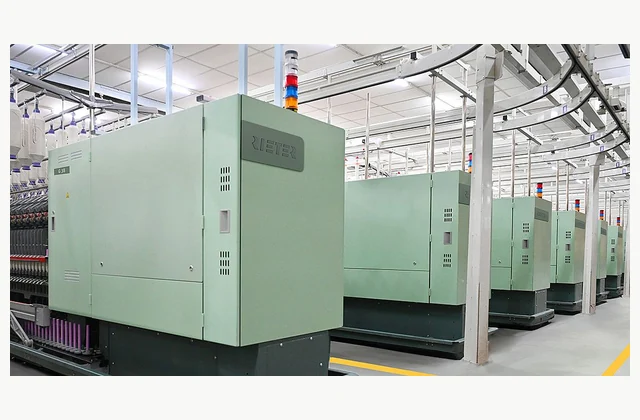
Shown as a configuration reference. Availability and the equipment offered for your project are confirmed separately.
Define the yarn and feed material
Ring spinning selection begins with fiber composition, yarn count, twist and intended yarn properties. Describe the roving feed, preparation route and the range of products the mill expects to run. Standard ring yarn and compact or special yarn configurations may require different equipment or options. The Rieter G 38 reference represents a configurable ring-spinning platform; the quotation should identify the actual yarn path and functions rather than rely on the family name.
Match drafting to the production range
Drafting must suit fiber properties and the intended yarn range. Provide difficult blends, recycled content or sensitive fibers for technical assessment. Ask which drafting arrangement and changeover method are proposed and how settings are controlled. A wide advertised count range does not establish acceptable quality on every material. Agree a trial that measures the desired yarn properties and stable operation, with clear identification of the configuration used.
Evaluate spindle and traveler operating conditions
Spindle speed is only one influence on usable production. Yarn properties, traveler selection, ring arrangement, balloon control and breaks influence the operating point. Do not treat a maximum speed statement as the expected running speed for all yarns. Discuss the intended yarn program with the supplier and define how breaks, waste and quality are assessed. Review the wear-component and maintenance requirements associated with the proposed operating arrangement.
| Selection issue | Information to specify |
|---|---|
| Yarn program | Fiber mix, count, twist and standard or special yarn route. |
| Feed | Roving properties and upstream preparation configuration. |
| Spinning arrangement | Drafting, rings, travelers and spindle configuration. |
| Automation | Doffing, tube return and winding-link boundaries. |
| Mill installation | Utilities, environment, working aisles and cleaning. |
| Acceptance | Yarn quality, breaks, doffing and usable production evidence. |
Choose doffing and cop transport scope
Doffing and empty-tube supply affect stops and staffing. Distinguish manual handling, selected automation and a direct or other link to winding. Provide the upstream and downstream layout and the intended lot-management method. Where a winding connection is proposed, confirm the exact interfaces and included transport hardware. A spinning-machine price can look attractive while leaving cop movement, return tubes or essential integration work outside the scope.
Plan utilities and mill conditions
The offered arrangement requires a defined electrical and suction or air-service schedule where applicable. Environmental conditions also influence the process and should be discussed using the mill’s operating plan. Reserve space for maintenance, roving supply and operator movement along the machine. Identify how cleaning and waste removal are handled. Installation planning should address the whole working aisle and material flow, rather than only the footprint of the spindle line.
Accept yarn quality and usable production together
Use representative roving and the intended yarn specifications in the trial. Assess yarn properties, break behavior, doffing and downstream winding performance by agreed methods. Include changeovers and required operator tasks where they affect usable output. Retain settings and material identification with the results. Ask for a service plan, spare wear components and training on the supplied automation, so initial performance can be supported after the commissioning team leaves.
Define OEM/ODM without assuming process equivalence
Material identification, handling interfaces and line-control connections may be submitted for review. Changes to drafting, compacting, spindle arrangements or control functions require process engineering and yarn trials. Provide the product program and intended acceptance measurements. A private-label alternative needs evidence for its own design; it cannot inherit a reference machine’s performance claims. Confirm drawings, software responsibilities and replacement-part identification for the final configured spinning system.
What should your ring spinning machine RFQ include?
- Yarn program: Fiber mix, count, twist and standard or special yarn route.
- Feed: Roving properties and upstream preparation configuration.
- Spinning arrangement: Drafting, rings, travelers and spindle configuration.
- Automation: Doffing, tube return and winding-link boundaries.
- Mill installation: Utilities, environment, working aisles and cleaning.
- Acceptance: Yarn quality, breaks, doffing and usable production evidence.
- Destination, site conditions and delivery access
- Installation boundary, utilities and connection drawings
- Acceptance procedure, documentation and training scope
- OEM/ODM changes: interface, material, branding or new design; written engineering feasibility required
Need OEM / ODM customization?
Submit branding, packaging, configuration or engineering requirements for this equipment. Include the target market, initial and annual quantities, required changes and acceptance criteria.
Customization feasibility, permitted branding, development responsibilities, minimum quantity, cost and lead time are reviewed for the proposed supplier and configuration before a quotation is confirmed.
Frequently asked questions
Is maximum spindle speed a useful production guarantee?
It is a machine limit under specified conditions, not a promise for every yarn. Material, count, twist, traveler behavior and breaks affect the useful operating point. Compare yarn quality and stable production on representative roving rather than extrapolating from the highest published speed.
Can one ring-spinning configuration make standard and compact yarn?
The supported yarn types depend on the selected equipment and options. Identify the intended yarn program and require the exact drafting and compacting arrangement where applicable. The machine family name alone does not prove that every required yarn route is included in the offer.
What feed information is needed for selection?
Provide roving properties, fiber composition, yarn count and twist range, along with the upstream preparation route. Include demanding blends or recycled content. This allows drafting and operating arrangements to be assessed against actual materials instead of a broad application claim.
Are automatic doffing and winding links standard?
Inclusion varies by configuration. Specify doffing, empty-tube handling and cop transport separately and identify the intended winding machine. Confirm interface hardware and installation responsibilities so a machine-only quotation is not compared directly with a fully linked spinning-and-winding arrangement.
How should ring-spinning acceptance be measured?
Use the intended roving and yarn specifications and agree the yarn-quality measurements, break behavior and usable production assessment. Include doffing and downstream behavior where relevant. Record the configuration and trial settings so results correspond to the delivered arrangement rather than an unrelated demonstration.
Which OEM/ODM changes need spinning trials?
Changes to drafting, yarn paths, compacting or operating controls can affect yarn formation and require process evaluation. Handling or identification integration can also need interface testing. Provide the intended yarn program and acceptance methods so a customized design has its own evidence and service documentation.
Reference information
- Ring Spinning Machine G 38 – High Speed and Flexibility | Rieter
- Ring Spinning Machines – High-Speed Production & Premium Yarn Quality
Reference data and images explain equipment configurations. IndustryApex engineers confirm the offered model, specification and commercial scope in your project quotation.