
Blend textile fibers using a machine selected around component properties, required proportions and the preparation line. Compare feeding, blend consistency, cleaning and material transfer so the proposed system can support the intended yarn route without concealing handling or changeover requirements. Prioritize recipe, feeding, consistency. Use the checkpoints to build a consistent equipment scope and confirm the intended trial or installation evidence. The official image is a product reference; it does not establish availability or an authorized supplier relationship. Submit OEM/ODM changes for application-specific feasibility review.
Blend textile fibers using a machine selected around component properties, required proportions and the preparation line. Compare feeding, blend consistency, cleaning and material transfer so the proposed system can support the intended yarn route without concealing handling or changeover requirements.
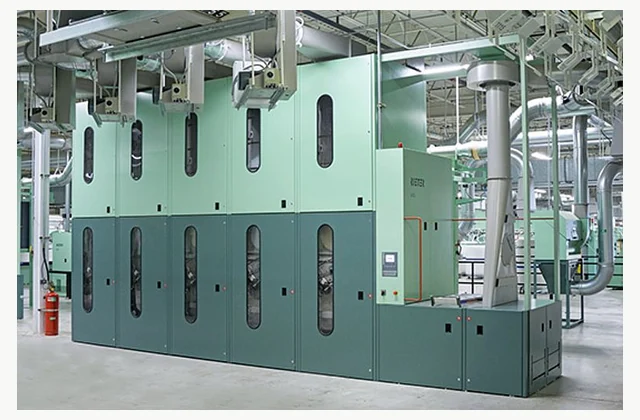
Shown as a configuration reference. Availability and the equipment offered for your project are confirmed separately.
Define the blend components and purpose
A fiber blending machine combines identified components for a downstream textile process. Specify each fiber, its preparation condition and the intended blend proportions. Include differences in length, density, finish or recycled content that can affect feeding. A blend for shade consistency may present a different challenge from one containing a small share of a high-value fiber. The intended yarn and quality objective should guide the machine discussion.
Choose how components are fed and controlled
Component feeding must reflect the material and required proportion, especially where one component is present in a small amount. Ask how the machine meters the materials and maintains the selected recipe. Distinguish nominal setpoints from evidence of the actual blend produced. The Rieter UNIblend A 81 is an example of a precision blender, but selection still requires assessment of the proposed fiber combinations and the surrounding preparation arrangement.
Evaluate blend consistency with representative fibers
Agree how blend uniformity will be assessed across time and through the material delivered to the next process. Use actual fibers, including the most demanding recipe rather than a convenient standard blend. Observe feeding stability, bridging, component separation and loss. Specify the sampling and analysis method before the trial. A single sample can miss variation between parts of a run, so the evidence should reflect the intended production pattern.
| Selection issue | Information to specify |
|---|---|
| Recipe | Component fibers, properties and required blending proportions. |
| Feeding | Material presentation, small-share components and metering method. |
| Consistency | Sampling approach and analysis of the delivered blend. |
| Line interface | Upstream opening, ducts, buffers and downstream transfer. |
| Changeover | Cleaning, residual fiber control and lot identification. |
| Acceptance | Representative recipes, stable running and documented results. |
Connect blending to opening and transport
Provide the upstream preparation, delivery method and downstream opening or carding route. Airflow, ducts, buffers and controls affect the installed system and must be coordinated with the line supplier. Determine which functions belong in the blender package and which require separate equipment. A machine-only quotation can omit necessary transfer or controls work. The floor plan should provide component access, maintenance space and practical routes for supplying different fiber materials.
Plan recipes, cleaning and lot identity
Frequent blend changes introduce cleaning, residual material and traceability questions. Identify fibers or colors where carryover is unacceptable and ask how the system is emptied and inspected. Define who can change recipes and how the selected proportions are recorded. Include raw-material and output-lot identification in the workflow. A machine with sufficient running capacity can still be a poor fit if cleaning and changeover consume too much of the actual schedule.
Compare usable throughput and services
Throughput should be evaluated with the intended materials and recipe, including feeding limitations and downstream demand. Ask for power and any air or extraction requirements for the proposed configuration. Check access to wear parts, sensors and control components and identify the maintenance tasks expected from mill staff. Acceptance should document the recipe, input condition, delivered blend consistency and stable line operation, rather than relying solely on a maximum production-rate statement.
Set a fiber-specific OEM/ODM brief
Potential requests include recipe interfaces, feed arrangements, identification or integration with existing plant controls. Changes to metering, fiber paths or component handling need engineering assessment and material trials. Provide difficult blends and a changeover schedule with the request. For a customized alternative, agree the evidence demonstrating the actual proportions and consistency. A reference-brand image does not imply permission to reproduce that machine or make unsupported accuracy claims for another design.
What should your fiber blending machine RFQ include?
- Recipe: Component fibers, properties and required blending proportions.
- Feeding: Material presentation, small-share components and metering method.
- Consistency: Sampling approach and analysis of the delivered blend.
- Line interface: Upstream opening, ducts, buffers and downstream transfer.
- Changeover: Cleaning, residual fiber control and lot identification.
- Acceptance: Representative recipes, stable running and documented results.
- Destination, site conditions and delivery access
- Installation boundary, utilities and connection drawings
- Acceptance procedure, documentation and training scope
- OEM/ODM changes: interface, material, branding or new design; written engineering feasibility required
Need OEM / ODM customization?
Submit branding, packaging, configuration or engineering requirements for this equipment. Include the target market, initial and annual quantities, required changes and acceptance criteria.
Customization feasibility, permitted branding, development responsibilities, minimum quantity, cost and lead time are reviewed for the proposed supplier and configuration before a quotation is confirmed.
Frequently asked questions
What information is needed to select a fiber blender?
List component fibers, preparation condition, required proportions and the downstream process. Include difficult materials and small-share components. These details influence feeding and metering, so a blend percentage without fiber properties is not enough to establish whether a proposed machine can run the recipe reliably.
Does the recipe setpoint prove the delivered blend ratio?
A setpoint describes the requested proportion, not the evidence of actual material produced. Agree a sampling and analysis method and assess representative operation. Feeding instability, residual material or segregation may affect the result even when the displayed recipe remains unchanged.
How should a blending trial be designed?
Use the intended fibers and demanding recipes. Assess consistency over the run, component feeding and material loss using an agreed method. Include transfer to the next process where relevant, because a successful central blending step does not settle every issue in the installed material-flow arrangement.
Why is cleaning important in blender selection?
Residual fibers can affect later recipes, shades or traceability. Describe frequent changes and sensitive combinations and ask how the system is emptied, accessed and inspected. Evaluate the real changeover work alongside running throughput rather than assuming all production time is continuous operation.
Are ducts and line controls part of a blender supply?
That depends on the offer. Identify upstream feeds, downstream transfer, buffers and control interfaces and itemize responsibility for each. A machine price can omit installation components that are essential to stable line operation, so compare a defined integrated scope.
Can a fiber blender be customized for specialty blends?
Feed interfaces, recipe integration and material handling can be submitted for feasibility review. Metering or fiber-path changes require engineering and trials with the relevant materials. Define how proportions, uniformity and changeover will be accepted before approving OEM/ODM work for a specialty application.
Reference information
- Precision Blender UNIblend A 81 for All Fiber Types | Rieter
- Blowroom & Carding Machines – Sliver Quality for Spinning | Rieter
Reference data and images explain equipment configurations. IndustryApex engineers confirm the offered model, specification and commercial scope in your project quotation.