
Progressing cavity pump should be selected using fluid rheology, rotor-stator compatibility and protected positive-displacement operation, with the receiving site and upstream or downstream equipment included in the discussion. Compare the proposed configuration, stated assumptions and a realistic acceptance trial together. Ask each supplier to identify exclusions, maintenance responsibilities and unresolved application questions. Define OEM branding separately from ODM integration changes so an altered machine is assessed against the same documented production requirement.
Compare progressing cavity pump proposals around fluid rheology, rotor-stator compatibility and protected positive-displacement operation. Define the process boundary, supporting equipment and acceptance evidence before choosing a configuration. Send the same application details to each bidder and include project-specific OEM or ODM requirements in the initial inquiry.
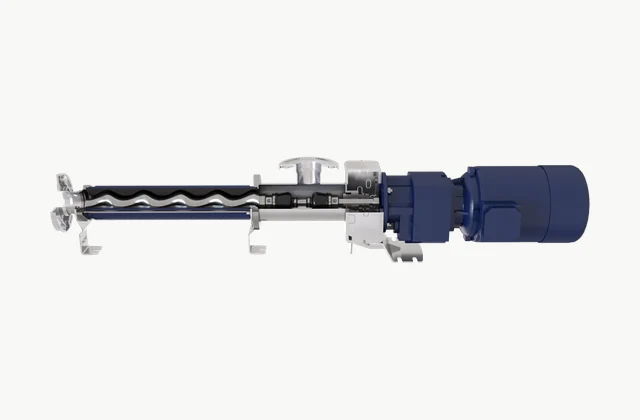
Shown as a configuration reference. Availability and the equipment offered for your project are confirmed separately.
Define the actual fluid and the required transfer
Provide fluid chemistry, temperature, viscosity behavior, solids concentration and particle characteristics. Describe whether the fluid is shear-sensitive, abrasive, sticky or prone to settling. State required flow together with inlet and discharge conditions. A progressing cavity pump’s useful configuration depends on the conveyed product and its interaction with the rotor, stator and seals, not simply the advertised connection size.
For non-Newtonian products, explain how viscosity changes with temperature or handling, and offer a sample where practical. Include cleaning fluids and occasional batch changes. A pump selected for one steady liquid may need a different stator material or inlet arrangement when the production recipe changes.
Match rotor and stator to chemistry and wear
Ask for a compatibility review of the rotor, stator elastomer, joints and sealing materials under the actual fluid and cleaning conditions. Abrasion, swelling and temperature can change the suitability of an apparently familiar material. Evaluate the complete wetted assembly and wear expectation. A corrosion-resistant metal housing does not establish that its elastomer stator tolerates every chemical or cleaning sequence.
The PCM EcoMoineau C reference identifies a particular progressing-cavity pump family. Its manufacturer cutaway illustrates a manufacturer configuration, not a universal material specification. Request exact material and spare-stator identification in the offer so maintenance replacements preserve the approved fluid-contact combination.
Review flow at pressure with realistic inlet conditions
Compare flow and drive requirements at the proposed differential pressure, product condition and operating speed. Review inlet losses and the tendency of a viscous fluid to bridge, settle or restrict filling. A favorable clean-water displacement figure cannot establish delivery of a thick product from an unfavorable vessel outlet. Ask whether a different inlet or feed arrangement is needed for the actual consistency.
Discuss slip, pressure capability and wear with the manufacturer rather than calculating duty from speed alone. If process control varies the pump speed, define the useful operating range and how the upstream supply is maintained. Include return or recirculation arrangements only where reviewed for the product and process.
| Decision | Requirement to state | Evidence to request |
|---|---|---|
| Product | Rheology, chemistry and solids | Fluid and wetted-material review |
| Duty | Flow, pressure and inlet availability | Applicable curve or product trial |
| Stator | Elastomer, temperature and abrasion | Specific material and wear basis |
| Services | Sealing, protection and maintenance space | Configured installation drawing |
| Acceptance | Delivery and product integrity | Traceable transfer test |
Specify protection, sealing and installation services
The responsible system design should address loss of product supply, dry-running risk, blocked discharge and excess pressure for the configured pump. Review monitoring and protective interfaces with the supplier. Clarify shaft sealing, any flush or barrier services, drive arrangement and access for maintenance. A positive-displacement pump should not be treated as a self-protecting component merely because its motor can be speed controlled.
Show the actual suction and discharge connections, pipe support and stator-removal space. Ask whether dismantling requires moving other equipment. For leakage-sensitive duties, define collection and response arrangements. The specified sealing system must be compatible with both the process fluid and the site’s available service media.
Accept performance and establish a wear baseline
Use the agreed product or an approved representative fluid at defined temperature, inlet condition and discharge resistance. Measure delivered flow, power or drive load, leakage and the required control behavior. Record rotor-stator configuration and speed. For difficult products, a short water demonstration is insufficient evidence of filling behavior, product integrity or acceptable wear during the intended production duty.
Agree which inspection points and wear components form the service baseline. Where gentle handling matters, compare the product before and after transfer using an appropriate application test. Keep expected replacement responsibilities and access time visible in the lifecycle comparison rather than judging value by the pump price alone.
Set the engineering boundary for OEM and ODM
OEM requests can include agreed identification, packaging and documents. ODM may involve a different inlet, drive, mounting, sealing system or integrated transfer skid. These changes need compatibility and duty review, with actual-product trials where necessary. Specify ownership of interface drawings and control logic, and require a parts list for the delivered assembly; a reference manufacturer’s image does not authorize relabeling its equipment.
Separate standard pump selection from development for a new product rheology. Define who reviews future recipe changes and supplies approved rotor-stator replacements. A customized baseplate does not by itself establish suitability for sanitary, hazardous or another specialized service; assess those requirements against the actual project scope.
The pictured manufacturer equipment and linked documents are technical configuration references. They do not imply authorized representation, stock availability, equivalent performance from another supplier or permission to relabel the pictured brand. Confirm the proposed equipment and commercial scope for the specific project.
What should your progressing cavity pump RFQ include?
- Fluid chemistry, cleaning media and temperature range
- Viscosity behavior, abrasion and suspended-solids details
- Required flow, differential pressure and vessel conditions
- Inlet availability, bridging risk and any feed arrangement
- Rotor, stator, joints and seal material compatibility
- Drive speed range, control and power requirements
- Dry-running and discharge-pressure protection interfaces
- Seal services, pipe support and stator-removal access
- Actual-product transfer trial and wear baseline
- OEM documents or ODM inlet, drive and transfer-skid development
Need OEM / ODM customization?
Submit branding, packaging, configuration or engineering requirements for this equipment. Include the target market, initial and annual quantities, required changes and acceptance criteria.
Customization feasibility, permitted branding, development responsibilities, minimum quantity, cost and lead time are reviewed for the proposed supplier and configuration before a quotation is confirmed.
Frequently asked questions
What should I specify for a progressing cavity pump?
Provide fluid chemistry, temperature, viscosity behavior, solids concentration and particle characteristics. Describe whether the fluid is shear-sensitive, abrasive, sticky or prone to settling. State required flow together with inlet and discharge conditions. A progressing cavity pump's useful configuration depends on the conveyed product and its interaction with the rotor, stator and seals, not simply the advertised connection size.
How do I choose progressing cavity pump wetted materials?
Ask for a compatibility review of the rotor, stator elastomer, joints and sealing materials under the actual fluid and cleaning conditions. Abrasion, swelling and temperature can change the suitability of an apparently familiar material. Evaluate the complete wetted assembly and wear expectation. A corrosion-resistant metal housing does not establish that its elastomer stator tolerates every chemical or cleaning sequence.
How should I compare progressing cavity pump capacity?
Compare flow and drive requirements at the proposed differential pressure, product condition and operating speed. Review inlet losses and the tendency of a viscous fluid to bridge, settle or restrict filling. A favorable clean-water displacement figure cannot establish delivery of a thick product from an unfavorable vessel outlet. Ask whether a different inlet or feed arrangement is needed for the actual consistency.
What supporting equipment does a progressing cavity pump need?
The responsible system design should address loss of product supply, dry-running risk, blocked discharge and excess pressure for the configured pump. Review monitoring and protective interfaces with the supplier. Clarify shaft sealing, any flush or barrier services, drive arrangement and access for maintenance. A positive-displacement pump should not be treated as a self-protecting component merely because its motor can be speed controlled.
How should progressing cavity pump acceptance be tested?
Use the agreed product or an approved representative fluid at defined temperature, inlet condition and discharge resistance. Measure delivered flow, power or drive load, leakage and the required control behavior. Record rotor-stator configuration and speed. For difficult products, a short water demonstration is insufficient evidence of filling behavior, product integrity or acceptable wear during the intended production duty.
Can progressing cavity pumps be customized for OEM or ODM?
OEM requests can include agreed identification, packaging and documents. ODM may involve a different inlet, drive, mounting, sealing system or integrated transfer skid. These changes need compatibility and duty review, with actual-product trials where necessary. Specify ownership of interface drawings and control logic, and require a parts list for the delivered assembly; a reference manufacturer's image does not authorize relabeling its equipment.
Reference information
- PCM: EcoMoineau C official product reference
- PCM official supporting product documentation
Reference data and images explain equipment configurations. IndustryApex engineers confirm the offered model, specification and commercial scope in your project quotation.