
Choose a chemical dosing pump by reviewing chemical compatibility, actual dosing range, backpressure and the complete liquid end. Start with the actual process and its difficult operating cases, then compare the complete configuration, installation duties and acceptance evidence. Send chemical and concentration, temperature, viscosity and gas behavior and minimum and maximum dosing flow with your inquiry. Ask for an itemized scope and review any OEM/ODM changes before ordering, so pricing and tests cover the same requirement.
Applications and the selection basis
pH adjustment, disinfection and process dosing require a stated chemical and concentration. Provide temperature, viscosity, gas formation and the minimum and maximum dose. Define whether dosing is continuous, pulsed or proportional to another process signal. A nominal flow rating does not establish accuracy across every backpressure and fluid, and the wetted materials must be reviewed for the exact chemical conditions. Treat the normal job mix and the difficult exceptions separately, and mark which drawings or process conditions the supplier must review before it proposes a configuration.
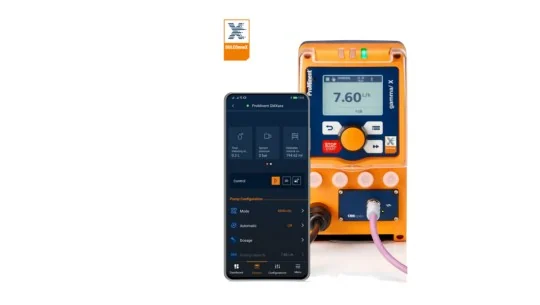
Shown as a configuration reference. Availability and the equipment offered for your project are confirmed separately.
Specify the complete configuration
Compare liquid-end materials, diaphragm, valves and seals with the supplier’s compatibility review. Specify suction arrangement, discharge pressure, priming and any degassing needs. Include injection valve, backpressure or relief devices, tubing and calibration provisions as appropriate to the circuit. State control signals and loss-of-flow or low-tank behavior so the quotation covers the functioning system, not only the pump head. Require the quotation to identify supplied options, optional items and interfaces that remain the responsibility of the operating site. Record those decisions with the same requirement revision used for the selection. The cited ProMinent gamma/X provides an identified category reference. Its manufacturer documentation belongs to that family and configuration; the selection advice here is a buyer checklist, not an offer or a promise of those specifications for another supplier.
Utilities, site layout and installation
Show tank location, liquid levels, suction length and the discharge and injection route. Review containment, handling and access to isolate and service the pump. Confirm power and any hazardous-location or destination requirements with the responsible parties. Plan calibration and flushing without mixing incompatible materials, and identify how operators manage leaks or interrupted chemical supply. Give the installer a dimensioned layout before approving the order, then assign who supplies each connection, access arrangement and commissioning resource. Resolve these interfaces while changes can still be engineered.
Complete project cost and support
Include compatible tubing, valves, fittings, tank, containment, controls and instruments. Quote liquid-end spare parts and the process for confirming a chemical change. Compare calibration and maintenance labor with the intended dosing profile. A lower pump price may omit the injection and protective components that determine whether the complete chemical delivery circuit is controllable and maintainable. Use a common delivery term, currency and quote validity date. Request named commissioning responsibilities and a support route for the exact supplied configuration, with exclusions and replacement identifiers made visible.
Sample trial and acceptance evidence
Verify delivered volume with the agreed calibration method and representative conditions, using approved procedures for the chemical. Check minimum and peak demand, control response and the specified alarms. Record fluid properties, backpressure, suction conditions and calibration settings. Acceptance should distinguish actual delivered dose from display setpoint, and include restart or priming behavior where normal operation can introduce gas. Agree the test inputs, inspection method and responsibilities in writing. Keep the accepted configuration and records together, and repeat the relevant checks if a later modification changes the process or installation assumptions.
OEM/ODM and project customization
OEM/ODM requests for a chemical dosing pump should distinguish branding from process engineering. Describe the requested changes to liquid-end and seal compatibility, tubing, fittings and injection devices and relief, backpressure and priming scope, then state whether the result must fit an existing line or a new project. Ask for a feasibility review, revised drawings and a clear responsibility for validation. Private labels, packaging and document language can be discussed separately from mechanical, electrical or control changes. Identify tooling ownership, editable files where agreed, revision control and the test that will accept the changed system. Manufacturer images here are configuration references; they do not establish that the pictured brand authorizes relabeling or that IndustryApex is its distributor.
RFQ checklist and next step
Prepare a comparable chemical dosing pump request by identifying chemical and concentration, temperature, viscosity and gas behavior, minimum and maximum dosing flow and discharge and injection pressure. Include tank levels and suction arrangement, liquid-end and seal compatibility, tubing, fittings and injection devices and relief, backpressure and priming scope so the supplier can review the operating process and configuration. Finish with manual, pulse or process control, containment and maintenance layout, calibration and spare-parts plan and delivered-dose acceptance method. Attach the supporting drawings, samples or operating records instead of leaving critical requirements in a free-form price request. State destination country, installation window and the intended decision date. Ask every bidder to return a requirement-to-offer comparison and list unresolved points before price negotiation. This makes changes and exclusions visible and gives the acceptance trial a practical basis.
- Chemical and concentration
- Temperature, viscosity and gas behavior
- Minimum and maximum dosing flow
- Discharge and injection pressure
- Tank levels and suction arrangement
- Liquid-end and seal compatibility
- Tubing, fittings and injection devices
- Relief, backpressure and priming scope
- Manual, pulse or process control
- Containment and maintenance layout
- Calibration and spare-parts plan
- Delivered-dose acceptance method
Manufacturer configuration references
Review the linked manufacturer information as configuration references. Request the current sheet, included scope and relevant evidence for the exact proposed equipment; these references do not establish an IndustryApex supply relationship.
What should you include in your RFQ?
- Chemical and concentration
- Temperature, viscosity and gas behavior
- Minimum and maximum dosing flow
- Discharge and injection pressure
- Tank levels and suction arrangement
- Liquid-end and seal compatibility
- Tubing, fittings and injection devices
- Relief, backpressure and priming scope
- Manual, pulse or process control
- Containment and maintenance layout
- Calibration and spare-parts plan
- Delivered-dose acceptance method
For OEM / ODM requests, include the branding, packaging, configuration or engineering changes you need, initial and annual quantities, target market, sample approval and acceptance requirements. Feasibility and commercial scope are confirmed for the specific project.
Need OEM / ODM customization?
Submit branding, packaging, configuration or engineering requirements for this equipment. Include the target market, initial and annual quantities, required changes and acceptance criteria.
Customization feasibility, permitted branding, development responsibilities, minimum quantity, cost and lead time are reviewed for the proposed supplier and configuration before a quotation is confirmed.
Frequently asked questions
Does the pump's displayed dose prove the actual chemical delivery?
Not alone. Actual delivery can be influenced by suction, backpressure, gas and the chemical properties. Ask for a compatible complete circuit and a calibration method under representative conditions. Specify monitoring and response to low tank, blocked line or loss of dose where the process requires them.
What configuration details belong in a chemical dosing pump inquiry?
Specify tank levels and suction arrangement, liquid-end and seal compatibility and tubing, fittings and injection devices with the process requirements. Ask the supplier to identify each option and interface in the quoted scope. This lets you compare proposed equipment against the job rather than comparing model labels with different accessories.
Which costs should I include beyond the chemical dosing pump purchase price?
Include the installation and process items needed for manual, pulse or process control, containment and maintenance layout and calibration and spare-parts plan, as applicable. Obtain separate prices for consumables, commissioning and support, then align delivery terms and exclusions. Use the agreed duty to compare operating expense rather than applying an unverified saving percentage.
Can I request an OEM/ODM chemical dosing pump configuration?
Yes, you can submit branding or engineering requirements for technical review. Describe changes affecting liquid-end and seal compatibility and relief, backpressure and priming scope, with destination and interfaces. Feasibility, drawings, scope and acceptance must be agreed before an offer is finalized; the manufacturer reference photograph does not grant private-label rights to that pictured brand.
How should I approve a chemical dosing pump before shipment?
Approve it through a written trial and inspection plan using chemical and concentration and delivered-dose acceptance method. Define the agreed conditions, record the supplied configuration and check the operating sequence relevant to your work. Require results tied to the test inputs, so a demonstration or brochure claim is not mistaken for acceptance.
What should I send to obtain a comparable chemical dosing pump quotation?
Send chemical and concentration, temperature, viscosity and gas behavior, minimum and maximum dosing flow and discharge and injection pressure, plus drawings or operating records and the destination. Identify the required options and the intended purchase window. Ask for a line-by-line response, including unknowns and exclusions, so all bidders quote the same project.
Reference information
- ProMinent: gamma/X official reference
- ProMinent gamma X operating instructions
Reference data and images explain equipment configurations. IndustryApex engineers confirm the offered model, specification and commercial scope in your project quotation.