
A piston air compressor specification begins with the pressure and usable flow needed at the point of use, together with when that demand occurs. Confirm the rated duty of the exact compressor rather than assuming every piston machine has the same operating cycle. Define lubrication, treatment, receiver, condensate management and site ventilation as separate choices. A demand trial and clear maintenance responsibilities make quotations easier to compare and expose which OEM or ODM changes require further engineering.
Choose a piston air compressor around measured air demand, working pressure and the proposed operating cycle. Compare delivered flow, air quality, receiver arrangement, ventilation and maintenance access, then confirm the complete package with a realistic demand test and a clear OEM/ODM scope.
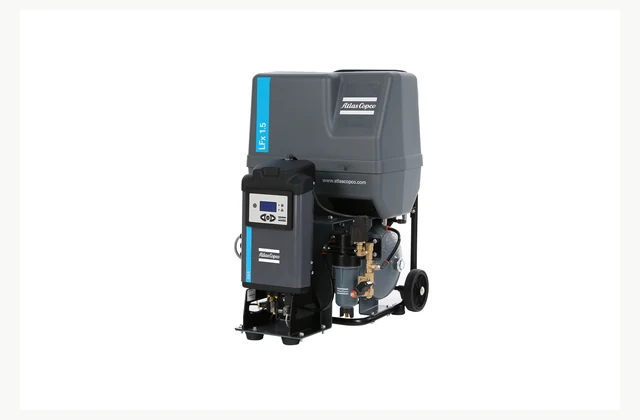
Shown as a configuration reference. Availability and the equipment offered for your project are confirmed separately.
Build a demand profile at the point of use
List each air user, the pressure it needs while operating and whether several users run together. Separate sustained demand from brief events such as an actuator movement or a blow-off task. Measure pressure at the working equipment during a representative cycle when possible, because pressure loss along a hose or distribution line can otherwise be mistaken for inadequate compressor capacity.
Ask suppliers to state delivered air flow using a declared measurement basis and outlet pressure. Do not compare displacement, motor power and delivered flow as though they describe the same quantity. Identify the worst credible operating sequence as well as an average day. Send this schedule with the inquiry so a proposed receiver and control arrangement can be evaluated against the same demand.
Match the compressor mechanism and operating cycle
A piston compressor proposal should identify the compression stages, lubrication arrangement, control method and permitted operation of the exact package. Ask the manufacturer to explain its duty rating and the conditions attached to it. Avoid assuming either that every piston unit can run continuously or that every unit must stop after the same period.
Review what happens during low demand, repeated starts and recovery after a large air draw. If an existing compressor will remain connected, define how the two machines share load and prevent undesirable cycling. Ask for a wiring and control description appropriate to the proposed system. A compact machine may be useful near a process, but location alone does not resolve heat, noise or service access.
| Decision | Information to compare | Evidence to request |
|---|---|---|
| Useful capacity | Delivered flow at the declared pressure | Rating basis and a representative demand trial |
| Air quality | Oil, moisture and particle needs at the user | Treatment schedule and agreed verification point |
| Receiver and control | Burst demand and start/stop behavior | Package layout and control sequence |
| Integration | Ventilation, power and OEM/ODM interfaces | Installation instructions and revised engineering scope |
Specify air quality and the treatment boundary
Describe the process that receives the air before choosing an oil-free or lubricated package. State whether oil carryover, condensed water or particles could affect the product, tooling or instrument. Ask the supplier to map each requirement to a treatment stage and a verification point. A compressor description is not evidence that the complete distribution network delivers the same air quality.
Confirm whether the package includes an aftercooler, receiver, automatic drains, dryer, filters and pressure regulation. Distinguish a supplied component from an allowance for one in the layout. Explain where condensate will be collected and how it will be handled at the site. Any breathing-air or other specially controlled use needs its own documented suitability review rather than a general workshop-compressor assumption.
Check receiver behavior, ventilation and installation access
The receiver buffers a changing air demand; it does not manufacture additional air. Ask the bidder to show how its selected volume and pressure-control settings fit the demand profile and compressor operating limits. Confirm which vessel documents, protective devices, isolation and inspection arrangements are required for the destination and which party supplies them.
Show the proposed room, nearby equipment and normal ambient conditions. Request the cooling-air direction, maintenance clearances and permissible installation arrangement from the supplier. Include the route for moving the complete package into position and the access needed to drain or inspect the receiver. For a point-of-use installation, agree a noise assessment under the actual operating condition instead of comparing unexplained headline values.
Test pressure recovery and plan routine maintenance
During acceptance, operate the intended tools or reproduce their agreed demand pattern. Record pressure where the equipment uses air, compressor starts and stops, recovery after peak demand and any relevant temperature observations. Keep the receiver, treatment equipment and line arrangement consistent with the offered package. A no-load demonstration does not show how the system will behave in the production cycle.
Request the maintenance instructions and parts identifiers for the exact compressor and treatment configuration. Identify intake filters, belts where fitted, valves, drains and any lubrication service as applicable rather than borrowing a checklist from another machine. Establish who diagnoses pressure loss, who services the compressor and who maintains downstream treatment. Keep initial spares and planned access in the installed-cost comparison.
Define OEM packaging and ODM engineering separately
OEM requirements may include branding, a document set, packaging or a specified combination of approved components. ODM integration can affect the receiver arrangement, cooling airflow, enclosure, mounting, electrical system or interface to a host machine. Describe these changes explicitly and require the manufacturer to review whether they alter operating limits, vibration, maintenance access or validation responsibilities.
Send destination requirements, electrical supply, demand records and site drawings with the request. Ask every bidder to return an itemized package with exclusions and a common acceptance procedure. The linked Atlas Copco documents identify reference piston-compressor families; their published features belong to those configurations. The reference image does not establish availability from IndustryApex, authority to relabel the pictured product or a supply relationship with the manufacturer.
What should your piston air compressor RFQ include?
- Air-user list with pressure and declared flow requirements
- Simultaneous demand, burst duration and normal operating schedule
- Measured pressure losses, existing pipework and available receiver arrangement
- Required compressor duty, starting frequency and control sequence
- Oil, moisture and particle requirements with verification point
- Included receiver, drains, dryer, filters and pressure regulation
- Site ambient conditions, cooling-air route and noise-assessment position
- Electrical supply, installation clearances and destination vessel-document requirements
- Pressure-recovery trial, service responsibility and initial spare-parts scope
- OEM labeling/package or ODM mounting, cooling and host-control changes
Need OEM / ODM customization?
Submit branding, packaging, configuration or engineering requirements for this equipment. Include the target market, initial and annual quantities, required changes and acceptance criteria.
Customization feasibility, permitted branding, development responsibilities, minimum quantity, cost and lead time are reviewed for the proposed supplier and configuration before a quotation is confirmed.
Frequently asked questions
How do I size a piston air compressor for several tools?
List each tool’s required pressure and air demand, then describe which tools operate together and for how long. Include short demand peaks and line losses. Ask the supplier to evaluate delivered flow, receiver behavior and the compressor operating cycle against that schedule, then verify pressure at the tools.
Can a piston air compressor run continuously?
That depends on the exact machine and its declared operating conditions. Obtain the manufacturer’s duty rating, ambient limits, control behavior and maintenance instructions for the proposed package. Do not assume a continuous-duty rating from another model, or assume every piston compressor has the same start-and-stop restriction.
Does a larger air receiver replace a larger compressor?
A receiver can buffer short demand peaks and influence cycling, but it does not increase the compressor’s sustained delivered flow. Ask the supplier to review the demand pattern and pressure settings together. Acceptance should include recovery after a peak and pressure at the actual point of use.
Do I need an oil-free piston compressor and an air dryer?
Decide from the process air-quality requirements. Oil control and moisture removal address different contaminants, so one choice does not automatically settle the other. State the acceptable air condition at the user, then request a treatment schedule covering the compressor, dryer, filtration, receiver and distribution system.
What installation details should I confirm for a compact piston compressor?
Confirm cooling-air direction, ambient operating conditions, electrical supply, service clearances, receiver access and condensate handling. Check the proposed location while the compressor performs its normal cycle. For an enclosed or host-machine installation, require the manufacturer to review heat removal, vibration and access before approving the layout.
What can be customized through OEM or ODM?
Submit branding, document language and packaging requirements separately from engineering changes. Receiver layout, mounting, enclosure, controls and host-machine connections need a feasibility review with revised drawings and validation responsibilities. Specify ownership and approval of the changes; a manufacturer reference image does not imply permission to relabel that product.
Reference information
- Atlas Copco LFx compact oil-free piston compressors
- Atlas Copco industrial piston compressor range brochure
Reference data and images explain equipment configurations. IndustryApex engineers confirm the offered model, specification and commercial scope in your project quotation.