
Mobile pallet racking places storage racks on powered bases that move along rails to open a working aisle. It combines dense storage with access to individual positions when the relevant aisle is opened, making access timing and movement control part of the warehouse design. Provide pallet and load specifications, SKU profile, access frequency and building layout. Include simultaneous picking or replenishment needs, floor condition and any cold-storage environment. Maximum theoretical positions are insufficient if the opening sequence cannot support the required warehouse tasks.
Mobile pallet racking places storage racks on powered bases that move along rails to open a working aisle. It combines dense storage with access to individual positions when the relevant aisle is opened, making access timing and movement control part of the warehouse design. Compare application fit, configuration and OEM/ODM scope through the buyer checklist below.
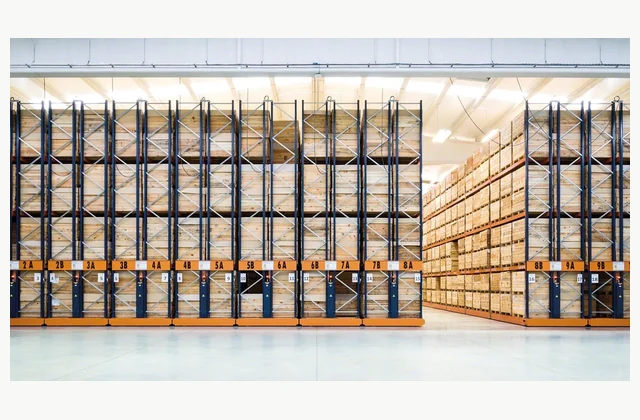
Shown as a configuration reference. Availability and the equipment offered for your project are confirmed separately.
Access pattern: application and input specification
Mobile pallet racking places storage racks on powered bases that move along rails to open a working aisle. It combines dense storage with access to individual positions when the relevant aisle is opened, making access timing and movement control part of the warehouse design.
Provide pallet and load specifications, SKU profile, access frequency and building layout. Include simultaneous picking or replenishment needs, floor condition and any cold-storage environment. Maximum theoretical positions are insufficient if the opening sequence cannot support the required warehouse tasks.
Access is direct once an aisle is available, but it is not necessarily simultaneous everywhere. Model the expected order and replenishment pattern. If several trucks repeatedly request different aisles, review the practical waiting and scheduling effect before converting density into a productivity claim.
Civil interface: configuration tradeoffs
Compare mobile-block layout, aisle openings, base arrangement and controls against truck traffic. Determine how multiple requested moves are managed and how people or trucks are protected during movement. The rack, bases, rail system and control functions need a coordinated design.
Rails are a civil interface. Their installation can affect slab work, floor finish and future relocation. Identify responsibility for the survey, installation accuracy and acceptance so the rack supplier and builder share one set of dimensions before either commits to site work.
| Decision | What to resolve | Useful evidence |
|---|---|---|
| Access pattern | Density versus aisle waiting | Representative warehouse-task study |
| Civil interface | Rails, slab and installation tolerances | Coordinated survey and design |
| Movement control | People, trucks and restart procedure | Configured commissioning demonstration |
Process integration and handover points
Assign slab and rail preparation, rack erection, electrical supply, controls and warehouse-system connections. Coordinate truck access, detection devices, emergency provisions and service access. Show the complete operating aisle envelope rather than designing rack positions independently from traffic and access procedures.
Movement protection needs an operating method. Specify how people enter, how trucks are counted or detected where applicable and how restart is authorized. Demonstrate the configured functions with the site's procedures rather than assuming a list of sensors establishes complete operating suitability.
Installation and maintainable operating arrangements
Review rail installation tolerances, floor loading, drainage and structural requirements with responsible designers. Cold stores need an environment-specific response. Include maintenance isolation, movement-system access and the method for inspecting both the rack structure and powered bases throughout their service life.
Cold-storage service can change component and maintenance needs. State the actual temperature, moisture and cleaning conditions and obtain a response for controls, rails and moving parts. Do not infer freezer suitability from a general reference photograph of a mobile rack installation.
Acceptance evidence for movement control
Verify the installed structure and rail system against approved drawings, then demonstrate loaded aisle opening and normal handling. Challenge the agreed detection and stop functions through authorized commissioning procedures. Check access timing under representative warehouse requests rather than judging an empty block's movement alone.
A maintenance plan should cover the base drive and the storage structure. Define access, inspection and the response to a stopped block, including safe retrieval of essential stock. Review how replacement parts and control changes remain traceable to the installed configuration.
OEM/ODM scope and future changes
ODM can include base geometry, storage supports, access openings and control integration subject to engineering review. OEM colors and labels are separate. Keep approved loading and change rules because added levels or a different pallet population can alter structural and movement assumptions.
Retain the approved block layout, pallet schedule and control description. Future rack extensions, heavier loads or new access patterns need review together. This prevents a storage expansion from depending on structural or movement conditions that were outside the original commissioning evidence.
Image reference: Mecalux Movirack mobile pallet racking. The illustrated manufacturer configuration does not establish stock, an agency appointment or permission to relabel it. OEM/ODM requests require a written feasibility response for the actual proposed equipment.
Include these application details in your quotation request:
- Pallet geometry, condition and load schedule
- SKU access and simultaneous-task profile
- Building plan and required storage levels
- Mobile block and working-aisle layout
- Slab survey and rail installation scope
- Powered bases, controls and detection functions
- Cold-room or other environmental conditions
- Truck traffic and warehouse-system interfaces
- Loaded movement and commissioned-function tests
- OEM/ODM expansion and change-approval rules
What should your mobile pallet racking RFQ include?
- Pallet geometry, condition and load schedule
- SKU access and simultaneous-task profile
- Building plan and required storage levels
- Mobile block and working-aisle layout
- Slab survey and rail installation scope
- Powered bases, controls and detection functions
- Cold-room or other environmental conditions
- Truck traffic and warehouse-system interfaces
- Loaded movement and commissioned-function tests
- OEM/ODM expansion and change-approval rules
Need OEM / ODM customization?
Submit branding, packaging, configuration or engineering requirements for this equipment. Include the target market, initial and annual quantities, required changes and acceptance criteria.
Customization feasibility, permitted branding, development responsibilities, minimum quantity, cost and lead time are reviewed for the proposed supplier and configuration before a quotation is confirmed.
Frequently asked questions
What inputs determine selection of mobile pallet racking?
Provide pallet and load specifications, SKU profile, access frequency and building layout. Include simultaneous picking or replenishment needs, floor condition and any cold-storage environment. Maximum theoretical positions are insufficient if the opening sequence cannot support the required warehouse tasks.
How should I compare civil interface options?
Compare mobile-block layout, aisle openings, base arrangement and controls against truck traffic. Determine how multiple requested moves are managed and how people or trucks are protected during movement. The rack, bases, rail system and control functions need a coordinated design.
Which adjoining operations need to be specified?
Assign slab and rail preparation, rack erection, electrical supply, controls and warehouse-system connections. Coordinate truck access, detection devices, emergency provisions and service access. Show the complete operating aisle envelope rather than designing rack positions independently from traffic and access procedures.
What is a useful acceptance trial for mobile pallet racking?
Verify the installed structure and rail system against approved drawings, then demonstrate loaded aisle opening and normal handling. Challenge the agreed detection and stop functions through authorized commissioning procedures. Check access timing under representative warehouse requests rather than judging an empty block's movement alone.
Which OEM/ODM changes can I request?
ODM can include base geometry, storage supports, access openings and control integration subject to engineering review. OEM colors and labels are separate. Keep approved loading and change rules because added levels or a different pallet population can alter structural and movement assumptions.
What application boundary is easy to overlook?
Access is direct once an aisle is available, but it is not necessarily simultaneous everywhere. Model the expected order and replenishment pattern. If several trucks repeatedly request different aisles, review the practical waiting and scheduling effect before converting density into a productivity claim.
Reference information
- Mecalux Movirack mobile pallet racking official reference
- Mecalux related technology or portfolio reference
Reference data and images explain equipment configurations. IndustryApex engineers confirm the offered model, specification and commercial scope in your project quotation.