
Prepare uniform laps for a combing line by coordinating sliver feed, lap formation and transport to compatible combers. The buying process should establish incoming sliver, lap geometry, lap consistency, and material transport. Use the comparison checkpoints to prepare a consistent quotation request, define installation and acceptance responsibilities, and identify missing accessories or evidence. OEM/ODM is a project-specific feasibility question; request written confirmation of any proposed change and the supporting documentation.
Prepare uniform laps for a combing line by coordinating sliver feed, lap formation and transport to compatible combers. Compare configuration, interfaces and acceptance evidence before requesting an application-specific quotation or OEM/ODM feasibility review. Confirm the comber interface.
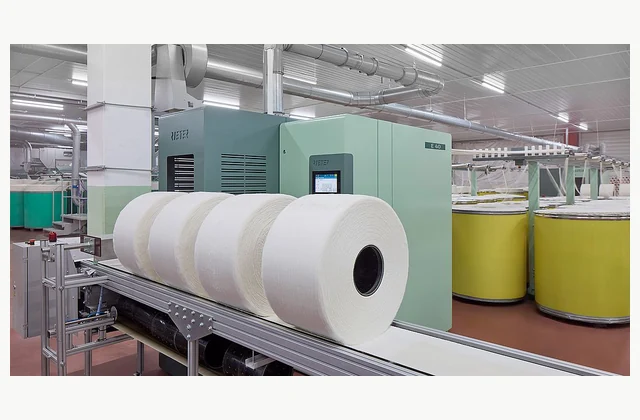
Shown as a configuration reference. Availability and the equipment offered for your project are confirmed separately.
Prepare uniform laps for a combing line by coordinating sliver feed, lap formation and transport to compatible combers.
Locate lap preparation within the combing line
Combing preparation forms laps from sliver for a compatible comber. Its purpose is a stable, uniform feed presentation, so the specification begins upstream and ends at the comber input. Identify the fiber mix, sliver arrangement and intended yarn-quality route. A lap-preparation machine cannot be selected independently of the drawing and combing process. Describe both existing machines and planned changes so line compatibility can be assessed.
Match the lap format to the comber
Lap width, weight, tube format and handling arrangement need to match the downstream machine. A photograph of neatly wound laps does not establish compatibility. Request the permissible format and the interface drawing for the proposed combination. Check how laps unwind and how their ends are handled during replacement. When multiple combers or product routes are involved, identify which lap formats are shared and where separate arrangements are necessary.
Evaluate uniformity with representative material
Fiber type, preparation history and sliver quality influence the lap that can be produced. Agree the incoming material specification and the tests used to assess lap consistency. Trial material should represent the intended production, including difficult blends or sensitive fibers. Discuss how winding tension and lap build affect handling and unwinding. Do not equate a maximum production figure with repeatable feed quality at the downstream comber.
| Buying checkpoint | Project information |
|---|---|
| Incoming sliver | Describe fiber mix, feed presentation and upstream drawing condition. |
| Lap geometry | Match lap width, weight and tube format to the selected comber. |
| Lap consistency | Agree tests for uniformity and unwinding stability using actual material. |
| Material transport | Choose trolley or automated transport with clear machine interfaces. |
| Line balance | Relate usable output to comber demand, doffing and changeover time. |
| Fiber changeover | Define cleaning, contamination control and traceability between lots. |
Plan the creel and transport system
The creel, can positions and operator routes can occupy as much planning attention as the central machine. Provide a floor plan with incoming sliver presentation, maintenance space and outgoing lap movement. Distinguish manual trolley transfer from an automated transport arrangement. Check interfaces, lifting and storage positions and the available buffer between preparation and combing. The Rieter OMEGAlap reference illustrates lap preparation; transport options must be itemized separately in the offer.
Balance usable output and changeovers
Line balance should use the actual combers, lap demand and operating schedule. Include stops for doffing, material changes, cleaning and maintenance rather than comparing theoretical output alone. Where the mill processes several fiber lots, decide how lap identification and segregation are maintained through storage and transport. Cleaning access matters when contamination or carryover affects yarn quality. Request a changeover description and the consumables needed for the proposed production mix.
Set acceptance around downstream behavior
A useful acceptance trial links lap formation to stable feeding and unwinding on the intended comber. Record material identity, machine arrangement, lap variation and any interruptions or handling damage. Agree the test duration and measurement method in the contract without inventing universal numerical limits. Obtain the operating and maintenance documentation, parts identification and service scope. The handover should describe the complete preparation-and-transfer arrangement used in the successful trial.
Describe integration and OEM/ODM limits
Mill-specific labeling, lap identification, transport interfaces and layout adaptations can be submitted for feasibility review. Changes to lap formation or material-handling mechanics require engineering assessment and fiber trials. Private labeling does not transfer another manufacturer’s design or branding rights. State the desired configuration and the existing comber interface, then ask for a written scope, drawing approvals and responsibilities for testing a customized system.
What should your combing preparation machine RFQ include?
- Incoming sliver: Describe fiber mix, feed presentation and upstream drawing condition.
- Lap geometry: Match lap width, weight and tube format to the selected comber.
- Lap consistency: Agree tests for uniformity and unwinding stability using actual material.
- Material transport: Choose trolley or automated transport with clear machine interfaces.
- Line balance: Relate usable output to comber demand, doffing and changeover time.
- Fiber changeover: Define cleaning, contamination control and traceability between lots.
- Project location, destination requirements and intended operating environment
- Required drawings, connection information and site responsibility boundaries
- Representative acceptance case, documentation, training and spare-parts scope
- OEM/ODM: proposed branding, interface or design changes; engineering feasibility and evidence required
Need OEM / ODM customization?
Submit branding, packaging, configuration or engineering requirements for this equipment. Include the target market, initial and annual quantities, required changes and acceptance criteria.
Customization feasibility, permitted branding, development responsibilities, minimum quantity, cost and lead time are reviewed for the proposed supplier and configuration before a quotation is confirmed.
Frequently asked questions
What does a combing preparation machine produce?
It prepares laps from sliver for a compatible combing process. The lap format and presentation must suit the downstream comber. Specify the incoming fiber and sliver, required lap geometry and transport method so the preparation stage can be assessed as part of the line.
Can any lap preparation machine feed any comber?
Compatibility must be checked. Lap width, tube format, weight, handling and unwinding arrangements can differ. Provide the exact comber information and require a documented interface assessment. Matching the general process name is insufficient to establish that a lap can be handled and fed correctly.
How should lap quality be evaluated?
Use representative fiber and upstream preparation conditions, then assess consistency, handling and unwinding on the intended combing route. Agree measurements and acceptance criteria before the trial. An attractive lap or a maximum output statement does not establish repeatable downstream feeding behavior.
Is automated lap transport always necessary?
The choice depends on the mill layout, number of combers, lot handling and staffing plan. Compare manual trolleys with automated transport as complete arrangements, including storage and interface requirements. An automated option should solve a defined material-flow need rather than be assumed standard.
Which changeover issues belong in the inquiry?
Describe fiber and lot changes, cleaning requirements, contamination sensitivity and how laps remain identified through transport and storage. Ask how changeover affects usable line output. These details help distinguish a productive configuration from one that meets only a theoretical running-rate requirement.
What can be customized in a lap-preparation project?
Layout, identification and transport interfaces may be reviewed. Changes affecting lap formation, mechanics or downstream compatibility require engineering and fiber trials. Submit drawings of the intended line and define the acceptance route so an OEM/ODM response addresses the complete preparation-and-combing interface.
Reference information
- Effiziente Kämmereivorbereitung mit OMEGAlap E 40 | Rieter
- Draw Frames, Combers & Roving Frames – Superior Spinning Preparation
Reference data and images explain equipment configurations. IndustryApex engineers confirm the offered model, specification and commercial scope in your project quotation.