
Extrusion coating and lamination lines apply molten polymer to a moving substrate or use it to bond webs. They differ from machines that make free-standing cast film. Substrate handling, adhesion, coating uniformity and winding are central to selecting the complete converting system. Provide substrate materials, widths, treatments and incoming roll condition with the polymer construction and intended laminate use. Define coating, bond and barrier requirements. A resin compatible with extrusion may still require an application-specific adhesion or surface-treatment strategy on the chosen substrate.
Extrusion coating and lamination lines apply molten polymer to a moving substrate or use it to bond webs. They differ from machines that make free-standing cast film. Substrate handling, adhesion, coating uniformity and winding are central to selecting the complete converting system. Compare application fit, configuration and OEM/ODM scope through the buyer checklist below.
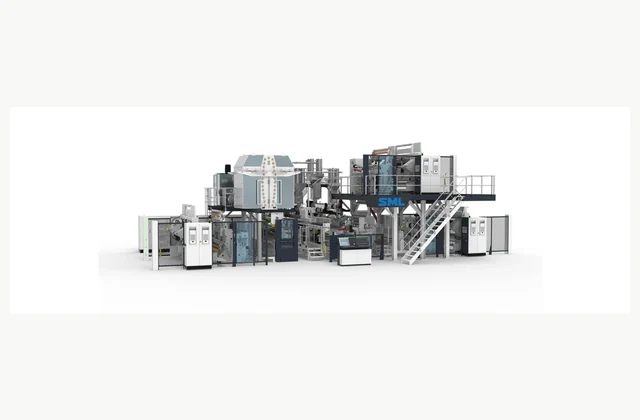
Shown as a configuration reference. Availability and the equipment offered for your project are confirmed separately.
Adhesion: application and input specification
Extrusion coating and lamination lines apply molten polymer to a moving substrate or use it to bond webs. They differ from machines that make free-standing cast film. Substrate handling, adhesion, coating uniformity and winding are central to selecting the complete converting system.
Provide substrate materials, widths, treatments and incoming roll condition with the polymer construction and intended laminate use. Define coating, bond and barrier requirements. A resin compatible with extrusion may still require an application-specific adhesion or surface-treatment strategy on the chosen substrate.
Substrate condition needs a written specification. Moisture, surface treatment and roll quality can affect adhesion and handling. Retain incoming samples and lot information so a later bond change can be investigated without assuming the coating equipment is the only variable.
Web control: configuration tradeoffs
Compare extruders, feedblock, flat die, treatment, nip and chill arrangements against the web construction. Review single- or multiple-web lamination and any inline primer or other process. Added layers are useful only when their function and required interface performance are defined.
Coating weight and adhesion must be evaluated together. A thin attractive layer can fail the required bond, while excessive polymer may distort the web or increase material cost. Define sampling locations and useful width, including edge and trim treatment in the acceptance method.
| Decision | What to resolve | Useful evidence |
|---|---|---|
| Adhesion | Substrate, polymer and treatment relationship | Conditioned bond testing |
| Web control | Tension through bonding and cooling | Actual-substrate laminate trial |
| Finished roll | Useful width and conversion behavior | Stored-roll converter assessment |
Process integration and handover points
Assign substrate unwinding, tension and guiding, treatment, extrusion, bonding, cooling, trimming and winding. Coordinate splice handling and the disposition of transition material. Define who supplies each web and how the line identifies a substrate or coating condition outside the approved process.
Web tension influences the finished laminate. Different substrates can stretch or respond differently through the nip and cooling sequence. Review the combination rather than qualifying each material in isolation, and inspect the laminate after release from line tension and normal conditioning.
Installation and maintainable operating arrangements
Review power, cooling, ventilation and any treatment-system services with the installed layout. Reserve access for dies, nip rolls, unwind reels and finished rolls. Include trim and rejected laminate handling so maintenance and material changes can be performed without obstructing the web path.
Splices and startups create transition material. Ask how the proposed controls identify and segregate it, especially when several webs or resin layers change. Include a realistic campaign change so accepted output is compared with the waste and operator work required to reach it.
Acceptance evidence for finished roll
Run production substrates and polymers, assessing coating distribution, adhesion, appearance and application-specific properties after agreed conditioning. Include splices, startup and meaningful material changes. Test the laminate in the intended converter or package process rather than judging a visually coated web alone.
Winding determines whether the converter receives usable material. Define roll hardness, edge alignment, core and later handling conditions. Inspect stored and converted rolls for problems that may not be apparent while the fresh laminate remains supported on the processing line.
OEM/ODM scope and future changes
ODM can cover web paths, layer architecture, die width, treatment and downstream integration. Agree process and tooling ownership with material trials. OEM identification and manuals are separate from substantiating food-contact, aseptic or other end-use performance for a new laminate construction.
Keep substrate, polymer, treatment and machine revisions linked to accepted tests. A new paper coating, film surface or resin can affect several interfaces. Review the changed construction through application trials before treating it as equivalent to the previously qualified laminate.
Image reference: SML FlexPack extrusion coating and laminating line. The illustrated manufacturer configuration does not establish stock, an agency appointment or permission to relabel it. OEM/ODM requests require a written feasibility response for the actual proposed equipment.
Include these application details in your quotation request:
- Substrate materials, treatment and roll condition
- Polymer layers and intended laminate construction
- Coating distribution and useful-width criteria
- Adhesion and end-use test requirements
- Unwind, guiding and tension-control scope
- Die, nip, cooling and treatment configuration
- Splice, trim and transition-material handling
- Winding, storage and converter interfaces
- Actual-material conditioned-laminate trials
- OEM/ODM web paths and qualification ownership
What should your extrusion coating and lamination line RFQ include?
- Substrate materials, treatment and roll condition
- Polymer layers and intended laminate construction
- Coating distribution and useful-width criteria
- Adhesion and end-use test requirements
- Unwind, guiding and tension-control scope
- Die, nip, cooling and treatment configuration
- Splice, trim and transition-material handling
- Winding, storage and converter interfaces
- Actual-material conditioned-laminate trials
- OEM/ODM web paths and qualification ownership
Need OEM / ODM customization?
Submit branding, packaging, configuration or engineering requirements for this equipment. Include the target market, initial and annual quantities, required changes and acceptance criteria.
Customization feasibility, permitted branding, development responsibilities, minimum quantity, cost and lead time are reviewed for the proposed supplier and configuration before a quotation is confirmed.
Frequently asked questions
What inputs determine selection of extrusion coating and lamination line?
Provide substrate materials, widths, treatments and incoming roll condition with the polymer construction and intended laminate use. Define coating, bond and barrier requirements. A resin compatible with extrusion may still require an application-specific adhesion or surface-treatment strategy on the chosen substrate.
How should I compare web control options?
Compare extruders, feedblock, flat die, treatment, nip and chill arrangements against the web construction. Review single- or multiple-web lamination and any inline primer or other process. Added layers are useful only when their function and required interface performance are defined.
Which adjoining operations need to be specified?
Assign substrate unwinding, tension and guiding, treatment, extrusion, bonding, cooling, trimming and winding. Coordinate splice handling and the disposition of transition material. Define who supplies each web and how the line identifies a substrate or coating condition outside the approved process.
What is a useful acceptance trial for extrusion coating and lamination line?
Run production substrates and polymers, assessing coating distribution, adhesion, appearance and application-specific properties after agreed conditioning. Include splices, startup and meaningful material changes. Test the laminate in the intended converter or package process rather than judging a visually coated web alone.
Which OEM/ODM changes can I request?
ODM can cover web paths, layer architecture, die width, treatment and downstream integration. Agree process and tooling ownership with material trials. OEM identification and manuals are separate from substantiating food-contact, aseptic or other end-use performance for a new laminate construction.
What application boundary is easy to overlook?
Substrate condition needs a written specification. Moisture, surface treatment and roll quality can affect adhesion and handling. Retain incoming samples and lot information so a later bond change can be investigated without assuming the coating equipment is the only variable.
Reference information
- SML FlexPack extrusion coating and laminating line official reference
- SML related technology or portfolio reference
Reference data and images explain equipment configurations. IndustryApex engineers confirm the offered model, specification and commercial scope in your project quotation.