
SOLAR & POWER SYSTEMS
Hybrid solar inverters
Match grid, PV strings, battery communications and the actual backup circuit.
Explore the buying guideReference: Deye SUN-5/6/8/10/12K-SG04LP3-EU family

Equipment category
Define solar, storage, charging, power and control projects using measured loads, interfaces, operating conditions and exact destination requirements.
Match grid, PV strings, battery communications and the actual backup circuit.
Explore the buying guideReference: Deye SUN-5/6/8/10/12K-SG04LP3-EU family

Start with load data, usable energy, power, installation evidence and project economics.
Explore the buying guideReference: Sungrow PowerStack ST225kWh-110kW-2h

Compare solar modules by usable roof area, electrical design, mounting interfaces and traceable project documentation.
Explore the buying guideReference: LONGi Hi-MO X6 Artist Ultra Black LR5-54HTDB family

Choose lithium battery packs by the load, usable-energy boundary, inverter compatibility and installation conditions.
Explore the buying guideReference: Deye ESS SE-G5.1 Pro-B rack modules in manufacturer system reference

Size solar water pumping from daily water demand, actual pumping head and the site's seasonal conditions.
Explore the buying guideReference: LORENTZ Submersible solar pump family
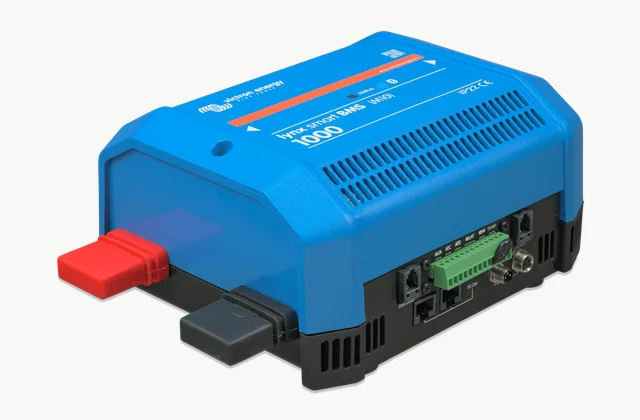
A battery management system monitors and controls the operating boundary of a compatible battery assembly. It is not a universal retrofit for every cell chemistry or inverter. Start with cell chemistry and series parallel arrangement, then agree the configuration and the evidence required for acceptance.
Explore the buying guideReference: Victron Energy Lynx Smart BMS 1000 M10

A battery rack enclosure supports and organizes a defined battery-module system with its electrical and service interfaces. A rack image does not establish a complete certified energy-storage installation. Start with module size and mass and module quantity, then agree the configuration and the evidence required for acceptance.
Explore the buying guideReference: Rittal VX25 battery energy-storage enclosure exploded design, Commeo integration reference

A battery thermal management unit removes or supplies heat to maintain a defined battery operating environment. The complete thermal circuit must be matched to the battery system and ambient envelope. Start with battery thermal load and ambient envelope, then agree the configuration and the evidence required for acceptance.
Explore the buying guideReference: Pfannenberg VLV 4/12 battery energy storage chiller

A bidirectional battery inverter converts energy between a compatible DC battery and an AC system. Charge and discharge behaviour depends on the battery, controls and grid or island operating mode. Start with battery envelope and bms protocol, then agree the configuration and the evidence required for acceptance.
Explore the buying guideReference: Victron Energy Quattro 12V 3000VA inverter charger
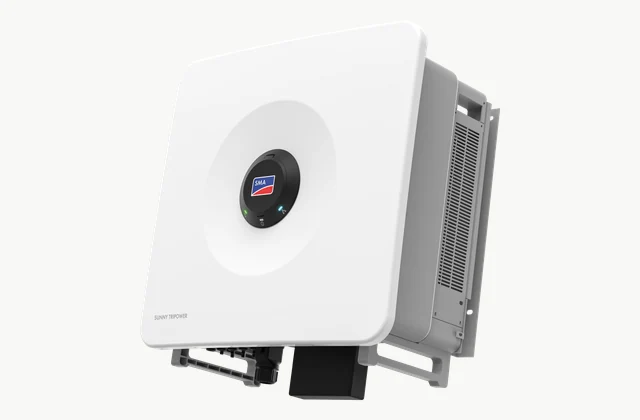
A grid-tied solar string inverter converts PV DC into AC synchronized with a permitted grid connection. Its design must match the array and the destination grid requirements. Start with pv string design and climate voltage current, then agree the configuration and the evidence required for acceptance.
Explore the buying guideReference: SMA Sunny Tripower X 60
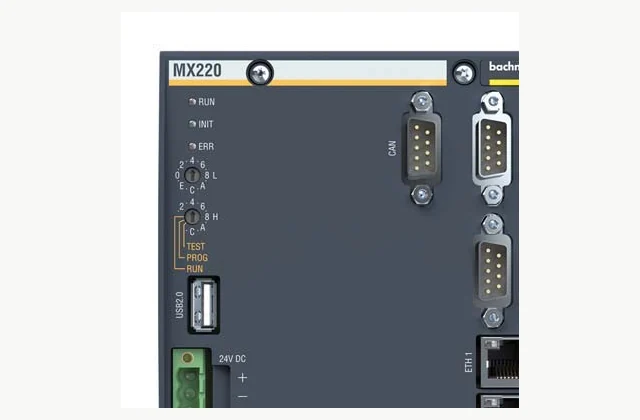
A microgrid energy management controller coordinates generation, storage and loads according to an operating strategy. It supervises compatible equipment and does not replace their local protective controls. Start with asset schedule and load and generation profiles, then agree the configuration and the evidence required for acceptance.
Explore the buying guideReference: SMA Hybrid Controller PLC processor module reference

A PV monitoring data logger collects plant measurements and equipment status for operations and reporting. It must preserve correct asset association and usable data through communication interruptions. Start with device list and protocols, then agree the configuration and the evidence required for acceptance.
Explore the buying guideReference: SMA Data Manager M EDMM-20

A PV rapid shutdown system provides a defined response at module or array level when a shutdown command is initiated. The complete compatible system and destination rules determine its application. Start with module and string data and inverter compatibility, then agree the configuration and the evidence required for acceptance.
Explore the buying guideReference: Tigo Energy TS4-A-F rapid shutdown
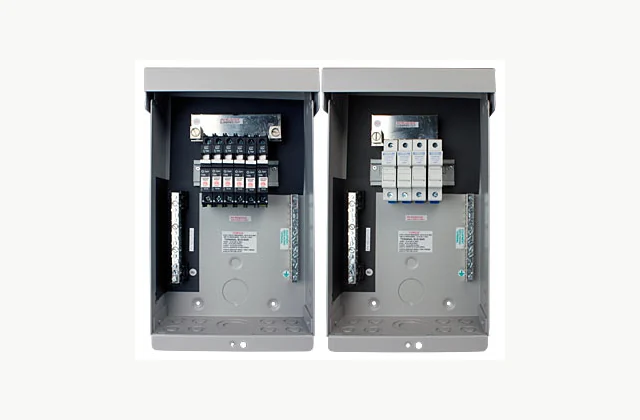
A PV string combiner box groups defined DC string circuits with the required protection, isolation and monitoring. It must be engineered for the array voltage and fault conditions. Start with string count and maximum voltage, then agree the configuration and the evidence required for acceptance.
Explore the buying guideReference: MidNite Solar MNPV6 PV string combiner, breaker/fuse configuration alternatives
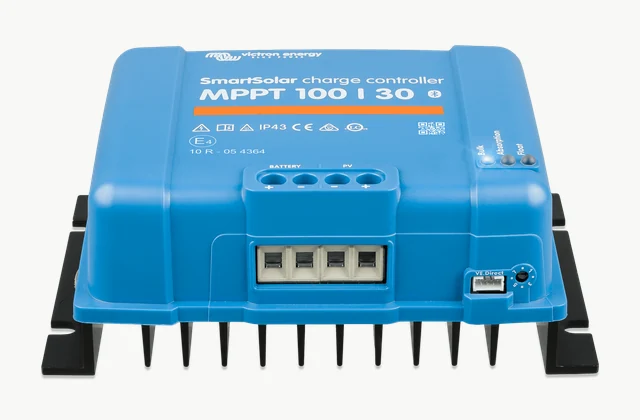
A solar charge controller regulates energy from a PV array into a compatible battery system. Array limits, battery chemistry and charging strategy must be selected together. Start with pv string design and cold voltage, then agree the configuration and the evidence required for acceptance.
Explore the buying guideReference: Victron Energy SmartSolar MPPT
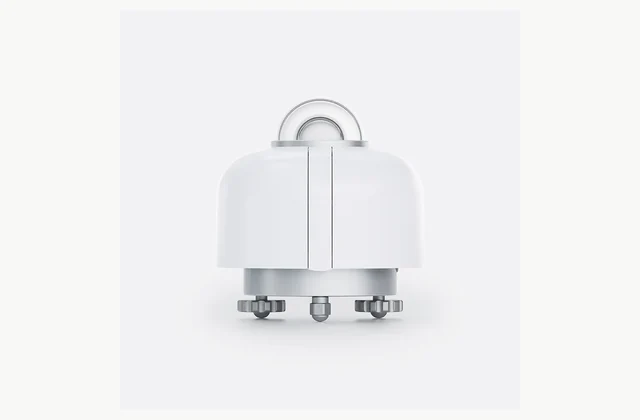
A solar irradiance monitoring station measures solar resource and related conditions for a PV or solar-thermal installation. Sensor class, mounting and maintenance determine the usefulness of its data. Start with measurement objective and sensor class, then agree the configuration and the evidence required for acceptance.
Explore the buying guideReference: Hukseflux SR300-D1 pyranometer

A solar microinverter converts power from one or a small group of compatible modules into grid-synchronized AC. The branch circuit and destination grid approval are part of the system design. Start with module voltage current and temperature envelope, then agree the configuration and the evidence required for acceptance.
Explore the buying guideReference: Hoymiles HMS-1600/1800/2000-4T microinverter

A solar module optimizer performs module-level DC power conversion within a compatible PV system. The optimizer, inverter and control arrangement must be verified together. Start with module electrical data and string layout, then agree the configuration and the evidence required for acceptance.
Explore the buying guideReference: Tigo Energy TS4-A-O optimizer
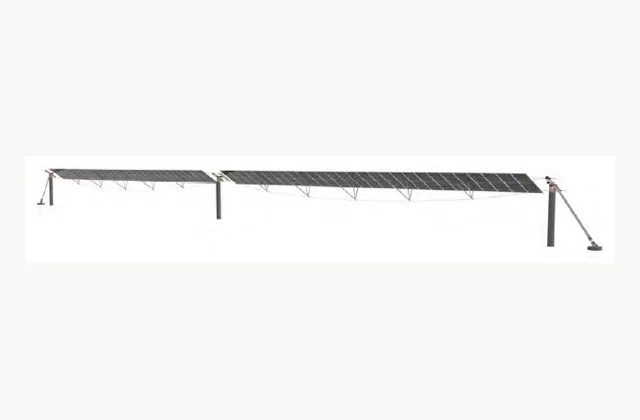
A solar mounting structure supports PV modules and transfers environmental loads into a roof or foundation. Module compatibility and site structural conditions must be engineered together. Start with module and clamp data and array layout, then agree the configuration and the evidence required for acceptance.
Explore the buying guideReference: Arctech Fixed-tilt module mounting structure
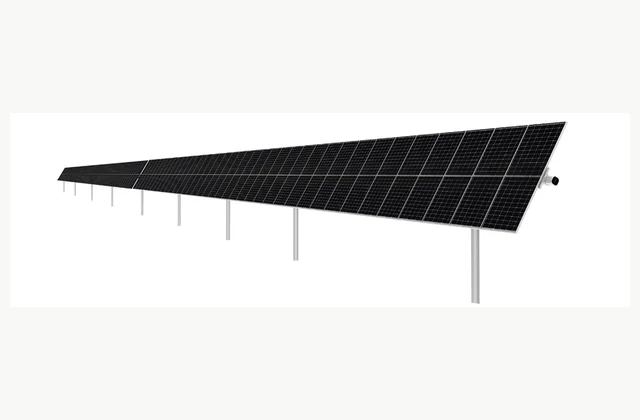
A solar tracking system moves PV arrays to follow a controlled orientation through the day. Terrain, wind behaviour, foundations and controls determine suitability at a particular site. Start with module layout and terrain, then agree the configuration and the evidence required for acceptance.
Explore the buying guideReference: Arctech SkyLine single-axis tracker structure
Build a comparable request
Share the application, required output, destination, utilities, quantities and planned timing. For OEM / ODM projects, include the branding, configuration or engineering changes, sample approval and acceptance requirements.
Practical buying decisions
A comparable solar tracking system quotation starts with module layout, terrain, geotechnical data. Record the required result, site interfaces and acceptance evidence in one revision-controlled RFQ. IndustryApex engineers use these inputs to define the equipment, integration and OEM/ODM scope for your project.
Read the guideA comparable solar mounting structure quotation starts with module and clamp data, array layout, wind and snow. Record the required result, site interfaces and acceptance evidence in one revision-controlled RFQ. IndustryApex engineers use these inputs to define the equipment, integration and OEM/ODM scope for your…
Read the guideA comparable solar module optimizer quotation starts with module electrical data, string layout, inverter compatibility. Record the required result, site interfaces and acceptance evidence in one revision-controlled RFQ. IndustryApex engineers use these inputs to define the equipment, integration and OEM/ODM scope for your project.
Read the guide