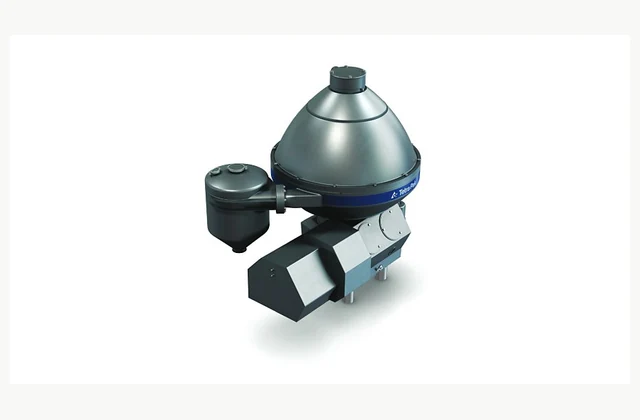
A dairy separator splits milk into cream and skim streams by centrifugal separation. Its fat-balancing duty differs from removing sediment with a milk clarifier. Start with milk inlet temperature and condition and feed fat range and solids, then compare the complete configured system and a documented acceptance trial.
A milk clarifier removes suspended impurities through centrifugal separation. The buying objective is a defined solids-removal duty, rather than splitting milk into cream and skim fractions. Start with milk temperature and feed variation and sediment description and concentration, then compare the complete configured system and a documented acceptance trial.
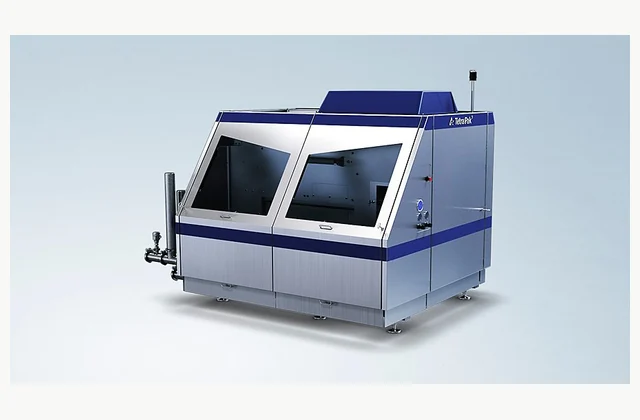
A dairy homogenizer reduces dispersed fat globule or particle size through a controlled pressure treatment. It is a physical texture and emulsion process, not a substitute for validated pasteurization. Start with recipe fat solids viscosity temperature and particle or stability quality target, then compare the complete configured system and a documented acceptance trial.
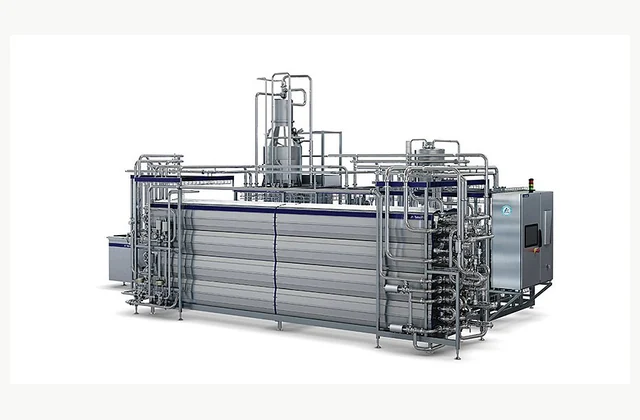
HTST pasteurization applies a defined continuous heat treatment followed by controlled cooling. The process must protect the intended food under its specified flow and holding conditions. Start with food recipe acidity viscosity particles and microbiological objective and authority, then compare the complete configured system and a documented acceptance trial.
A UHT food sterilizer treats pumpable food before an aseptic downstream system. Its thermal and sterile boundaries differ from both refrigerated HTST pasteurization and packaged-food retorting. Start with recipe acidity viscosity particles and ambient shelf-life validation objective, then compare the complete configured system and a documented acceptance trial.
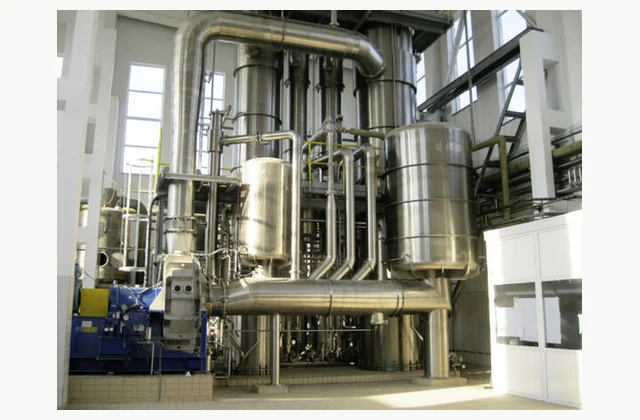
Dairy evaporation concentrates milk or whey by removing water as vapor. It is a concentration step whose product history and fouling behavior influence the following dryer or packing operation. Start with milk whey composition and minerals and feed and target concentrate solids, then compare the complete configured system and a documented acceptance trial.
A food spray dryer atomizes liquid feed into a heated drying environment to produce powder. Powder properties and hygienic recovery define success alongside evaporative capacity. Start with feed solids viscosity fat sugars and powder moisture density and solubility, then compare the complete configured system and a documented acceptance trial.
A beverage deaerator removes entrained or dissolved air before later processing. The required oxygen result and aroma retention are more useful selection criteria than vacuum level alone. Start with beverage recipe viscosity foaming and inlet and target oxygen method, then compare the complete configured system and a documented acceptance trial.
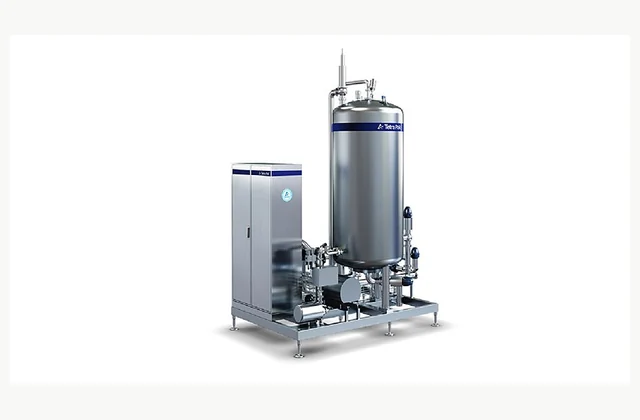
A beverage carbonator dissolves controlled carbon dioxide into liquid. It must be specified with temperature, recipe and pressure conditions, rather than treated as a gas injection fitting. Start with recipe solids and foam tendency and inlet beverage temperature and air, then compare the complete configured system and a documented acceptance trial.
A beverage blending system combines sanitary liquid ingredients to a controlled recipe. It differs from a generic industrial mixer because ingredient accuracy, hygiene and product release govern operation. Start with ingredient list density and viscosity and recipe ratios and dosing range, then compare the complete configured system and a documented acceptance trial.
A syrup preparation system dissolves and conditions concentrated beverage ingredients before blending. The critical duty is repeatable dissolution and transfer, rather than stirring an unspecified tank. Start with sugar sweetener and powder forms and solids concentration and recipe sequence, then compare the complete configured system and a documented acceptance trial.
Juice ultrafiltration separates clarified permeate from retained suspended material through selected membranes. It is a clarification process and does not automatically establish microbiological safety or concentration duty. Start with juice fruit pulp pectin description and pretreatment and enzyme conditions, then compare the complete configured system and a documented acceptance trial.
A brewhouse produces wort through mashing, separation, boiling and clarification. Define the recipe and batch sequence separately from fermentation, packaging and the rest of the brewery. Start with grain bill adjuncts and recipes and cast-out wort and extract target, then compare the complete configured system and a documented acceptance trial.
A beer fermentation tank controls a sanitary fermentation process with cooling and pressure management. Its yeast handling and cleanability distinguish it from a general liquid storage vessel. Start with beer style yeast and fermentation profile and useful fill and foam allowance, then compare the complete configured system and a documented acceptance trial.
A cheese-making vat controls milk coagulation and subsequent curd treatment. Cutting, agitation and temperature history are recipe-specific and differ from a general dairy storage tank. Start with cheese recipe and milk composition and batch fill and coagulation sequence, then compare the complete configured system and a documented acceptance trial.
Butter churning converts conditioned cream into butter and separates buttermilk. Cream treatment and product moisture define the process, rather than a generic mixer power rating. Start with cream fat maturity and temperature and seasonal composition variation, then compare the complete configured system and a documented acceptance trial.
A continuous ice cream freezer freezes and aerates prepared mix while scraping the cold barrel surface. It creates the semi-frozen product before filling, extrusion or hardening. Start with mix formulation fat sugar and solids and aged-mix viscosity inlet temperature, then compare the complete configured system and a documented acceptance trial.
A food CIP system circulates cleaning solutions through closed food-contact equipment without dismantling every circuit. Selection begins with the actual soil, flow paths and verified cleaning endpoint, rather than the number of tanks on a skid.
A spiral mixer develops dough by coordinating the spiral tool with bowl movement. Flour characteristics, hydration, batch loading and desired final dough temperature determine whether a proposed mixer can repeat the required dough condition.
A dough dividing and rounding system portions bulk dough and prepares pieces for subsequent resting or shaping. The usable weight range depends on dough behavior and the selected divider, intermediate handling and rounder tools.
A dough sheeting line reduces and transfers dough into a continuous sheet; laminated products also require controlled fat layers and folding. The line must preserve the chosen dough structure while meeting thickness and downstream forming requirements.
An industrial bread proofer provides a controlled fermentation environment while transporting or holding dough pieces. Product supports, residence time and environmental uniformity must match the dough recipes and the adjoining bakery equipment.
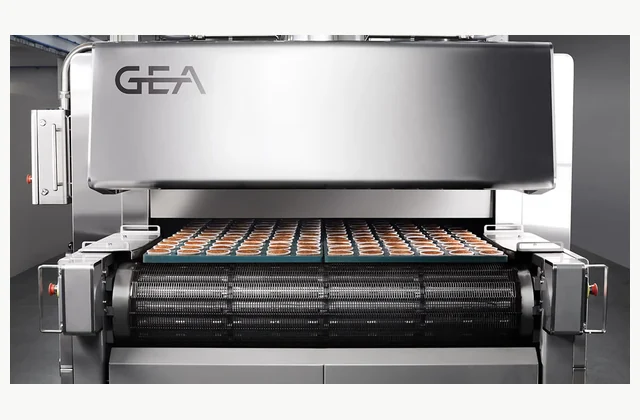
A bakery tunnel oven moves products through controlled heating zones. The belt or tray arrangement, loaded heat demand and desired moisture loss define a useful oven specification more accurately than overall length alone.
A bakery depositor portions batter, cream or other bakery mass through selected dosing heads. Rheology, temperature and inclusions govern product flow and must be tested with the intended nozzle and container pattern.
Share the application, required output, destination, utilities, quantities and planned timing. For OEM / ODM projects, include the branding, configuration or engineering changes, sample approval and acceptance requirements.
A comparable candy cooking and depositing line quotation starts with candy cooking and depositing line application and required finished result, recipe and cooking, deposit and setting. Record the required result, site interfaces and acceptance evidence in one revision-controlled RFQ. IndustryApex engineers use these inputs to…
A comparable chocolate enrobing machine quotation starts with chocolate enrobing machine application and required finished result, centers and coating, coverage and weight. Record the required result, site interfaces and acceptance evidence in one revision-controlled RFQ. IndustryApex engineers use these inputs to define the equipment, integration…
A comparable chocolate molding line quotation starts with chocolate molding line application and required finished result, mold and deposit, cooling and release. Record the required result, site interfaces and acceptance evidence in one revision-controlled RFQ. IndustryApex engineers use these inputs to define the equipment, integration…