
Recover useful shaft work or refrigeration from an engineered process-gas pressure expansion where gas conditions support the duty. Selection depends on gas composition, expansion duty and driven-load interface. IndustryApex reviews your application, equipment boundary and OEM/ODM requirements for a project-specific proposal.
Process gas turboexpander energy recovery system: Recover useful shaft work or refrigeration from an engineered process-gas pressure expansion where gas conditions support the duty.
Related technical terminology: Turboexpander gas energy recovery. Confirm the process boundary below when using an abbreviated specification.
Process gas turboexpander energy recovery system specification and application fit
Recover useful shaft work or refrigeration from an engineered process-gas pressure expansion where gas conditions support the duty. A turboexpander is a rotating process-gas installation with defined sealing, bearing and load interfaces. It is distinct from a flue-gas economizer and is not a direct replacement for every pressure-reducing valve.
The defining selection questions are gas composition, expansion duty and driven-load interface. State the required result and the conditions under which it must be achieved. A catalogue family identifies an engineering application; the final model, process envelope and commercial scope need review against your actual data.
Process gas turboexpander energy recovery system integration requirements
Use measured demand profiles and explicit source, sink and electrical boundaries. Compare useful delivered output with complete auxiliary demand under the same conditions. Engineering, utility connection, pressure systems and protection responsibilities belong in the project scope. Savings and commercial returns require your baseline and confirmed proposal.
| Decision | Information to establish |
|---|---|
| Application-specific inputs | Gas composition and contaminants, inlet and outlet conditions, flow range, phase behavior, required refrigeration or shaft load, and startup or bypass philosophy. |
| Configuration boundary | A turboexpander is a rotating process-gas installation with defined sealing, bearing and load interfaces. It is distinct from a flue-gas economizer and is not a direct replacement for every pressure-reducing valve. |
| Acceptance evidence | Review the agreed process envelope and rotating-equipment safeguards, then verify measured gas conditions, delivered duty, vibration and load response at the specified test boundary. |
Process gas turboexpander energy recovery system cost: compare the complete scope
Request an itemized proposal separating core equipment, process development, tooling, controls, interfaces, utilities, installation, commissioning, training and agreed evidence. Confirm what the buyer supplies and which site works remain outside the quotation. Compare consumables, maintenance access, spare parts and downtime assumptions over your intended duty. Prices and delivery are confirmed for the proposed configuration; this page does not publish an unverified price range, payback or availability claim.
Process gas turboexpander energy recovery system acceptance checklist
Review the agreed process envelope and rotating-equipment safeguards, then verify measured gas conditions, delivered duty, vibration and load response at the specified test boundary.
Agree representative and difficult conditions, the measurement method and the responsibility for interpreting results before the trial. Record the tested configuration and unresolved items. Separate factory-demonstrable functions from site-dependent conditions. Ask for manuals, approved drawings, configuration records and the handover evidence included in the contract; a demonstration photograph does not establish project performance.
OEM / ODM customization and engineering review
OEM requests can cover agreed branding, documentation language and approved component preferences. ODM requests may involve functional changes, tooling, interfaces, layout or process-control requirements. Describe the proposed change and its intended result. IndustryApex reviews feasibility and the required specialist engineering scope before making a commitment. Design work, trials, validation responsibilities, intellectual-property arrangements, engineering charges and support must be agreed for the individual project.
What to send for a project quotation
- Gas composition and contaminants, inlet and outlet conditions, flow range, phase behavior, required refrigeration or shaft load, and startup or bypass philosophy.
- Required accepted output or operating duty, product or feed variation and production calendar.
- Existing equipment interfaces, layout, available utilities and approved modification permissions.
- Destination country and city, installation and commissioning scope, and intended purchasing date.
- Acceptance method, representative trial samples and evidence required by your engineering or quality team.
- OEM branding, documentation language, control preferences and requested ODM functional or layout changes.
- Budget scope, required support, consumable and spare-part needs; identify unknowns rather than inventing estimates.
Related equipment and process reference
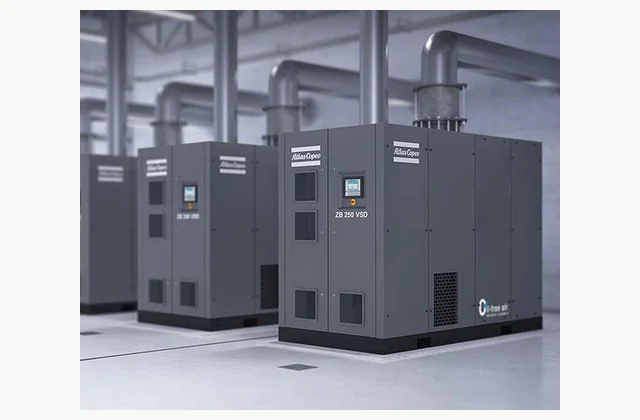
Review the pictured equipment family and its separate procurement scope ↗
Browse related advanced systems ↗ · Review the wider system boundary ↗
Related system requirements
Need OEM / ODM customization?
Submit branding, packaging, configuration or engineering requirements for this equipment. Include the target market, initial and annual quantities, required changes and acceptance criteria.
Customization feasibility, permitted branding, development responsibilities, minimum quantity, cost and lead time are reviewed for the proposed supplier and configuration before a quotation is confirmed.
Put this equipment into the complete project scope.
The source, sink and operating profile of the heat duty. Compare the relevant options, application inputs and trial evidence.
Industrial heat and steam integration: Selection and Acceptance Guide ↗Frequently asked questions
What determines the process gas turboexpander energy recovery system specification?
Gas composition and contaminants, inlet and outlet conditions, flow range, phase behavior, required refrigeration or shaft load, and startup or bypass philosophy. The specification should identify gas composition, expansion duty and driven-load interface and a measurable accepted result.
How is this scope different from a related equipment purchase?
A turboexpander is a rotating process-gas installation with defined sealing, bearing and load interfaces. It is distinct from a flue-gas economizer and is not a direct replacement for every pressure-reducing valve.
What does this process gas turboexpander energy recovery system cost?
The project cost depends on the proposed configuration, engineering and test scope. Gas composition and contaminants, inlet and outlet conditions, flow range, phase behavior, required refrigeration or shaft load, and startup or bypass philosophy. Send these details for an itemized quotation including interfaces, installation and support; no fixed price or payback is assumed.
What should the acceptance checklist include?
Review the agreed process envelope and rotating-equipment safeguards, then verify measured gas conditions, delivered duty, vibration and load response at the specified test boundary. Agree reference samples, measurement conditions, responsibilities and the factory-versus-site test boundary before purchase.
Can IndustryApex review OEM and ODM customization?
Yes. Send the requested branding, documentation, interfaces or functional changes together with the application data. A turboexpander is a rotating process-gas installation with defined sealing, bearing and load interfaces. It is distinct from a flue-gas economizer and is not a direct replacement for every pressure-reducing valve. Feasibility, specialist engineering, trials, price, delivery and support are confirmed in the individual proposal.
Does the photograph show the complete system being offered?
No. It identifies a real related centrifugal turbo blower module or process from Atlas Copco. It is not the complete process gas turboexpander energy recovery system or an IndustryApex installation. The quotation must identify the actual equipment, drawings, scope and supporting evidence.
Reference information
- Atlas Copco Gas and Process turboexpanders (technology background; not a supply claim)
- Atlas Copco ZB VSD — related equipment photograph only
Reference data and images explain equipment configurations. IndustryApex engineers confirm the offered model, specification and commercial scope in your project quotation.