
Choose a fabric relaxation dryer from wet load, fabric sensitivity and required residual shrinkage. Specify low-tension handling, moisture removal and relaxation behavior together, then evaluate dimensions and handle after the prescribed conditioning and care tests rather than compare chamber temperatures alone. Dry representative fabric at agreed incoming moisture and loading, then measure final moisture, width, length and hand after conditioning. Apply the specified residual-shrinkage test and inspect creases or handling marks. Include normal entry and exit transfers, recording good dry output, recipe settings and the cleaning work needed during the trial. Submit the intended configuration and any OEM/ODM changes for project-specific feasibility review.
Choose a fabric relaxation dryer from wet load, fabric sensitivity and required residual shrinkage. Specify low-tension handling, moisture removal and relaxation behavior together, then evaluate dimensions and handle after the prescribed conditioning and care tests rather than compare chamber temperatures alone.
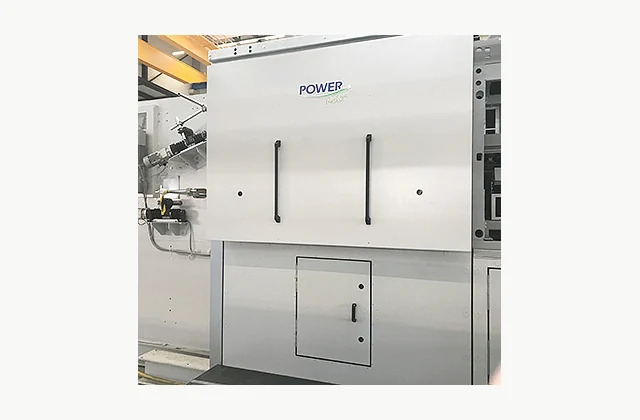
Shown as a configuration reference. Availability and the equipment offered for your project are confirmed separately.
Define fabric form and wet load
Provide whether material is open-width or tubular, together with width, mass, fiber blend and incoming moisture. Include batch variation from the upstream process. Nominal dry-fabric throughput cannot establish capacity when evaporation demand and the fabric's response to handling change substantially between constructions.
Set shrinkage and handle objectives
Supply approved hand samples and the required residual dimensional behavior using the buyer's test method. Distinguish relaxation from deliberate width setting on a stenter. A softer fabric leaving the dryer does not prove acceptable residual shrinkage or matching width and length performance after the product's required care cycle.
Review low-tension conveying and agitation
Identify the offered conveying, overfeed and relaxation arrangement and its compatibility with delicate or elastic material. Trial creasing, edge curling and marking. A conveyor speed setting alone does not show that fabric remains relaxed if entry, transfer or exit devices impose tension or suppress the intended movement.
Control drying temperature and moisture
Define permitted fabric temperature and final moisture, with a method for measuring both. Review airflow and zone control for the supplied dryer. A hot exhaust or stable controller display is not equivalent to uniform fabric drying, especially when variable loading creates moist areas or overheated lightweight sections.
Integrate wet entry and dry delivery
Coordinate dewatering, feed accumulation, fabric spreading and the exit collection or next finishing stage. Define which modules are included. A relaxation dryer cannot compensate for uncontrolled upstream water loading or a downstream pull that stretches the relaxed material, so the complete handover deserves a documented operating range.
Plan energy lint and service access
Itemize the actual heating source, exhaust, lint filtration and cleaning access. Qualified site specialists should assess heat and lint hazards. Compare energy and cleaning needs against good fabric at the stated water load rather than treating a burner rating or an unloaded fan measurement as a production consumption guarantee.
Compare a complete fabric relaxation dryer scope
| Decision | Information to compare |
|---|---|
| Define fabric form and wet load | Open-width/tubular form, width/mass, fiber blend and incoming moisture range |
| Set shrinkage and handle objectives | Approved hand, residual-shrinkage method, width/length targets and care cycle |
| Review low-tension conveying and agitation | Conveyor/relaxation arrangement, overfeed, tension limits and crease/mark criteria |
| Control drying temperature and moisture | Fabric temperature limit, final moisture, airflow/zones and measurement method |
| Integrate wet entry and dry delivery | Upstream dewatering, feed/exit modules, accumulation and downstream tension boundary |
| Plan energy lint and service access | Heat/exhaust services, lint cleaning, access and good-fabric energy trial basis |
Plan installation and access
Qualified process and utility specialists should coordinate the dryer layout, heating, exhaust, wet-fabric entry and relaxed-fabric exit. Assess lint accumulation and hot zones for the actual fiber mix. Retain threading and cleaning instructions, protective-function checks and the measurement procedure used for moisture and dimensional performance.
Agree acceptance evidence before ordering
Dry representative fabric at agreed incoming moisture and loading, then measure final moisture, width, length and hand after conditioning. Apply the specified residual-shrinkage test and inspect creases or handling marks. Include normal entry and exit transfers, recording good dry output, recipe settings and the cleaning work needed during the trial.
Define OEM/ODM engineering boundaries
OEM widths, conveying and approved heat arrangements can be reviewed. ODM airflow, relaxation mechanisms or controls require process engineering and fabric trials. Reference imagery establishes neither agency nor a guaranteed residual shrinkage, energy figure or universal treatment for fabrics outside the validated load and construction range.
What should your fabric relaxation dryer RFQ include?
- Open-width/tubular form, width/mass, fiber blend and incoming moisture range
- Approved hand, residual-shrinkage method, width/length targets and care cycle
- Conveyor/relaxation arrangement, overfeed, tension limits and crease/mark criteria
- Fabric temperature limit, final moisture, airflow/zones and measurement method
- Upstream dewatering, feed/exit modules, accumulation and downstream tension boundary
- Heat/exhaust services, lint cleaning, access and good-fabric energy trial basis
- Destination, working environment, access and delivery constraints
- Installation responsibility, utilities and connection drawings
- Acceptance samples, documented test method, operator training and maintenance scope
- OEM/ODM changes requested: identification, tooling, interfaces or new design; engineering feasibility to be confirmed
Need OEM / ODM customization?
Submit branding, packaging, configuration or engineering requirements for this equipment. Include the target market, initial and annual quantities, required changes and acceptance criteria.
Customization feasibility, permitted branding, development responsibilities, minimum quantity, cost and lead time are reviewed for the proposed supplier and configuration before a quotation is confirmed.
Frequently asked questions
How do I define fabric form and wet load?
Provide whether material is open-width or tubular, together with width, mass, fiber blend and incoming moisture. Include batch variation from the upstream process. Nominal dry-fabric throughput cannot establish capacity when evaporation demand and the fabric's response to handling change substantially between constructions.
How do I set shrinkage and handle objectives?
Supply approved hand samples and the required residual dimensional behavior using the buyer's test method. Distinguish relaxation from deliberate width setting on a stenter. A softer fabric leaving the dryer does not prove acceptable residual shrinkage or matching width and length performance after the product's required care cycle.
How do I review low-tension conveying and agitation?
Identify the offered conveying, overfeed and relaxation arrangement and its compatibility with delicate or elastic material. Trial creasing, edge curling and marking. A conveyor speed setting alone does not show that fabric remains relaxed if entry, transfer or exit devices impose tension or suppress the intended movement.
How do I control drying temperature and moisture?
Define permitted fabric temperature and final moisture, with a method for measuring both. Review airflow and zone control for the supplied dryer. A hot exhaust or stable controller display is not equivalent to uniform fabric drying, especially when variable loading creates moist areas or overheated lightweight sections.
How do I integrate wet entry and dry delivery?
Coordinate dewatering, feed accumulation, fabric spreading and the exit collection or next finishing stage. Define which modules are included. A relaxation dryer cannot compensate for uncontrolled upstream water loading or a downstream pull that stretches the relaxed material, so the complete handover deserves a documented operating range.
How do I plan energy lint and service access?
Itemize the actual heating source, exhaust, lint filtration and cleaning access. Qualified site specialists should assess heat and lint hazards. Compare energy and cleaning needs against good fabric at the stated water load rather than treating a burner rating or an unloaded fan measurement as a production consumption guarantee.
Reference information
- BRÜCKNER POWER-DRY official product reference
- BRÜCKNER fabric relaxation dryer official family or technical reference
Reference data and images explain equipment configurations. IndustryApex engineers confirm the offered model, specification and commercial scope in your project quotation.