
Citrus juice extractors separate juice from whole prepared citrus fruit while managing peel, seeds and oil-bearing tissues. They differ from presses used for apple mash. Fruit sizing and the relationship between extraction parts and the peel are important purchasing considerations. Describe citrus species, size distribution, ripeness and peel condition, with juice and peel-oil objectives. Define accepted flavor, pulp and unwanted solids using appropriate product tests. A capacity description based on one fruit size cannot establish results for a mixed-size seasonal crop.
Citrus juice extractors separate juice from whole prepared citrus fruit while managing peel, seeds and oil-bearing tissues. They differ from presses used for apple mash. Fruit sizing and the relationship between extraction parts and the peel are important purchasing considerations. Compare application fit, configuration and OEM/ODM scope through the buyer checklist below.
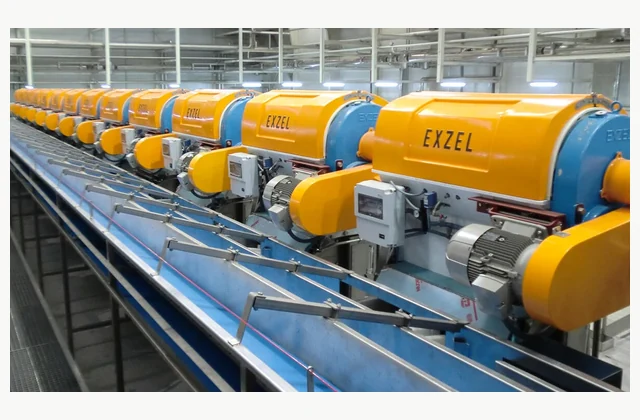
Shown as a configuration reference. Availability and the equipment offered for your project are confirmed separately.
Fruit sizing: application and input specification
Citrus juice extractors separate juice from whole prepared citrus fruit while managing peel, seeds and oil-bearing tissues. They differ from presses used for apple mash. Fruit sizing and the relationship between extraction parts and the peel are important purchasing considerations.
Describe citrus species, size distribution, ripeness and peel condition, with juice and peel-oil objectives. Define accepted flavor, pulp and unwanted solids using appropriate product tests. A capacity description based on one fruit size cannot establish results for a mixed-size seasonal crop.
Sizing is an extraction dependency rather than an optional presentation step. A mixed incoming lot may need to be routed to different head configurations or processed under different conditions. Ask how oversize and undersize fruit are detected, diverted and included in the commercial recovery calculation.
Stream separation: configuration tradeoffs
Compare extraction-head concepts, fruit sizing and change parts against the intended species. Review how juice and peel-related streams are separated. Fruit outside the chosen tooling range can compromise the result, so obtain a format and size-routing proposal rather than assuming unrestricted whole-fruit feeding.
Peel oil can be valuable in one stream and undesirable in another. Define the intended collection and separation boundaries with the product owner. Evaluate the juice at the agreed sampling point instead of treating the existence of an oil-recovery feature as proof of a flavor result.
| Decision | What to resolve | Useful evidence |
|---|---|---|
| Fruit sizing | Head compatibility and diverted fruit | Size-group trial and mass balance |
| Stream separation | Juice versus peel-related material | Defined-point quality sampling |
| Final juice | Required finishing and pulp level | Extractor-to-finisher handover review |
Process integration and handover points
Assign receiving, washing, sorting, sizing, extraction, finishing and peel handling. Identify accepted juice and oil collection points where applicable. The extractor's feed system and the next finisher must share a realistic description of fruit rhythm and the liquid or pulp being transferred.
Fruit condition changes across harvest and storage. Soft fruit, damaged peel or unusual maturity can behave differently from demonstration samples. Include difficult normal lots in qualification and agree which conditions fall outside the standard operating envelope before the supply contract is finalized.
Installation and maintainable operating arrangements
Review cleaning access to extraction parts and juice paths, drainage and the removal of peel waste. Confirm electrical, water and any cleaning-system requirements for the offered unit. Provide room for tooling changes and handling of food-contact components without cross-contaminating cleaned parts.
The extractor does not necessarily deliver the final pulp specification. Review finishing and any further separation required for the chosen beverage. Set a clear handover description so the finisher supplier receives an accurate inlet condition and the buyer avoids a gap between machines.
Acceptance evidence for final juice
Extract representative sized fruit lots and evaluate accepted juice, recovery, pulp and peel-related quality. Keep fruit condition and extraction configuration traceable. Include sustained feeding and waste discharge so a favorable short demonstration does not conceal sizing losses or downstream blockage.
Inspect peel and other reject streams alongside the juice. Edible loss, unwanted fragments and waste handling influence the total process. A headline extraction number has little purchasing value unless the accepted juice fraction, diverted fruit and downstream quality correction are visible.
OEM/ODM scope and future changes
ODM can address feed sizing, fruit-specific extraction components and juice or peel transfer. Agree approved fruit trials and tooling ownership. OEM identification and manuals are separate from qualifying a new citrus species or promising flavor outcomes for untested seasonal material.
Retain the extraction-head, size-routing and fruit-lot records with accepted juice samples. When a new growing region or variety enters the program, reassess the affected settings. An earlier successful trial is evidence for its defined fruit condition rather than a universal result guarantee.
Image reference: Bucher Exzel Exzel citrus juice extractor. The illustrated manufacturer configuration does not establish stock, an agency appointment or permission to relabel it. OEM/ODM requests require a written feasibility response for the actual proposed equipment.
Include these application details in your quotation request:
- Citrus species and seasonal fruit condition
- Fruit size distribution and routing plan
- Juice flavor, pulp and quality criteria
- Peel-oil recovery and separation objective
- Extraction-head and change-part matrix
- Washing, sorting and sizing interfaces
- Finisher and juice-transfer handover
- Cleaning access and peel-waste discharge
- Traceable sized-fruit extraction trial
- OEM/ODM fruit-specific tooling and approvals
What should your citrus juice extractor RFQ include?
- Citrus species and seasonal fruit condition
- Fruit size distribution and routing plan
- Juice flavor, pulp and quality criteria
- Peel-oil recovery and separation objective
- Extraction-head and change-part matrix
- Washing, sorting and sizing interfaces
- Finisher and juice-transfer handover
- Cleaning access and peel-waste discharge
- Traceable sized-fruit extraction trial
- OEM/ODM fruit-specific tooling and approvals
Need OEM / ODM customization?
Submit branding, packaging, configuration or engineering requirements for this equipment. Include the target market, initial and annual quantities, required changes and acceptance criteria.
Customization feasibility, permitted branding, development responsibilities, minimum quantity, cost and lead time are reviewed for the proposed supplier and configuration before a quotation is confirmed.
Frequently asked questions
What inputs determine selection of citrus juice extractor?
Describe citrus species, size distribution, ripeness and peel condition, with juice and peel-oil objectives. Define accepted flavor, pulp and unwanted solids using appropriate product tests. A capacity description based on one fruit size cannot establish results for a mixed-size seasonal crop.
How should I compare stream separation options?
Compare extraction-head concepts, fruit sizing and change parts against the intended species. Review how juice and peel-related streams are separated. Fruit outside the chosen tooling range can compromise the result, so obtain a format and size-routing proposal rather than assuming unrestricted whole-fruit feeding.
Which adjoining operations need to be specified?
Assign receiving, washing, sorting, sizing, extraction, finishing and peel handling. Identify accepted juice and oil collection points where applicable. The extractor's feed system and the next finisher must share a realistic description of fruit rhythm and the liquid or pulp being transferred.
What is a useful acceptance trial for citrus juice extractor?
Extract representative sized fruit lots and evaluate accepted juice, recovery, pulp and peel-related quality. Keep fruit condition and extraction configuration traceable. Include sustained feeding and waste discharge so a favorable short demonstration does not conceal sizing losses or downstream blockage.
Which OEM/ODM changes can I request?
ODM can address feed sizing, fruit-specific extraction components and juice or peel transfer. Agree approved fruit trials and tooling ownership. OEM identification and manuals are separate from qualifying a new citrus species or promising flavor outcomes for untested seasonal material.
What application boundary is easy to overlook?
Sizing is an extraction dependency rather than an optional presentation step. A mixed incoming lot may need to be routed to different head configurations or processed under different conditions. Ask how oversize and undersize fruit are detected, diverted and included in the commercial recovery calculation.
Reference information
- Bucher Exzel Exzel citrus juice extractor official reference
- Bucher Exzel related technology or portfolio reference
Reference data and images explain equipment configurations. IndustryApex engineers confirm the offered model, specification and commercial scope in your project quotation.