
Food grain cleaning machines separate unwanted material from grain before further processing. Screening and aspiration can remove different impurity groups, but they do not automatically replace destoning, optical sorting or other dedicated treatments required by the incoming contamination and finished-food specification. Define grain species, moisture condition, bulk characteristics and a representative impurity profile. State which coarse, fine and light materials must be removed and the acceptable loss of sound grain. An inlet tonnage alone cannot establish cleaning difficulty or accepted output.
Food grain cleaning machines separate unwanted material from grain before further processing. Screening and aspiration can remove different impurity groups, but they do not automatically replace destoning, optical sorting or other dedicated treatments required by the incoming contamination and finished-food specification. Compare application fit, configuration and OEM/ODM scope through the buyer checklist below.
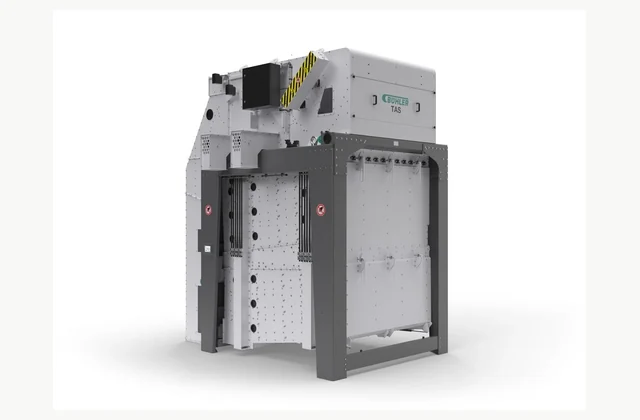
Shown as a configuration reference. Availability and the equipment offered for your project are confirmed separately.
Impurity type: application and input specification
Food grain cleaning machines separate unwanted material from grain before further processing. Screening and aspiration can remove different impurity groups, but they do not automatically replace destoning, optical sorting or other dedicated treatments required by the incoming contamination and finished-food specification.
Define grain species, moisture condition, bulk characteristics and a representative impurity profile. State which coarse, fine and light materials must be removed and the acceptable loss of sound grain. An inlet tonnage alone cannot establish cleaning difficulty or accepted output.
Impurity categories should be listed separately. Straw, broken kernels, dust and stones do not behave alike, and some contaminants may resemble sound grain in size. Use representative samples to decide which separation principle addresses each problem and where further treatment remains necessary.
Grain loss: configuration tradeoffs
Compare sieve arrangements, aspiration and feed distribution against the contaminant types and grain range. Sieve changes may be required between crops. Ask which separation duties are demonstrated by the proposed configuration and which contaminants need another machine rather than assuming universal removal.
Feed consistency affects separation. An uneven or surging grain layer can hide contamination or overload part of the sieve. Review the upstream gate and distributor, then demonstrate the normal variation expected from receiving or conveying rather than feeding a carefully controlled laboratory sample alone.
| Decision | What to resolve | Useful evidence |
|---|---|---|
| Impurity type | Screening versus aspiration or further treatment | Representative contamination samples |
| Grain loss | Accepted cleanliness versus edible rejection | Separated-stream mass balance |
| Air system | Cleaner and extraction compatibility | Defined airflow interface and settings |
Process integration and handover points
Assign receiving, metered feed, cleaner, aspiration ducting, dust collection and separated-stream handling. Define the grain handover to storage or milling. Coordinate pressure and airflow with the extraction supplier so the cleaner's performance does not depend on an unspecified ventilation connection.
Aspiration needs a defined system boundary. The cleaner, ductwork, fan and collector influence one another. Obtain the proposed air requirements and identify the responsible designer, including how adjustments are set and recorded when another grain or moisture condition enters the plant.
Installation and maintainable operating arrangements
Review headroom, support, sieve access and maintenance routes with the installed conveying system. Plan dust management and the required site assessment for the actual grain environment. Confirm utilities, access platforms and safe collection of screenings without obstructing the accepted grain path.
Screenings carry economic information. Excess sound grain in reject streams can make an apparently clean accepted fraction expensive. Inspect and weigh the relevant streams using an agreed sampling method, then compare residual impurities and edible loss together instead of optimizing visual cleanliness alone.
Acceptance evidence for air system
Clean traceable grain lots with representative impurities and assess each separated stream. Measure sound-grain loss, residual contamination and sustained accepted output at the agreed condition. Include crop changeover and sieve inspection, keeping aspiration settings visible in the acceptance record.
Crop changes need a sieve and settings plan. Ask which elements are changed, how they are accessed and how operators confirm correct installation. Record spare-sieve identification so a locally substituted opening pattern does not silently alter a previously accepted cleaning duty.
OEM/ODM scope and future changes
ODM can include special sieves, inlet distribution, discharge connections and control integration. Agree crop-specific trials and approved separation parts. OEM labels and documents are separate from validating contaminant removal or making unsupported food-safety claims for a complete processing line.
The cleaning result should be tied to the next process. Storage, milling or food ingredient production can require different handovers. State the residual impurity condition and confirm any remaining destoning, metal separation or optical sorting responsibilities before treating the cleaner as a complete grain-preparation solution.
Image reference: Buhler TAS universal grain cleaner. The illustrated manufacturer configuration does not establish stock, an agency appointment or permission to relabel it. OEM/ODM requests require a written feasibility response for the actual proposed equipment.
Include these application details in your quotation request:
- Grain species, moisture and bulk condition
- Representative impurity types and proportions
- Residual contamination and sound-grain-loss criteria
- Crop-specific sieve and aspiration requirements
- Metered feed and inlet distribution scope
- Duct, fan and collector interfaces
- Accepted grain and screenings destinations
- Headroom, platforms and sieve-service access
- Traceable grain-stream acceptance sampling
- OEM/ODM sieves, connections and control scope
What should your food grain cleaning machine RFQ include?
- Grain species, moisture and bulk condition
- Representative impurity types and proportions
- Residual contamination and sound-grain-loss criteria
- Crop-specific sieve and aspiration requirements
- Metered feed and inlet distribution scope
- Duct, fan and collector interfaces
- Accepted grain and screenings destinations
- Headroom, platforms and sieve-service access
- Traceable grain-stream acceptance sampling
- OEM/ODM sieves, connections and control scope
Need OEM / ODM customization?
Submit branding, packaging, configuration or engineering requirements for this equipment. Include the target market, initial and annual quantities, required changes and acceptance criteria.
Customization feasibility, permitted branding, development responsibilities, minimum quantity, cost and lead time are reviewed for the proposed supplier and configuration before a quotation is confirmed.
Frequently asked questions
What inputs determine selection of food grain cleaning machine?
Define grain species, moisture condition, bulk characteristics and a representative impurity profile. State which coarse, fine and light materials must be removed and the acceptable loss of sound grain. An inlet tonnage alone cannot establish cleaning difficulty or accepted output.
How should I compare grain loss options?
Compare sieve arrangements, aspiration and feed distribution against the contaminant types and grain range. Sieve changes may be required between crops. Ask which separation duties are demonstrated by the proposed configuration and which contaminants need another machine rather than assuming universal removal.
Which adjoining operations need to be specified?
Assign receiving, metered feed, cleaner, aspiration ducting, dust collection and separated-stream handling. Define the grain handover to storage or milling. Coordinate pressure and airflow with the extraction supplier so the cleaner's performance does not depend on an unspecified ventilation connection.
What is a useful acceptance trial for food grain cleaning machine?
Clean traceable grain lots with representative impurities and assess each separated stream. Measure sound-grain loss, residual contamination and sustained accepted output at the agreed condition. Include crop changeover and sieve inspection, keeping aspiration settings visible in the acceptance record.
Which OEM/ODM changes can I request?
ODM can include special sieves, inlet distribution, discharge connections and control integration. Agree crop-specific trials and approved separation parts. OEM labels and documents are separate from validating contaminant removal or making unsupported food-safety claims for a complete processing line.
What application boundary is easy to overlook?
Impurity categories should be listed separately. Straw, broken kernels, dust and stones do not behave alike, and some contaminants may resemble sound grain in size. Use representative samples to decide which separation principle addresses each problem and where further treatment remains necessary.
Reference information
- Buhler TAS universal grain cleaner official reference
- Buhler related technology or portfolio reference
Reference data and images explain equipment configurations. IndustryApex engineers confirm the offered model, specification and commercial scope in your project quotation.