
A centrifugal air compressor should be selected using sustained air demand, centrifugal control range and cooling conditions, with the receiving site and upstream or downstream equipment included in the discussion. Compare the proposed configuration, stated assumptions and a realistic acceptance trial together. Ask each supplier to identify exclusions, maintenance responsibilities and unresolved application questions. Define OEM branding separately from ODM integration changes so an altered machine is assessed against the same documented production requirement.
Compare centrifugal air compressor proposals around sustained air demand, centrifugal control range and cooling conditions. Define the process boundary, supporting equipment and acceptance evidence before choosing a configuration. Send the same application details to each bidder and include project-specific OEM or ODM requirements in the initial inquiry.
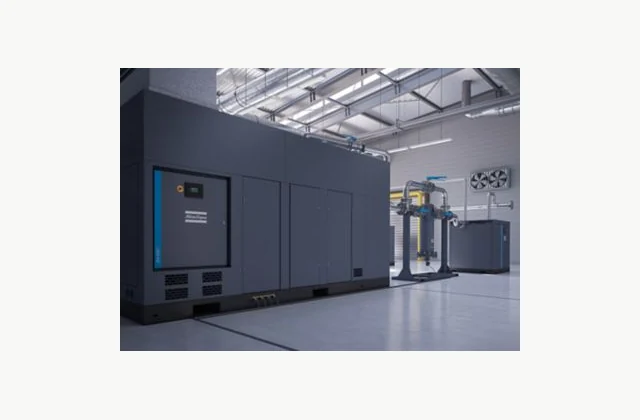
Shown as a configuration reference. Availability and the equipment offered for your project are confirmed separately.
Establish the plant air demand profile
Centrifugal air compressors merit review where a plant has substantial sustained air demand, but a large average alone is insufficient. Collect demand variation, required pressure and periods when production stops. Compare the proposed machine’s operating map and control method against that profile. A package suited to steady base load may be a poor match for deep turndown without an appropriate system strategy.
Identify essential users and existing compressors that could cover changing demand. Keep flow measurement basis, intake conditions and discharge pressure consistent across offers. Nominal motor power is not a substitute for the air delivered under the operating conditions of the plant.
Understand turndown and the anti-surge boundary
A centrifugal machine has a stable operating range that depends on its design and conditions. Ask the manufacturer to explain inlet control, unloading or blow-off behavior and anti-surge protection for the proposed package. Compare useful delivered air and power across your demand profile. Avoid assuming that every reduction in plant demand produces a proportional reduction in compressor energy use.
Request the sequence for changing between base and trim machines. A central controller can help coordinate a system only when the actual machine interfaces and response limits are supported. Include communications loss and normal shutdown in the operating description supplied for engineering review.
Compare package boundaries and air-quality treatment
Itemize compression stages, cooling equipment, lubrication-related boundaries, controls, starting equipment and discharge treatment. An oil-free compression claim does not independently define moisture or particle conditions at the user. State the required air quality and inspection location. Review whether aftercooling, drains, filters, dryers and receivers are included or are separate plant responsibilities that must be sized for the proposed air flow.
The Atlas Copco ZH family reference illustrates centrifugal compressed-air equipment. Distinguish the photographed installation from the delivered package, and identify any external cooling or treatment shown. Ask for a battery-limit diagram rather than interpreting an installation photograph as an inclusive quotation.
| Decision | Requirement to state | Evidence to request |
|---|---|---|
| Demand | Base load, peaks and low-production periods | Demand profile against operating map |
| Control | Turndown, unloading and anti-surge | Declared control sequence and useful air output |
| Cooling | Seasonal water and ambient conditions | Heat rejection and utility schedule |
| Treatment | Point-of-use air requirements | Air-train diagram and test boundary |
| Performance | Flow, pressure and power basis | Agreed rating and site acceptance conditions |
Check seasonal cooling and the installation route
Give the bidder site ambient conditions and the available cooling-water supply, including seasonal temperature, quality and flow constraints where applicable. Ask which conditions determine the quoted air output and heat rejection. Review cooler access, drainage and maintenance requirements. Identify responsibility for cooling towers, pumps, water treatment and connecting pipework so an assumed utility does not become an unplanned installation dependency.
Obtain foundation and rigging information for the exact package and its largest service component. Check the delivery route, lifting access and space to remove cooler bundles or drive components. These requirements may govern the plant layout even when the operating footprint appears acceptable.
Accept performance at declared operating conditions
Request a rating basis and a performance acceptance plan stating flow, pressure, power and inlet or cooling conditions. Have the responsible parties agree how site deviations will be handled. Observe control behavior during representative demand changes as well as stable operation. Air delivery at one favorable point does not prove acceptable system behavior during low production or a cooling-water disturbance.
Review protective functions and operator handover with the manufacturer or authorized service provider. Document controller settings and the boundary between machine and plant control. Ask who analyzes a failure to meet the agreed operating point rather than leaving correction responsibilities until commissioning.
Keep engineered package changes traceable
Submit OEM labels and documentation requests without obscuring original machine identity or service records. ODM work may include control integration, cooling connections, acoustic treatment or a complete utility skid. Require the responsible manufacturer and integrator to review the changed operating envelope, protection functions and maintenance access. Confirm drawing ownership and the acceptance basis for the revised system before treating customization as an included option.
Compare the service plan for bearings, gears, coolers and instrumentation using the proposed configuration. Ask which tasks require specialist access and what site resources are needed. A generic uptime statement does not replace a documented maintenance route and a plant contingency plan.
The pictured manufacturer equipment and linked documents are technical configuration references. They do not imply authorized representation, stock availability, equivalent performance from another supplier or permission to relabel the pictured brand. Confirm the proposed equipment and commercial scope for the specific project.
What should your centrifugal air compressor RFQ include?
- Measured air demand profile and production calendar
- Required discharge and user pressure boundaries
- Existing base/trim compressors and system controls
- Flow, pressure and power rating basis
- Air-quality requirements and treatment responsibility
- Cooling-water conditions and seasonal ambient range
- Foundation, rigging and service removal routes
- Protection, communications and plant control interfaces
- Performance acceptance method and specialist service plan
- OEM documentation or ODM cooling/control integration review
Need OEM / ODM customization?
Submit branding, packaging, configuration or engineering requirements for this equipment. Include the target market, initial and annual quantities, required changes and acceptance criteria.
Customization feasibility, permitted branding, development responsibilities, minimum quantity, cost and lead time are reviewed for the proposed supplier and configuration before a quotation is confirmed.
Frequently asked questions
When should a factory compare centrifugal air compressors?
Centrifugal air compressors merit review where a plant has substantial sustained air demand, but a large average alone is insufficient. Collect demand variation, required pressure and periods when production stops. Compare the proposed machine's operating map and control method against that profile. A package suited to steady base load may be a poor match for deep turndown without an appropriate system strategy.
Why does centrifugal compressor turndown affect a purchase?
A centrifugal machine has a stable operating range that depends on its design and conditions. Ask the manufacturer to explain inlet control, unloading or blow-off behavior and anti-surge protection for the proposed package. Compare useful delivered air and power across your demand profile. Avoid assuming that every reduction in plant demand produces a proportional reduction in compressor energy use.
What belongs in a centrifugal compressor system quotation?
Itemize compression stages, cooling equipment, lubrication-related boundaries, controls, starting equipment and discharge treatment. An oil-free compression claim does not independently define moisture or particle conditions at the user. State the required air quality and inspection location. Review whether aftercooling, drains, filters, dryers and receivers are included or are separate plant responsibilities that must be sized for the proposed air flow.
What cooling information is needed for a centrifugal air compressor?
Give the bidder site ambient conditions and the available cooling-water supply, including seasonal temperature, quality and flow constraints where applicable. Ask which conditions determine the quoted air output and heat rejection. Review cooler access, drainage and maintenance requirements. Identify responsibility for cooling towers, pumps, water treatment and connecting pipework so an assumed utility does not become an unplanned installation dependency.
How do I compare centrifugal compressor performance evidence?
Request a rating basis and a performance acceptance plan stating flow, pressure, power and inlet or cooling conditions. Have the responsible parties agree how site deviations will be handled. Observe control behavior during representative demand changes as well as stable operation. Air delivery at one favorable point does not prove acceptable system behavior during low production or a cooling-water disturbance.
Can a centrifugal compressor be supplied with OEM or ODM changes?
Submit OEM labels and documentation requests without obscuring original machine identity or service records. ODM work may include control integration, cooling connections, acoustic treatment or a complete utility skid. Require the responsible manufacturer and integrator to review the changed operating envelope, protection functions and maintenance access. Confirm drawing ownership and the acceptance basis for the revised system before treating customization as an included option.
Reference information
- Atlas Copco: ZH / ZH+ centrifugal compressor family official product reference
- Atlas Copco official supporting product documentation
Reference data and images explain equipment configurations. IndustryApex engineers confirm the offered model, specification and commercial scope in your project quotation.