
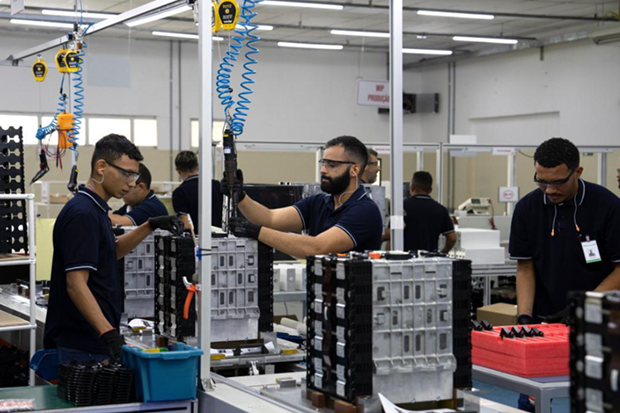
Compare suppliers, specifications, and integration requirements before sourcing industrial machinery from China. Decision framework and buyer checklist included.
Sourcing industrial machinery from China has become a strategic advantage for global manufacturers, system integrators, and OEM teams seeking cost-effective solutions without compromising on technology or customization. However, the process demands more than price comparison. Buyers must evaluate technical specifications, supplier reliability, integration capabilities, logistics complexity, and post-sale support before committing investment. This guide provides a structured framework to assess machinery offerings, compare configurations, and reduce procurement risk.
Key focus: This industrial machinery from China buying guide explains the technical, commercial and operational criteria industrial buyers should validate.
For a broader view of this topic, review the Industrial Machinery and Turnkey Projects solutions available through IndustryApex.
Why Industrial Buyers Source Machinery from China
China's manufacturing sector has matured significantly. The country now operates advanced production clusters in automation, CNC machining, laser systems, robotics, and turnkey engineering. For global industrial buyers, the rationale extends beyond labor cost reduction.
- Cost efficiency: Industrial machinery comparable to European or North American standards typically costs 30–50% less, improving capital ROI and project margins.
- Customization at scale: Chinese suppliers manage production lines, integrated systems, and bespoke configurations more flexibly than Western contract manufacturers.
- Supply chain density: Concentrated industrial clusters (Hangzhou, Shanghai, Dongguan, Suzhou) enable rapid prototyping, component sourcing, and assembly integration under one ecosystem.
- Technology access: Leading suppliers invest in advanced automation, servo controls, vision systems, and IoT-ready platforms comparable to established brands.
Understanding these advantages requires equally clear-eyed assessment of the sourcing process itself. Unlike purchasing consumer components, industrial machinery involves technical complexity, long lead times, significant capital investment, and operational dependencies that demand rigorous evaluation before procurement.
Five Core Dimensions for Evaluating Industrial Machinery Suppliers
A structured evaluation framework protects buyer interests and accelerates decision-making. Establish your requirements across five interconnected areas before requesting quotations.
1. Technical Specification and Production Fit
Define your machinery requirements with engineering precision. Generic requests yield generic responses. Instead, document:
- Production capacity (units per hour, throughput volume, cycle time requirements)
- Dimensional tolerances and surface finish specifications
- Material compatibility (metals, plastics, composites, textiles)
- Control system architecture (standalone PLC, networked SCADA, Industry 4.0 readiness)
- Power requirements and electrical standards (voltage, phase, frequency, grounding)
- Safety features and guarding compliance with your regional standards
Request suppliers provide detailed technical proposals—not generic brochures—showing how their machinery meets each specification. Compare proposals side-by-side rather than accepting the first option.
2. Supplier Qualification and Track Record
Verify supplier credibility before advancing discussions. Qualified industrial machinery suppliers maintain:
- Documented certifications (ISO 9001, ISO 14001, or sector-specific compliance)
- Verifiable production history with similar machinery types and capacity
- References from comparable industrial buyers or integrators
- Transparent technical team capable of detailed specification discussion
- Clear documentation of design, manufacturing, and quality processes
Request supplier references and contact previous buyers directly. Ask about machinery performance in operation, ease of integration, responsiveness to technical issues, and post-delivery support. Avoid suppliers unwilling to provide references or detailed technical documentation.
3. Integration Requirements and System Compatibility
Industrial machinery rarely operates in isolation. Assess integration complexity early:
- Electrical integration: Does the machinery work with your facility's power infrastructure, or does it require upgrades?
- Control protocol compatibility: Can the machinery integrate with existing SCADA systems, PLCs, or MES platforms?
- Physical fit: Space constraints, installation surface requirements, utility connections (compressed air, cooling water, waste disposal)
- Communication standards: Ethernet, Modbus, OPC-UA, or proprietary protocols—confirm compatibility before purchase.
- Data export and monitoring: Can you extract production data for quality tracking and continuous improvement?
Request suppliers provide integration documentation (electrical schematics, control interface specifications, communication protocols) during the evaluation phase. Engage your systems integrator or plant engineering team early to validate feasibility.

4. Logistics, Installation, and Commissioning
Moving industrial machinery internationally involves distinct challenges and costs. Clarify responsibility and timelines:
- Shipping: Who arranges transportation, handles export documentation, and manages insurance? Port-to-port or door-to-facility delivery?
- Installation: Does the supplier provide on-site installation, or is local engineering required? What is included in the quoted price?
- Commissioning: Who performs factory acceptance testing (FAT) and site acceptance testing (SAT)? What acceptance criteria apply?
- Timeline: Lead time from order to delivery, then installation duration—critical for production planning.
- Operator and maintenance training: Is training included? Language, format (on-site, remote, video), and documentation quality matter.
Poor logistics planning or incomplete installation support creates costly downtime and delayed ROI. Request detailed project timelines and support service descriptions in writing.
5. After-Sales Support and Lifecycle Management
Machinery performance depends on reliable post-purchase support. Clarify:
- Warranty scope: Parts, labor, duration, and geographical coverage (critical for imported equipment)
- Spare parts availability: Lead times, pricing, and stocking options for critical consumables and wear items
- Technical support: Response time for troubleshooting, remote diagnostics capability, and on-site engineer availability
- Maintenance protocols: Preventive maintenance schedules, documentation, and impact on warranty
- Upgrades and lifecycle: Can the supplier support software updates, control system upgrades, or capacity enhancements over time?
Machinery with excellent upfront performance but weak support creates operational risk. Include support terms explicitly in purchase agreements and validate supplier capability before signing.
Building a Supplier Comparison Framework
| Evaluation Dimension | Key Questions for Supplier | Red Flags | Green Signals |
|---|---|---|---|
| Technical Capability | Can you meet our capacity, tolerance, and control system requirements? Provide a detailed technical proposal. | Generic response, vague specifications, no technical documentation | Detailed proposal, engineering diagrams, reference to similar projects |
| Supplier Credibility | What certifications do you hold? Provide three verifiable references from similar buyers. | No certifications, reluctance to provide references, evasive communication | Current ISO certifications, willing references, transparent background |
| Integration Support | Do you provide electrical schematics and control interface documentation? Can you support Modbus/OPC-UA integration? | "We'll figure it out during installation," no technical documentation | Pre-delivery technical coordination, documented interfaces, integration testing plan |
| Logistics and Installation | What does your quoted price include? Who pays for shipping, installation, training, and FAT/SAT? | Vague pricing, separate charges for obvious services, unclear timeline | Detailed project schedule, clear scope of included services, fixed timeline commitment |
| Post-Sale Support | What is your warranty period and scope? What spare parts lead times can you guarantee? How do you provide technical support? | Minimal warranty, no spare parts strategy, support only during business hours in China | 1–2 year warranty, spare parts stocking, 24/7 technical support availability |
The Industrial Machinery Sourcing Process: Eight Practical Steps
Transform evaluation criteria into action using this eight-step procurement workflow:
- Define requirements document: Document technical specifications, integration needs, timeline, budget, and success criteria. Share with internal stakeholders (engineering, operations, finance) to align expectations.
- Identify candidate suppliers: Use platform directories, industry associations, and verified trade partners. Prioritize suppliers with relevant certifications and documented experience in your machinery category.
- Distribute technical RFQ: Request detailed proposals against your requirements. Ask for CAD drawings, electrical documentation, test data, and implementation timelines.
- Evaluate technical proposals: Score proposals objectively using the five evaluation dimensions. Engage engineering teams early to validate feasibility.
- Check supplier references: Contact previous buyers directly. Ask about real-world performance, integration experience, and post-sale support quality.
- Conduct detailed technical review: Schedule calls with top 2–3 suppliers to clarify specifications, integration approach, and support terms. Document commitments in writing.
- Negotiate and finalize contract: Lock in pricing, warranty, installation scope, training, and support terms. Ensure contract includes acceptance criteria (FAT/SAT), spare parts commitments, and dispute resolution.
- Plan installation and integration: Coordinate with the supplier's project team, your systems integrator, and plant engineering. Establish clear communication, testing protocols, and go-live procedures before machinery arrival.
Understanding Regulatory and Standards Considerations
Industrial machinery sourced internationally must comply with destination market regulations. Key areas to address during supplier evaluation:
- Machinery safety standards: EU Machinery Directive, OSHA, or regional equivalents may require specific guarding, emergency stops, and electrical safety features. Confirm supplier familiarity with your market's requirements.
- Electrical and control standards: Voltage, frequency, grounding, EMC compliance, and control system standards vary by region. Suppliers should deliver machinery compliant with your installation location.
- Import duties and documentation: Tariffs, origin certification, and customs procedures affect total landed cost. Work with freight forwarders and suppliers familiar with your import market.
- Quality standards: ISO 9001 certification and documented quality control processes protect machinery reliability. Request quality documentation and inspection protocols.
Note: Regulatory requirements are jurisdiction-specific. Consult with local legal, compliance, or engineering advisors to confirm which standards apply to your installation location and operations. Suppliers should support compliance but should not make legal representations about specific market approvals.
Managing Risk and Building Long-Term Supplier Relationships
Industrial machinery sourcing succeeds when buyers and suppliers align on clear expectations and shared accountability. Risk management strategies include:
- Staged payment terms: Structure payments around milestones (design approval, pre-production inspection, shipment, installation completion) rather than paying upfront.
- Quality inspections: Hire independent inspection firms to verify machinery configuration, functionality, and safety before shipment. This costs 1–2% of machinery value but prevents costly delivery surprises.
- Pilot projects or trials: For first-time suppliers or critical applications, consider a smaller initial order to validate performance before committing to larger volumes.
- Documented communication: Maintain detailed records of all technical commitments, specifications, and agreements. Email summaries after verbal discussions to confirm mutual understanding.
- Long-term partnership approach: Suppliers who deliver reliable machinery and support become valuable partners for future projects. Invest in relationship-building and regular feedback.
The most cost-effective machinery is not always the cheapest quotation. Balanced evaluation across technical fit, supplier capability, integration complexity, and lifecycle support typically yields better total cost of ownership and operational performance.
Industrial Machinery Integration with Turnkey Approaches
Many industrial buyers benefit from turnkey solutions that combine machinery selection, system design, installation, and training into a single project deliverable. This approach is particularly valuable when machinery requires significant electrical integration, automation programming, or factory layout modifications.
Whether sourcing standalone equipment or as part of a turnkey production line, apply the same evaluation rigor: clear specifications, supplier qualification, integration planning, and post-sale support commitments ensure machinery performs as intended.
Industrial Machinery Buyer Checklist
Use this checklist during supplier evaluation to ensure comprehensive assessment:
- ☐ Technical specifications documented and shared with candidate suppliers
- ☐ Detailed technical proposals received and reviewed against requirements
- ☐ Supplier certifications (ISO 9001, relevant industry standards) verified
- ☐ References from comparable projects obtained and contacted
- ☐ Integration requirements (electrical, control system, physical space) confirmed feasible
- ☐ Electrical schematics and control interface documentation reviewed
- ☐ Installation, commissioning, and training scope clearly defined
- ☐ Project timeline (lead time, installation, FAT/SAT) documented
- ☐ Warranty, spare parts, and technical support terms negotiated
- ☐ Contract includes acceptance criteria, payment milestones, and dispute resolution
- ☐ Third-party quality inspection planned before machinery shipment
- ☐ Post-delivery handover, training schedule, and support protocols confirmed
Frequently Asked Questions
What should I do if a supplier cannot provide detailed technical specifications?
Suppliers unable or unwilling to provide detailed technical documentation signal low engineering maturity or lack of transparency. This is a significant risk for industrial machinery, which depends on precise specifications and integration. Move forward only if the supplier commits to detailed specification development during a formal engineering phase with clear timelines and deliverables. For low-risk commodity machinery, this may be acceptable; for complex, integrated systems, it is a red flag.
How do I verify a supplier's quality standards if I cannot visit the factory?
Use third-party quality inspection services (available in major manufacturing regions in China) to conduct pre-production and pre-shipment inspections. These inspectors verify machinery configuration, dimensional accuracy, electrical safety, and functionality against your specifications. Budget 1–2% of machinery cost for professional inspections. Request factory certifications (ISO 9001), audit reports, and customer references as additional validation before inspection.
What are typical lead times for industrial machinery from China?
Lead times depend on machinery complexity and customization. Standard catalog equipment may be available within 4–8 weeks. Custom or integrated machinery typically requires 8–16 weeks for engineering, production, quality testing, and FAT. Include 2–4 weeks for shipping (ocean freight to most ports) and 1–3 weeks for customs clearance. Total project timelines are usually 4–6 months from order to on-site commissioning. Confirm specific timelines with suppliers and build contingency into production plans.
How do I handle integration between Chinese machinery and existing plant systems?
Provide suppliers with detailed electrical specifications, control system protocols (Modbus, OPC-UA, profibus), and facility constraints early in evaluation. Request suppliers provide integration documentation and participate in technical reviews with your systems integrator or plant engineering team. Consider hiring an independent integrator familiar with both the machinery type and your plant infrastructure. Include integration support (engineering, testing, commissioning) explicitly in supplier contracts to avoid scope gaps.
What warranty and support should I expect from Chinese industrial machinery suppliers?
Industry standard is 12–24 months for machinery and critical components, covering defects in materials and workmanship. Warranty typically begins after FAT and covers parts and labor. Clarify geographical coverage (some suppliers limit on-site support to China). Negotiate spare parts stocking agreements, technical support response times, and maintenance protocols. For mission-critical machinery, consider extended warranties or multi-year support contracts. Ensure all support commitments are documented in the purchase agreement.
Can I request machinery built to my facility's electrical standards (voltage, frequency, grounding)?
Yes. Most reputable suppliers can design machinery to customer electrical specifications (e.g., 480V/60Hz North American standard, 400V/50Hz European). Communicate electrical requirements clearly during the specification phase and confirm compliance in technical proposals. Request suppliers provide electrical drawings for your local engineering review before production. Additional costs for regional electrical customization are typically 5–15% above base machinery cost but are essential for proper integration and safety.
Conclusion
Sourcing industrial machinery from China requires structured evaluation across technical specifications, supplier qualification, integration complexity, logistics support, and lifecycle commitment. By defining clear requirements upfront, comparing multiple suppliers systematically, and negotiating comprehensive support terms, industrial buyers reduce risk and improve machinery performance in production environments.
The most cost-effective machinery combines appropriate technology at competitive pricing with reliable supplier support and seamless integration into existing operations. Start with a detailed requirements document, engage engineering teams early, conduct thorough supplier evaluation, verify quality before shipment, and plan installation meticulously.
Ready to evaluate machinery suppliers or plan your next industrial equipment project? Contact our sourcing team to discuss your requirements and connect with qualified suppliers aligned with your specifications and timeline.