
Heat sensitive products require tunnel selection based on product tolerance, film shrink temperature and exposure control. Compare hot air convection, steam and radiant configurations. Define product distortion limits, film resin and required finish before testing. Request tunnel dwell, temperature profiles and product temperature measurements for each candidate format.
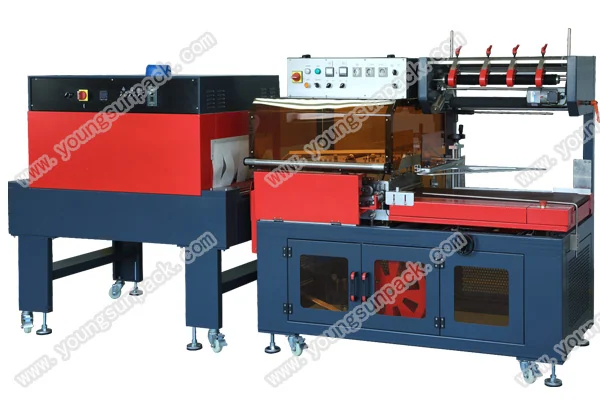
Shown as a configuration reference. Availability and the equipment offered for your project are confirmed separately.
Match tunnel heating method to product tolerance
Heat sensitive products—including cosmetics, confectionery, pharmaceuticals, delicate labels and certain plastics—can distort, discolor or degrade during shrink wrapping. The tunnel heating method determines how heat reaches the film and product surface. Hot air convection tunnels circulate heated air around the pack; temperature can be staged across zones but air contact transfers heat to both film and product. Steam tunnels apply moisture and heat simultaneously for fast film shrinkage at lower air temperatures, reducing total heat exposure. Radiant tunnels use infrared elements focused on the film surface with minimal air heating, suitable for controlled spot shrinking.
Shrink wrap machines cover the item and send it through a heat tunnel or oven for shrinking [S1]. Each heating method creates different thermal conditions at the product surface. Choose the tunnel configuration from your product’s documented heat tolerance, film shrink requirements and acceptable exposure duration.
Define product distortion and film requirements
State the maximum allowable product surface temperature, any distortion or label damage observed in previous trials, and whether the product releases volatile substances during heating. Provide physical samples of the product, film and labels for thermal testing. Identify critical features: printed surfaces that fade or blister, adhesive labels that lift, formed plastics that soften, or food items that melt or sweat. Film resin, thickness and shrink ratio must match both the tunnel temperature profile and the product heat budget.
Request the tunnel manufacturer’s recommended film types and temperature settings for similar applications, but do not treat these as validated for your product. The acceptance criterion is the finished pack condition after cooling, handling and the intended shelf life, not a nominal tunnel setting.
Compare tunnel heating configurations
Hot air convection tunnels provide adjustable temperature zones and airflow, allowing staged heating that starts gently and increases as the film begins to shrink. They suit products that tolerate moderate air temperatures and benefit from controlled ramp profiles. Request the number of independently controlled zones, air velocity adjustment range and whether cooling air is available at the exit. Longer dwell at lower temperature can reduce peak product exposure compared to short high-temperature passes, but total heat absorbed depends on both time and air temperature.
Steam tunnels use saturated vapor to transfer heat and moisture to the film surface. The steam condenses on the cooler film, releasing latent heat that drives rapid shrinkage while surrounding air remains cooler than in a dry convection tunnel. This method can reduce the product’s peak temperature and exposure time. Ask whether the tunnel includes steam generation, condensate removal, humidity control and whether the product or its packaging can tolerate moisture contact.
Radiant tunnels focus infrared energy on the film surface from heating elements positioned above, below or around the conveyor path. Air temperature remains lower, reducing convective heat transfer to the product. Radiant heating suits thin films and products where localized film shrinkage is needed without heating the entire pack volume. Request the element type, wavelength range if specified, distance from the pack and any shielding to prevent direct radiation on product openings or heat-sensitive areas.
Request tunnel dwell and temperature evidence
Tunnel dwell time is the period the pack spends inside the heated chamber, determined by tunnel length and conveyor speed. For heat sensitive products, request the temperature profile along the tunnel length, the air or element temperature at each zone, and the measured product surface temperature at the exit for a reference pack similar to yours. Do not assume that a tunnel rated for a maximum temperature will operate at that setting for your application; the actual operating profile depends on film shrink characteristics and product tolerance.
Ask for thermocouple or infrared temperature measurement records from trials with comparable products. Define the measurement locations: film surface, product surface and, if relevant, internal product temperature for thick or insulated items. Specify acceptable ranges before the trial. If the supplier cannot provide product temperature data, include your own measurement equipment and protocol in the acceptance plan.
Assess conveyor materials and pack support
The conveyor must support the pack without blocking airflow or creating hot spots where film contacts the support surface. Mesh belts, roller conveyors and chain-driven platforms each affect how air or steam reaches the underside of the pack. For bottom-supported multipacks, request whether the conveyor material is heated separately, whether it allows through-air circulation, and how the pack is transferred into and out of the tunnel without jamming or dragging.
If the product base is heat sensitive, consider whether the conveyor adds a thermal barrier or conducts additional heat. Ask for conveyor material specifications, cleaning requirements and spare part availability. For steam tunnels, confirm that the conveyor and support structure are compatible with continuous moisture exposure.
Plan sample trials and acceptance measurements
Conduct trials with actual product samples, the proposed film and label materials, and any printed or adhesive features that appear on production packs. Run the tunnel at the supplier’s recommended settings, then adjust temperature, dwell and airflow in controlled steps while measuring product condition. Allow packs to cool to room temperature before inspecting for distortion, seal quality, label adhesion, surface discoloration and film tightness. Include startup and restart conditions after a line stop to verify that packs do not overheat during brief hold periods.
Define the minimum acceptable seal strength, allowable wrinkle or dog-ear size, and any restricted distortion zones. Measure film thickness and shrink uniformity if dimensional tolerances are tight. For food or pharmaceutical applications, confirm that the process does not alter product safety, stability or regulatory status. Record tunnel settings, conveyor speed, product temperature and film batch details for every accepted configuration so they can be repeated during production.
Compare installed cost and film consumption
Request separate quotations for the sealer, tunnel, infeed conveyors, ventilation, guarding and spare heating elements or belts. Include consumable film, startup scrap and format trials. Compare electrical and steam generation costs under a defined production pattern that includes warmup, short runs and idle periods. A tunnel that operates at lower temperature may reduce product risk but could require longer dwell or more floor space.
Assess film cost per pack for each tunnel and film combination, since some heating methods shrink thinner or alternative resin films more effectively. Budget for product-specific testing, installation, operator training and documented operating procedures. Agree who approves alternative films or temperature changes if the initial setup proves unsatisfactory.
| Decision factor | Buyer input required | Evidence to request | Rejection condition |
|---|---|---|---|
| Product heat tolerance | Maximum surface temperature; distortion or damage observed in prior tests; volatile release | Measured product surface temperature at tunnel exit for reference pack; thermal camera or thermocouple data | Product distorts, discolors, releases odor or fails quality criteria after cooling |
| Tunnel heating method | Acceptable air temperature; moisture tolerance; localized vs. whole-pack heating | Heating method (hot air, steam, radiant); temperature zones; air velocity or steam flow; element type and positioning | Tunnel cannot maintain required low air temperature or lacks independent zone control for staged heating |
| Film and shrink profile | Film resin, thickness, shrink ratio; seal method; label and print compatibility | Recommended film types for the tunnel; shrink temperature range; trial results with proposed film and product samples | Film shrinks unevenly, seals poorly, or requires higher temperature than product tolerates |
| Dwell time and conveyor speed | Target throughput; allowable tunnel length; product size and support requirements | Tunnel length; conveyor speed range; calculated dwell time; measured temperature profile along tunnel | Required throughput demands short dwell that overheats product, or long dwell exceeds available floor space |
| Conveyor and pack support | Product base heat sensitivity; pack stability during transport; cleaning and maintenance access | Conveyor material and construction; airflow allowance; transfer mechanism; steam or moisture compatibility | Conveyor blocks critical airflow, creates hot spots, or cannot support the pack geometry without tipping or dragging |
| Acceptance criteria | Allowable distortion, seal strength, label condition; inspection method and sampling plan | Trial protocol with startup, steady-state and restart conditions; product temperature and appearance records; film and process documentation | Finished pack fails agreed visual, dimensional, seal or stability criteria after cooling and handling |
Request the proposed tunnel configuration, heating method, zone controls, conveyor details and trial plan fromIndustryApex engineers with your product samples and thermal tolerance data. Compare complete trial results rather than nominal specifications alone.
Define your equipment requirements
Review the Shrink packaging machine buying guide for the complete equipment scope.
Discuss this equipment project ↗ · OEM requirements · ODM requirements. Configuration and feasibility are reviewed for your application.
Explore the Shrink packaging machine buying guide and RFQ checklist ↗
Frequently asked questions
Which tunnel heating method suits heat sensitive products?
Compare hot air convection for staged heating, steam for rapid shrinkage at lower air temperatures, and radiant for localized film heating with minimal air contact. Select from product surface temperature limits, moisture tolerance and required film shrink profile. Request measured product temperature data from trials with your samples and film.
How do I define acceptable heat exposure for my product?
State maximum allowable surface temperature, observed distortion or damage in prior tests, and any volatile release. Provide physical samples of the product, film and labels. Define inspection criteria for distortion, seal quality, label adhesion and discoloration before acceptance trials. Measure product condition after cooling and handling.
What temperature and dwell evidence should I request?
Request the temperature profile along the tunnel length, zone settings, measured product surface temperature at the exit, and conveyor speed for the proposed configuration. Ask for thermocouple or thermal camera records from trials with comparable products. Do not assume nominal tunnel ratings apply to your heat-sensitive application without measured verification.
Can I reduce product heat exposure by lowering tunnel temperature?
Lowering air or element temperature can reduce peak product exposure, but film must still shrink adequately. Longer dwell at lower temperature may be required, increasing tunnel length or reducing throughput. Request trial results showing complete film shrinkage, seal quality and product condition at the proposed lower-temperature profile before committing to that configuration.
How do I verify that alternative films work with my product?
Test each alternative film resin, thickness and shrink ratio through the complete cycle with your product samples and tunnel settings. Inspect seal strength, shrink uniformity, product temperature and appearance after cooling. Do not substitute films based on nominal shrink temperature alone; different resins shrink at different rates and require adjusted tunnel profiles.
What should I include in the tunnel acceptance trial?
Run actual product samples with proposed film, labels and tunnel settings. Include startup, steady-state production and restart after a stop. Measure product surface temperature, inspect cooled packs for distortion and seal quality, and document all tunnel zone settings and conveyor speed. Define pass/fail criteria and measurement methods before the trial, not after reviewing results.
Reference information
- Shrink Wrapper,Shrink wrapping ,Shrink Wrapper machine
Reference data and images explain equipment configurations. IndustryApex engineers confirm the offered model, specification and commercial scope in your project quotation.