
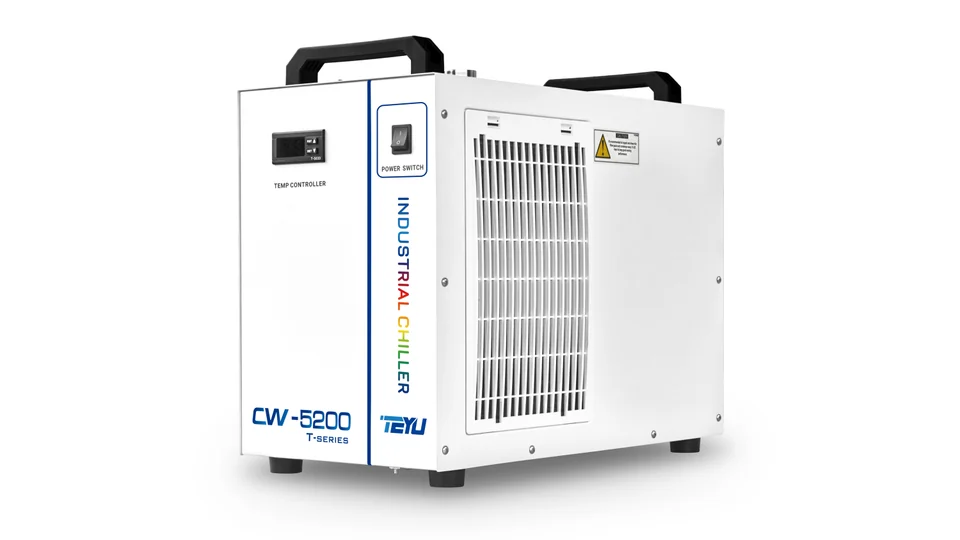
Shown as a configuration reference. Availability and the equipment offered for your project are confirmed separately.
An industrial process cooling RFQ should define the required cooling duty at actual operating conditions, the process-fluid specification and the site connection boundary. Send the production load profile and required supply and return conditions before comparing a nominal capacity. IndustryApex engineers use these inputs to review the equipment, controls and installation scope.
Reviewed 2026-10-22 · IndustryApex editorial and engineering procurement resources. Reference equipment images illustrate the relevant process; they do not establish a completed IndustryApex project or the offered configuration.
Industrial process chiller quotation: define the cooling duty
Identify the production process and where heat enters the cooling circuit. Provide measured or engineering-supported minimum, normal and peak loads with the associated operating conditions. Separate the current requirement from a future expansion assumption. Describe startup, batch changes and the consequence of cooling interruption. A motor nameplate or another factory installation is not a complete load study for your process.
Process cooling load data and fluid requirements
Record required supply and return temperatures, allowable pressure, flow conditions and the proposed fluid. Include chemistry, cleanliness and compatible materials where these are specified by the process equipment. State the acceptable operating range and the response expected during a load change. The engineering proposal should identify missing data and the method used to confirm it rather than silently choosing an assumed value.
CDU vs chiller: define the complete system boundary
A chiller, pumps, storage, distribution pipework and local heat-exchange equipment perform different duties. Where a coolant distribution unit is involved, identify the facility-side and equipment-side circuits and who owns fluid compatibility, controls and the heat-rejection connection. A CDU does not automatically establish the capacity of the whole cooling plant. Reference chiller photographs on this page are not photographs of a quoted CDU or a completed data-center installation.
Process chiller installation: site and operating constraints
Send the destination, installation location, ambient design conditions, available electricity, space, access and existing utilities. Identify allowable outages and maintenance access. Ask which connections, foundations, lifting, commissioning and control work are included. For a retrofit, list the equipment to remain in service and the information available about its condition. Destination approvals and installation responsibilities must be checked for the proposed project.
Process chiller acceptance test: conditions and measurement
Agree the load and site conditions, measurement points, instrumentation and observation period. Record useful cooling delivered to the process, supply conditions, electrical input and relevant auxiliary loads. Include the agreed alarms, changeovers and recovery behavior. A factory demonstration may not reproduce the final site; state what remains for site acceptance. Performance commitments apply only to the conditions and scope agreed in the quotation.
Industrial cooling system cost: compare the complete project
Include cooling equipment, pumps, treatment, connections, controls, installation, commissioning and maintenance in the comparison. Use the same load profile and utility-cost assumptions for competing routes. Review a lower-utilization or worse-ambient scenario before relying on an operating-cost estimate. Do not count a reduction in one package input as a saving for the entire factory unless the complete measurement boundary supports it.
Your project brief
- Process, present problem and required result
- Minimum / normal / peak cooling duty and basis
- Fluid, supply / return conditions and process limits
- Site, electricity, ambient, connections and retained equipment
- Measurement boundary, acceptance conditions and responsible parties
Buyer questions
Can a chiller be selected from nominal capacity alone?
Compare the required duty and the conditions under which the capacity is stated. Include fluid, temperatures, site conditions and the operating range in the engineering review.
Is a CDU the same as the complete cooling plant?
No. Define the circuits and interfaces it serves, then confirm how heat reaches the final rejection system and who owns each connection.
What data is needed for a process-cooling quotation?
Send the process, load profile, fluid requirements, site conditions, existing arrangement, destination and acceptance needs. Clearly label measured data and planning assumptions.
Can a cooling system be customized?
OEM or ODM requirements for connections, controls, layout and documentation can be assessed. Engineering feasibility, validation and commercial terms are confirmed for the specific project.
Continue your project review
Reference basis
Selection questions were checked against the following public technical material. Source names identify the reference basis and do not establish a supply relationship or performance promise.
- Trane industrial process-chiller application reference
- Vertiv coolant-distribution-unit system boundary reference
Request the technical evidence for your proposed configuration. Prices, supply, OEM / ODM feasibility and project commitments are confirmed in the actual proposal.
Explore the Industrial water chiller buying guide and RFQ checklist ↗