
A wood turning lathe rotates a blank while cutting tools generate a rotational profile. The guide covers turned solid-wood components and their workholding, rather than flat-panel routing or metal turning. Choose the configuration by blank stability and centering and tool access and repeat production. Turn actual species through representative shapes, measure diameters and surface condition, and include a complete changeover. Inspect tear-out and sanding allowance at beads, coves and end grain. OEM/ODM requirements are reviewed against the intended process, site interfaces and acceptance evidence; the reference image identifies a product family and does not establish supply availability or an authorized brand relationship.
A wood turning lathe rotates a blank while cutting tools generate a rotational profile. The guide covers turned solid-wood components and their workholding, rather than flat-panel routing or metal turning. Turns rotational wooden components; stock condition and tool access define the process.
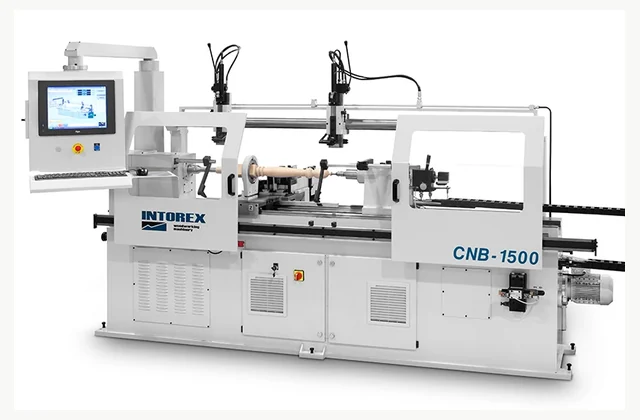
Shown as a configuration reference. Availability and the equipment offered for your project are confirmed separately.
What is the application scope for wood turning lathe?
A wood turning lathe rotates a blank while cutting tools generate a rotational profile. The guide covers turned solid-wood components and their workholding, rather than flat-panel routing or metal turning.
Turns rotational wooden components; stock condition and tool access define the process. Wood movement and grain direction can change a repeatable programmed cut into tear-out or an unstable blank. Test the least favorable expected species and moisture condition, with enough stock for later sanding. A long thin component also needs support that does not leave marks on the final profile. Compare usable finished pieces after surface preparation, rather than only counting rough turned blanks at the spindle.
How should blank stability and centering be specified?
Specify wood species, moisture, defects, blank section and finished profile. Uneven mass, grain runout and knots can limit a safe cutting strategy before motor power becomes decisive.
The RFQ should make blank stability and centering a separate review item. Describe the expected variation, not only the easiest operating case, and ask the bidder to identify restrictions that affect the intended production mix.
What configuration evidence should be compared?
Compare between-centers workholding, chuck access and profile programming. Small batches favor fast setup while repeated furniture components benefit from reliable blank presentation and copy control.
| Decision | Evidence to compare | Procurement consequence |
|---|---|---|
| Blank stability and centering | Specify wood species, moisture, defects, blank section and finished profile. Uneven mass, grain runout and knots can limit a safe cutting strategy before motor power becomes decisive. | Defines the input and work envelope to be included in the offer. |
| Tool access and repeat production | Compare between-centers workholding, chuck access and profile programming. Small batches favor fast setup while repeated furniture components benefit from reliable blank presentation and copy control. | Determines configuration, supporting equipment and exclusions. |
| Production acceptance | Turn actual species through representative shapes, measure diameters and surface condition, and include a complete changeover. Inspect tear-out and sanding allowance at beads, coves and end grain. | Establishes the agreed demonstration and inspection records. |
What must be prepared for installation?
Provide effective chip extraction, blank storage, handling clearance and guarded rotating work. Check whether sanding is a separate operation and how long components are supported.
Identify where blanks are conditioned, checked for defects and centered before loading. Include a safe changeover demonstration for centers, chucks and tools, and retain an approved turned sample showing how much sanding allowance is permitted on critical decorative details.
How should production acceptance be demonstrated?
Turn actual species through representative shapes, measure diameters and surface condition, and include a complete changeover. Inspect tear-out and sanding allowance at beads, coves and end grain.
Use an agreed sampling method that covers the beginning, stable portion and end of the run. Document deviations and corrective actions before release; a video of motion cannot establish the required quality by itself.
Which service provisions protect repeatability?
Plan sharpening, tool setting, spindle bearing checks and center alignment. Keep workholding inspection distinct from routine cleaning, because poorly secured wood creates a direct ejection risk.
Preserve the approved configuration and commissioning records with the maintenance file. Confirm the service route for components supplied by other manufacturers so a fault does not leave the buyer coordinating unsupported interfaces.
What can be customized through OEM or ODM?
OEM blank loaders and profile libraries may be specified; ODM component programs need wood trials, stable clamping and agreed finished-surface criteria.
Submit the proposed changes with the wood turning lathe duty and acceptance plan. Separate a purchased option from new engineering, and agree drawings, validation responsibility, documentation and spare-part support before design release. The manufacturer example is a technical reference only; customization does not imply permission to copy protected designs or use a brand.
What should your wood turning lathe RFQ include?
- Wood turning lathe application and required process result
- Blank stability and centering: Specify wood species, moisture, defects, blank section and finished profile. Uneven mass, grain runout and knots can limit a safe cutting strategy before motor power becomes decisive.
- Tool access and repeat production: Compare between-centers workholding, chuck access and profile programming. Small batches favor fast setup while repeated furniture components benefit from reliable blank presentation and copy control.
- Representative input variation and difficult production cases
- Required acceptance evidence: Turn actual species through representative shapes, measure diameters and surface condition, and include a complete changeover. Inspect tear-out and sanding allowance at beads, coves and end grain.
- Site and utility scope: Provide effective chip extraction, blank storage, handling clearance and guarded rotating work. Check whether sanding is a separate operation and how long components are supported.
- Service provision: Plan sharpening, tool setting, spindle bearing checks and center alignment. Keep workholding inspection distinct from routine cleaning, because poorly secured wood creates a direct ejection risk.
- OEM/ODM engineering scope: OEM blank loaders and profile libraries may be specified; ODM component programs need wood trials, stable clamping and agreed finished-surface criteria.
- Upstream preparation and downstream handling interfaces
- Destination country and applicable installation requirements
- Production schedule, changeover mix and operator availability
- Drawings, samples, inspection method and rejected-output criteria
Need OEM / ODM customization?
Submit branding, packaging, configuration or engineering requirements for this equipment. Include the target market, initial and annual quantities, required changes and acceptance criteria.
Customization feasibility, permitted branding, development responsibilities, minimum quantity, cost and lead time are reviewed for the proposed supplier and configuration before a quotation is confirmed.
Frequently asked questions
What defines the application boundary for wood turning lathe?
A wood turning lathe rotates a blank while cutting tools generate a rotational profile. The guide covers turned solid-wood components and their workholding, rather than flat-panel routing or metal turning. Turns rotational wooden components; stock condition and tool access define the process. Define the intended production result before comparing nominal ratings, and ask for evidence using the actual input conditions.
What should the wood turning lathe RFQ state about blank stability and centering?
Specify wood species, moisture, defects, blank section and finished profile. Uneven mass, grain runout and knots can limit a safe cutting strategy before motor power becomes decisive. Send the representative inputs and the difficult cases together, then require the supplier to state any restrictions or preparation steps needed to repeat the proposed result.
How should tool access and repeat production be checked?
Compare between-centers workholding, chuck access and profile programming. Small batches favor fast setup while repeated furniture components benefit from reliable blank presentation and copy control. Ask the bidder to document the selected arrangement and exclusions against the real duty. Confirm which supporting components and setup work are included in the commercial scope.
What acceptance test is appropriate for wood turning lathe?
Turn actual species through representative shapes, measure diameters and surface condition, and include a complete changeover. Inspect tear-out and sanding allowance at beads, coves and end grain. Agree the sampling method and rejection criteria before the trial, and keep configuration and inspection records for the later site-acceptance comparison.
What installation and service details should be confirmed?
Provide effective chip extraction, blank storage, handling clearance and guarded rotating work. Check whether sanding is a separate operation and how long components are supported. Plan sharpening, tool setting, spindle bearing checks and center alignment. Keep workholding inspection distinct from routine cleaning, because poorly secured wood creates a direct ejection risk. Allocate local preparations and specialist support to named parties before shipment so commissioning and subsequent maintenance have a clear owner.
Can wood turning lathe configurations be customized through OEM or ODM?
OEM blank loaders and profile libraries may be specified; ODM component programs need wood trials, stable clamping and agreed finished-surface criteria. Supply drawings and operating conditions for feasibility review. Engineering changes require agreed validation and documentation; a reference brand image does not establish an authorized supply or manufacturing relationship.
Reference information
- CNC woodturning lathe with control - Intorex
- CNC woodturning lathe - Intorex
Reference data and images explain equipment configurations. IndustryApex engineers confirm the offered model, specification and commercial scope in your project quotation.