
A wood spindle moulder should be selected using profile tooling, spindle arrangement and controlled workpiece feeding, with the receiving site and upstream or downstream equipment included in the discussion. Compare the proposed configuration, stated assumptions and a realistic acceptance trial together. Ask each supplier to identify exclusions, maintenance responsibilities and unresolved application questions. Define OEM branding separately from ODM integration changes so an altered machine is assessed against the same documented production requirement.
Compare wood spindle moulder proposals around profile tooling, spindle arrangement and controlled workpiece feeding. Define the process boundary, supporting equipment and acceptance evidence before choosing a configuration. Send the same application details to each bidder and include project-specific OEM or ODM requirements in the initial inquiry.
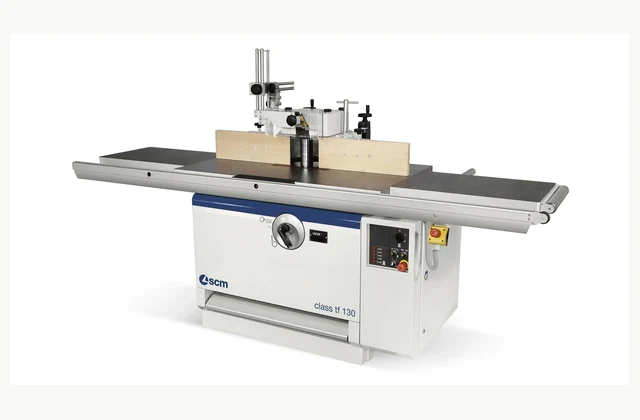
Shown as a configuration reference. Availability and the equipment offered for your project are confirmed separately.
Start with profile sections and the incoming wood
Provide profile drawings, wood species or panel material, workpiece dimensions and the surfaces used for reference. State whether work is straight, curved, end-grain or shaped in a fixture. A spindle moulder is selected with its tooling and feed method, not only a table or motor size. Include the smallest useful piece and the largest cutter needed for normal production in the application review.
Identify visible surfaces and the next assembly or finishing step. Mark tear-out-sensitive grain and any short components. A profile that looks correct at one cross-section can still be unusable if its reference relationship or surface condition changes along the workpiece.
Match fixed or tilting spindles and tooling
A fixed spindle can suit many standard profiles, while a tilting arrangement may help particular tool approaches or shapes. The choice depends on the actual cutter and finished geometry. Ask the manufacturer to review spindle diameter, usable tool arrangement, rotation and speed selection for the application. Do not assume a tilted spindle is universally necessary or that it makes any existing cutter suitable.
The SCM class tf 130 reference illustrates a fixed-spindle machine category. Keep its arrangement distinct from tilting models in the same brand’s range. Confirm which tooling, guards and feed accessories belong to the actual proposed configuration rather than transferring features between similar-looking machines.
Review fences, guarding and feed together
Ask for a tooling schedule, suitable fence, protective equipment and the proposed workpiece-feed method for each job type. Straight profiling, end work and curved work may need different support or fixtures. A bare machine quotation does not establish a complete usable station. Have the responsible supplier explain its intended operating arrangement and the application limits before comparing accessory bundles.
Where a power feeder is proposed, review hold-down contact, stock length and the reference path through the cutter. Keep pressure marks and surface finish in the acceptance criteria. Do not infer that adding a feeder removes every workholding or access question for unusual profiles.
| Decision | Requirement to state | Evidence to request |
|---|---|---|
| Profiles | Section, reference face and grain | Production drawing and stock |
| Spindle | Fixed/tilting arrangement and tooling | Application-specific tool schedule |
| Feed | Fence, restraint and protection | Defined workpiece operating arrangement |
| Setup | Height, fence and profile changes | Return-to-previous-profile demonstration |
| Result | Dimensions, tear-out and mating fit | Inspected batch and assembly sample |
Plan extraction and repeat setup
Allocate extraction at the manufacturer’s specified connections, electrical supply, tool storage and adjustment access. Show the route for long stock and the space around any sliding or support table. Ask how spindle height and fence positions are read and repeated. Setup evidence should include a return to a previous profile, not simply a technician’s successful first adjustment with one cutter installed.
Keep tool identification and permitted operating information visible at the workstation. Confirm the support method for awkward or short work with the manufacturer. A compact floor footprint can conceal the larger working area needed to guide long pieces without disturbing adjacent production.
Inspect profiles and mating parts from a real batch
Machine representative stock with the intended cutters and feed arrangement. Inspect profile dimensions, reference-face relationship, tear-out and surface marks along the finished pieces. Where parts mate, assemble a sample using the normal process. Include a tool or profile change and observe setup time and rejected setup pieces. A single attractive sample does not establish repeatable fit across the production batch.
Record species, moisture condition, cutter and fence settings with the report. Have the receiving operator reproduce a familiar profile after training. Keep additional sanding or hand finishing visible in the comparison so a nominally fast pass does not hide substantial downstream correction.
Define customized fixtures under OEM/ODM review
OEM requests may cover labels, manuals and an agreed tooling package. ODM work can involve fences, fixtures, feed equipment, measurement or a larger cell. Require review of cutter access, workpiece restraint and protective functions. Define ownership of custom tools and setup information, then accept the revised configuration on representative profiles rather than assuming a standard spindle rating validates an unusual machining arrangement.
Request spindle, fence and feed wear-part identifiers plus an approved tooling-service route. Preserve original component information even under agreed private labeling. Changes to cutters or workpiece geometry should remain subject to the responsible machine and tooling manufacturers’ application requirements.
The pictured manufacturer equipment and linked documents are technical configuration references. They do not imply authorized representation, stock availability, equivalent performance from another supplier or permission to relabel the pictured brand. Confirm the proposed equipment and commercial scope for the specific project.
What should your wood spindle moulder RFQ include?
- Profile sections, reference faces and mating parts
- Species/panel material and moisture condition
- Workpiece sizes, shortest stock and grain direction
- Straight, curved and end-grain machining duties
- Spindle, cutter diameter and tool arrangement review
- Fence, guarding, fixtures and power-feed scope
- Profile, tear-out and cosmetic-mark acceptance
- Extraction, power, long-stock route and setup space
- Representative profile trial and tooling training
- OEM tool bundle or ODM fence, fixture and feed review
Need OEM / ODM customization?
Submit branding, packaging, configuration or engineering requirements for this equipment. Include the target market, initial and annual quantities, required changes and acceptance criteria.
Customization feasibility, permitted branding, development responsibilities, minimum quantity, cost and lead time are reviewed for the proposed supplier and configuration before a quotation is confirmed.
Frequently asked questions
What should I specify for a wood spindle moulder?
Provide profile drawings, wood species or panel material, workpiece dimensions and the surfaces used for reference. State whether work is straight, curved, end-grain or shaped in a fixture. A spindle moulder is selected with its tooling and feed method, not only a table or motor size. Include the smallest useful piece and the largest cutter needed for normal production in the application review.
Do I need a tilting spindle moulder?
A fixed spindle can suit many standard profiles, while a tilting arrangement may help particular tool approaches or shapes. The choice depends on the actual cutter and finished geometry. Ask the manufacturer to review spindle diameter, usable tool arrangement, rotation and speed selection for the application. Do not assume a tilted spindle is universally necessary or that it makes any existing cutter suitable.
What accessories should a spindle moulder quote include?
Ask for a tooling schedule, suitable fence, protective equipment and the proposed workpiece-feed method for each job type. Straight profiling, end work and curved work may need different support or fixtures. A bare machine quotation does not establish a complete usable station. Have the responsible supplier explain its intended operating arrangement and the application limits before comparing accessory bundles.
What installation and setup details affect a spindle moulder?
Allocate extraction at the manufacturer's specified connections, electrical supply, tool storage and adjustment access. Show the route for long stock and the space around any sliding or support table. Ask how spindle height and fence positions are read and repeated. Setup evidence should include a return to a previous profile, not simply a technician's successful first adjustment with one cutter installed.
How should a wood spindle moulder trial be accepted?
Machine representative stock with the intended cutters and feed arrangement. Inspect profile dimensions, reference-face relationship, tear-out and surface marks along the finished pieces. Where parts mate, assemble a sample using the normal process. Include a tool or profile change and observe setup time and rejected setup pieces. A single attractive sample does not establish repeatable fit across the production batch.
Can a wood spindle moulder support OEM or ODM?
OEM requests may cover labels, manuals and an agreed tooling package. ODM work can involve fences, fixtures, feed equipment, measurement or a larger cell. Require review of cutter access, workpiece restraint and protective functions. Define ownership of custom tools and setup information, then accept the revised configuration on representative profiles rather than assuming a standard spindle rating validates an unusual machining arrangement.
Reference information
- SCM: class tf 130 official product reference
- SCM official supporting product documentation
Reference data and images explain equipment configurations. IndustryApex engineers confirm the offered model, specification and commercial scope in your project quotation.