
Vegetable dewatering equipment removes surface water after washing. A basket spin-dryer handles products differently from a continuous belt dryer; selection must protect product quality while meeting the condition required for packing. State crop, cut size, temperature and fragility, with the normal amount of carried water. Define residual surface-water and damage criteria, keeping dewatering separate from any claim of microbial reduction or sterilization.
Vegetable dewatering equipment removes surface water after washing. A basket spin-dryer handles products differently from a continuous belt dryer; selection must protect product quality while meeting the condition required for packing. Compare application fit, configuration and OEM/ODM scope through the buyer checklist below.
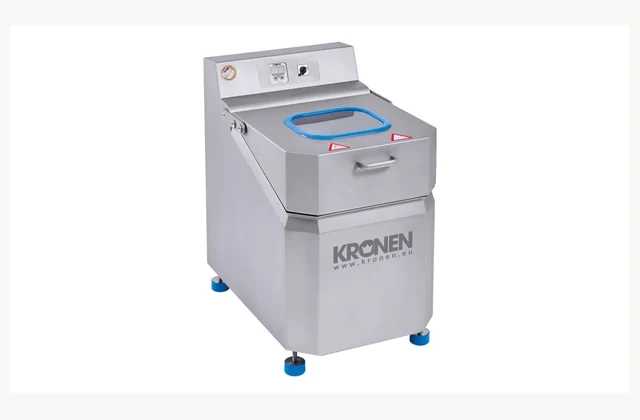
Shown as a configuration reference. Availability and the equipment offered for your project are confirmed separately.
Product fragility: application and input specification
Vegetable dewatering equipment removes surface water after washing. A basket spin-dryer handles products differently from a continuous belt dryer; selection must protect product quality while meeting the condition required for packing.
State crop, cut size, temperature and fragility, with the normal amount of carried water. Define residual surface-water and damage criteria, keeping dewatering separate from any claim of microbial reduction or sterilization.
A spin dryer removes surface water through rotation, but fragile produce can also bruise or compact. Define the crop and cut condition, not just the desired dryness. Whole leaves, shredded vegetables and firm cut pieces may need different loading and cycle choices even when they fit the same basket.
Water removal: configuration tradeoffs
Compare batch basket handling, programmed spin sequences and alternative continuous arrangements. Reversing or gentle acceleration may suit particular products, but the actual settings require product trials and a defined loading method.
Residual water needs an agreed measurement method. A visual judgment at discharge may miss water retained between folded leaves or released later in the package. Set the sampling and waiting conditions, then compare results at an acceptable product condition rather than choosing the most aggressive cycle.
| Decision | What to resolve | Useful evidence |
|---|---|---|
| Product fragility | Acceleration and movement | Damage and usable-yield checks |
| Water removal | Agreed residual-water condition | Inspection after representative loading |
| Line rhythm | Batch handling and buffer needs | Full loading-to-unloading cycle |
Process integration and handover points
Coordinate washer discharge, basket filling, lifting and transfer to packaging or cooling. Consider operator handling of wet baskets and the accumulation needed between batch drying and a continuous upstream line.
Batch logistics can dominate the effective line output. Map basket filling, transfer, spinning, emptying and return, identifying where washed product waits. Review whether operators handle wet loads ergonomically and whether a stopped dryer causes upstream accumulation that changes residence time or product condition.
Installation and maintainable operating arrangements
Check drainage, cleaning access to the spinning area, basket inspection and safe access to moving components. Confirm power, location and the loading/lifting arrangements; include spare baskets and the site sanitation procedure.
Inspect basket perforations, supports and product-contact surfaces with the intended crop. Small pieces may escape or lodge, while delicate leaves may be marked by contact. Include the loss fraction and cleaning effort in the comparison rather than measuring water removal without accounting for damaged product.
Acceptance evidence for line rhythm
Dewater washed product under representative loading. Inspect residual water, bruising, breakage and usable yield. Time the full loading, spinning, unloading and cleaning cycle rather than comparing spin duration in isolation.
Drainage must cope with the actual discharge pattern. A short wet surge can challenge a drain even when average water use seems modest. Review splash containment, floor conditions and separation from accepted dry product, including how the area is cleaned between batches or product changes.
OEM/ODM scope and future changes
ODM basket systems, infeed handling, discharge or control programs require a product-specific review. Separate OEM labels from engineered changes and approve the cleaning, load limits and final product-condition tests.
For an integrated salad line, coordinate the dryer with washing and packaging. Water carried into the dryer, product temperature and the time to pack can all influence the final result. Preserve these upstream conditions with the accepted cycle so later recipe changes do not silently alter the purchase baseline.
Image reference: KRONEN KS-100 PLUS. The illustrated manufacturer configuration does not establish stock, an agency appointment or permission to relabel it. OEM/ODM requests require a written feasibility response for the actual proposed equipment.
What should your vegetable dewatering machine RFQ include?
- Crop, cut size and product fragility
- Incoming carried water and temperature
- Required surface-water condition
- Batch size and loading method
- Washer and downstream line rhythm
- Basket handling and operator access
- Drainage and sanitation procedure
- Spare baskets and maintainable components
- Full-cycle yield and damage trial
- OEM/ODM handling changes and validation
Need OEM / ODM customization?
Submit branding, packaging, configuration or engineering requirements for this equipment. Include the target market, initial and annual quantities, required changes and acceptance criteria.
Customization feasibility, permitted branding, development responsibilities, minimum quantity, cost and lead time are reviewed for the proposed supplier and configuration before a quotation is confirmed.
Frequently asked questions
What inputs determine selection of vegetable dewatering machine?
State crop, cut size, temperature and fragility, with the normal amount of carried water. Define residual surface-water and damage criteria, keeping dewatering separate from any claim of microbial reduction or sterilization.
How should I compare water removal options?
Compare batch basket handling, programmed spin sequences and alternative continuous arrangements. Reversing or gentle acceleration may suit particular products, but the actual settings require product trials and a defined loading method.
Which adjoining operations need to be specified?
Coordinate washer discharge, basket filling, lifting and transfer to packaging or cooling. Consider operator handling of wet baskets and the accumulation needed between batch drying and a continuous upstream line.
What is a useful acceptance trial for vegetable dewatering machine?
Dewater washed product under representative loading. Inspect residual water, bruising, breakage and usable yield. Time the full loading, spinning, unloading and cleaning cycle rather than comparing spin duration in isolation.
Which OEM/ODM changes can I request?
ODM basket systems, infeed handling, discharge or control programs require a product-specific review. Separate OEM labels from engineered changes and approve the cleaning, load limits and final product-condition tests.
What application boundary is easy to overlook?
A spin dryer removes surface water through rotation, but fragile produce can also bruise or compact. Define the crop and cut condition, not just the desired dryness. Whole leaves, shredded vegetables and firm cut pieces may need different loading and cycle choices even when they fit the same basket.
Reference information
- KRONEN KS-100 PLUS official reference
- KRONEN related technology or portfolio reference
Reference data and images explain equipment configurations. IndustryApex engineers confirm the offered model, specification and commercial scope in your project quotation.