
Prepare a seedbed with a PTO-driven power harrow matched to soil, tractor and the following seeding operation. Compare rotor arrangement, depth control and consolidation alongside driveline, linkage and service requirements before choosing the working width. Prioritize seedbed objective, tractor interface, working elements. Use the checkpoints to build a consistent equipment scope and confirm the intended trial or installation evidence. The official image is a product reference; it does not establish availability or an authorized supplier relationship. Submit OEM/ODM changes for application-specific feasibility review.
Prepare a seedbed with a PTO-driven power harrow matched to soil, tractor and the following seeding operation. Compare rotor arrangement, depth control and consolidation alongside driveline, linkage and service requirements before choosing the working width.
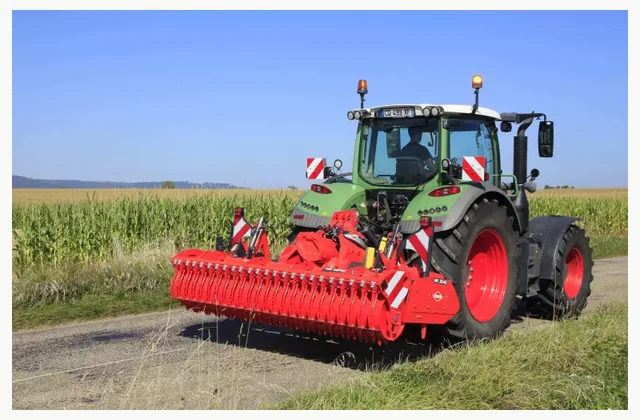
Shown as a configuration reference. Availability and the equipment offered for your project are confirmed separately.
Define the seedbed rather than maximum cultivation
A power harrow uses powered working elements to prepare soil for the next operation. Specify the crop, previous cultivation and the required seedbed condition. Fine tilth is not always the correct objective for every soil or moisture state. Describe clods, residue, stones and the planned depth, then discuss whether a power harrow is appropriate within the overall cultivation system. Avoid treating an attractive demonstration surface as a universal agronomic result.
Match PTO and driveline requirements
The tractor must suit the offered implement’s power, PTO and hitch requirements. Confirm shaft arrangement, operating speed and the protections specified for the driveline. Mounted weight and rear attachments also affect lifting and axle loads. Provide the actual tractor and intended combination for assessment. An engine-power recommendation alone does not establish that the tractor can safely lift, drive and transport a harrow with the proposed roller or seeding equipment.
Compare rotors, blades and soil conditions
Blade arrangement, rotor layout and working settings influence soil disturbance and draft. Discuss abrasive or stony ground and the protection and maintenance provisions offered. Wear changes the working profile, so replacement blades and their identification belong in the purchase plan. The KUHN HR reference illustrates a power-harrow family with configuration choices; do not assume every depicted blade, leveling device or roller is included with the exact quoted model.
| Selection issue | Information to specify |
|---|---|
| Seedbed objective | Crop, previous cultivation, soil condition and desired finish. |
| Tractor interface | PTO, driveline, hitch and full lifting-load assessment. |
| Working elements | Rotor and blade arrangement with stone and wear conditions. |
| Rear equipment | Leveling bar, roller and depth-control arrangement. |
| Combination | Seed-drill interfaces, loads and approval responsibility. |
| Trial | Representative soil, intended assembly and observable finish. |
Choose leveling and consolidation equipment
A leveling bar and rear roller help shape the condition left for seeding, but the suitable arrangement depends on soil and the intended pass. Explain the required finish and how the following drill will operate. Ask about adjustment, depth control and behavior in sticky conditions. Include cleaning and access to trapped residue. The comparison should establish the seedbed result and usable operation rather than select a roller solely from its appearance.
Check seeding-combination interfaces
Where a drill is mounted or linked to the harrow, confirm mechanical connections, permissible loads, clearances and control requirements. The combination changes the lifting and transport assessment and may require specific manufacturer interfaces. Provide drill details and a layout of the intended assembly. A machine used alone in a trial does not prove the suitability of a loaded seeding combination. Identify which party is responsible for approving the integrated arrangement.
Inspect field behavior and maintenance access
Trial the intended tractor and configuration on representative soil. Observe depth consistency, finish, residue handling and the practical adjustments made by the operator. Review routine lubrication, gearbox checks and replacement of wearing components using the manufacturer’s instructions. Transport width, lighting and parking arrangements also need to suit the farm and destination. Keep the delivered option list and component identities available for later service and changes to the implement combination.
Bound OEM/ODM to a matched implement
Roller choice, hitch interfaces, identification and some combination arrangements can be reviewed. Changes to frame width, driveline, rotors or structural loading need engineering assessment and a revised tractor match. Provide soil conditions and the intended seedbed with the customization brief. Agree field evidence and documentation for the modified design. Private labeling must not imply that an untested alternative inherits the durability or field-performance claims of the reference machine.
What should your power harrow RFQ include?
- Seedbed objective: Crop, previous cultivation, soil condition and desired finish.
- Tractor interface: PTO, driveline, hitch and full lifting-load assessment.
- Working elements: Rotor and blade arrangement with stone and wear conditions.
- Rear equipment: Leveling bar, roller and depth-control arrangement.
- Combination: Seed-drill interfaces, loads and approval responsibility.
- Trial: Representative soil, intended assembly and observable finish.
- Destination, site conditions and delivery access
- Installation boundary, utilities and connection drawings
- Acceptance procedure, documentation and training scope
- OEM/ODM changes: interface, material, branding or new design; written engineering feasibility required
Need OEM / ODM customization?
Submit branding, packaging, configuration or engineering requirements for this equipment. Include the target market, initial and annual quantities, required changes and acceptance criteria.
Customization feasibility, permitted branding, development responsibilities, minimum quantity, cost and lead time are reviewed for the proposed supplier and configuration before a quotation is confirmed.
Frequently asked questions
How is a power harrow different from a passive harrow?
Its working elements are driven, commonly through the tractor PTO, so selection includes driveline and power requirements as well as soil work. Define the desired seedbed and tractor arrangement. The active mechanism does not automatically make it the best choice for every cultivation task.
Can tractor horsepower alone determine power-harrow width?
No. Check PTO, driveline, linkage, lifting geometry and the full rear attachment load alongside soil demand. A roller or seed-drill combination changes the assessment. Provide the actual tractor and intended assembly so operational and transport compatibility can be reviewed together.
Why does rear roller selection affect the purchase?
The roller influences depth control, consolidation and the finish presented to the next operation. Its behavior depends on soil and moisture. Specify the intended seedbed and ask about cleaning, adjustment and compatibility with any drill rather than assuming all roller options perform alike.
Can any seed drill be combined with a power harrow?
The mechanical interface, permissible loads, clearances and controls must be assessed. Give the exact drill and harrow configuration and identify responsibility for approving the combination. A matching nominal working width does not establish that the loaded assembly is structurally or operationally suitable.
What should a power-harrow trial demonstrate?
Use representative soil and the intended tractor, roller and any drill combination. Assess depth, finish, residue behavior and adjustment needs. Record the configuration and settings. A demonstration on unrelated ground or with a lighter assembly does not establish performance of the proposed working combination.
Which OEM/ODM changes require further engineering?
Changes to the driveline, rotors, frame or structural loading require assessment and may change tractor requirements. Interfaces and roller arrangements also need compatibility review. Submit soil and assembly details with a customized request and agree the field evidence needed for the altered design.
Reference information
- HR 1020 1030 & 1040 – Power Harrows" | KUHN
- KUHN HR 1040 Series Power Harrows | KUHNLINKEDIN_Icon_128x128px_WHITE_1905LINKEDIN_Icon_128x128px_WHITE_1905
Reference data and images explain equipment configurations. IndustryApex engineers confirm the offered model, specification and commercial scope in your project quotation.