
A sink float separation tank separates plastics according to their behavior in a liquid bath. It produces density-based fractions rather than optical polymer identification. Compare immersion, agitation, dwell and separate fraction-removal arrangements. Density overlap means some mixtures cannot be resolved by water separation alone. Trial representative mixtures and quantify purity, recovery and misplaced particles in both outputs. Include fines and material retained in the tank in the mass balance. Project-specific OEM branding and ODM engineering should be described in the inquiry and reviewed for feasibility before an offer is finalized.
A sink float separation tank separates plastics according to their behavior in a liquid bath. It produces density-based fractions rather than optical polymer identification. Start with polymer mixture density and fillers and flake film size trapped air, then compare the complete configured system and a documented acceptance trial.
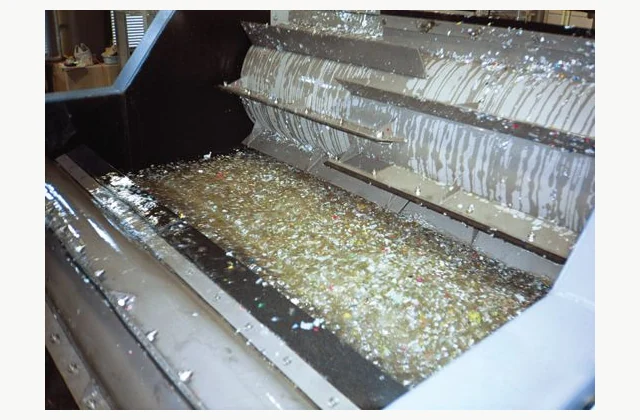
Shown as a configuration reference. Availability and the equipment offered for your project are confirmed separately.
Define the plastic sink float separation tank process boundary
A sink float separation tank separates plastics according to their behavior in a liquid bath. It produces density-based fractions rather than optical polymer identification.
Use this boundary when reviewing proposals. The adjacent process must be named explicitly, so an inexpensive machine-only offer is not confused with a complete working installation.
Polymer mixture density and fillers: describe the real input
Provide polymer mixture, densities, flakes or film dimensions and contamination. Include trapped air, fillers and attached labels that can change whether an item sinks or floats.
Submit representative samples, drawings or a production record where available. Identify normal variation and the most demanding condition, because an easy demonstration does not establish performance across every intended application.
Compare plastic sink float separation tank configurations
Compare immersion, agitation, dwell and separate fraction-removal arrangements. Density overlap means some mixtures cannot be resolved by water separation alone.
Ask bidders to mark their selected arrangement and alternatives on the offer. Keep the stated assumptions with the quotation, and distinguish useful output from an unloaded cycle or another nominal catalog maximum.
Integrate the plastic sink float separation tank with adjoining equipment
Define upstream wet granulation, wash-water quality, floating/sinking discharge and downstream drying. Account for entrained liquid and carryover between fractions.
A line layout should show transfer directions, control handshakes and responsibility for each connecting part. Include the consequences of upstream stoppages and downstream unavailability in the review.
| Decision | Requirement to define | Evidence in the offer |
|---|---|---|
| Application | Provide polymer mixture, densities, flakes or film dimensions and contamination. | Agreed input envelope and exclusions |
| Configuration | Compare immersion, agitation, dwell and separate fraction-removal arrangements. | Selected arrangement and engineering assumptions |
| Integration | Define upstream wet granulation, wash-water quality, floating/sinking discharge and downstream drying. | Interface drawing and responsibility boundary |
| Installation | Review tank support, water supply/recirculation, drainage and cleaning access. | Site layout and utility scope |
| Acceptance | Trial representative mixtures and quantify purity, recovery and misplaced particles in both outputs. | Recorded application trial and sampling method |
| Service | Inspect paddles, screws, skimmers, seals and sediment removal. | Identified wear components and maintenance access |
Plan plastic sink float separation tank installation and utilities
Review tank support, water supply/recirculation, drainage and cleaning access. Manage slippery wet areas and isolate moving removal equipment before clearing accumulated material.
Confirm the destination electrical supply and the services actually available during production. Include delivery access, placement, commissioning and operator training in the installed scope, with exclusions made visible before ordering.
Write a plastic sink float separation tank acceptance protocol
Trial representative mixtures and quantify purity, recovery and misplaced particles in both outputs. Include fines and material retained in the tank in the mass balance.
Agree which material, recipe or load is used, who measures the result and how unsuccessful checks are resolved. Preserve the tested configuration with the report so the delivered machine can be compared with the accepted demonstration.
Service the configured plastic sink float separation tank
Inspect paddles, screws, skimmers, seals and sediment removal. Water contamination or overloaded extraction can change separation without an obvious change in the input mixture.
Request a parts list and the documentation needed by the receiving maintenance team. Separate preventive service, consumables, remote assistance and site visits in the commercial scope; confirm the destination support arrangement for the selected supplier.
OEM branding and ODM engineering for plastic sink float separation tank
Tank internals, fraction removal and water circuits can be tailored. New filled polymers or mixtures need density and separation trials before a purity claim is accepted.
OEM requests may cover branding, packaging and agreed manuals for equipment supplied under an appropriate arrangement. ODM is an engineering discussion with defined drawings, change approval, verification and spare-part identification. Neither option implies authorization to relabel the reference manufacturer shown here.
Herbold Meckesheim Sink swim density separation tank is shown as a technical configuration reference. The image and reference names do not establish IndustryApex inventory, authorized dealership, equivalent performance or availability. Confirm the offered manufacturer, exact configuration and commercial responsibilities for your project.
Compare the adjoining process before fixing the supply boundary:
What should your plastic sink float separation tank RFQ include?
- Polymer mixture density and fillers
- Flake film size trapped air
- Required fraction purity and recovery
- Immersion dwell agitation selection
- Float sink extraction arrangement
- Granulator water dryer interfaces
- Tank support drainage cleanout
- Both-fraction mass-balance trials
- Skimmer screw paddle seal service
- OEM records ODM wet separation
Need OEM / ODM customization?
Submit branding, packaging, configuration or engineering requirements for this equipment. Include the target market, initial and annual quantities, required changes and acceptance criteria.
Customization feasibility, permitted branding, development responsibilities, minimum quantity, cost and lead time are reviewed for the proposed supplier and configuration before a quotation is confirmed.
Frequently asked questions
What information is needed to select a plastic sink float separation tank?
Provide polymer mixture, densities, flakes or film dimensions and contamination. Include trapped air, fillers and attached labels that can change whether an item sinks or floats. Supply this information for the actual application, including the normal variation. It gives suppliers a defined selection envelope and makes assumptions in competing quotations visible.
Which configuration choices matter for a plastic sink float separation tank?
Compare immersion, agitation, dwell and separate fraction-removal arrangements. Density overlap means some mixtures cannot be resolved by water separation alone. Ask for the selected arrangement in writing with its application limits, so the trial and delivered configuration refer to the same equipment.
What equipment belongs around a plastic sink float separation tank?
Define upstream wet granulation, wash-water quality, floating/sinking discharge and downstream drying. Account for entrained liquid and carryover between fractions. Request an interface drawing and identify who supplies the connecting components, controls and commissioning work rather than relying on a broad turnkey description.
What installation requirements should be reviewed for a plastic sink float separation tank?
Review tank support, water supply/recirculation, drainage and cleaning access. Manage slippery wet areas and isolate moving removal equipment before clearing accumulated material. Check the receiving site early, including services during production and clearances during maintenance. Record responsibility for the installation and local engineering reviews.
How should a plastic sink float separation tank be accepted and maintained?
Trial representative mixtures and quantify purity, recovery and misplaced particles in both outputs. Include fines and material retained in the tank in the mass balance. Inspect paddles, screws, skimmers, seals and sediment removal. Water contamination or overloaded extraction can change separation without an obvious change in the input mixture.
Can a plastic sink float separation tank support OEM or ODM requirements?
Tank internals, fraction removal and water circuits can be tailored. New filled polymers or mixtures need density and separation trials before a purity claim is accepted. Describe OEM branding and documentation separately from ODM mechanical, process or control changes. Feasibility, engineering ownership and acceptance evidence must be confirmed for the proposed supplier and configuration.
Reference information
- Sink/Swim Tank - Herbold USA
- Herbold Meckesheim Plastic sink float separation tank technical documentation
Reference data and images explain equipment configurations. IndustryApex engineers confirm the offered model, specification and commercial scope in your project quotation.