
A glulam clamping system holds glued timber laminations in the intended beam shape during bonding. Straight and curved beam production impose different support, loading and pressure-distribution demands. Choose the configuration by beam geometry and layup and pressure and adhesive window. Press representative beams and verify geometry after release, bondline quality and specified delamination or shear results. Document glue timing, moisture and pressure distribution rather than checking only hydraulic gauge readings. OEM/ODM requirements are reviewed against the intended process, site interfaces and acceptance evidence; the reference image identifies a product family and does not establish supply availability or an authorized brand relationship.
A glulam clamping system holds glued timber laminations in the intended beam shape during bonding. Straight and curved beam production impose different support, loading and pressure-distribution demands. Presses glued timber laminations; adhesive open time and structural-joint validation shape the scope.
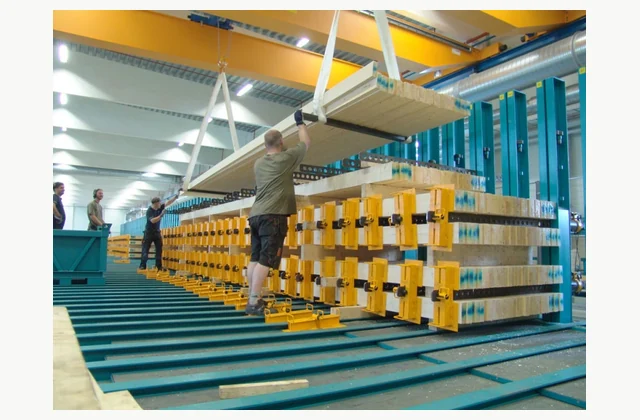
Shown as a configuration reference. Availability and the equipment offered for your project are confirmed separately.
What is the application scope for glulam clamping system?
A glulam clamping system holds glued timber laminations in the intended beam shape during bonding. Straight and curved beam production impose different support, loading and pressure-distribution demands.
Presses glued timber laminations; adhesive open time and structural-joint validation shape the scope. Hydraulic pressure is not the same as uniform pressure at every glue line. Lamination geometry, support spacing and beam curvature affect how the clamping force reaches the bond. Check actual contact and the adhesive's time-temperature requirements before comparing cycle claims. Curved beams may also move after release; the acceptance method should distinguish immediate springback from later conditioning changes and leave a documented machining allowance where required.
How should beam geometry and layup be specified?
Provide lamination dimensions, finished beam section, curvature and production mix. Curved layups need support against springback and controlled handling before the adhesive has developed adequate strength.
The RFQ should make beam geometry and layup a separate review item. Describe the expected variation, not only the easiest operating case, and ask the bidder to identify restrictions that affect the intended production mix.
What configuration evidence should be compared?
Match clamp arrangement and achievable bondline pressure to the adhesive procedure. Loading time, glue open time and curing temperature can become the limiting steps in a nominally fast press.
| Decision | Evidence to compare | Procurement consequence |
|---|---|---|
| Beam geometry and layup | Provide lamination dimensions, finished beam section, curvature and production mix. Curved layups need support against springback and controlled handling before the adhesive has developed adequate strength. | Defines the input and work envelope to be included in the offer. |
| Pressure and adhesive window | Match clamp arrangement and achievable bondline pressure to the adhesive procedure. Loading time, glue open time and curing temperature can become the limiting steps in a nominally fast press. | Determines configuration, supporting equipment and exclusions. |
| Production acceptance | Press representative beams and verify geometry after release, bondline quality and specified delamination or shear results. Document glue timing, moisture and pressure distribution rather than checking only hydraulic gauge readings. | Establishes the agreed demonstration and inspection records. |
What must be prepared for installation?
Plan lamination layup, glue application, lifting access and beam unloading as one cycle. Check curved-beam handling and how operators avoid pinch zones while positioning the layup.
Coordinate glue spread, lamination layup, press loading and beam removal within the qualified adhesive window. The handover should identify lifting points, pressure-zone settings and the samples or records used to confirm bond quality after release and conditioning.
How should production acceptance be demonstrated?
Press representative beams and verify geometry after release, bondline quality and specified delamination or shear results. Document glue timing, moisture and pressure distribution rather than checking only hydraulic gauge readings.
Witness the agreed challenge cases and keep the settings that produced them. A factory acceptance result should be repeatable after installation, with measuring instruments and site differences clearly identified.
Which service provisions protect repeatability?
Inspect clamp alignment, pressure retention, contact pads and hydraulic leakage. Cleaning methods must remove adhesive buildup without altering supports or hiding damage to pressure-bearing components.
Ask for maintenance instructions tied to the delivered configuration. The offer should distinguish operator consumables, periodic specialist work and parts with uncertain lead times, with training covering safe fault finding and recovery.
What can be customized through OEM or ODM?
OEM bed lengths, loading equipment and control zones may be reviewed; ODM curved-beam fixtures need adhesive trials, deflection analysis and structural product approval.
Submit the proposed changes with the glulam clamping system duty and acceptance plan. Separate a purchased option from new engineering, and agree drawings, validation responsibility, documentation and spare-part support before design release. The manufacturer example is a technical reference only; customization does not imply permission to copy protected designs or use a brand.
What should your glulam clamping system RFQ include?
- Glulam clamping system application and required process result
- Beam geometry and layup: Provide lamination dimensions, finished beam section, curvature and production mix. Curved layups need support against springback and controlled handling before the adhesive has developed adequate strength.
- Pressure and adhesive window: Match clamp arrangement and achievable bondline pressure to the adhesive procedure. Loading time, glue open time and curing temperature can become the limiting steps in a nominally fast press.
- Representative input variation and difficult production cases
- Required acceptance evidence: Press representative beams and verify geometry after release, bondline quality and specified delamination or shear results. Document glue timing, moisture and pressure distribution rather than checking only hydraulic gauge readings.
- Site and utility scope: Plan lamination layup, glue application, lifting access and beam unloading as one cycle. Check curved-beam handling and how operators avoid pinch zones while positioning the layup.
- Service provision: Inspect clamp alignment, pressure retention, contact pads and hydraulic leakage. Cleaning methods must remove adhesive buildup without altering supports or hiding damage to pressure-bearing components.
- OEM/ODM engineering scope: OEM bed lengths, loading equipment and control zones may be reviewed; ODM curved-beam fixtures need adhesive trials, deflection analysis and structural product approval.
- Upstream preparation and downstream handling interfaces
- Destination country and applicable installation requirements
- Production schedule, changeover mix and operator availability
- Drawings, samples, inspection method and rejected-output criteria
Need OEM / ODM customization?
Submit branding, packaging, configuration or engineering requirements for this equipment. Include the target market, initial and annual quantities, required changes and acceptance criteria.
Customization feasibility, permitted branding, development responsibilities, minimum quantity, cost and lead time are reviewed for the proposed supplier and configuration before a quotation is confirmed.
Frequently asked questions
What defines the application boundary for glulam clamping system?
A glulam clamping system holds glued timber laminations in the intended beam shape during bonding. Straight and curved beam production impose different support, loading and pressure-distribution demands. Presses glued timber laminations; adhesive open time and structural-joint validation shape the scope. Define the intended production result before comparing nominal ratings, and ask for evidence using the actual input conditions.
What should the glulam clamping system RFQ state about beam geometry and layup?
Provide lamination dimensions, finished beam section, curvature and production mix. Curved layups need support against springback and controlled handling before the adhesive has developed adequate strength. Send the representative inputs and the difficult cases together, then require the supplier to state any restrictions or preparation steps needed to repeat the proposed result.
How should pressure and adhesive window be checked?
Match clamp arrangement and achievable bondline pressure to the adhesive procedure. Loading time, glue open time and curing temperature can become the limiting steps in a nominally fast press. Ask the bidder to document the selected arrangement and exclusions against the real duty. Confirm which supporting components and setup work are included in the commercial scope.
What acceptance test is appropriate for glulam clamping system?
Press representative beams and verify geometry after release, bondline quality and specified delamination or shear results. Document glue timing, moisture and pressure distribution rather than checking only hydraulic gauge readings. Agree the sampling method and rejection criteria before the trial, and keep configuration and inspection records for the later site-acceptance comparison.
What installation and service details should be confirmed?
Plan lamination layup, glue application, lifting access and beam unloading as one cycle. Check curved-beam handling and how operators avoid pinch zones while positioning the layup. Inspect clamp alignment, pressure retention, contact pads and hydraulic leakage. Cleaning methods must remove adhesive buildup without altering supports or hiding damage to pressure-bearing components. Allocate local preparations and specialist support to named parties before shipment so commissioning and subsequent maintenance have a clear owner.
Can glulam clamping system configurations be customized through OEM or ODM?
OEM bed lengths, loading equipment and control zones may be reviewed; ODM curved-beam fixtures need adhesive trials, deflection analysis and structural product approval. Supply drawings and operating conditions for feasibility review. Engineering changes require agreed validation and documentation; a reference brand image does not establish an authorized supply or manufacturing relationship.
Reference information
- Hyperpress | Ledinek
- Glulam line | Ledinek
Reference data and images explain equipment configurations. IndustryApex engineers confirm the offered model, specification and commercial scope in your project quotation.